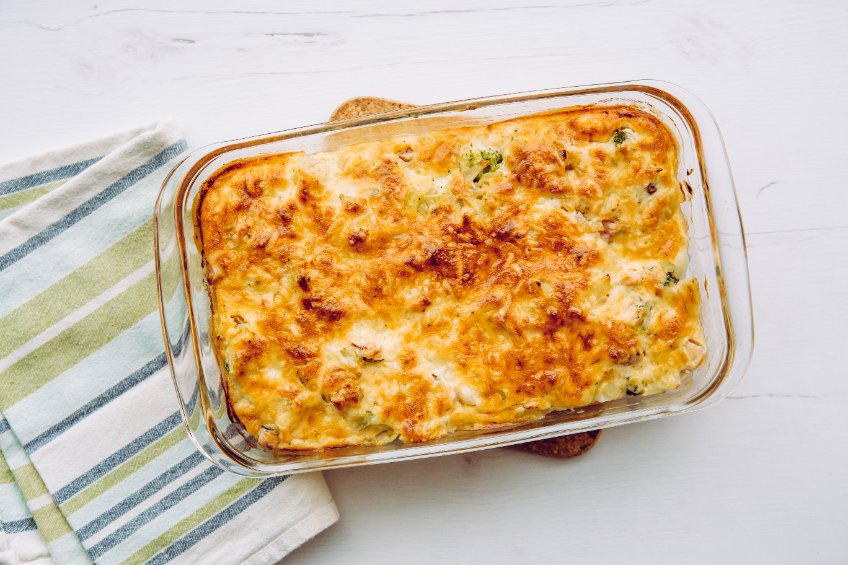


When choosing the right bakeware, many home cooks wonder about the efficiency of different materials.
Glass pans do not necessarily bake faster than metal pans, but they do provide even heat distribution and can result in a uniform cooking process.
This characteristic can lead to better results depending on the recipe and the baking temperature.
Understanding how glass pans interact with heat can help in making informed decisions in the kitchen.
They retain heat well, which can keep dishes warm longer after they come out of the oven.
For those who frequently experiment with baking, knowing the benefits and limitations of glass pans will enhance their culinary skills.
Exploring the science behind bakeware can reveal surprising insights.
While glass pans are excellent for certain recipes, it’s essential to adjust cooking times and temperatures accordingly to achieve the best outcome.
This blog will break down the specifics, helping cooks optimize their baking experience.
The Science of Heat Transfer in Baking
Understanding how heat is transferred during baking is crucial for selecting the right bakeware.
Different materials behave differently under heat, affecting cooking times and outcomes.
Conduction and Material Properties
Conduction is the process where heat transfers through direct contact between materials.
In baking, the properties of the bakeware significantly influence this process.
Materials like metal are excellent conductors, allowing heat to spread quickly and evenly.
This rapid heat distribution helps achieve faster cooking times.
In contrast, glass, while a good insulator, can take longer to heat up but retains heat well once warmed.
Ceramic bakeware offers a middle ground, providing decent heat conduction along with heat retention.
Thus, material properties play a critical role in conduction efficiency and cooking results.
Comparing Glass to Metal and Ceramic Bakeware
When comparing glass, metal, and ceramic bakeware, their heat conduction properties differ markedly.
Metal bakeware is often the fastest, heating quickly and promoting browning.
Glass takes longer to reach optimal temperatures but excels in heat retention.
It offers even cooking by radiating heat gently, which can be beneficial for certain recipes.
Ceramic bakeware provides consistent heat distribution and retains warmth effectively, making it suitable for slow-baked dishes.
Each type has unique strengths, impacting baking times and final results.
Thermal Conductivity and Heat Retention
Thermal conductivity refers to a material’s ability to conduct heat, a critical factor in baking.
Metal, with high thermal conductivity, leads to quick cooking and browning.
Glass has a lower thermal conductivity, which means it heats more slowly.
However, it retains heat longer, allowing for consistent temperatures throughout the baking process.
Ceramic bakeware strikes a balance, conducting heat well enough while still retaining it efficiently.
Different recipes may benefit from the unique thermal properties of each material, impacting cooking times and textures.
Advantages of Baking with Glass Pans

Baking with glass pans offers unique benefits that enhance cooking performance.
Two key advantages are even heat distribution and the ability to visually monitor the baking process.
Even Heat Distribution
Glass pans are known for their excellent heat retention and distribution.
Unlike metal pans, which can create hot spots, glass promotes consistent cooking across the surface.
When glass is heated, it absorbs and radiates heat evenly.
This minimizes the risk of burnt edges or undercooked centers in baked goods.
As a result, cookies, brownies, and casseroles tend to brown evenly, leading to an appealing texture and flavor.
Additionally, glass pans cool down more slowly than metal.
This characteristic keeps baked items warm for longer, allowing them to set properly before serving.
Visual Monitoring of Baking Progress
One of the standout features of glass bakeware is its transparency.
Bakers can easily monitor the progress of their dishes without opening the oven door.
This capability helps prevent undercooking or overbaking.
Bakers can check for color changes, firmness, or bubbling, ensuring perfect results every time.
The clarity of glass also adds a stylistic element, allowing for elegant presentations straight from the oven to the table.
This reduces the need for transferring food, simplifying cleanup.
Adjustments for Baking with Glass Pans
When using glass pans for baking, specific adjustments can enhance results.
The inherent properties of glass require attention to both temperature and baking time for optimal outcomes.
Temperature Modification
Glass pans conduct heat differently than metal.
They often require a temperature modification of 25°F (about 15°C) lower than traditional recipes specify.
This reduction helps prevent over-browning or burning of the dish’s edges, ensuring even cooking.
Home bakers should also preheat the oven adequately.
A properly preheated oven aids in achieving consistent results.
For recipes that call for conventional bakeware, adjusting the temperature is crucial to avoid discrepancies in the final product.
Baking Time Considerations
Baking times can vary when using glass pans.
Typically, dishes may require an additional 10-15 minutes to cook through completely.
This variance stems from the slower heat absorption properties of glass.
To ensure doneness, bakers should monitor the item closely towards the end of the baking period.
Utilizing visual cues, such as color and texture, helps determine readiness.
A toothpick test can also provide insight into the dish’s interior cooking status.
Adjusting baking times is essential for success when working with glass.
Safety Tips for Using Glass Bakeware

When using glass bakeware, it is crucial to practice safety to avoid accidents and potential damage.
Attention to thermal shock and proper handling can extend the life of the bakeware and ensure safe cooking.
Avoiding Thermal Shock
Glass bakeware can be sensitive to rapid temperature changes, leading to thermal shock.
To minimize this risk, it’s important to:
- Preheat the Oven: Always preheat the oven before placing glass bakeware inside. Placing it into a cold oven can lead to fractures.
- Gradual Temperature Changes: Move glass dishes from the refrigerator to the oven gradually. A sudden temperature change can cause breakage.
- Avoid Direct Heat: Do not place glass bakeware on direct heat sources, such as stovetops or grills.
- Cool Gradually: After baking, allow glass pans to cool at room temperature instead of transferring them directly to a cold surface.
Warning signs of thermal shock may include cracks that form during baking.
Checking glass bakeware regularly can prevent mishaps.
Proper Handling and Storage
Handling glass bakeware with care is essential to prevent accidents.
Consider the following guidelines:
- Use Oven Mitts: Always use oven mitts when removing glass bakeware from the oven. The surface can become extremely hot.
- Handle with Care: Avoid dropping or knocking the bakeware against hard surfaces.
- Store Safely: When storing, stack glass containers carefully to avoid chipping. Consider interleaving with paper towels to provide cushioning.
- Check for Damage: Inspect bakeware for cracks or chips before each use. Discard any damaged pieces to prevent food contamination.
Following these tips ensures safer cooking and helps maintain the integrity of glass bakeware over time.
Cleaning and Maintenance of Glass Pans
Cleaning glass pans is straightforward.
They are typically dishwasher-safe, which simplifies the process for many users.
For hand washing, a gentle sponge and mild dish soap work well.
Avoid using abrasive cleaners or scouring pads, as they may scratch the surface.
To prevent food from sticking, it helps to lightly grease the pan before baking.
Baking soda is an effective natural cleaner for tough stains.
Simply sprinkle it on, add water to create a paste, and let it sit before scrubbing gently.
Tips for Maintaining Glass Pans:
- Avoid sudden temperature changes: Never place a hot glass pan in cold water, as this can cause it to shatter.
- Inspect regularly: Check for any chips or cracks that may affect performance.
- Store carefully: Stacking glass pans can lead to scratches. Use protective pads between layers.
It is crucial to allow glass pans to cool before washing.
This prevents thermal shock and preserves the integrity of the pan.
Proper care ensures longevity and optimal cooking performance of glass pans.
Common Misconceptions About Glass Bakeware

Many people believe that glass bakeware is only suitable for certain types of dishes.
In reality, it can be used for a wide variety of recipes, including casseroles, pies, and even baked goods.
Another common misconception is that glass pans conduct heat poorly.
In fact, glass is an excellent heat conductor. It allows for even cooking and can result in perfectly baked items.
Some cooks think glass must only be used at lower temperatures.
Glass bakeware is designed to withstand high heat, making it suitable for most baking tasks.
Advantages of Glass Bakeware:
- Non-reactive: Glass does not react with acidic ingredients.
- Visibility: It allows users to monitor browning easily.
- Easy cleaning: Many glass dishes are dishwasher safe.
Despite these benefits, some individuals fear that glass will break easily.
While glass can crack under extreme temperature changes, properly cared for glass bakeware is durable for regular use.
It’s also a misconception that glass pans cook food faster.
While the cooking times may differ slightly, the actual baking time is determined by various factors, including recipe specifics and oven calibration.
Best Practices for Baking Success with Glass Pans
When baking with glass pans, preparation is crucial for achieving the best results.
Here are some key practices:
- Preheat the Oven: Always preheat the oven to the desired temperature before placing glass pans inside. This ensures even baking.
- Adjust Cooking Times: Glass pans retain heat better than metal. Reducing the baking time by 10-15% can help prevent overbaking.
- Use Non-Stick Spray: To prevent sticking, lightly coat the glass pan with non-stick spray or use parchment paper.
- Avoid Sudden Temperature Changes: Glass is susceptible to thermal shock. It should not be moved from the refrigerator to a hot oven quickly.
- Monitor Browning: Watch for browning on the edges. Glass pans can result in crispy edges while keeping the center moist.
- Cool Gradually: Allow the glass pan to cool on a wire rack after removing it from the oven. Rapid cooling can lead to breakage.
By incorporating these practices, bakers can enhance their experience and outcomes when using glass pans.
Glass is Ideal for Baking: Versatile Options for Every Recipe

When it comes to achieving a delicious, golden-brown crust on your cakes and bread loaves, glass bakeware is a reliable choice.
Its heat retention and even distribution make it ideal for baking a variety of recipes, ensuring that your creations come out perfectly every time.
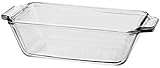 For an excellent baking experience, try the Anchor Hocking Glass Bread Pan.
It’s perfect for baking bread and other specialties like meatloaf, allowing for even cooking and an easy release.
Looking for versatility?
 This large Pyrex Deep Glass Baking Dish with Glass Lid is great for a wide range of dishes, from decadent cakes to savory lasagna and hearty baked casseroles.
Glass bakeware makes it simple to transition between different recipes and baking needs.
Adding glass bakeware to your kitchen is an excellent decision.
It’s the material you can turn to when you want fast cooking, fantastic results, and a crisp, professional finish.
Whether you’re a seasoned baker or just starting, glass bakeware is a must-have for your collection.
Share this:

You Might Also Like:


