Is It Better to Bake Lasagna in a Glass or Metal Pan? A Comparison of Cookware Options
Choosing the right pan can change how your lasagna turns out.
Glass pans heat slowly and evenly, which helps your lasagna cook without hot spots or burnt edges.
They also let you see the layers as you build them, so you can check your work before it goes in the oven.
Metal pans, especially aluminum, heat up faster and can give you crispier edges. But there’s a catch. Acidic tomato sauce can react with aluminum over time, sometimes leaving a slight metallic taste in your baked pasta.
Your choice of baking dish also affects cleanup and storage. Glass lasagna pans are non-stick and easy to wash, while metal pans may need more scrubbing. Below, you’ll find a clear breakdown of how each option performs, so you can pick the best pan for your next lasagna.
The Short Answer: Choose Based on the Result You Want
There’s no single best pan for every lasagna. Your choice depends on whether you want gentle, even heat or a crisp, browned top.
When Glass Is the Better Choice
Pick a glass baking dish when you want to watch your layers as you build them. You can see through the sides, so you’ll know right away if your sauce or cheese layer is too thick or thin.
Glass also heats up slowly and holds that heat once it’s hot. This gives you steady, even cooking through the middle of the dish.
Glass works well if you’re making lasagna ahead of time. It moves easily from fridge to oven to table, and it keeps your food warm longer after baking.
One thing to watch for: acidic tomato sauce won’t react with glass, so you won’t get any metallic taste.
When Metal Is the Better Choice
Choose a metal pan when a crispy crust matters most to you. Metal conducts heat fast, so the edges of your lasagna will brown and crisp up more than they would in glass.
This makes metal a smart pick if you’re cooking for a large group. It heats up quickly and cooks a big batch evenly across the whole pan.
Keep in mind that metal can react with acidic tomato sauce over time. This can create a slight metallic taste, especially if you store leftovers in the pan.
For best results, move any leftover lasagna to a different container once it’s out of the oven.
How Pan Material Changes Baking Performance
The material of your lasagna pan affects how fast heat moves through it, how long your dish stays warm after baking, and whether some spots cook faster than others. These differences change your cooking time, your risk of overcooking, and how evenly your layers bake.
Heat Conductivity and Cooking Time
Metal pans, especially aluminum, have high heat conductivity. This means heat moves through the pan quickly, so your lasagna often cooks faster in metal than in glass.
Tempered glass has lower heat conductivity. It takes longer to heat up, but once it does, it holds that heat steadily.
Stainless steel falls somewhere in the middle. It heats up slower than aluminum but faster than glass.
Because of these differences, you may need to adjust your baking time depending on the pan you use. A lasagna in a glass dish might need a few extra minutes compared to the same recipe in an aluminum pan.
Heat Retention After the Pan Leaves the Oven
Once you pull your lasagna out of the oven, heat retention becomes the key factor. Glass and ceramic pans hold heat well after baking, keeping your lasagna warm longer at the table.
Cast iron also retains heat exceptionally well, though it’s less common for lasagna specifically. Metal pans like aluminum cool down faster once removed from the oven.
This matters if you’re serving a crowd or want your dish to stay hot during a meal. A glass pan can keep layers warm for a longer stretch after you cut into it, while a thin metal pan loses heat more quickly once it’s out of direct oven contact.
Hotspots and Uneven Cooking
Heat distribution varies by material and can lead to hotspots, or areas that cook faster than the rest of the pan. Thin metal pans are more prone to this problem, especially near the edges or corners.
Glass and ceramic distribute heat more evenly across the surface. This lowers your risk of uneven cooking, where some parts of your lasagna are done while others still need more time.
Uneven heat distribution raises your chances of overcooking edges while the center stays underdone. Choosing a pan with even heat transfer, like ceramic or thick-walled aluminum, helps every layer cook at the same rate.
Comparing Texture, Browning, and Flavor
The pan you choose changes how your cheese browns, how your layers hold together, and whether your tomato sauce tastes the way it should. Metal and glass react to heat and acid in different ways, and those differences show up in every bite.
Creating a Golden-Brown Cheese Topping
If you want a golden-brown crust on top of your lasagna, metal pans usually win. Metal heats up fast and conducts heat evenly across the surface, so the cheese browns quickly and forms a crispy crust in less time.
Glass pans heat more slowly. Your cheese will still brown, but it takes longer and the result is softer than a caramelized crust.
Here’s a quick comparison:
Pan Type
Browning Speed
Crust Type
Metal
Fast
Crispy, deep golden-brown
Glass
Slow
Soft, lightly browned
If a crispy cheese top matters to you, try broiling glass-baked lasagna for the last few minutes to boost browning.
Protecting Tender Layers and Saucy Fillings
Glass pans hold onto heat once they warm up. This keeps the inside of your lasagna warm longer after it leaves the oven, which helps keep pasta layers tender and sauce from drying out.
Metal pans heat and cool faster. This can work in your favor if you’re worried about overcooking your meat or pasta, since you have more control over exact timing.
If your lasagna has delicate layers or a lot of meat, glass gives you steadier, gentler heat. This lowers your risk of dry edges or a filling that separates from the pasta.
Using Acidic Tomato-Based Ingredients Safely
Tomato sauce is acidic, and acidic ingredients can react with some metal pans over time. This reaction can pit the metal or leave a metallic flavor in your food, especially with uncoated aluminum pans.
Glass pans don’t react with acidic ingredients at all. Your tomatoes and tomato sauce keep their true flavor, with no risk of a metallic aftertaste.
If you use a metal pan, choose one with a non-stick or enamel coating. This creates a barrier between the acid and the metal, so your sauce stays safe and flavorful.
Selecting the Best Type and Size of Pan
Your choice of pan affects how your lasagna cooks, how it looks, and how easy it is to serve. The right size matters just as much as the material, since a pan that’s too small or too shallow can lead to overflow or uneven layers.
Glass Bakeware for Classic Home Lasagna
Glass bakeware is a solid choice if you want to watch your layers as you build them. You can see through the sides, so you’ll know right away if your noodles are lined up straight or if there’s too much sauce pooling at the bottom.
Glass heats up slowly and holds heat well once it’s hot. This means your lasagna will cook evenly, though it may take a few extra minutes compared to metal.
One thing to keep in mind: glass can crack if you move it from a hot oven to a cold surface. Always set your glass baking dish on a towel or trivet, not directly on your countertop.
Aluminum, Stainless Steel, and Coated Metal Options
A metal lasagna pan heats up fast and cooks food evenly from edge to center. This makes it a strong pick if you’re feeding a large group and want consistent results across every slice.
Aluminum pans are lightweight and conduct heat quickly, giving you crisp edges and a golden top. Disposable aluminum pans also work well if you’re bringing lasagna to a potluck or don’t want to worry about getting your dish back.
Stainless steel pans are sturdy and won’t react with acidic tomato sauce, but they don’t conduct heat as evenly as aluminum. Cast iron holds heat exceptionally well and can go from oven to table, though it’s heavy and needs proper seasoning to prevent sticking.
If you choose a metal pan, look for one with a non-stick coating. This makes cleanup easier and helps prevent your cheese and sauce from sticking to the bottom.
Quick comparison:
Material
Heat Speed
Best For
Aluminum
Fast
Crowds, crispy edges
Stainless Steel
Moderate
Durability, acidic sauces
Cast Iron
Slow, retains heat
Oven-to-table serving
Depth, Capacity, and Shape Considerations
A standard 9×13-inch baking dish works for most family-size lasagnas and typically holds three to four layers. If you’re cooking for a smaller group, a smaller dish, like an 8×8-inch pan, prevents you from having too much leftover food.
Depth matters more than people expect. A pan that’s at least 3 inches deep gives you room to stack layers without the sauce bubbling over during baking.
Rectangular pans are the standard shape, but round or oval baking dishes work too if you’re serving directly from the dish. Just remember that odd shapes may require you to cut your noodles to fit, which adds a small extra step to your prep.
Practical Tips for Reliable Results in Either Pan
A few small changes to how you prep, bake, and handle your lasagna can improve your results, no matter which pan you use. These steps help you avoid common problems like sticking, overcooking, and broken layers.
Adjusting Oven Temperature and Bake Time
Glass and metal pans heat differently, so your cooking time may need small adjustments. Glass holds heat longer and can cause the edges to overcook if you don’t watch it closely.
If a recipe calls for a metal pan and you’re using glass instead, lower your oven temperature by about 25°F. This helps prevent the outer layers from drying out before the center is fully cooked.
Metal pans heat up fast and cook more evenly, so you can often stick with the original temperature. Check your lasagna a few minutes before the recipe’s suggested time is up.
A good way to test doneness is to insert a knife into the center. It should feel hot and slide in easily, with no resistance from uncooked noodles.
Preventing Sticking and Protecting the Top
A light coat of cooking spray, butter, or oil on the bottom and sides of your pan makes it much easier to serve clean slices later. This step matters more in metal pans, since food can stick more easily to their smooth surface.
If you want extra protection, line the bottom with parchment paper before adding your first layer of sauce and noodles.
To keep the cheese on top from burning, cover the pan loosely with aluminum foil for the first half of baking. Remove the foil for the last 15 to 20 minutes so the cheese can brown properly.
For added texture, sprinkle breadcrumbs over the top layer before baking. This creates a light crust and helps soak up extra moisture from the cheese.
Handling and Resting Lasagna Safely
Always use oven mitts when moving your lasagna in and out of the oven, especially with glass pans. Glass can crack or shatter if it goes through sudden temperature changes, a problem known as thermal shock.
Never place a hot glass dish on a cold or wet surface. Set it on a dry towel or a wire rack instead, and avoid adding cold water to a hot pan.
After baking, let your lasagna rest for at least 15 minutes before slicing. This gives the layers time to set, so they hold together better when served.
Resting also makes cleanup easier, since cooled sauce and cheese are less likely to stick to your knife or spatula.
Final Recommendation for Your Lasagna Style
Your choice between a glass pan and a metal pan depends on what you value most in your lasagna.
Pick the option that matches your goals:
Want crispy, browned edges? Choose a metal baking dish. It heats up fast and gives you that golden crust.
Feeding a large group? A metal pan handles bigger batches with even cooking across the whole dish.
Serving straight from the oven to the table? A glass baking dish looks nice and keeps your lasagna warm longer.
Using a sauce with a lot of acid, like tomato sauce? Go with glass. It won’t react with the acid or affect the taste.
Want to see your layers as you build them? Glass pans are see-through, so you can check your work as you go.
Need something that lasts for years? Metal pans are usually more durable and resist cracking or chipping better than glass.
If you’re not sure which one to pick, think about your main goal. Browning and crisp edges point you toward metal. Even heat and gentle cooking point you toward glass.
Many home cooks keep both on hand. You can use metal for weeknight meals and glass for special occasions or dinner parties.
Either pan will give you a good lasagna. The real difference comes down to texture, presentation, and how you plan to serve it.
FAQ: Is It Better to Bake Lasagna in a Glass or Metal Pan?
Both glass and metal pans work well for lasagna, but they behave differently in the oven. Glass is often a convenient choice for lasagna because it heats steadily and allows you to see the layers, while metal can heat more quickly and encourage stronger browning.
Is Glass or Metal Better for Lasagna?
Glass is generally an excellent choice for lasagna, especially for home baking. It retains heat well and makes it easy to monitor the layers and sauce around the edges. Metal also works well and may produce more browning on the bottom and edges.
Can You Bake Lasagna in a Glass Pan?
Yes. Oven-safe glass baking dishes are commonly used for lasagna. Glass can provide relatively gentle, even heating and is particularly convenient when preparing and serving layered dishes.
Can You Bake Lasagna in a Metal Pan?
Yes. Metal pans are suitable for lasagna and conduct heat efficiently. They can help the edges and bottom brown more quickly, so you should monitor the dish to prevent excessive browning.
Does Lasagna Cook Faster in a Metal Pan?
It can. Metal transfers heat efficiently, which may cause the lasagna to heat and brown faster than it would in a glass dish. Cooking time will also depend on the pan’s thickness, color, and the recipe.
Does Lasagna Take Longer in a Glass Pan?
It may require slightly more time to reach the same level of browning compared with some metal pans. However, don’t automatically increase the baking time—check that the center is thoroughly hot and the cheese is melted and bubbling.
What Temperature Should You Bake Lasagna in a Glass Pan?
Many lasagna recipes are baked at approximately 350–375°F (175–190°C). Follow the recipe and the manufacturer’s instructions for the glass baking dish, particularly regarding maximum temperature and thermal-shock precautions.
Should You Cover Lasagna in a Glass Pan?
Yes. Covering the lasagna with foil for most of the baking time helps retain moisture and prevents the cheese from becoming too dark. Remove the foil near the end to brown the top.
Can a Glass Lasagna Pan Go From the Refrigerator to the Oven?
Be cautious. Sudden temperature changes can cause glass to experience thermal shock and break. Follow the manufacturer’s instructions regarding refrigerated or frozen dishes and oven use.
Does Glass Make Lasagna Stick?
Not necessarily. Lightly greasing the dish can make cleanup easier, while using sufficient sauce also helps prevent pasta from sticking to the bottom.
Which Pan Is Best for Lasagna?
For most home cooks, a sturdy oven-safe glass or light-colored metal baking dish is a good choice. Glass is convenient for monitoring the dish and serving, while metal is useful when faster heating and stronger browning are desired.
Is a Glass or Metal Pan Better for the Bottom of Lasagna?
If your lasagna tends to burn on the bottom, glass may be more forgiving than a thin, dark metal pan. Regardless of the material, use enough sauce on the bottom, bake on the center rack, and avoid excessive oven temperatures.
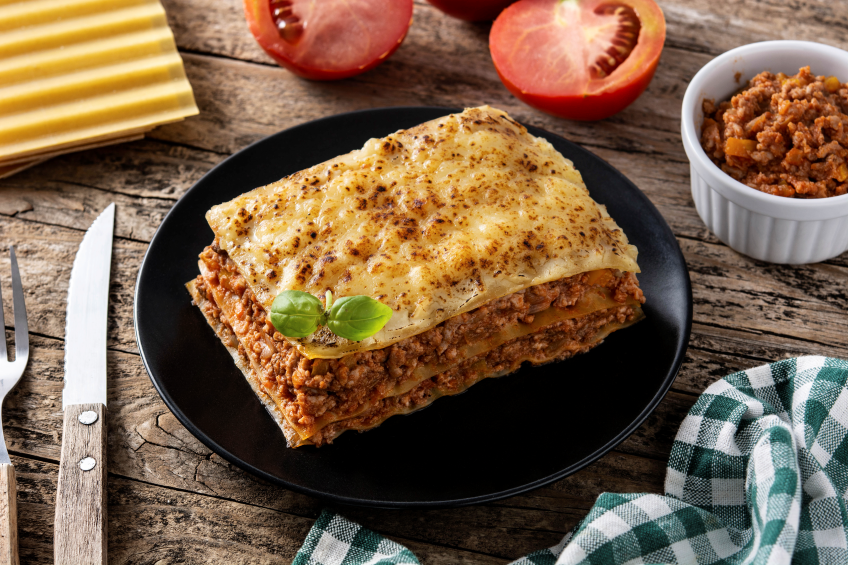

 Choosing the right pan can change how your lasagna turns out.
 There’s no single best pan for every lasagna. Your choice depends on whether you want gentle, even heat or a crisp, browned top.
 The material of your lasagna pan affects how fast heat moves through it, how long your dish stays warm after baking, and whether some spots cook faster than others. These differences change your cooking time, your risk of overcooking, and how evenly your layers bake.
 The pan you choose changes how your cheese browns, how your layers hold together, and whether your tomato sauce tastes the way it should. Metal and glass react to heat and acid in different ways, and those differences show up in every bite.
 Your choice of pan affects how your lasagna cooks, how it looks, and how easy it is to serve. The right size matters just as much as the material, since a pan that’s too small or too shallow can lead to overflow or uneven layers.
 A few small changes to how you prep, bake, and handle your lasagna can improve your results, no matter which pan you use. These steps help you avoid common problems like sticking, overcooking, and broken layers.
 Your choice between a glass pan and a metal pan depends on what you value most in your lasagna.


