Should You Grease Aluminum Baking Pans? Tips for Perfect Baking Every Time
If you’re using an aluminum baking pan, whether reusable or disposable, you’ll usually need to grease it to help prevent food from sticking. Check the recipe and pan coating first, though: some recipes call for an ungreased pan, and some pans have a nonstick surface.
In most cases, yes, you should grease aluminum baking pans, whether they’re sturdy reusable pans or thin disposable aluminum foil pans.Bare aluminum does not prevent food from sticking. Cakes, brownies, and foods with sugar or glaze can stick and tear when you remove them.
This guide explains when greasing matters, when you can skip it, and how to prepare the pan for easier food release and successful baking.
When Greasing Helps—and When It Does Not
Whether to grease an aluminum pan depends on the recipe and the pan’s surface. Follow the recipe’s instructions, especially for batters that need to cling to the sides of the pan.
Grease for Cakes, Brownies, Quick Breads, and Sticky Foods
Most cakes, brownies, muffins, and quick breads need a greased pan. Batters containing sugar and fat can stick to bare aluminum as they bake.
Without grease, baked goods may tear when you remove them. Individual bakes like muffins can also stick to bare cups and lose their shape.
When greasing an aluminum cake pan, spread a thin layer of butter or oil across the bottom and sides. A uniform layer also encourages even baking along the base.
You can also dust the greased surface with flour or cocoa powder for extra protection. This can be especially helpful with layer cakes, where a stuck cake layer may break when you turn it out.
Sticky recipes, such as caramel bars or fruit crisps, may also benefit from greasing because their sugar can adhere to the pan.
Skip Grease When the Recipe Needs the Batter to Cling
Some recipes need batter to cling to the pan. Angel food cake and chiffon cake are common examples.
These cakes rise by climbing the sides of an ungreased pan. Grease can make the batter slide, which may interfere with the cake’s rise and texture.
Meringues and macarons also require care because fat can interfere with the structure of whipped egg whites. These delicate foams often depend on cream of tartar for stability, and fat can cause them to deflate.
Follow your recipe’s directions for preparing the baking surface, as explained in this guide to avoiding common greasing mistakes.
If your recipe calls for an ungreased pan, follow that instruction. In these cases, leaving the pan bare is part of the recipe method.
Check the Recipe and Any Nonstick Coating First
Before greasing a pan, read the recipe. It may specify whether to grease, flour, or leave the pan bare.
Check the pan’s coating, too. Bakeware featuring a dedicated non-stick surface may affect whether you need to add grease.
For coated pans, follow the manufacturer’s care and use instructions. A pan with a smooth non-stick surface may require only a light coating of butter or oil when appropriate, but grease is not always necessary.
If food sticks to a nonstick pan, clean it and check for visible damage to the coating. When you’re unsure about baking in aluminum pans, follow the recipe and the pan manufacturer’s instructions rather than assuming that grease is always needed.
Preparing Disposable Foil Pans
Disposable foil pans need preparation before baking. Check whether the recipe calls for grease, and support the pan so it can hold the weight of the food without bending.
When Disposable Pans Need Grease
For most sweet or sticky recipes, grease disposable aluminum baking pans. Cakes, brownies, and foods with caramel or sugar can stick to uncoated foil.
Some dishes, such as casseroles or meats that release fat, may not need a greased pan. Follow the recipe’s directions.
Check the pan label first. Some disposable pans have a silicone liner or non-stick surface, which may reduce the need for added grease.
If the pan is uncoated and the recipe calls for greasing, use butter, oil, or cooking spray. A quick spritz of cooking spray provides fast, even coverage across textured foil surfaces.
For cakes, dust the pan lightly with flour after greasing if the recipe recommends it.
How to Support a Flexible Pan in the Oven
Foil pans can bend, especially when filled with batter or liquid. Supporting the pan helps prevent spills and makes it easier to move safely.
Set your foil pan on a sturdy, rimmed baking sheet before filling or placing it in the oven. The baking sheet supports the pan during handling and can catch drips.
Steps to support a flexible pan:
Place the empty foil pan on a sturdy baking sheet.
Fill the pan with your batter, meat, or vegetables.
Carry the baking sheet and pan together to help prevent the foil from bending.
Use both hands and oven mitts when removing the pan from the oven.
Check the pan manufacturer’s instructions for its oven-use temperature. Regardless of the stated temperature limit, support the flexible sides with a firm baking sheet during handling.
How to Grease a Pan for Reliable Release
Greasing a pan takes only a few minutes. Choosing the right grease and spreading it evenly helps guarantee successful baking. Add flour or parchment when your recipe calls for extra protection.
Choose Butter, Shortening, Oil, or Baking Spray
When preparing your pan, choosing the right grease makes a notable difference in crust color and flavor. Butter adds flavor and works well for many cakes and quick breads. Because it contains water and milk solids, it may brown more readily than some other fats in a hot oven.
Shortening is neutral in flavor and contains no water. It is often used to grease cake pans, including layer cakes and pans with detailed shapes.
Margarine can also be used, though its water content behaves much like butter in the oven. Vegetable oil spreads easily, but too much can pool in corners. Applying a small amount of vegetable oil with a paper towel works well for simple sheet bakes.
Baking spray is a quick option, and some brands include flour, so check the label before adding more. Convenient cooking spray also offers rapid coverage when you need an even fat layer.
Use a cooking fat that suits your recipe and pan. Avoid claims that olive oil necessarily damages aluminum or leaves a sticky film unless supported by manufacturer guidance or an authoritative source.
Apply a Thin, Even Coat to the Bottom and Sides
Start with a clean, dry pan. This helps the fat spread evenly over the surface. Use a pastry brush, paper towel, or your fingers to spread the fat. Cover the bottom first, then coat the sides.
A soft pastry brush helps sweep melted butter or oil into corners and detailed ridges. Using a clean pastry brush gives you control, ensuring the entire interior is coated before batter goes in.
Pay close attention to corners and seams, where batter can stick. Even coverage can help prevent a cake from tearing when released from an aluminum pan.
Keep the layer thin. Excess fat can pool at the bottom and affect the finished baked good.
For a Bundt pan or another pan with grooves, coat each curve carefully. Some bakers use a paste of equal parts butter, shortening, and flour, sometimes called “cake goop,” to coat detailed surfaces.
Add Flour, Cocoa Powder, or Parchment When Needed
Fat dusted with flour creates an effective non-stick barrier for cakes. This combination ensures smooth cake release once your bake has finished cooling.
After greasing, add one to two tablespoons of flour, then tilt and tap the pan until the flour coats the greased surface. Turn the pan over and tap out the excess.
For chocolate cakes, use cocoa powder instead of flour to avoid a pale coating on the finished cake.
Parchment paper can help with pans where the cake is prone to sticking, such as springform pans or recipes with delicate bottoms. Dense bakes like cheesecakes also release much more cleanly when lined with parchment.
Grease the pan first to hold the paper in place, then press a parchment round onto the bottom before adding batter. Skip extra flour if you use baking spray that already contains flour, since the additional coating may be too thick or uneven.
Recipe-Specific Exceptions and Alternatives
Not every recipe needs grease, and some call for a different preparation method. Choose the approach that matches the recipe and how the food needs to release from the pan.
Leave Angel Food and Similar Foam-Cake Pans Ungreased
Angel food cake and some other foam cakes rely on batter clinging to the pan as it rises. Grease can prevent the batter from gripping the sides.
This can interfere with the cake’s rise and light, airy texture. The recipe may depend on the ungreased pan to help the cake rise and stay supported while baking.
Chiffon cakes may also call for an ungreased pan. Follow the recipe’s instructions, even when they differ from the usual approach for other baked goods.
Use Parchment for Delicate Bakes and Easy Lifting
Parchment paper works well for recipes that are difficult to remove in one piece. Thin cookies, brownies, and delicate cakes can tear or crumble when you lift them directly from a greased pan.
Line the pan with parchment and let the paper hang over the edges slightly. These overhanging edges act as handles, so you can lift the bake out in one piece.
Parchment also makes cleanup easier by reducing the amount of batter or dough left stuck to the pan.
Using parchment in an aluminum pan creates a barrier between the food and the metal. This can help limit contact between the pan and acidic ingredients.
Alternatively, placing a silicone baking mat onto an aluminum sheet pan provides dependable food release. Many home bakers use silicone baking mats to bake cookies without needing added cooking fat.
Assess Savory Dishes That Already Contain Oil or Fat
Some savory dishes contain enough fat to help prevent sticking. Fatty cuts of meat and vegetables tossed in oil before roasting may not need extra grease on the pan.
Check the recipe first. If it already includes plenty of oil, butter, or other fat, greasing the pan may be unnecessary and could make the dish greasy.
Roasted vegetables are a common example. Tossed thoroughly in oil, they may release more easily from the pan as they cook.
Baking Results and Safe Use
Aluminum bakeware is generally safe for baking and conducts heat efficiently. It suits most recipes, but results can vary by pan type, thickness, and finish. Follow the manufacturer’s care instructions and adjust baking as needed.
Account for Aluminum’s Fast Heat Conduction
Aluminum conducts heat differently from glass, so baking times and browning may vary by recipe and pan. High heat conductivity promotes even baking across the pan surface. Start checking your baked goods a few minutes before the recipe’s stated time.
Edges may brown before the center is done, depending on the pan and recipe. If browning is too fast, consider lowering the oven temperature slightly or using a lighter-colored pan.
Oven-safe temperatures vary by pan and coating. Check the manufacturer’s instructions rather than assuming all aluminum pans are safe to a particular temperature. Some aluminized bakeware is rated up to 450°F; follow the care guidance for your specific pan to avoid damage.
Use Suitable Pans for Acidic Foods and Follow Coating Instructions
Uncoated aluminum can react with acidic ingredients such as tomatoes, citrus, or vinegar. This may affect the food’s flavor or appearance and discolor the pan.
For acidic dishes, consider anodized or coated aluminum pans, which have a treated or coated surface between the food and the underlying metal. Follow the manufacturer’s instructions, since finishes and their care requirements vary.
If your pan has a non-stick coating, follow the manufacturer’s care instructions. Many coated pans call for wood, nylon, or silicone utensils instead of metal, which can scratch some non-stick coatings.
Preventing Sticking and Grease Buildup Over Time
Grease can still cause problems, even when you use it appropriately. Understanding why food sticks and how to clean your pans can help keep them in good condition.
Troubleshoot Cakes That Stick Despite Greasing
If a cake sticks despite greasing the pan, a few common mistakes may prevent clean cake release.
Check these first:
Not enough grease. A thin or uneven layer may leave parts of the pan uncovered.
Wrong grease type. Butter may brown or stick more than shortening or oil, depending on the recipe and pan.
Cooling too long in the pan. Some cakes can become harder to release as they cool.
Skipping flour or parchment. Grease alone may not be enough for delicate or sticky batters.
Try coating the pan with shortening, then dusting it with flour or cocoa powder. This helps create a barrier between the batter and the pan. For especially sticky recipes, line the bottom with parchment paper. Follow the recipe’s cooling instructions; many cakes release more easily after cooling briefly in the pan.
Clean Reusable Pans Without Damaging Their Surface
Grease can gradually build up on aluminum pans, and harsh cleaning methods may scratch or discolor the surface. Avoid steel wool and abrasive scrubbers, which can damage the metal over time.
Instead, soak the pan in warm water with a few drops of dish soap for 15 minutes to loosen grease. Then use a soft sponge or non-abrasive brush to remove residue.
For stubborn spots, make a paste of baking soda and warm water. Baking soda provides gentle scouring action that lifts cooked-on oils without scratching.
Apply the paste, let it sit for a few minutes, then wipe it away with a damp cloth. Dry the pan thoroughly after washing to help prevent water spots.
Regular, gentle cleaning helps keep your aluminum pan in good condition.
Examples of Highly Rated Aluminium Bakeware for Your Kitchen
Aluminium bakeware is a staple in many kitchens because of its excellent heat conductivity, durability, and affordability. From loaf pans and cake tins to versatile sheet pans, the right aluminium bakeware can help produce more consistent baking results.
Whether you’re an experienced baker or simply enjoy baking at home, investing in well-made bakeware can make preparation easier and improve the overall quality of your finished recipes.
Below are four examples of aluminium and aluminized-steel bakeware worth considering, each suited to different baking needs.
USA Pan Bakeware Seamless Nonstick Standard Bread Loaf Pan
The USA Pan Bakeware Seamless Nonstick Standard Loaf Pan is designed for baking evenly shaped loaves, quick breads, and loaf cakes. Its heavy-duty aluminized-steel construction provides good heat distribution while offering the durability needed for regular use.
The seamless design helps make the pan easy to clean, while its nonstick Americoat coating is designed to promote easy food release. The standard loaf size makes it suitable for classic homemade bread, pound cakes, and other loaf-style bakes.
For home bakers looking for a sturdy pan that can handle frequent use, this loaf pan is a practical option.
Nordic Ware Naturals Two Half Sheets
The Nordic Ware Naturals Two Half Sheets provides a versatile combination of baking sheets for everyday kitchen use. Made from natural aluminium, the pans are designed to provide efficient heat conduction for baking and roasting.
The set includes two half-sheet pans and one 1/8-sheet pan, giving you useful options for cookies, pastries, roasted vegetables, and smaller batches. Reinforced rims add strength and help the pans maintain their shape during repeated use.
The natural aluminium construction also makes these pans a useful choice for bakers who prefer traditional, uncoated bakeware. This set can serve as an everyday foundation for a wide range of baking and cooking tasks.
Made from aluminium, the pans provide efficient heat distribution to help cakes bake evenly. Having multiple sizes also makes the set useful when preparing layered cakes or experimenting with different dessert recipes.
The smooth surfaces are easy to work with, while the lightweight construction makes the pans convenient to handle. For home bakers who want several round cake pans in one set, this collection offers useful versatility.
Why Not Consider an Aluminium Bakeware Set with a Nonstick Coating?
The set is made from heavy-duty aluminized steel and features a ceramic nonstick coating designed to make food release easier and simplify cleanup. It includes useful pieces such as sheet pans, a loaf pan, a muffin pan, and round cake pans, allowing you to prepare a variety of recipes without purchasing each pan separately.
Silicone handles provide a more secure grip when handling the pans, while the nonstick surface can reduce the amount of oil or butter needed for some recipes. The white finish also gives the set a clean, modern appearance.
Whether you’re baking cookies, cakes, bread, or muffins, this bakeware set offers a convenient way to equip your kitchen with several commonly used baking pans.
Should You Grease Aluminum Baking Pans? Expert Advice from University Baking Guidance
Whether you should grease an aluminum baking pan depends on the recipe and the food you are preparing. For cakes, brownies, quick breads, and other baked goods that may stick, lightly greasing the pan can make removal easier. However, cookies often contain enough fat that an ungreased aluminum baking sheet is preferable.
The University of Arkansas System Division of Agriculture advises not greasing a cookie sheet unless the recipe specifically requires it, because extra grease can cause cookies to spread too much and brown quickly around the edges.
For cakes and similar batters, lightly coat the inside of the aluminum pan with shortening, butter, or cooking spray. Some recipes may also recommend dusting the greased surface with flour or lining the base with parchment paper. Avoid excessive grease, as it can affect browning and may make delicate baked goods spread.
Aluminum pans are also useful because they conduct heat effectively, but acidic ingredients such as tomatoes or citrus can react with the metal. Penn State Extension recommends lining an aluminum pan with parchment paper or using a silicone mat when baking acidic foods.
In short, grease an aluminum pan when the recipe calls for it or when the food is likely to stick, but leave cookie sheets ungreased unless instructed otherwise. For cakes, Oregon State University Extension recommends greasing the bottom of the pan and flouring it if desired, while foam cakes generally should not be baked in a greased pan.
FAQ: Should You Grease Aluminum Baking Pans?
Yes, greasing an aluminum baking pan can help prevent food from sticking, particularly when baking cakes, brownies, quick breads, and other foods that can adhere to the surface. However, whether you need to grease the pan depends on the recipe and the type of food being baked.
What Should You Use to Grease an Aluminum Baking Pan?
You can use butter, shortening, cooking oil, or baking spray to coat the inside of an aluminum pan. Apply a thin, even layer to the bottom and sides where the food may come into contact with the pan.
Do You Need to Grease Disposable Aluminum Pans?
It is generally a good idea to lightly grease disposable aluminum pans when the recipe is prone to sticking. You can also line the bottom with parchment paper for easier removal of cakes and other delicate baked goods.
Should You Grease an Aluminum Pan for Cake?
Yes, unless the recipe specifically says otherwise. Greasing the pan helps the cake release more easily after baking, while parchment paper on the bottom provides additional protection against sticking.
Can You Bake Directly in an Aluminum Pan?
Yes. Aluminum pans are commonly used for baking because aluminum conducts heat efficiently. Follow the recipe’s recommended temperature and baking time, while checking the food for doneness as needed.
Does Greasing an Aluminum Pan Affect Baking?
Greasing can make it easier to remove baked goods and may slightly affect how the edges brown. For some cakes, excessive greasing can also cause the batter to pull away from the sides, so use only the amount recommended by the recipe.
Is Parchment Paper Better Than Greasing an Aluminum Pan?
Parchment paper and greasing serve different purposes and can be used together. Parchment provides a nonstick barrier, while greasing can help hold the parchment in place and protect the exposed sides of the pan.
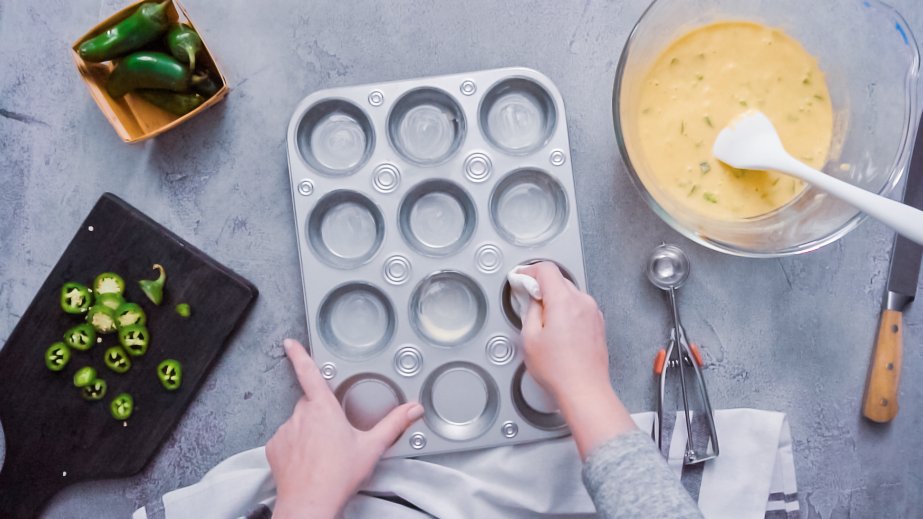


 Whether to grease an aluminum pan depends on the recipe and the pan’s surface. Follow the recipe’s instructions, especially for batters that need to cling to the sides of the pan.
 Disposable foil pans need preparation before baking. Check whether the recipe calls for grease, and support the pan so it can hold the weight of the food without bending.
 Greasing a pan takes only a few minutes. Choosing the right grease and spreading it evenly helps guarantee successful baking. Add flour or parchment when your recipe calls for extra protection.
 Not every recipe needs grease, and some call for a different preparation method. Choose the approach that matches the recipe and how the food needs to release from the pan.
 Aluminum bakeware is generally safe for baking and conducts heat efficiently. It suits most recipes, but results can vary by pan type, thickness, and finish. Follow the manufacturer’s care instructions and adjust baking as needed.
 Grease can still cause problems, even when you use it appropriately. Understanding why food sticks and how to clean your pans can help keep them in good condition.
 Aluminium bakeware is a staple in many kitchens because of its excellent heat conductivity, durability, and affordability. From loaf pans and cake tins to versatile sheet pans, the right aluminium bakeware can help produce more consistent baking results.
 Whether you should grease an aluminum baking pan depends on the recipe and the food you are preparing. For cakes, brownies, quick breads, and other baked goods that may stick, lightly greasing the pan can make removal easier. However, cookies often contain enough fat that an ungreased aluminum baking sheet is preferable.
 Yes, greasing an aluminum baking pan can help prevent food from sticking, particularly when baking cakes, brownies, quick breads, and other foods that can adhere to the surface. However, whether you need to grease the pan depends on the recipe and the type of food being baked.


