What Are the Three Advantages of Home Baking? Health, Savings, and Well-Being Explained
Baking at home offers more than just fresh treats. It gives you real control over what you eat, saves money, and lets you express your creativity in ways store-bought items cannot match.
The three main advantages of home baking are complete control over ingredients and nutrition, significant cost savings compared to buying pre-made goods, and the ability to customize recipes while developing new skills.
Each benefit plays a role in making home baking worth your time and effort.
This guide explores how baking at home affects your health, budget, and well-being. You’ll learn about the nutritional benefits, the money you can save, and how baking serves as both a creative outlet and a way to improve mental health.
Control Over Ingredients and Nutrition
The three advantages of home baking include control over ingredients, cost savings, and opportunities for creativity and family bonding. When you bake at home, you choose every ingredient that goes into your food. This control allows you to improve nutritional value and avoid harmful additives found in commercial products.
Choosing Fresh and High-Quality Ingredients
You select ingredients based on quality standards that matter to you. Fresh flour, eggs, and dairy products contain more nutrients than shelf-stable alternatives. You can source organic ingredients, which studies show have higher antioxidant levels than conventionally grown options.
Local ingredients often taste better and retain more vitamins. You can verify expiration dates and storage conditions yourself.
Avoiding Preservatives and Additives
Store-bought baked goods contain preservatives like calcium propionate and potassium sorbate to extend shelf life. These additives have been linked to allergies and hyperactivity in children. You eliminate these chemicals completely when baking at home.
Commercial products also include emulsifiers, artificial colors, and flavor enhancers. Your homemade versions need none of these substances.
Adapting Recipes for Dietary Needs
You modify recipes to accommodate allergies, intolerances, or health conditions. Substitute whole wheat flour for refined white flour to increase fiber content. Replace sugar with natural sweeteners like honey or dates to reduce glycemic impact.
You can remove common allergens such as wheat, dairy, eggs, or nuts entirely. This customization is critical for people with celiac disease or severe allergies who risk anaphylaxis from trace contamination.
Health Benefits and Dietary Advantages
Home baking allows you to reduce processed ingredients, control nutritional content, and accommodate specific dietary needs. You can replace refined ingredients with whole grains, lower sugar and sodium levels, and eliminate allergens that commercial products often contain.
Reducing Sugar, Salt, and Unhealthy Fats
You control the amount of sugar, salt, and fat in your baked goods when you bake at home. Store-bought items typically contain high levels of added sugars and sodium as preservatives. You can cut sugar by 25-50% in most recipes without affecting texture.
You can substitute butter with unsweetened applesauce or mashed bananas to reduce saturated fat. Reducing salt by half in baked goods maintains flavor while lowering sodium intake.
Incorporating Whole Grains and Nutrient-Dense Foods
You can replace refined white flour with whole wheat flour, oat flour, or almond flour to increase fiber and protein content. Whole grains provide B vitamins, iron, and magnesium that refined flours lack.
You can add nuts, seeds, and fresh fruits to boost nutritional value. These additions provide healthy fats, antioxidants, and essential nutrients without artificial additives.
Managing Allergies and Food Sensitivities
You eliminate cross-contamination risks by baking at home with dedicated equipment. You can substitute eggs with flax eggs, use dairy-free milk alternatives, and choose gluten-free flour blends for specific dietary restrictions.
You avoid common allergens like soy lecithin and artificial preservatives found in commercial baked goods. This control helps you manage celiac disease, lactose intolerance, and nut allergies safely.
Cost-Effectiveness of Baking at Home
Home baking saves money compared to buying baked goods from stores. You control ingredient quantities and eliminate retail markups. Buying ingredients in bulk reduces per-unit costs and minimizes waste.
Comparing Homemade vs. Store-Bought Costs
Homemade bread costs between $0.40 and $1.00 per loaf when you bake at home. Store-bought organic bread costs $3.00 or more per loaf. You eliminate packaging fees and retail markups by making your own baked goods.
A basic cake requires flour, eggs, sugar, and butter at roughly $4.00 total. Bakery cakes with similar ingredients cost $15.00 to $30.00. Your savings increase when you bake multiple items using the same base ingredients.
Economical Batch Baking and Reducing Waste
You can bake multiple items at once to maximize oven energy use. Making four loaves costs only slightly more than one loaf in ingredients. Your cost per item drops significantly with batch production.
Ingredient control prevents waste from unused portions. You measure exact amounts needed for recipes. Leftover ingredients store for future baking sessions.
Bulk Buying and Long-Term Savings
Flour, sugar, and yeast cost less per pound when purchased in 5-pound or 10-pound bags. These dry ingredients last months when stored properly in airtight containers. Your per-recipe cost decreases with larger ingredient purchases.
You save 30% to 50% on ingredient costs through bulk buying. A 25-pound bag of flour produces approximately 35 loaves of bread.
Freshness, Flavor, and Customization
Home baking provides superior freshness compared to store-bought products. You control flavor intensity and ingredient combinations. You serve items at peak quality immediately after baking.
Enhancing Taste and Texture
Home-baked goods deliver better taste because you use fresh ingredients without preservatives. Store-bought items contain additives that extend shelf life but compromise flavor.
You select premium ingredients like real butter, fresh eggs, and high-quality chocolate. These ingredients produce richer flavors than commercial alternatives.
Texture improves when you bake at home because you control mixing times and temperatures. You achieve the exact consistency you want, whether crispy, chewy, or soft.
Personalizing Flavors and Recipes
You adjust sugar levels to reduce sweetness or increase it based on preference. You substitute ingredients to match dietary needs like gluten-free flour or dairy alternatives.
Recipe customization allows you to add nuts, fruits, or spices in quantities you choose. You create unique flavor combinations not available in stores.
You control portion sizes and shapes to fit specific occasions or serving needs.
Serving Baked Goods at Their Peak
Fresh-baked items taste best within hours of leaving the oven. You time your baking to serve bread while still warm or cookies while soft.
You avoid the staleness that affects store-bought products during shipping and shelf storage. Home-baked goods maintain moisture and texture that deteriorate in commercial products over days or weeks.
Creative Expression and Skill Development
Home baking develops practical culinary skills while providing opportunities for personal creative expression through ingredient selection, flavor combinations, and visual presentation techniques.
Learning New Techniques and Science of Baking
Baking teaches you precision measurement, temperature control, and timing protocols. You learn how yeast fermentation works, why gluten develops through kneading, and how leavening agents create rise.
Each recipe builds knowledge about ingredient interactions. Flour types affect texture differently. Sugar controls browning and moisture retention. Fat creates tenderness in baked goods.
You develop techniques like folding, creaming, and laminating through repeated practice.
Experimenting With Ingredients and Designs
You control ingredient substitutions based on dietary needs or flavor preferences. Whole wheat flour replaces refined flour. Natural sweeteners substitute processed sugar. Fruit purees reduce fat content.
Design options include piping patterns, glazing techniques, and decorative scoring. You adjust recipes by changing spice ratios, adding nuts, or incorporating seasonal fruits.
Building Confidence in the Kitchen
Success with simple recipes builds competency for advanced techniques. You progress from basic muffins to layered cakes or laminated pastries.
Troubleshooting failed batches teaches problem-solving skills. You identify why bread didn’t rise or cookies spread too thin. Each baking session improves your ability to follow instructions and manage multiple simultaneous tasks.
Mental Health Benefits of Baking
Home baking provides measurable mental health benefits through stress reduction and mood improvement. The act of measuring ingredients, following recipes, and working with your hands creates a focused state that lowers cortisol levels and promotes emotional stability.
Stress Relief and Mindfulness
Baking requires you to concentrate on specific tasks like measuring flour or kneading dough. This focused attention shifts your mind away from worries about past or future problems. The repetitive motions and step-by-step process create a mindful state similar to meditation.
When you bake, you engage all five senses. You see ingredients transform, smell bread rising, feel dough in your hands, hear mixers whirring, and taste the final product. This sensory engagement keeps you present in the moment.
Boosting Mood and Fostering Well-Being
Baking serves as a creative outlet where you choose recipes, adjust ingredients, and decorate your creations. Research shows creative activities improve overall well-being and build emotional resilience. Even small creative choices, like adding berries to muffins or trying new spices, can spark satisfaction.
The process from start to finish gives you a sense of accomplishment. Sharing baked goods with friends, family, or neighbors strengthens social connections and shows you care. These positive interactions and the act of giving to others naturally elevate your mood.
Convenience and Time Considerations
Home baking offers control over ingredients, creativity, and social bonding as its three main advantages. Time investment varies based on your approach to planning and preparation. You can reduce active work through batch cooking and strategic scheduling.
Batch Preparation and Meal Planning
You can bake multiple items in one session to save time throughout the week. One afternoon of preparation yields several days of baked goods. You use the oven more efficiently when baking multiple batches at once.
Planning your baking sessions around your schedule reduces daily time pressure. You can prepare dough the night before and bake in the morning. Freezing portions of cookie dough or bread lets you bake fresh items in 15-20 minutes when needed.
Balancing Effort With Benefits
Simple recipes like muffins or quick breads require 10-15 minutes of active preparation time. You spend less time baking basic items than driving to a bakery. Complex recipes demand more skill and attention but deliver superior taste and ingredient quality.
Your time investment decreases as you gain experience with familiar recipes. You reduce cleanup time by organizing ingredients before starting. The health benefits and cost savings often justify the extra 20-30 minutes compared to buying processed alternatives.
Comparing Home Baking to Store-Bought Alternatives
Home baking provides control over ingredients, eliminates preservatives, and allows recipe customization that store-bought products cannot match. Store-bought baked goods prioritize shelf life and mass production over ingredient quality and freshness.
Ingredients and Quality Differences
You choose fresh, whole ingredients when baking at home instead of accepting the preservatives and artificial additives found in commercial products. Store-bought items contain stabilizers, emulsifiers, and shelf-life extenders that improve transport and storage but reduce nutritional value.
Home baking lets you select organic flour, natural sweeteners, and real butter. Commercial bakeries use refined ingredients and high-fructose corn syrup to reduce costs. You avoid hydrogenated oils and artificial flavors that appear in most packaged goods.
Nutrition and Health Impact
Baking at home reduces sugar content by 30-50% compared to store versions. You eliminate trans fats and control sodium levels based on dietary needs. Commercial bread contains 2-4 grams of sugar per slice while homemade versions require minimal sweetener.
You accommodate food allergies by removing wheat, dairy, or nuts entirely. Store products risk cross-contamination in shared facilities. Your baked goods contain higher fiber when using whole grains instead of the enriched white flour standard in commercial production.
Personal Satisfaction and Experience
Home baking develops technical skills in measuring, mixing, and temperature control. You create customized flavor combinations unavailable in stores. The process reduces stress through hands-on activity and delivers immediate sensory feedback.
You share fresh items within hours of baking instead of consuming products made days or weeks earlier. Store-bought goods sacrifice texture and moisture during distribution.
Why You Should Start Baking at Home
Baking at home builds healthy habits, strengthens social connections through sharing, and teaches valuable skills to younger family members. These practical benefits extend beyond the kitchen into daily life and community relationships.
Building Healthy Habits for Life
Home baking creates a routine that improves your relationship with food. You learn to measure ingredients accurately and follow step-by-step processes. This practice develops patience and attention to detail.
Baking regularly helps you understand nutrition labels and ingredient quality. You start reading recipes more carefully and planning meals in advance. These habits transfer to other cooking tasks and meal preparation.
The physical activity of mixing, kneading, and shaping dough provides light exercise. You spend less time eating processed snacks when homemade options are available.
Sharing Homemade Goods With Others
Baked goods serve as practical gifts for neighbors, coworkers, and friends. You can deliver fresh bread to someone recovering from illness or bring cookies to a community event.
Sharing what you bake strengthens existing relationships and builds new ones. People remember homemade food more than store-bought items. You create opportunities for conversation when you deliver baked goods in person.
Food donations to local charities or bake sales support community causes. Your baking skills become a tool for helping others.
Inspiring the Next Generation
Children who bake with adults learn math through measuring cups and fractions. They practice reading by following recipe instructions. These activities build academic skills in a practical setting.
Young bakers develop motor skills through stirring, rolling, and decorating. They learn cause and effect by seeing how ingredients change during baking. Safety awareness increases as they work around hot ovens.
Baking together creates specific memories tied to recipes and traditions. Children gain confidence when they produce something edible and shareable.
FAQ: What Are the Three Advantages of Home Baking?
Home baking is popular for both practical and personal reasons. It allows greater control over ingredients, encourages creativity, and can even save money over time.
What Are the Three Main Advantages of Home Baking?
The three biggest advantages are:
Better control over ingredients
Cost savings compared to buying baked goods
Freshness and customization
Why Is Ingredient Control Important in Home Baking?
Home baking allows you to choose the quality and quantity of ingredients, making it easier to reduce sugar, salt, or additives.
Can Home Baking Save Money?
Yes, baking at home is often cheaper than regularly purchasing specialty breads, cakes, or pastries from bakeries.
Why Do Homemade Baked Goods Taste Fresher?
Homemade baked goods are usually eaten soon after baking, which improves flavor, texture, and overall freshness.
Can You Customize Recipes When Baking at Home?
Yes, home baking makes it easy to adjust:
Flavors
Sweetness levels
Dietary ingredients
Portion sizes
Is Home Baking Healthier Than Store-Bought Baking?
It can be healthier because you control ingredients and can avoid excess preservatives, artificial flavors, or added sugars.
Does Home Baking Help Develop Skills?
Yes, regular baking improves cooking knowledge, measuring accuracy, timing, and creativity in the kitchen.
Can Home Baking Be Relaxing?
Many people find baking enjoyable and stress-relieving because it involves focus, routine, and creativity.
What Equipment Do You Need for Home Baking?
Basic equipment includes:
Mixing bowls
Measuring tools
Baking trays or pans
An oven
Is Home Baking Suitable for Beginners?
Yes, many simple recipes are beginner-friendly and require only a few ingredients and basic techniques.
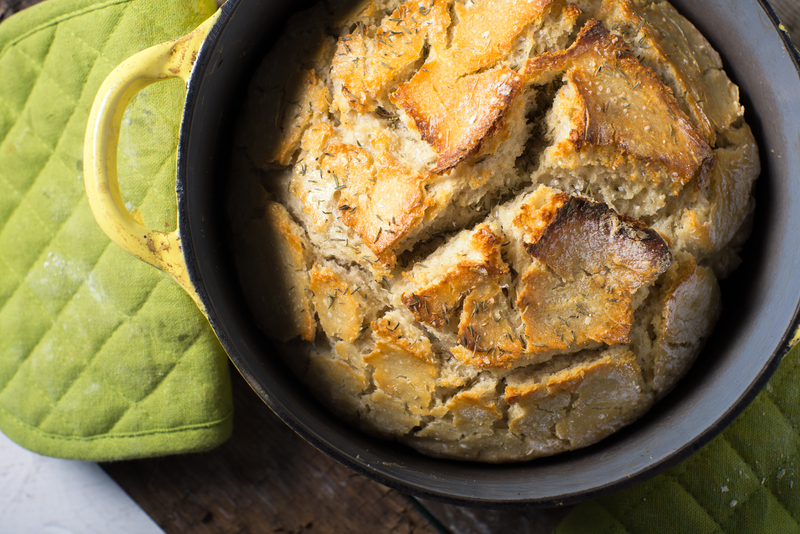

 Baking at home offers more than just fresh treats. It gives you real control over what you eat, saves money, and lets you express your creativity in ways store-bought items cannot match.
 The three advantages of home baking include control over ingredients, cost savings, and opportunities for creativity and family bonding. When you bake at home, you choose every ingredient that goes into your food. This control allows you to improve nutritional value and avoid harmful additives found in commercial products.
 Home baking allows you to reduce processed ingredients, control nutritional content, and accommodate specific dietary needs. You can replace refined ingredients with whole grains, lower sugar and sodium levels, and eliminate allergens that commercial products often contain.
 Home baking saves money compared to buying baked goods from stores. You control ingredient quantities and eliminate retail markups. Buying ingredients in bulk reduces per-unit costs and minimizes waste.
 Home baking provides superior freshness compared to store-bought products. You control flavor intensity and ingredient combinations. You serve items at peak quality immediately after baking.
 Home baking develops practical culinary skills while providing opportunities for personal creative expression through ingredient selection, flavor combinations, and visual presentation techniques.
 Home baking provides measurable mental health benefits through stress reduction and mood improvement. The act of measuring ingredients, following recipes, and working with your hands creates a focused state that lowers cortisol levels and promotes emotional stability.
 Home baking offers control over ingredients, creativity, and social bonding as its three main advantages. Time investment varies based on your approach to planning and preparation. You can reduce active work through batch cooking and strategic scheduling.
 Home baking provides control over ingredients, eliminates preservatives, and allows recipe customization that store-bought products cannot match. Store-bought baked goods prioritize shelf life and mass production over ingredient quality and freshness.
 Baking at home builds healthy habits, strengthens social connections through sharing, and teaches valuable skills to younger family members. These practical benefits extend beyond the kitchen into daily life and community relationships.
 Home baking is popular for both practical and personal reasons. It allows greater control over ingredients, encourages creativity, and can even save money over time.


