What are the Disadvantages of Baking? Understanding the Potential Drawbacks
Baking brings warmth and comfort to many kitchens, but this popular cooking method creates real problems that affect your time, money, and health.
Baking requires significant time investment, demands exact measurements and specialized equipment, often involves unhealthy ingredients like refined sugar and flour, and consumes more energy than most other cooking methods.
Baking can be challenging for both beginners and experienced bakers looking for quick and flexible meal options.
Unlike other cooking methods, baking often requires long preparation and cooking times. Once food is in the oven, making changes is difficult. Baking also depends on special tools and ingredients, which can cost money and require storage space.
Many baked recipes contain refined carbohydrates and high amounts of sugar, which may lead to health concerns when consumed regularly.
This article explores the common disadvantages of baking, including time demands, precision requirements, ingredient limitations, common mistakes, and environmental impact. It also compares baking with faster cooking methods.
The final sections highlight both the advantages and disadvantages of baking to help you decide when it is the right choice for your needs.
The Main Drawbacks at a Glance
Baking has a few clear downsides that you should know before committing to it. Weighing the advantages and disadvantages of baking helps you set realistic expectations. These drawbacks fall into three main areas: time requirements, how easy it is to mess up, and financial costs.
Time and Effort Requirements
Baking often takes longer than many people expect. You need time to measure ingredients, mix batter, wait for dough to rise, allow for oven preheating, and let food bake in the oven.
Then comes cleanup. Bowls, pans, and utensils pile up fast, and this main disadvantage of baking can turn a fun activity into a chore.
If you have a busy schedule, this time commitment can be hard to fit in. You can’t rush most steps either. Bread made with baker’s yeast needs time to rise, and cookies need the right bake time to turn out properly.
Compared to quick pan-searing or outdoor grilling, baking demands hours of waiting and planning. These longer cooking times make baking a poor choice for people who want quick meals or snacks.
Precision and Risk of Failed Results
Baking depends on precise measurements and consistent steps. Unlike cooking on the stove, you can’t easily fix mistakes once your dish is in the oven.
Small changes can throw off your results. This is one of the key challenges in baking, since you need to understand how ingredients interact and how temperature affects your dough or batter. Even the temperature of ingredients such as butter, eggs, milk, and water can affect a recipe’s success, while oven temperature and heat distribution can influence how baked goods rise, brown, and set.
King Arthur Baking explains that ingredient temperature can be vital to a recipe’s success, while its guidance on oven hot spots shows how uneven oven temperatures can affect baking results. Too much flour, the wrong oven temperature, or opening the oven door at the wrong time can ruin your food.
Slight overcooking can quickly dry out delicate sponge cakes or roasts, leaving them tough and tasteless. Your cake might sink, your bread might not rise, or your cookies might burn. This makes baking harder to master than many other cooking methods. It also means you may waste ingredients when a batch doesn’t turn out.
Cost, Energy, and Cleanup
Baking requires energy, particularly when an oven must preheat and maintain a high temperature for an extended period. The amount of energy used varies with the type and efficiency of the oven, cooking temperature, and length of use. The U.S. Department of Energy recognizes conventional ovens as significant household cooking appliances and measures their energy consumption during active baking operation.
You also need specialized baking tools. Pans, mixers, and measuring cups all cost money, and you may need different sizes and shapes for different recipes.
Baking ingredients add up too. Butter, sugar, flour, and flavorings can get expensive, especially if you bake often or make treats for a group.
Cleanup is another cost of your time and effort. Sticky bowls, flour-covered counters, and greasy pans all need to be washed after each session, which adds to the overall drawbacks of baking that come with this hobby.
Time-Consuming Preparation and Waiting
Baking takes up a lot of your time before you even see a finished product. You have to measure, mix, wait for dough to rise, wait for the oven, and wait again for things to cool.
Measuring, Mixing, Proofing, and Chilling
Baking relies on precise measurements for every ingredient. A small mistake in your flour or sugar amount can change how your dough or batter turns out.
Mixing and kneading dough also take patience. Proper kneading requires sustained physical effort, and relying on a stand mixer adds costly equipment to the equation. Repeatedly kneading dough by hand can quickly tire your wrists and arms.
You cannot rush these steps, or your final product may come out tough or uneven. Many recipes need extra waiting time built in. Dough leavened with active yeast requires hours of resting to develop flavor and lift.
Cookie dough may need to chill for 30 minutes or longer, and crusts for pies often rest in the fridge for at least an hour. These steps add up. You may spend more time waiting than actually working with your hands.
Long Oven and Cooling Times
Extensive preheating is required before pans can even enter the oven. Skipping proper preheating can ruin your rise and leave baked goods gummy inside.
Once your dough or batter goes into the oven, you still need to monitor it. You need to watch the temperature and check on your food as the recipe directs to avoid burning it.
Baking times vary based on what you are making. A loaf of bread can take 30 to 45 minutes to bake, while layer cakes often need 25 to 35 minutes per pan. Compared with quick stovetop sautéing, longer cooking times demand advance planning and patience.
After baking, you still have to wait. Cakes need time to cool in the pan, then more time on a wire rack before you can add frosting. King Arthur Baking recommends allowing cakes to cool completely before frosting. Bread loaves also need time to cool so the inside can fully set. King Arthur Baking also recommends cooling bread fully before slicing. This means your total time spent, from mixing to serving, is often much longer than other cooking methods.
Cleanup After Baking
Cleanup adds even more time to the baking process. You often end up using several bowls, pans, and tools for one recipe. Flour tends to spread across counters and floors, so wiping everything down becomes part of the job. Sticky dough or batter can also cling to your tools, which means extra scrubbing.
Rolling out crusts for fruit pies and delicate pastries often leaves butter and sticky flour across counters. For many people, this extensive cleanup makes home baking feel exhausting. Sweet fillings in homemade pies can easily bubble over and burn onto pans, adding stubborn scorch marks to clean.
Pans with burnt sugar or baked-on batter may need to soak before you can clean them properly. Soaking a scorched baking pan can take 10 to 15 minutes per pan, depending on how messy your baking session was.
Strict Measurements and Limited Flexibility
Baking asks you to follow exact steps. Unlike cooking on the stove, you can’t easily change amounts or swap items without changing your final result.
Why Ingredient Ratios Matter
Baking relies on chemistry, not guesswork. Each ingredient plays a specific role, and changing the amount of one can throw off the whole batch. Flour gives structure. Sugar adds sweetness but also affects moisture and browning. Leavening agents like baking soda, baking powder, or yeast influence how much your dough or batter rises. Fat affects texture and richness.
Relying on precise measurements is vital for these reactions. For instance, using expired baking powder leaves cakes flat, while using too much ruins the taste.
When you change the ratio of these ingredients, you can alter acidity and the chemical reactions that help baked goods rise, set, and brown correctly. For example, baking soda needs an acidic ingredient to produce carbon dioxide and help baked goods rise, while acidity can also affect browning.
This is one of the most obvious disadvantages of baking compared with general cooking, where you can often taste and adjust as you go.
A small measuring error, even off by a tablespoon, can leave you with a dense, flat, or dry result.
Challenges With Recipe Substitutions
You may want to make ingredient substitutions due to dietary needs, allergies, or what you have in your kitchen. Accommodating specific dietary restrictions often proves trickier in baking because chemical balance matters so much. In baking, this is riskier than it sounds.
Replacing butter with oil changes texture. Swapping in sugar substitutes can alter moisture, structure, and rise in sweet recipes. Swapping regular flour for gluten-free flour can affect how your dough holds together. Even switching one type of sugar for another can change moisture levels and how your baked goods brown.
Unlike sautéing or grilling, you can’t fix these problems midway through baking. Once your batter or dough goes into the oven, you’re largely committed to the outcome. This lack of flexibility is a key disadvantage of baking, especially if you enjoy experimenting freely in the kitchen.
If you plan to substitute ingredients, you need to research how that swap affects the final product first.
Oven Temperature and Technique Errors
Baking depends heavily on accurate oven temperature, timing, and heat control. Even small temperature variations can cause uneven cooking, burnt edges, or raw centers. The type of baking pan also affects how heat reaches the batter, influencing the rise and crust.
Ovens can develop hot spots, while convection ovens circulate heat differently. Opening the door too often can also cause heat loss and affect results. Using an oven thermometer can help identify temperature variations.
Technique matters just as much. Overmixing can develop excess gluten and make muffins, cakes, and quick breads tough, while undermixing can leave pockets of dry flour. Delicate techniques such as folding whipped egg whites require gentle handling to retain air.
Dough also needs proper proofing, as underproofing can produce dense bread while overproofing can weaken the structure and cause the loaf to collapse.
The University of Minnesota Extension explains how gluten provides the structure needed for dough to retain gas and develop the desired texture during baking.
Equipment, Ingredient, and Energy Costs
Baking costs more than most people expect. You will spend money on tools, ingredients, and energy before you even taste the final product.
Essential Tools and Storage Space
You need specific tools to bake well. An oven, mixer, measuring cups, and baking pans are the basics. These items are part of the equipment costs that add up fast for anyone new to baking.
Storage space is another issue. Pans, sheet trays, baking dishes, and mixing bowls take up cabinet and counter space. If your kitchen is small, this can become a real problem.
Specialty tools cost even more. Stand mixers, silicone molds, and precise kitchen scales are often useful for advanced recipes. For anyone pursuing regular home baking, these extra purchases represent a noticeable financial barrier. These startup expenses are one of the 4 disadvantages of baking that catch beginners off guard.
Specialty Ingredients and Upfront Spending
Basic ingredients like flour, sugar, eggs, and butter are common in most recipes. But many recipes call for extras like vanilla extract, specific flours, or fresh fruit. These items can be costly and add up quickly.
Buying in bulk can help lower costs over time. However, this only works if you bake often enough to use the ingredients before they expire.
For occasional bakers, the upfront spending on specialty items may not be worth it. A single recipe might require an ingredient you will not use again. This is one of the 5 disadvantages of baking that makes home baking less practical for casual cooks.
Oven Energy Use and Environmental Impact
Ovens can run for long periods, sometimes over an hour. This may use more electricity or gas than stovetop cooking or microwaving, depending on the appliance, cooking time, and energy source.
A standard oven drawing heavy electricity for hours can quickly drive up energy bills. Long baking sessions also noticeably increase monthly utility bills. Similarly, burning natural gas throughout a baking session generates notable indoor heat.
Baking multiple batches means the appliance stays on longer, increasing energy consumption and adding to your household’s environmental impact. The time required for baking food also heats up your kitchen, making temperature management difficult during warm seasons.
Compared with some other cooking methods, baking can require substantial energy because an oven must preheat and maintain a set temperature throughout cooking.
Energy use varies depending on the type and efficiency of the oven, its size, and how long it operates. The U.S. Department of Energy notes that conventional ovens are subject to energy-conservation standards, while its testing shows that oven energy consumption varies by appliance type and efficiency.
Health and Dietary Considerations
Baked goods can affect your health in different ways depending on what goes into them and how they are made. Various health concerns arise when daily meals rely heavily on butter, white flour, and added sweeteners. Sugar, fat, portion size, and heat all play a role in whether your baked food fits a balanced diet.
Refined Sugar, Flour, and Calorie Density
Many baked goods rely heavily on processed ingredients like refined sugar and white flour. These processed ingredients can add calories while providing less fiber and fewer micronutrients than less-refined alternatives.
Cakes, cookies, and pastries pack high calories into a small serving. Even a modest portion size can carry hundreds of calories, making portion control difficult and leading to excess energy intake without feeling full.
Because sweet treats digest quickly, sticking to a recommended portion size can leave you craving another serving. Refined flour generally contains less fiber than flour ground from whole grains. Swapping in whole grains can improve fiber, but dense recipes often require more fat to stay tender.
Many treats are packed with refined carbohydrates that cause sharp spikes in blood sugar. These sudden swings in blood sugar often trigger fatigue and hunger spikes shortly after eating. Over time, a diet consistently high in refined carbohydrates can foster insulin resistance.
This metabolic strain significantly increases the long-term risk of developing type 2 diabetes.People managing or preventing type 2 diabetes must strictly monitor their intake of these carbohydrate-heavy foods.
If you eat baked goods often, the extra sugar and calories can add up over time. These rich treats can undermine weight management, contributing to weight gain, obesity, or other health concerns if not balanced with a healthy diet.
Frequent snacking on sweetened pastries readily promotes excess calorie intake and weight gain over time. Relying heavily on calorie-dense baked food can make long-term dietary balance challenging.
Fat Content Depends on the Recipe
The fat content of baked goods varies considerably. Butter, oil, and shortening add flavor, tenderness, and structure, but rich pastries and desserts can contain substantial amounts of saturated fat.
Regularly consuming foods high in saturated fat can raise LDL cholesterol and increase the risk of heart disease. The American Heart Association recommends replacing saturated fats with unsaturated fats, such as olive or canola oil, when possible.
However, changing the type or amount of fat can affect a recipe’s texture, structure, and flavor. A substitution that improves the nutritional profile may still change how a cake, pastry, or biscuit turns out.
Baking is not automatically healthier than frying, as some pastries and biscuits can still be high in fat and calories. Whether a baked food is a healthy choice depends largely on the ingredients and quantities used.
Check both the type and amount of fat when choosing or modifying a recipe, particularly if you are trying to reduce saturated fat in your diet.
Nutrient Loss From Prolonged Heat
Baking uses cooking time and steady heat. Prolonged heat exposure can reduce some heat-sensitive vitamins, including vitamin C and certain B vitamins, although the extent of nutrient loss depends on the food, temperature, time, and cooking conditions.
Minerals are generally more stable than many vitamins and are not destroyed by heat, although they can be lost if juices or cooking liquids are discarded. Retaining these vital minerals requires capturing pan drippings whenever you roast or bake.
However, prolonged baking time can reduce the nutritional value of certain foods. Accidental overcooking of roasted meats, baked fruits, and roasted vegetables further diminishes heat-sensitive compounds.
This nutrient loss varies by food and cooking method. Still, if you rely on baked foods for key nutrients, it helps to know that some vitamins may be reduced by the process.
Allergens and Dietary Restrictions
Baking often uses ingredients that can trigger allergies or fit poorly with certain diets. Wheat, eggs, dairy, and nuts are common in baked goods and include major food allergens.
This can make it hard to find safe options if you have food allergies or intolerances. These health concerns require careful cross-contact controls, and gluten-free, dairy-free, or nut-free baking often demands special ingredients that can change the taste or texture of the final product.
There are both advantages and disadvantages of baking when it comes to dietary needs. Modifying recipes to satisfy complex dietary restrictions often requires expensive binders and extensive trial and error.
Practical Limits and Potential Food Waste
Baking has real limits that can lead to wasted food and wasted money. When you understand these limits, you can plan better and cut down on waste in your kitchen.
Inconsistent Results and Wasted Ingredients
You may follow a recipe exactly and still get uneven results. Ovens heat differently, and small changes in measurements can throw off your final product.
This is one of the common disadvantages of baking, since precision matters more than in some other cooking methods. A cake that sinks or bread that doesn’t rise means you often have to toss the whole batch.
Wasted ingredients can add up quickly, especially when recipes use ingredients such as eggs, butter, and flour. On a larger scale, the problem can become even more significant.
Commercial bakeries can experience food waste from overproduction, production errors, equipment failures, and inconsistent results. The NSW Government’s Bread & Bakery Sector Action Plan identifies overproduction, human error, and machine failure as important causes of food waste in bakery manufacturing.
Limited Texture and Last-Minute Adjustments
Baked goods have a narrow window for texture. Creating a crispy exterior while ensuring proper moisture retention inside requires exact timing. Even slight overcooking pulls out remaining moisture, turning moist crumb into a dry, crumbly mess. Once bread turns tough or a cookie spreads too thin, you can’t fully fix it after the fact.
Unlike stovetop cooking, you can’t taste and adjust as you go. You commit to your ingredients and temperature settings before the food goes into the oven, and any mistake may only show up after baking is done.
This lack of flexibility is one of the 3 disadvantages of baking worth planning for: you can’t add more seasoning, thin out a sauce, or fix moisture levels once the process starts. If you get the ratios wrong, your only options are to eat the result or throw it out.
Heat, Burns, and Flour Dust Exposure
Ovens run hot, often between 325°F and 450°F, which raises your risk of burns when handling pans and trays. You also work with sharp tools, hot liquids, and heavy bakeware that can slip or tip. Flour dust is another concern. When you mix or knead in large amounts, fine flour particles can spread into the air.
Breathing in flour dust repeatedly can irritate the nose and airways and, with significant occupational exposure, may lead to occupational asthma.
The UK Health and Safety Executive (HSE) identifies flour dust as a major cause of occupational asthma among bakers and recommends reducing exposure by avoiding unnecessary dust, using appropriate ventilation or extraction, and cleaning with wet methods or suitable vacuum equipment rather than dry sweeping.
Even in a home kitchen, keeping flour dust under control and maintaining good ventilation are sensible precautions, particularly if you bake frequently.
When Baking Is Still the Right Choice
Even with the time and effort baking demands, it still makes sense in many situations. Examining the distinct advantages of baking helps you decide if a recipe is worth the extra effort. Once you know what makes baking worth it, you can plan ahead and cut down on the drawbacks.
Benefits That Can Offset the Drawbacks
The advantages of baking become clear when you want precise control over your ingredients. You decide the exact amount of each item, so your results stay consistent each time you bake.
Another of the key advantages of baking is the ability to achieve tender crumbs and crisp crusts impossible with other methods. This method also offers impressive versatility, letting you prepare both sweet desserts and hearty savory dinners.
Bakers can easily get creative. You can try new flavors, shapes, and textures without much risk. There’s a real cost benefit too. Homemade baked goods may cost less than store-bought items, especially if you bake in bulk and already have the equipment.
This is one of the clear advantages and disadvantages of baking that home cooks weigh when deciding how to spend their time in the kitchen. Baking also produces smells and results that other methods can’t match. Fresh bread or a cake coming out of the oven adds something to your home that quick meals don’t.
Ways to Reduce Time, Cost, and Waste
You can cut down on baking’s downsides with a few simple habits. Try these steps:
Prep ingredients ahead of time. Measure dry ingredients the night before to save time later.
Bake in batches. Make double portions and freeze half to reduce future prep work, using food-safe cooling and storage practices. [Cite USDA guidance for cooling and freezing homemade foods.]
Use one bowl when possible. This cuts down on cleanup time.
Plan your oven use. Bake multiple items at once to keep energy bills lower and save time, provided the recipes use compatible temperatures and the oven is not overcrowded.
Buy ingredients in bulk. This may lower your cost per batch and reduce trips to the store, provided you can use the ingredients before they lose quality.
These small changes make baking less of a burden. They also help you avoid wasting food or money on failed batches.
Choosing Baking Versus Other Cooking Methods
Baking isn’t always the best cooking method, but it is often the right choice for the food you’re preparing. It works particularly well when you want consistent, structured results from foods such as bread, cakes, casseroles, and baked dishes that depend on controlled heat and timing.
Baking does require more patience than some other cooking methods. If you’re short on time, frying, grilling, or stovetop cooking may be more convenient. Grilling, for example, uses high heat to sear food quickly, while baking generally requires more preparation and cooking time.
One of baking’s biggest advantages is its ability to develop rich flavors and appealing textures. As food heats, browning reactions such as the Maillard reaction can create complex flavors, aromas, and colors that contribute to the finished dish.
The Institute of Food Technologists explains how the Maillard reaction contributes to the characteristic flavors and colors of cooked foods. Baking can also be convenient once the food is in the oven. After preparation, you can often leave the dish to cook without constantly stirring or turning it, although it still requires attention to temperature and timing.
Ultimately, the best cooking method depends on the meal, your available time, and the result you want. Baking rewards careful preparation and patience, making it an excellent choice when you want dependable results, developed flavors, and the right texture.
FAQ: Disadvantages of Baking
Baking is a popular cooking method known for producing breads, pastries, and other dishes with less oil than frying. However, it also comes with some drawbacks.
What Are the Main Disadvantages of Baking?
Common disadvantages of baking include:
Longer cooking times
Need for precise measurements
Potential nutrient loss from heat
Higher energy use compared to some cooking methods
Why Is Baking Considered Time-Consuming?
Baking often requires:
Preheating the oven
Accurate preparation
Longer cooking times This can make it less convenient than quicker cooking methods.
Does Baking Require Precise Measurements?
Yes, baking relies heavily on exact ingredient ratios. Small mistakes in measurements can affect texture, rise, and overall results.
Can Baking Reduce Nutritional Value?
Some heat-sensitive nutrients, such as certain vitamins, may decrease during baking due to prolonged heat exposure.
Is Baking More Expensive Than Other Cooking Methods?
Baking can use more electricity or gas because ovens require longer heating and cooking times.
Can Baked Foods Still Be Unhealthy?
Yes, baked foods can still be high in:
Sugar
Refined flour
Saturated fats The ingredients matter as much as the cooking method.
Does Baking Dry Out Food?
Yes, overbaking can remove moisture and make foods dry, tough, or crumbly.
Is Baking Difficult for Beginners?
Baking can be challenging because it depends on precise timing, temperature control, and ingredient balance.
Are There Foods That Don’t Bake Well?
Yes, some foods are better suited to frying, steaming, or grilling because baking may not provide the desired texture or flavor.
Can Baking Take Up More Kitchen Space?
Yes, baking often requires multiple tools such as mixing bowls, trays, measuring equipment, and cooling racks.
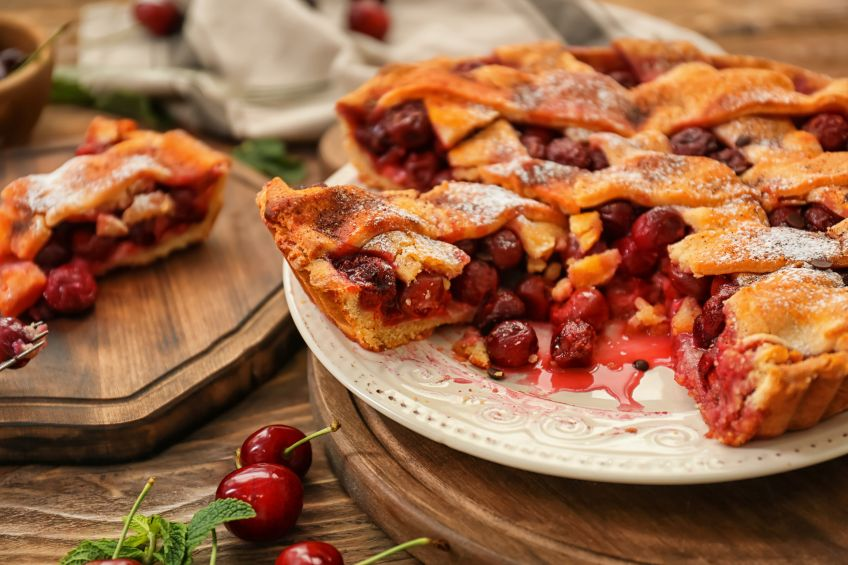

 Baking brings warmth and comfort to many kitchens, but this popular cooking method creates real problems that affect your time, money, and health.
 Baking has a few clear downsides that you should know before committing to it. Weighing the advantages and disadvantages of baking helps you set realistic expectations. These drawbacks fall into three main areas: time requirements, how easy it is to mess up, and financial costs.
 Baking takes up a lot of your time before you even see a finished product. You have to measure, mix, wait for dough to rise, wait for the oven, and wait again for things to cool.
 Baking asks you to follow exact steps. Unlike cooking on the stove, you can’t easily change amounts or swap items without changing your final result.
 Baking costs more than most people expect. You will spend money on tools, ingredients, and energy before you even taste the final product.
 Baked goods can affect your health in different ways depending on what goes into them and how they are made. Various health concerns arise when daily meals rely heavily on butter, white flour, and added sweeteners. Sugar, fat, portion size, and heat all play a role in whether your baked food fits a balanced diet.
 Baking has real limits that can lead to wasted food and wasted money. When you understand these limits, you can plan better and cut down on waste in your kitchen.
 Even with the time and effort baking demands, it still makes sense in many situations. Examining the distinct advantages of baking helps you decide if a recipe is worth the extra effort. Once you know what makes baking worth it, you can plan ahead and cut down on the drawbacks.
 Baking is a popular cooking method known for producing breads, pastries, and other dishes with less oil than frying. However, it also comes with some drawbacks.


