The Science Behind Baking: Ingredients, Chemistry, and Creativity
Baking transforms basic ingredients into delicious creations through a series of fascinating chemical reactions that happen when you mix and heat them up.
When the proteins in flour meet water, they form gluten networks that trap gases from leavening agents, giving breads, cakes, and pastries their unique structure and texture.
Knowing how these reactions work helps you take control in the kitchen, troubleshoot when things go wrong, and get better results from your recipes.
Every ingredient in your recipe has a purpose. Flour brings protein and starch for structure. Fats coat flour particles, limiting gluten and making baked goods tender. Sugars pull in moisture, add sweetness, and help with browning. Eggs bind everything together and trap air when beaten, giving your bakes lift and lightness.
Heat is what brings it all to life. Proteins set, starches soak up water and thicken, and gases expand to create rise. When you understand how these processes work, you can adjust recipes, fix baking mishaps, and bake with confidence every time.
The Chemistry at Work: How Baking Transforms Ingredients
Baking is a little bit of magic and a lot of science. When you put your raw ingredients in the oven, heat triggers chemical reactions that turn proteins, starches, and sugars into something new—crisp crusts, soft centers, and wonderful flavors. The right temperature sets these changes in motion, deciding whether your baked goods rise, brown, or set just right.
Understanding Chemical Reactions in Baking
Once your batter or dough hits the oven, a flurry of chemical reactions begins. Proteins unravel and link up, forming networks that trap air and give structure. Starches swell as they absorb water, thickening and stabilizing your mixture.
Leavening agents like baking soda and baking powder create carbon dioxide gas through acid-base reactions. That gas expands in the oven’s heat, forming the air pockets that make your cakes and breads rise. Meanwhile, fats melt and coat the flour’s proteins, keeping gluten in check for a tender crumb.
As water turns to steam at 212°F, it helps your batters expand before the proteins and starches set everything in place. All these reactions overlap and depend on your oven temperature and how you balance your ingredients.
The Maillard Reaction and Caramelization
The Maillard reaction is what gives bread its golden crust and cookies their irresistible flavor. When proteins and sugars meet at temperatures above 280°F, they create rich flavors and that beautiful brown color we all love.
Caramelization is a different process, happening when sugars break down at 320°F to 360°F. This brings out nutty, slightly bitter notes and deepens the color—think of the dark tops of caramelized cakes or the edges of cookies fresh out of the oven.
Both reactions need enough heat and time. Lower temperatures mean lighter colors and milder flavors, while higher heat brings out deep browns and bold tastes.
The Role of Temperature and Time
Your oven is more than just a hot box—it’s the control center for all these reactions. At 325°F, proteins set slowly, letting cakes rise evenly before the structure locks in. At 425°F, the outside browns quickly while the inside stays moist and soft.
How long you bake matters too. If you take things out too soon, starches won’t set and textures can be gummy. Leave them in too long, and you risk dry, tough results. The trick is to match time and temperature to what you’re baking—dense pound cakes need lower heat for longer, while thin cookies do best with a quick blast of higher heat.
Essential Ingredients and Their Functions
Baking is all about how ingredients work together. Flour gives structure, sugar brings sweetness and moisture, and fats keep things tender and delicious. Each ingredient plays a role in the final taste and texture of your treats.
Flour and Gluten Formation
Flour contains glutenin and gliadin, two proteins that form gluten when mixed with water. Gluten is what traps the gas bubbles that make bread rise and gives baked goods their chewy, satisfying texture.
All-purpose flour is a good all-rounder with 10-12% protein. Bread flour has more protein (12-14%) for extra chew, while cake flour is lower in protein (7-9%) for tender, delicate cakes.
You control gluten by how you mix. Gentle mixing keeps things soft and tender, perfect for cookies and cakes. Kneading bread dough for 8-10 minutes builds strong gluten for that classic chewy crumb.
What affects gluten formation?
Water activates gluten
Mixing time builds or limits strength
Fat and sugar slow gluten down
Letting dough rest helps gluten relax
Sugar: Sweetness, Texture, and Moisture
Sugar does more than make things sweet. It helps keep baked goods soft by holding onto moisture and tenderizes by drawing water away from flour proteins, limiting gluten. Sugar keeps your bakes moist and fresh for days.
When sugar and proteins meet at 310°F, the Maillard reaction kicks in, giving you that gorgeous golden-brown color and complex flavor. Creaming sugar with butter also adds air, making your cakes and cookies light and fluffy.
White sugar makes things crisp and light, brown sugar adds moisture and chewiness, and powdered sugar dissolves easily for smooth frostings.
Fats and Oils: Tenderness and Flavor
Fats are the secret to soft, tender baked goods. By coating flour proteins, fats prevent too much gluten from forming. The type of fat you use makes a difference—each brings its own texture and flavor.
Butter melts at 90-95°F and adds rich flavor and flaky layers to pastries. Shortening stays solid longer, making cookies extra tender. Oil keeps cakes moist and soft, even at room temperature.
Fat also carries flavor throughout your bake. Butter gives its own taste, while neutral oils let other flavors shine. For most recipes, you’ll want at least 20% fat by weight for that perfect tenderness.
Binding and Leavening: The Role of Eggs, Yeast, and Leaveners
Eggs hold everything together, yeast makes bread rise, and chemical leaveners like baking soda and powder give your bakes lift. Each works in a unique way to create the textures we love.
Eggs for Structure and Emulsification
Eggs bind batters and doughs as their proteins set between 144°F and 158°F, forming a network that holds everything together. They’re also great at trapping air—whipped egg whites can expand up to eight times their original volume, adding lift to cakes, soufflés, and meringues.
Egg yolks contain lecithin, a natural emulsifier that helps mix water and fat, keeping batters smooth and preventing separation.
Main roles of eggs in baking:
Binding: Holds ingredients together as proteins set
Leavening: Trapped air expands for lightness
Emulsifying: Keeps fats and liquids mixed for smooth textures
For the best foam, use room temperature egg whites. A pinch of cream of tartar helps stabilize the foam, making it sturdier for baking.
Yeast and Fermentation
Yeast is a living organism that eats sugar and produces carbon dioxide gas, making dough rise and giving bread its airy texture.
Active dry yeast needs to be dissolved in warm water (105°F to 115°F) before using, while instant yeast can be mixed straight into the flour.
Dough usually rises for 1 to 2 hours at room temperature, during which yeast also creates alcohol and acids that add depth of flavor. Warmer temps speed things up, while cooler ones slow the process and develop even more flavor.
Chemical Leavening Agents: Baking Soda and Baking Powder
Baking soda needs an acid—like buttermilk, yogurt, or vinegar—to create carbon dioxide gas and lift your bakes. The reaction is quick, so get your batter in the oven right away.
Baking powder has both the base and acid built in, so it just needs moisture and heat to work—perfect for recipes without acidic ingredients.
Double-acting baking powder gives you two bursts of gas—once when mixed, and again in the oven—so you have more time to work with your batter.
Liquids, Dairy, and Salt: Building Texture and Balancing Flavor
Liquids bring ingredients together and help activate gluten, dairy adds richness and helps with browning, and salt not only strengthens dough but also makes all the flavors pop.
The Impact of Liquids on Doughs and Batters
Water dissolves dry ingredients and wakes up the gluten in flour, creating the stretchy network that gives bread its structure. The amount of liquid you use decides if your dough is stiff or sticky, and changes the final texture.
Liquids also turn to steam in the oven, helping your baked goods rise and become lighter.
Different liquids give different results. Water makes bread crusty and cakes light, juices add a tang and tenderize, and coffee brings out the best in chocolate desserts.
Temperature matters too—warm liquids (about 110°F) are perfect for activating yeast, while cold liquids slow things down and build more flavor over time.
Milk and Dairy’s Contribution to Baking
Milk brings together fat, protein, sugar (lactose), and water—each working its magic in your baked goods. The fat creates a tender crumb and adds a lovely richness to cakes and breads, making every bite more satisfying.
Lactose and milk proteins encourage browning through the Maillard reaction. When you swap water for milk, your baked goods develop a beautiful golden crust and deeper, more complex flavor.
Buttermilk and yogurt bring a gentle acidity that reacts with baking soda, creating carbon dioxide bubbles to help cakes rise. The acid also softens gluten, giving you a more delicate, tender texture.
Heavy cream takes richness up a notch, adding even more fat for extra-tender pastries and scones. It’s also a go-to for stabilizing whipped toppings and creamy custards.
Salt’s Effects on Structure and Taste
Salt strengthens gluten bonds in flour by tightening protein strands, creating a more elastic dough. In bread, this improved structure helps your loaf keep its shape and rise evenly in the oven.
Most doughs need only 1-2% salt by flour weight—a tiny amount that goes a long way. Salt helps control yeast fermentation by drawing moisture away from the yeast, slowing the rise and adding layers of flavor.
Salt does more than just season—it tames bitterness and balances sweetness, often without making food taste salty. A pinch in chocolate desserts makes the chocolate pop, while in fruit fillings, salt brings out the fruit’s natural brightness.
Keep in mind that not all salts measure the same by volume. Table salt weighs 20g per tablespoon, but kosher salt is only 10g per tablespoon. Fine-grained salt is best for even mixing in batters and doughs.
Heat Transfer in Baking: Conduction, Convection, and Radiation
Baking is all about heat transfer: conduction moves warmth through direct contact, convection swirls hot air around your food, and radiation sends energy from heating elements right into your baked goods. The mix of these three methods shapes your crust color, texture, and how evenly your treats bake inside.
How Baking Equipment Influences Results
Your choice of baking equipment decides how much heat reaches your food—and how. A baking sheet on an oven rack gets heat through conduction where it touches the rack, while convection and radiation cook the top and sides.
Dark metal pans soak up more radiant heat than shiny ones, leading to 15-20% more bottom browning. Heavy pans spread heat more evenly than thin ones, helping to avoid hot spots and uneven baking.
Stone baking surfaces hold onto heat and deliver steady, even warmth to dough placed right on them. Even when you add cold dough, the stone keeps its temperature, making for consistent results every time.
Choosing Between Metal, Glass, and Ceramic
Metal pans heat up fast and transfer energy efficiently to your batter or dough. Aluminum conducts heat at 205 W/m·K, making it the speediest choice for getting oven heat into your food. Steel pans are slower at 50 W/m·K but hang onto heat longer.
Glass heats up slowly because its thermal conductivity is just 1.05 W/m·K. When baking in glass, you’ll want to lower the oven temperature by 25°F or bake 5-10 minutes longer. Glass also keeps cooking your food after you pull it from the oven, thanks to its heat retention.
Ceramic bakeware acts a lot like glass—slow to heat, but great at holding onto warmth. You’ll notice more bottom browning in ceramic because it stays hot throughout the bake. Metal pans, on the other hand, give lighter bottoms and quicker results.
Oven Types and Airflow
Conventional ovens mainly use radiation from heating elements and natural convection currents. Hot air rises, often creating “hot and cold spots” with temperature differences of 25-50°F between racks.
Convection ovens have fans that actively circulate air at 400-600 feet per minute. This improves heat transfer and can cut baking time by 25%. The moving air sweeps away the cooler layer around your food, keeping temperatures more consistent.
Deck ovens deliver most of their heat—about 60-70%—through radiation from the heated surfaces above and below your food. Placing dough directly on the deck gives you an extra-crispy bottom crust from direct conduction.
Bridging Science and Art: Creativity in the Baking Process
Baking is a dance between precision and creativity. Exact measurements and scientific technique meet flavor adventures and artful design—making every loaf, cake, or cookie a personal creation.
Recipe Development and Experimentation
Developing new recipes is all about experimenting with ingredient ratios to get the results you want. You can adjust the protein in your flour, the amount of fat, or the type of sugar to change texture and structure.
Swapping butter for oil, for example, makes pastries moister but less flaky. Changing just one thing at a time lets you see exactly how it affects your final bake.
Maybe you’ll try a bit more baking powder for extra lift, or trade granulated sugar for brown sugar to add moisture and caramel flavor.
Keeping detailed notes on your tweaks helps you recreate your best bakes again and again. Pairing flavors is both a science and an art. Lemon juice can brighten up sweet treats, while a pinch of salt can make chocolate sing.
You can mix in spices, extracts, or citrus zest to experiment with new tastes—just keep your wet and dry ingredient ratios in balance. Testing small batches first lets you play with flavors without wasting ingredients.
Presentation and Decorative Techniques
Decorating is where a little science meets a lot of creativity to make desserts look as good as they taste. For example, sugar dissolves in water to create shiny glazes, or can be heated to high temperatures for crisp, beautiful candy decorations.
Buttercream holds its shape at room temperature thanks to its rich fat content, while whipped cream stays fluffy only if kept chilled.
Getting the temperature right is key when working with chocolate or fondant. Tempered chocolate sets with a gorgeous gloss at around 88-90°F, while fondant becomes soft and easy to smooth when it’s just a bit warm—but if it gets too soft, it can easily tear.
Piping is all about controlling the flow of frosting using pressure and different tip shapes. Royal icing, made with egg whites, dries hard and is perfect for intricate details. To add color, gel dyes are a great choice since they don’t thin out your frosting, or you can use cocoa powder and fruit purees for a more natural touch.
FAQ: The Science Behind Baking
Baking is a precise process driven by chemical and physical reactions between ingredients under heat. Understanding the science behind it helps explain why recipes behave the way they do.
What Is the Science Behind Baking?
The science of baking involves controlled chemical reactions that transform dough or batter into structured, cooked food through heat, mixing, and ingredient interaction.
Why Is Baking Considered a Science?
Baking relies on exact ratios and predictable reactions. Small changes in ingredients, temperature, or timing can significantly alter the final product.
What Chemical Reactions Happen in Baking?
Key reactions include:
Leavening (gas production for rising)
Maillard reaction (browning and flavor development)
Caramelization (sugar breakdown and color formation)
Protein coagulation (structure setting)
How Does Heat Affect Baking?
Heat triggers structural and chemical changes, such as melting fats, activating leavening agents, and setting proteins and starches.
What Role Does Gluten Play in Baking Science?
Gluten forms when flour proteins combine with water. It creates elasticity and structure, especially in bread and dough-based recipes.
How Do Leavening Agents Work Scientifically?
Leavening agents produce gases (usually carbon dioxide) that expand within the dough or batter, causing it to rise and become light.
Why Are Measurements So Important in Baking Science?
Precise measurements ensure chemical balance. Even small variations can disrupt reactions and affect texture, rise, and stability.
What Is the Maillard Reaction in Baking?
The Maillard reaction is a chemical process between amino acids and sugars that creates browning, aroma, and complex flavor compounds.
How Do Ingredients Interact in Baking?
Each ingredient plays a specific role:
Flour builds structure
Sugar affects moisture and browning
Eggs bind and stabilize
Fat adds tenderness
Is Baking Pure Science or Also Art?
Baking is both science and art. Science controls structure and consistency, while creativity shapes flavor, design, and presentation.
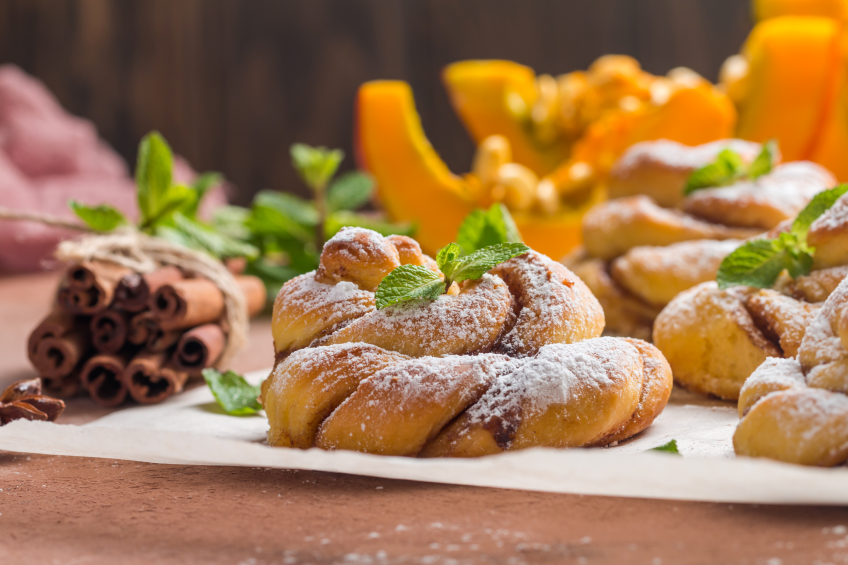

 Baking transforms basic ingredients into delicious creations through a series of fascinating chemical reactions that happen when you mix and heat them up.
 Baking is a little bit of magic and a lot of science. When you put your raw ingredients in the oven, heat triggers chemical reactions that turn proteins, starches, and sugars into something new—crisp crusts, soft centers, and wonderful flavors. The right temperature sets these changes in motion, deciding whether your baked goods rise, brown, or set just right.
 Eggs hold everything together, yeast makes bread rise, and chemical leaveners like baking soda and powder give your bakes lift. Each works in a unique way to create the textures we love.
 Liquids bring ingredients together and help activate gluten, dairy adds richness and helps with browning, and salt not only strengthens dough but also makes all the flavors pop.
 Baking is all about heat transfer: conduction moves warmth through direct contact, convection swirls hot air around your food, and radiation sends energy from heating elements right into your baked goods. The mix of these three methods shapes your crust color, texture, and how evenly your treats bake inside.
 Baking is a dance between precision and creativity. Exact measurements and scientific technique meet flavor adventures and artful design—making every loaf, cake, or cookie a personal creation.
 Baking is a precise process driven by chemical and physical reactions between ingredients under heat. Understanding the science behind it helps explain why recipes behave the way they do.


