What’s the Secret to Baking Cookies? Expert Tips and Proven Techniques
Baking cookies seems simple, but getting them perfect takes more than just mixing ingredients and turning on the oven.
The secret to baking cookies lies in understanding how small details like ingredient temperature, dough chilling, and proper measurements work together to control texture, spread, and flavor.
Many bakers struggle with cookies that turn out too flat, too hard, or unevenly baked.
This guide walks you through the core foundations you need to bake excellent cookies every time. You’ll learn how to prepare your dough correctly, adjust baking conditions for your desired results, and fix problems when they happen.
You’ll also discover techniques for improving flavor and texture, plus advanced methods that take your cookies beyond basic recipes. Each section gives you practical steps you can use right away in your kitchen.
How to Bake Perfect Cookies: Foundations for Success
The seven basic ingredients in all cookies are flour, fat, sugar, eggs, leavening agents, salt, and flavoring. Each ingredient performs a specific function that affects your final cookie’s texture and taste.
Essential Ingredients and Their Impact
Flour provides structure through gluten formation. All-purpose flour works for most cookies, while bread flour creates chewier results.
Fat comes from butter or shortening. Butter adds flavor and causes cookies to spread more. Room temperature butter creams properly with sugar to create air pockets.
Sugar sweetens and affects texture. Granulated sugar creates crisp cookies. Brown sugar contains molasses, which makes cookies chewier and adds moisture.
Eggs bind ingredients and add richness. They also contribute to leavening when beaten.
Leavening agents like baking soda and baking powder help cookies rise. Baking soda needs acid to activate. Baking powder contains its own acid.
Salt balances sweetness and enhances flavor. Use it even in sweet recipes.
Understanding Cookie Types and Textures
Different ratios of basic ingredients create specific cookie types. Drop cookies like chocolate chip use more butter and spread during baking. Bar cookies bake in pans and get cut after cooling.
Temperature controls texture. Higher butter content creates flatter, crispier cookies. More eggs produce cakier results.
Baking time determines final texture. Slightly underdone cookies appear set but soft in the center. They firm up during cooling.
Cookie Tips and Tricks Every Baker Should Know
Most cookies require seven basic ingredients: flour, sugar, butter, eggs, leavening agents, salt, and flavorings. Proper preparation of these ingredients before mixing affects texture, spread, and final taste. Temperature control and pan selection determine whether cookies turn out flat, cakey, or perfectly chewy.
Room Temperature and Ingredient Prep
Butter must reach 65-68°F before creaming with sugar. You should be able to press an indent into the butter with one finger without it feeling greasy or hard.
Properly creamed butter and sugar takes four minutes in a stand mixer at medium speed. The mixture should appear pale yellow and fluffy. Insufficient creaming creates dense, grainy cookies that don’t spread properly.
Weigh flour instead of scooping it. A cup of scooped flour can contain 120-160g depending on how densely it’s packed. Use a kitchen scale to measure exactly 120g per cup for consistent results.
Baking Sheet Choices and Lining Methods
Parchment paper produces cookies with proper dome shape and controlled spread. Nonstick silicone mats create the most uniform results with minimal spreading.
Greased baking sheets cause dark bottoms and burned edges. Unlined metal pans lead to sticking and uneven browning. Aluminum foil makes cookies spread excessively and turn thin.
Chilling Dough for Best Results
Chilled dough controls spread, concentrates flavor, and creates chewy edges with crisp texture. A minimum 30-minute chill in the refrigerator firms the butter and allows flour to fully hydrate.
Skipping the chill produces thin cookies with excessive spread and bland flavor. The cold dough hits the hot oven and holds its shape better during the first minutes of baking.
Mastering Cookie Mixing and Dough Preparation
The seven basic ingredients in all cookies are flour, fat (butter or oil), sugar, eggs, leavening agents (baking soda or baking powder), salt, and flavorings (vanilla extract).
Proper mixing technique directly affects cookie texture, spread, and final structure. You must cream butter and sugar to the correct consistency, measure flour accurately, and incorporate eggs at the right temperature.
Creaming Butter and Sugar Correctly
Beat butter and sugar together for 2-3 minutes until the mixture turns pale yellow and increases slightly in volume. This process creates air pockets that give cookies their structure and lift.
Stop mixing when you see a color change and fluffy texture. Over-creaming for more than 3 minutes incorporates too much air, which causes cookies to rise excessively and then collapse during baking.
Use room temperature butter (65-68°F) for optimal creaming. Cold butter won’t incorporate air properly, while melted butter eliminates the creaming process entirely.
Proper Flour Measurement Techniques
Spoon flour into your measuring cup and level it with a straight edge rather than scooping directly from the container. Scooping compacts the flour and adds up to 25% more than the recipe requires.
This extra flour creates dense, dry cookies that don’t spread properly. Use a kitchen scale for the most accurate measurement: 1 cup of all-purpose flour weighs 120-125 grams.
Incorporating Eggs Efficiently
Remove eggs from the refrigerator 30 minutes before baking. Room temperature eggs blend smoothly into your creamed butter mixture and create better emulsification.
Whisk eggs with vanilla extract before adding them to your dough. This ensures even distribution and prevents overmixing once you add the flour. Cold eggs can cause the butter to harden and create lumpy dough that bakes unevenly.
Cookie Baking Temperature and Time Precision
Most cookies bake best at temperatures between 350°F and 375°F for 8 to 12 minutes. Temperature determines how quickly your cookies spread and set, while baking time controls moisture retention and texture development.
Recommended Baking Temperatures for Popular Cookies
Chocolate chip cookies bake at 350°F to 375°F. Sugar cookies require 350°F for even browning. Peanut butter cookies perform well at 350°F.
Research from the University of Guelph found that 401°F (205°C) produces the best balance of structure and moisture. At this temperature, cookies reach their widest spread at six minutes before firming up.
Lower temperatures like 365°F cause slower drying and extended spread throughout the entire bake. Higher temperatures around 437°F create rapid spread at four minutes, followed by excessive moisture loss.
Baking Time Guidelines and Signs of Doneness
You should remove most cookies when edges turn golden brown but centers appear slightly underdone. Cookies continue baking on the hot sheet after removal.
Check cookies at the minimum time listed in your recipe. Thin cookies need 8 to 10 minutes. Thick cookies require 12 to 15 minutes. Your cookies are done when edges firm up and surfaces lose their wet sheen.
How Oven Type Affects Results
Convection ovens circulate hot air and bake cookies 25°F lower than conventional ovens. You need to reduce temperature from 350°F to 325°F when using convection.
Dark baking sheets absorb more heat and brown cookies faster than light-colored sheets. Glass pans retain heat longer than metal pans.
Troubleshooting Common Cookie Issues
Cookie spreading and uneven baking stem from incorrect ingredient ratios, improper temperatures, or measurement errors. Burnt bottoms typically result from dark pans or high oven temperatures, while undercooked centers indicate insufficient baking time or low heat.
Why Cookies Spread or Flatten
Your butter temperature directly controls cookie spread. Butter warmer than 67°F melts too quickly in the oven and causes excessive flattening. Too much sugar also increases spread because sugar liquefies during baking.
Undermeasured flour is the most common culprit for flat cookies. One cup of flour should weigh 120-130 grams on a kitchen scale. Scooping flour directly from the bag packs it down and reduces the actual amount by up to 25%.
Warm dough spreads more than chilled dough. Refrigerate your portioned cookie dough for 30 minutes before baking. Old baking soda loses its leavening power and won’t create enough lift to counteract spreading.
Fixing Burnt or Undercooked Cookies
Dark or nonstick baking sheets absorb more heat and burn cookie bottoms. Switch to light-colored aluminum pans like Nordic Ware sheets for even browning.
Your oven temperature may be off by 25°F or more. Use an oven thermometer to verify accuracy. If cookies burn on the bottom but stay raw on top, lower your oven temperature by 25°F and bake longer.
Remove cookies when edges are set but centers look slightly underbaked. They continue cooking on the hot pan for 2-3 minutes after removal. Transfer cookies to a cooling rack within 5 minutes to stop the cooking process.
Elevating Flavor and Texture
Sugar type and fat selection control cookie flavor depth and texture. Brown sugar adds moisture and chewiness through its molasses content, while granulated sugar promotes crispness and spread.
Choosing and Combining Sugars
Brown sugar contains up to 10% molasses by weight. This molasses creates acidic conditions that activate baking soda and produce softer, chewier cookies with caramel notes.
Granulated white sugar lacks molasses and produces crisper edges with more spread during baking. The hard crystals cut air pockets into butter during creaming, creating structure.
Using both sugars in one recipe balances texture. A 50-50 ratio delivers crispy edges with chewy centers. More brown sugar increases moisture retention and softness. More white sugar creates thinner, crispier cookies with enhanced browning.
Enhancing Taste with Fats and Flavorings
Butter provides flavor complexity that shortening and oil cannot match. Room temperature butter (around 65°F) creams properly with sugar to trap air for lighter texture.
European-style butter contains higher fat content (82-86% versus 80%) and less water. This produces richer flavor and reduced spread during baking.
Salt enhances sweetness perception and balances flavor. Add 1/4 teaspoon per cup of flour as a baseline. Vanilla extract requires 1-2 teaspoons per batch for noticeable impact. Browned butter adds nutty, toasted notes through milk solids caramelizing at 250-300°F.
Creative Shaping, Decorating, and Finishing Touches
Uniform cookie size ensures even baking, while creative shapes and decorating techniques transform basic cookies into eye-catching treats.
Scooping and Spacing for Uniformity
Use a cookie scoop to portion dough into equal sizes. A medium scoop (about 1.5 tablespoons) creates cookies that bake at the same rate.
Space cookies 2 to 3 inches apart on your baking sheet. This prevents them from spreading into each other during baking.
Roll dough to an even thickness when making cut-out shapes. A quarter-inch thickness works well for most cookie cutters.
Cut shapes directly on parchment paper. This eliminates the need to transfer delicate unbaked cookies and reduces spreading.
Creative Cookie Shapes and Designs
Royal icing provides three decorating options: outline icing for borders, flooding icing for filled areas, and stiff icing for details. Outline your cookie shape first using a #1 or #2 tip. Let the outline set for a few minutes, then fill with flooding icing.
Marbling requires working quickly on wet icing. Pipe dots or lines of a second color onto freshly flooded cookies. Drag a toothpick through the icing to create patterns.
Flocking adds texture by sprinkling colored sugar over wet icing. Tap off excess sugar while the icing remains wet.
Use a coupler system to switch decorating tips without changing bags. This saves time when adding multiple details to cookies.
Cookie Cooling, Storage, and Freshness
Proper cooling prevents condensation that leads to soggy cookies and mold. Freezing cookies in zip-top bags preserves both flavor and texture for up to five days better than any room-temperature method.
Using Cooling Racks Properly
You must cool cookies completely on a wire rack before storage. Wire racks allow air to circulate underneath and around each cookie. This prevents moisture from getting trapped against the bottom surface.
Wait at least one hour before moving cookies to containers. Warm cookies create condensation inside sealed storage. This moisture makes cookies soggy and can cause mold to grow.
Place cookies in a single layer on the rack. Space them slightly apart to maximize airflow. Transfer cookies to the rack within 2-3 minutes of removing them from the baking sheet.
Best Storage Practices for Different Cookies
Freeze cookies in zip-top bags for maximum freshness. Press out excess air before sealing. Thaw cookies at room temperature for several minutes before eating. This method keeps chocolate chip cookies chewy and sablés crisp for five days.
Store cookies at room temperature in zip-top bags if freezer space is limited. Fold the bag over and remove as much air as possible. This works well for cookies you’ll eat within three days.
Never store cookies with bread or apple slices. Bread adds a yeasty flavor to cookies. Apple slices make cookies taste like fruit and can develop visible mold by day five.
Advanced Cookie Techniques and Variations
Advanced cookie techniques involve layering complementary flavors and adapting recipes for specific dietary needs without compromising texture or taste.
Flavor Pairing and Add-Ins
Spices like cardamom, cinnamon, and nutmeg add depth to cookie dough when combined with vanilla or chocolate bases. You can mix citrus zest with herbs such as rosemary or lavender for unique flavor profiles.
Nuts provide both texture and flavor. Toasted almonds pair with brown butter cookies. Pecans complement maple or caramel flavors.
Dried fruits work best when chopped small. Cranberries match white chocolate. Chopped dates enhance oatmeal cookies.
You can fold in candy pieces, crushed pretzels, or potato chips for sweet-salty contrast. Mix different chocolate types in one batch: dark, milk, and white chocolate create complex flavor layers.
Salt finishing elevates sweetness. Sprinkle flaky sea salt on cookies immediately after baking.
Adjusting for Dietary Preferences
Gluten-free cookies require flour blends containing xanthan gum or guar gum for structure. Use a 1:1 gluten-free baking flour as a direct substitute for all-purpose flour.
Vegan cookies replace butter with coconut oil or vegan butter at equal ratios. Substitute each egg with 3 tablespoons aquafaba or 1 tablespoon ground flaxseed mixed with 3 tablespoons water.
Reduce sugar by up to 25% without affecting texture. Replace granulated sugar with coconut sugar or monk fruit sweetener for lower glycemic options.
Dairy-free chocolate chips and plant-based milk work in most traditional recipes without formula changes.
FAQ: What’s the Secret to Baking Cookies?
Great cookies come from the right balance of ingredients, technique, and baking time. Small adjustments can make a big difference in texture, flavor, and consistency.
What’s the Secret to Baking Perfect Cookies?
The secret is balancing ingredients, proper mixing, correct oven temperature, and accurate baking time. Consistency and precision are key.
Why Is Measuring Ingredients Important for Cookies?
Accurate measurements affect:
Texture
Spread
Moisture
Overall consistency
Too much or too little of one ingredient can change the final result.
Does Butter Temperature Matter in Cookie Baking?
Yes, butter temperature strongly affects texture.
Softened butter creates smoother dough
Melted butter can cause excess spreading
Cold butter produces thicker cookies
Why Do Some Bakers Chill Cookie Dough?
Chilling dough helps:
Reduce spreading
Improve flavor
Create thicker, chewier cookies
What Oven Temperature Is Best for Cookies?
Most cookies bake best at 180°C (350°F), which allows even baking and balanced browning.
How Do You Make Cookies Soft and Chewy?
Use more brown sugar
Avoid overbaking
Slightly underbake and let cookies finish setting while cooling
How Do You Make Cookies Crispy?
Use more white sugar
Bake slightly longer
Roll dough thinner
Why Is Overmixing Bad for Cookies?
Overmixing develops too much gluten, which can make cookies dense or tough instead of soft.
Does Baking Time Affect Cookie Texture?
Yes, even 1–2 extra minutes can change cookies from soft to crisp.
What’s the Most Common Cookie Baking Mistake?
Overbaking is one of the most common mistakes. Cookies continue to firm up after they leave the oven.
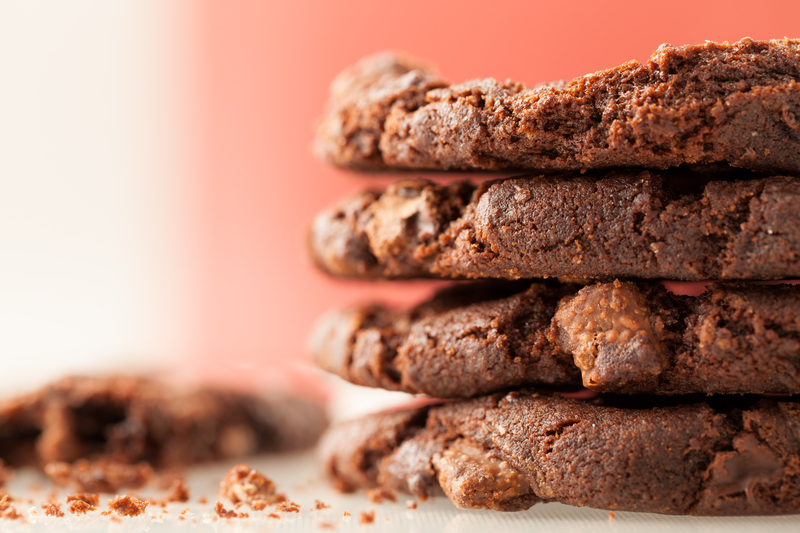


 The seven basic ingredients in all cookies are flour, fat, sugar, eggs, leavening agents, salt, and flavoring. Each ingredient performs a specific function that affects your final cookie’s texture and taste.
 Most cookies require seven basic ingredients: flour, sugar, butter, eggs, leavening agents, salt, and flavorings. Proper preparation of these ingredients before mixing affects texture, spread, and final taste. Temperature control and pan selection determine whether cookies turn out flat, cakey, or perfectly chewy.
 The seven basic ingredients in all cookies are flour, fat (butter or oil), sugar, eggs, leavening agents (baking soda or baking powder), salt, and flavorings (vanilla extract).
 Most cookies bake best at temperatures between 350°F and 375°F for 8 to 12 minutes. Temperature determines how quickly your cookies spread and set, while baking time controls moisture retention and texture development.
 Cookie spreading and uneven baking stem from incorrect ingredient ratios, improper temperatures, or measurement errors. Burnt bottoms typically result from dark pans or high oven temperatures, while undercooked centers indicate insufficient baking time or low heat.
 Sugar type and fat selection control cookie flavor depth and texture. Brown sugar adds moisture and chewiness through its molasses content, while granulated sugar promotes crispness and spread.
 Uniform cookie size ensures even baking, while creative shapes and decorating techniques transform basic cookies into eye-catching treats.
 Proper cooling prevents condensation that leads to soggy cookies and mold. Freezing cookies in zip-top bags preserves both flavor and texture for up to five days better than any room-temperature method.
 Advanced cookie techniques involve layering complementary flavors and adapting recipes for specific dietary needs without compromising texture or taste.
 Great cookies come from the right balance of ingredients, technique, and baking time. Small adjustments can make a big difference in texture, flavor, and consistency.


