Does Baking Relieve Stress? The Science and Benefits Explained
When you feel stressed, baking can help calm your mind and improve your mood.
Research shows that baking reduces stress by helping you focus on the present moment, engage your senses, and create something tangible from start to finish.
This activity gives you a break from worries about the past or future. Baking works through several pathways in your brain and body. The repetitive actions of measuring and mixing create a calming rhythm.
The process requires enough attention to distract you from stressful thoughts but remains simple enough to feel manageable. You gain a sense of control when you follow a recipe and see clear results.
The benefits extend beyond just feeling calmer while you bake. This hobby builds creativity, connects you with happy memories, and helps you share kindness with others. Scientists have studied how baking affects mental health, and the results support what many home bakers already know.
Whether you want to understand why baking feels therapeutic or learn how to use it for stress relief, the evidence shows this simple activity offers real psychological and emotional benefits.
How Baking Reduces Stress: The Psychological Explanation
Baking reduces stress by engaging specific psychological mechanisms that shift brain activity away from anxiety-producing thoughts. The process activates mindfulness, creates flow states through focused attention, and provides therapeutic benefits through repetitive physical movements.
Engaging the Mind in Mindfulness
Baking requires you to focus on immediate sensory experiences like measuring flour, watching dough rise, and smelling vanilla extract. This sensory engagement keeps your attention in the present moment rather than ruminating on past events or future worries. When you concentrate on following a recipe’s specific steps, your brain has less capacity to process stress-inducing thoughts.
The mindful aspects of baking include feeling dough texture between your fingers and observing color changes as bread browns. These tangible experiences ground you in physical reality. Research shows that creative activities improve overall well-being by redirecting mental energy toward constructive tasks.
Flow State and Focused Attention
Your brain enters a flow state when baking demands complete concentration on sequential tasks. Following recipe instructions step-by-step occupies your working memory and leaves minimal room for anxious thinking patterns. This focused attention acts as a healthy distraction that provides temporary relief from stressors.
The structured nature of recipes guides your attention through a clear beginning, middle, and end. You must measure ingredients accurately, time each step correctly, and monitor temperature changes. This organized progression keeps your mind engaged without overwhelming it.
Repetitive Motion as Therapy
Physical actions like kneading dough, stirring batter, and rolling out pastry provide therapeutic benefits through rhythmic movement. These repetitive motions create a calming effect similar to meditation practices. Your hands stay busy with productive work while your nervous system gradually shifts from fight-or-flight mode to a relaxed state.
The tactile experience of working with ingredients offers sensory feedback that anchors you in the present. Kneading bread dough for ten minutes requires sustained physical effort that releases muscle tension accumulated during stressful periods.
Physical and Sensory Benefits of Baking
Baking relieves stress through physical movements like kneading and stirring that lower cortisol levels while engaging multiple senses simultaneously. The tactile experience of working with dough, combined with the warmth from an oven and the smell of fresh bread, creates a calming effect on your nervous system.
The Role of Repetition and Routine
Repetitive actions in baking trigger serotonin release in your brain. When you knead dough or stir batter, these rhythmic movements activate the same neural pathways as meditation. The predictable steps of following a recipe create structure that reduces mental chaos.
Measuring ingredients requires focus on the present moment. You must concentrate on exact amounts and timing, which prevents your mind from dwelling on stressors.
Sensory Stimulation and Relaxation
Baking activates all five senses at once. The scent of vanilla or cinnamon can lower your heart rate. The texture of flour between your fingers provides tactile feedback that grounds you in the moment.
Heat from the oven warms your kitchen and creates a comfortable environment. Watching dough rise or cookies brown gives you visual confirmation of progress. The taste of your finished product provides immediate reward feedback.
Physical Acts and Their Calming Effects
Kneading dough works your arm muscles and releases physical tension. The pressure required to roll out pastry or mix thick batter channels nervous energy into productive movement. Standing and moving around your kitchen increases blood flow and oxygen to your brain, which improves mood naturally.
Baking as a Hobby: Emotional and Cognitive Rewards
Baking as a hobby provides measurable emotional benefits including improved mood, reduced stress hormones, and increased self-esteem through task completion. The activity engages cognitive skills like planning, measurement, and problem-solving while offering creative outlets for self-expression.
Sense of Accomplishment and Control
You gain a tangible sense of achievement when you transform raw ingredients into a finished product. Following a recipe from start to finish activates your executive functioning skills through measuring, timing, and sequencing steps. Each completed bake reinforces your ability to plan and execute tasks successfully.
The structured nature of recipes provides predictability in uncertain times. You control every variable from ingredient selection to baking temperature. This control extends to problem-solving when recipes don’t work as planned, teaching you adaptability and resilience through trial and error.
Boosting Mood and Self-Esteem
Research shows that daily creative activities like baking correlate with improved emotional well-being. You experience mood elevation through both the baking process and the act of sharing your creations with others. Sharing baked goods creates social bonds and increases feelings of belonging.
Your confidence grows with each successful bake. The visible proof of your skills sitting on the counter reinforces positive self-perception. Even failed attempts build psychological resilience as you learn to accept imperfection and try again.
Creative Expression Through Baking
You express creativity through flavor combinations, decorating choices, and recipe modifications. Baking allows experimentation without requiring artistic training or expensive materials. You decide ingredient ratios, presentation styles, and flavor profiles based on your preferences.
The creative process engages multiple senses simultaneously. You work with different textures, observe color changes during baking, and smell developing aromas. This sensory engagement keeps you focused on the present moment while producing something uniquely yours.
The Social Advantages of Baking
Baking relieves stress partly through its ability to strengthen social connections and create opportunities for community engagement. Sharing food you made and participating in group baking activities both reduce feelings of isolation while building meaningful relationships.
Sharing Baked Goods and Social Bonds
Sharing what you bake creates direct social connections that lower stress levels. When you give cookies or bread to neighbors, friends, or coworkers, you express care in a tangible way. This act of giving triggers positive emotions in both you and the recipient.
The exchange builds trust and strengthens existing relationships. You create a reason to interact with people you might not otherwise talk to regularly. A plate of muffins becomes a conversation starter that can lead to deeper connections.
Food gifts also help you celebrate milestones or offer comfort during difficult times. The act of making something specifically for another person gives you purpose and shifts focus away from your own stressors.
Baking in Groups and Community Building
Baking with others provides immediate stress relief through shared activity and conversation. Local baking classes or informal kitchen gatherings with friends create structured social time. You work toward a common goal while learning from each other.
Online baking communities offer connection even when in-person meetings aren’t possible. These groups let you share recipes, troubleshoot problems, and celebrate successes with people who have similar interests.
Group baking reduces the pressure of perfectionism because everyone faces the same challenges. You see others make mistakes and recover, which normalizes the learning process. The collaborative environment builds support networks that extend beyond the kitchen.
Baking and Mental Health: What the Research Shows
Research confirms that baking reduces stress and improves mental health through measurable psychological and physiological changes. Studies link baking activities to lower anxiety, better mood regulation, and improved emotional resilience.
Scientific Studies on Baking and Stress Relief
A 2016 study by Tamlin and colleagues found that everyday creative activities like baking are linked with improved mood and emotional well-being. The research measured participants’ emotional states before and after baking sessions.
Baking stimulates the release of endorphins in your brain. These hormones improve your mood and reduce your stress levels naturally.
Repetitive movements during baking help regulate your nervous system. Whisking, kneading, and stirring activate calming responses in your body. Van der Kolk’s 2014 research showed that rhythmic movements lower stress markers in the body.
Baking for Different Mental Health Needs
Neurodiverse individuals benefit from baking’s structured format and sensory elements. People with ADHD find that recipe steps provide order and help with focus. Those with autism respond well to the sensory experiences of measuring, mixing, and feeling different textures.
Baking builds practical skills without feeling like therapy. You learn to follow steps, manage time, and adjust when things go wrong. These skills strengthen your planning abilities and flexibility.
For depression and anxiety, baking promotes mindfulness by keeping you focused on the present moment. The smells, textures, and physical actions engage your senses and calm racing thoughts.
Long-Term Effects on Wellbeing
Regular baking practice builds psychological skills that extend beyond the kitchen. You develop patience through waiting for dough to rise or cookies to bake. Adaptability grows when you adjust recipes or fix mistakes.
Sharing baked goods creates social connections that support mental health. A 2019 study by Woolley and Fishbach found that sharing food fosters belonging and strengthens emotional well-being.
Baking teaches self-compassion when results don’t match expectations. Failed recipes become learning opportunities rather than sources of shame.
Practical Tips for Stress-Relief Through Baking
Baking reduces stress most effectively when you choose simple recipes, focus on the sensory experience rather than perfect results, and integrate it into a regular self-care schedule. These strategies maximize the calming benefits while minimizing frustration.
Choosing Stress-Free Recipes
Start with recipes that have fewer than eight ingredients and require minimal techniques. Simple brownies, basic cookies, or quick breads work better for stress relief than complex pastries with multiple steps.
Choose recipes you can complete in under 90 minutes from start to finish. Long wait times between steps can increase anxiety rather than reduce it.
Easy starter options:
One-bowl banana bread
Three-ingredient peanut butter cookies
Box mix modifications with added personal touches
Avoid recipes that require special equipment or hard-to-find ingredients.
Focusing on the Process Over Perfection
Pay attention to physical sensations during baking rather than worrying about the final product. Notice the texture of flour between your fingers or the smell of vanilla extract.
Mistakes teach resilience and adaptability. A sunken cake or flat cookies still provide the stress-relieving benefits of the baking process itself.
Set your goal as completing the activity, not creating bakery-quality results.
Incorporating Baking Into Self-Care Routines
Schedule specific baking times weekly rather than waiting for high-stress moments. Sunday afternoons or weekday evenings work well for most people.
Bake for others to add social connection benefits. Share finished items with neighbors, coworkers, or family members.
Create a calming environment by playing background music, clearing your workspace, and gathering all ingredients before starting.
Recommended Baking Cookbooks
If you’re looking to sharpen your baking skills or simply add a few dependable recipes to your collection, these cookbooks are excellent additions for home bakers of all levels.
From beginner-friendly cakes and cookies to bakery-style desserts and effortless homemade bread, each one offers a different approach to baking success.
Sally’s Baking 101: Foolproof Recipes from Easy to Advanced — A fantastic step-by-step guide packed with approachable recipes, troubleshooting tips, and techniques that help beginners gain confidence while still offering enough depth for experienced bakers.
Sprinkles Baking Book: 100 Secret Recipes from Candace’s Kitchen — Perfect for dessert lovers who want bakery-style cupcakes, cookies, cakes, and frostings inspired by the famous Sprinkles bakery, with recipes that balance elegance and accessibility.
The No-Fuss Bread Machine Cookbook: Hands-Off Recipes for Perfect Homemade Bread — Ideal for busy home bakers, this cookbook focuses on simple, reliable bread machine recipes that make fresh homemade bread easy with minimal hands-on effort.
In the end, the best baking cookbook is the one that matches your style and skill level. Whether you want to master classic desserts, recreate bakery favorites, or simplify homemade bread baking, these books offer reliable recipes and practical guidance that can make time in the kitchen more enjoyable and rewarding.
FAQ: Does Baking Relieve Stress?
Baking is often described as a calming activity, but its effects on stress are linked to focus, routine, and sensory engagement.
Does Baking Relieve Stress?
Yes, baking can help reduce stress for many people by providing a structured, hands-on activity that encourages focus and distracts from daily worries.
Why Is Baking Considered Relaxing?
Baking is calming because it involves:
Repetitive actions like mixing and kneading
Clear step-by-step instructions
Sensory engagement through smell, touch, and sight
Can Baking Improve Mental Well-Being?
Yes, it may support mental well-being by promoting mindfulness, routine, and a sense of accomplishment when the final product is completed.
How Does Focus in Baking Reduce Stress?
Baking requires attention to timing and measurements, which shifts focus away from stressful thoughts and encourages present-moment awareness.
Does the Smell of Baking Affect Mood?
Yes, pleasant aromas from baked goods can trigger positive emotional responses and create a comforting environment.
Is Baking a Form of Therapy?
Baking is not a formal therapy, but it is often used as a therapeutic activity in stress management and mindfulness practices.
Can Baking Help with Anxiety?
It may help some people manage mild anxiety by providing structure and a calming, repetitive task, but results vary by individual.
Does Sharing Baked Goods Reduce Stress?
Yes, sharing food can increase social connection and satisfaction, which may contribute to improved mood.
Are All Cooking Activities as Relaxing as Baking?
Not always. Baking tends to be more structured and predictable, while general cooking can be faster-paced and less precise.
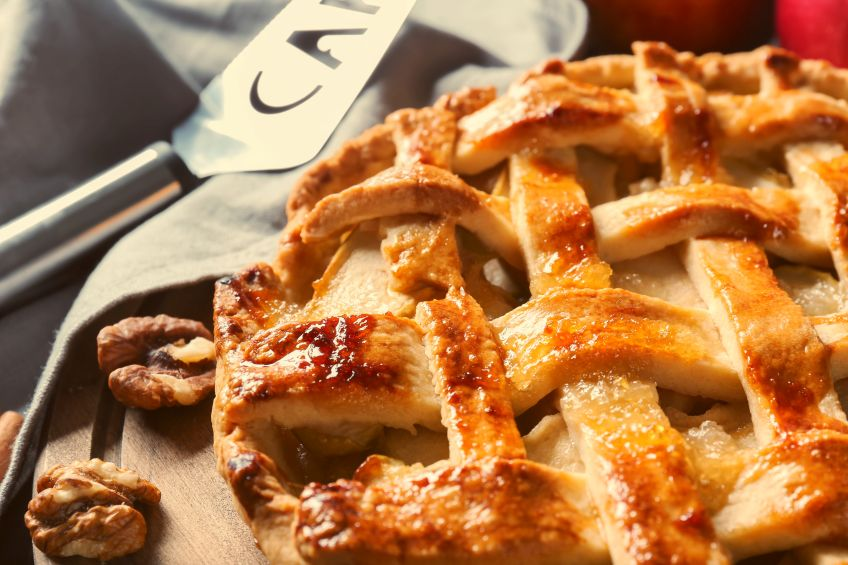

 When you feel stressed, baking can help calm your mind and improve your mood.
 Baking reduces stress by engaging specific psychological mechanisms that shift brain activity away from anxiety-producing thoughts. The process activates mindfulness, creates flow states through focused attention, and provides therapeutic benefits through repetitive physical movements.
 Baking relieves stress through physical movements like kneading and stirring that lower cortisol levels while engaging multiple senses simultaneously. The tactile experience of working with dough, combined with the warmth from an oven and the smell of fresh bread, creates a calming effect on your nervous system.
 Baking as a hobby provides measurable emotional benefits including improved mood, reduced stress hormones, and increased self-esteem through task completion. The activity engages cognitive skills like planning, measurement, and problem-solving while offering creative outlets for self-expression.
 Research confirms that baking reduces stress and improves mental health through measurable psychological and physiological changes. Studies link baking activities to lower anxiety, better mood regulation, and improved emotional resilience.
 Baking reduces stress most effectively when you choose simple recipes, focus on the sensory experience rather than perfect results, and integrate it into a regular self-care schedule. These strategies maximize the calming benefits while minimizing frustration.
 If you’re looking to sharpen your baking skills or simply add a few dependable recipes to your collection, these cookbooks are excellent additions for home bakers of all levels.
 Baking is often described as a calming activity, but its effects on stress are linked to focus, routine, and sensory engagement.


