What 5 Things Affect the Baking Process? Key Factors Explained
Baking requires control over specific factors that determine whether your cake rises properly or your bread turns dense. Small changes in how you measure, mix, or heat your ingredients can create completely different results.
The five main things that affect the baking process are ingredient quality and selection, leavening agents and structure development, measurement and precision, temperature control, and the chemical and physical reactions that occur during mixing and baking.
Each of these factors works together to create the texture, flavor, and appearance of your baked goods. When you understand how flour proteins form gluten networks or how oven heat causes dough to rise, you gain control over your results. This knowledge helps you fix problems when recipes don’t work as expected.
This article explains how each factor influences what happens to your dough or batter from the moment you mix ingredients to when you pull the finished product from the oven. You’ll learn what causes common baking failures and how to adjust your methods for better outcomes every time you bake.
Ingredient Quality and Selection
The ingredients you choose directly control the texture, structure, and flavor of your baked goods. Higher quality ingredients contain consistent protein levels, moisture content, and fat composition that produce predictable results.
Types of Flour and Their Protein Content
All-purpose flour contains 10-12% protein and works for most baking projects. This moderate protein level creates enough gluten for structure without making baked goods tough.
Bread flour has 12-14% protein content. The higher protein creates stronger gluten networks that trap gas bubbles during fermentation. This produces the chewy texture bread requires.
Cake flour contains only 7-9% protein. The lower protein content results in less gluten formation, which creates tender, delicate crumbs in cakes and pastries.
Protein content determines gluten strength, which controls whether your baked goods turn out tender or chewy. Using bread flour in a cake recipe will produce a tough, rubbery texture. Using cake flour for bread will result in a weak structure that collapses.
Role of Fats and Oils
Butter contains about 80% fat and 15-18% water. It creates flaky layers in pastries and adds rich flavor to baked goods. The water content in butter turns to steam during baking, which helps create lift.
Oil is 100% fat with no water content. It produces extremely moist cakes and quick breads because the fat coats flour proteins and prevents gluten development.
Shortening is solid fat that remains stable at room temperature. It creates tender, crumbly textures in pie crusts and biscuits because it coats flour particles more effectively than butter.
Fats and oils tenderize baked goods by coating flour proteins and preventing gluten formation. They also trap air during mixing, which helps cakes rise. The type of fat you select changes both texture and moisture retention in the final product.
Function of Sugars and Sweeteners
Granulated sugar provides sweetness and helps create structure by interfering with gluten formation. It also feeds yeast in bread recipes and promotes browning through caramelization.
Brown sugar contains molasses, which adds moisture and creates a denser texture than granulated sugar. The molasses also contributes caramel notes and helps baked goods stay soft longer.
Powdered sugar dissolves instantly because of its fine texture. Bakers use it for smooth frostings and glazes where grainy texture would be noticeable.
Honey and molasses are liquid sweeteners that add moisture to recipes. They’re more hygroscopic than dry sugars, meaning they attract and hold water. This keeps baked goods moist for several days.
Sugars and sweeteners affect moisture retention, browning, and texture in addition to taste. Substituting one type for another changes how much liquid your recipe needs and how long the product stays fresh.
Impact of Eggs, Dairy, and Liquids
Eggs provide structure, leavening, and emulsification in baked goods. Egg whites contain proteins that trap air and create volume in angel food cakes and meringues. Egg yolks add fat, color, and richness while helping ingredients blend smoothly.
Milk adds moisture, flavor, and helps create a tender crumb through its fat and protein content. Buttermilk contains acid that reacts with baking soda to create lift. Yogurt provides both moisture and tang while tenderizing baked goods through its acidity.
Water activates gluten formation in flour and dissolves sugar and salt. It turns to steam during baking, which helps create lift and structure.
Liquids in baking control dough consistency and activate chemical reactions. The amount of liquid you use determines whether you get a stiff dough or thin batter. Fresh eggs and full-fat dairy products produce better results than low-quality alternatives because their protein and fat content is more consistent.
Leavening and Structure Development
Leavening agents create gas bubbles that expand during baking, transforming dense batters into light baked goods with open crumb structures. The development of proper structure depends on how these gases interact with proteins and starches during mixing, fermentation, and heat exposure.
Leavening Agents: Baking Powder, Soda, and Yeast
Chemical leavening agents work through acid-base reactions that produce carbon dioxide gas when mixed with liquid or exposed to heat. Baking soda requires an acidic ingredient like buttermilk or vinegar to activate, while baking powder contains both an acid (often cream of tartar) and a base, making it self-sufficient.
Double-acting baking powder releases gas twice: once when mixed with liquid and again when heated in the oven. This dual action gives you more flexibility during preparation and ensures consistent rise.
Yeast produces carbon dioxide through fermentation, a biological process where the organism consumes sugars and releases gas slowly over time. Fresh yeast, active dry yeast, and instant yeast all work the same way but require different handling. Sourdough relies on wild yeast and bacteria cultures that create both gas and acids that develop flavor.
You need to match your leavening agent to your recipe’s pH and timing requirements for optimal texture.
Fermentation and Proofing
Fermentation occurs when yeast breaks down sugars into carbon dioxide and alcohol, creating the gas pockets that give bread its airy structure. The temperature of your dough directly affects fermentation speed—warmer doughs ferment faster while cooler temperatures slow the process.
Proofing is the final rise before baking, where shaped dough expands as yeast continues producing gas. Under-proofed dough lacks volume and tears easily, while over-proofed dough collapses because weakened gluten can’t hold the gas.
You can test readiness with the poke test: gently press the dough and watch how it springs back. Properly proofed dough returns slowly, leaving a slight indentation.
Gluten Formation and Dough Handling
Gluten forms when two wheat proteins, glutenin and gliadin, combine with water and develop into elastic strands through mechanical action. These protein networks trap gas bubbles produced by leavening agents, creating the structural framework that holds your baked goods together.
The amount of gluten you develop determines your final texture. Bread requires strong gluten for chewy crumb, while cakes need minimal gluten for tenderness.
Hydration levels affect gluten strength—wetter doughs form more extensible gluten, while drier doughs create tighter networks. You control gluten development through ingredient selection (bread flour versus cake flour) and handling methods.
Impact of Mixing and Kneading
Mixing techniques determine how many air cells form in your batter or dough, establishing the foundation for leavening. Under-mixed batters lack sufficient air pockets, resulting in dense texture and low volume. Over-mixed batters create too many weak cell walls that collapse during baking, leaving a gummy layer at the bottom.
Kneading develops gluten by repeatedly stretching and folding the dough, aligning protein strands into organized networks. Hand kneading takes 8-10 minutes, while stand mixers reduce this to 5-7 minutes on medium speed.
Different mixing methods produce different crumb structures. The creaming method beats sugar into fat to incorporate air, while the muffin method gently folds wet and dry ingredients to preserve tenderness. Your choice of technique must match your desired outcome.
Measurement and Precision in Baking
Accurate measurement controls the chemical reactions that determine texture, rise, and structure in baked goods. Small errors in measuring ingredients can cause dense cakes, flat cookies, or bread that fails to rise properly.
Importance of Accurate Measuring Tools
Quality measuring tools ensure consistent results by delivering the exact amounts of flour, sugar, liquid, and leavening agents your recipe requires. A kitchen scale provides the most reliable measurements because it eliminates the variability that comes with packed or loosely filled measuring cups.
Measuring cups work for liquids but can introduce errors with dry ingredients like flour. Scooping flour directly from the bag compacts it, adding up to 25% more flour than the recipe needs. This extra flour makes baked goods dry and heavy.
Essential measuring tools include:
Digital kitchen scale (accurate to 1 gram)
Liquid measuring cups with clear markings
Dry measuring cups in standard sizes
Measuring spoons for small quantities
Professional bakers rely on scales because they produce the same results every time. Home bakers who switch to weighing ingredients see immediate improvements in their baking outcomes.
Weighing Versus Volume Measurement
Weight measurement in grams or ounces delivers greater accuracy than volume measurement in cups and tablespoons. One cup of flour can weigh anywhere from 120 to 150 grams depending on how you fill the cup.
Volume measurements work well for liquids like water, milk, and oil because these ingredients maintain consistent density. Dry ingredients change volume based on how they settle, how much air they contain, and whether they clump together.
A kitchen scale removes this guesswork by measuring the actual mass of ingredients. When you weigh 240 grams of flour, you get exactly that amount regardless of how the flour is packed. This consistency matters most for ingredients that form the structure of baked goods.
Measurement Method
Best For
Accuracy Level
Weight (grams)
All dry ingredients
Highest
Volume (cups)
Liquids only
Medium
Volume (tablespoons)
Small quantities
Lowest
Many modern recipes list ingredients by weight first, then volume as a backup option.
Common Measurement Mistakes
Adding too much flour ranks as the most frequent measuring error in home baking. This happens when you scoop flour with the measuring cup instead of spooning it in and leveling it off. The extra flour absorbs moisture and creates dense, dry results.
Measuring brown sugar incorrectly also affects recipes because brown sugar must be packed firmly into the measuring cup. Loose brown sugar provides less sweetness and moisture than the recipe expects.
Frequent measurement errors include:
Not leveling off dry ingredients with a straight edge
Using liquid measuring cups for flour
Guessing at partial measurements
Measuring ingredients after sifting when the recipe calls for sifting after measuring
Temperature affects ingredient volume too. Cold butter measures differently than room temperature butter because it occupies less space when solid.
Ingredient Proportions and Recipe Accuracy
Baking ratios determine how ingredients interact to create specific textures and structures. Bread requires a ratio of approximately 5 parts flour to 3 parts water, while cake uses equal parts flour, sugar, eggs, and butter by weight.
Changing these proportions alters the final product significantly. Adding extra sugar makes cookies spread more during baking. Reducing eggs makes cakes dense instead of light. Each ingredient plays a specific role in the chemical reactions that occur when heat is applied.
Professional recipes use baker’s percentages, where flour always equals 100% and other ingredients are measured as percentages of the flour weight. This system lets bakers scale recipes up or down while maintaining the correct proportions.
Ingredient quality matters alongside measurement because fresh baking powder produces more lift than expired powder, even when measured correctly. The protein content in flour varies by brand, affecting how much liquid the dough absorbs.
Temperature Factors and Their Effects
Temperature control affects ingredient behavior, heat transfer rates, and the timing of chemical reactions during baking. The temperature of your ingredients, oven, and kitchen environment determines texture, rise, and browning in baked goods.
Controlling Ingredient Temperatures
Ingredient temperature changes how fats, proteins, and liquids interact during mixing and baking. Cold butter creates flaky layers in pastries because it stays solid during mixing and melts in the oven, forming steam pockets. Room temperature butter blends smoothly into batters for cakes and cookies.
Room temperature eggs mix more easily into batters than cold eggs. Warm eggs also help create more volume when whipped because the proteins unfold faster at higher temperatures.
Most recipes specify ingredient temperatures for a reason. Using cold ingredients when a recipe calls for room temperature can result in dense textures or poor mixing. Butter at 65-68°F is soft enough to cream but firm enough to trap air bubbles.
Oven Temperature and Heat Transfer
Oven temperature determines the rate of heat transfer into your baked goods through three methods: conduction, convection, and radiation. Higher temperatures speed up starch gelatinization, protein denaturation, and moisture evaporation.
Heat moves into baked goods through the pan (conduction), hot air circulation (convection), and oven walls (radiation). Each method affects the final product differently. Radiation browns the top surface quickly. Conduction from the pan sets the bottom crust first.
Temperature in different oven zones controls when specific reactions occur. Yeast dies at 140°F, proteins set between 150-165°F, and starches gelatinize at 180-212°F. These thermal events must happen in the correct sequence for proper texture.
Room Temperature Versus Chilled Ingredients
Room temperature ingredients incorporate more evenly and create better structure than chilled ingredients. Butter at 68-70°F creams properly with sugar, creating air pockets that expand during baking. Cold butter won’t trap air effectively and produces dense results in cakes.
Chilled ingredients work better for specific applications. Cold butter in pie dough stays solid longer, creating distinct fat layers that make flaky crusts. Cold cream whips faster and holds peaks better than warm cream.
The temperature difference between ingredients affects emulsions. Room temperature eggs and butter blend into stable emulsions. Cold ingredients can cause batters to break or curdle because the fat solidifies when it contacts cold liquids.
Baking Time and Oven Thermometers
Baking time depends directly on oven temperature accuracy and heat distribution patterns. An oven thermometer measures actual temperature versus the dial setting because most ovens run 25°F hotter or cooler than indicated.
Set your oven thermometer on the middle rack where you place most baked goods. Check it after the oven preheats for 20 minutes. Adjust your temperature dial to compensate for any difference between the thermometer reading and your target temperature.
Baking time shortens as temperature increases, but this changes product quality. Bread baked at 425°F for 20 minutes develops a thick crust. The same bread at 350°F for 35 minutes creates a thinner, softer crust with more even interior texture.
Understanding Chemical and Physical Reactions
Baking transforms ingredients through specific chemical reactions that create structure, color, and flavor. Heat triggers the Maillard reaction for browning, caramelization for sweetness, protein coagulation for firmness, and starch gelatinization for moisture absorption.
Maillard Reaction and Browning
The Maillard reaction starts at 280°F when amino acids from proteins combine with sugars to create brown color and savory flavors. This reaction produces hundreds of flavor compounds that give bread crusts, cookies, and roasted surfaces their characteristic taste and golden appearance.
You’ll see this reaction most on the outer surfaces of your baked goods where temperatures reach the highest points. The process requires both proteins and reducing sugars to occur. Bread crust develops its deep brown color and complex flavor profile through extended Maillard browning.
The reaction intensity depends on temperature, time, pH level, and moisture content. Higher oven temperatures speed up browning, while acidic ingredients slow it down. Alkaline conditions like adding baking soda to pretzel dough create darker, more pronounced browning.
Role of Caramelization
Caramelization begins at 356°F when sugar molecules break down from direct heat exposure without requiring proteins. This reaction releases water as steam while forming new compounds that taste sweet, nutty, and slightly bitter.
Different sugars caramelize at different temperatures. Fructose starts breaking down at 230°F, while glucose requires 320°F. Sucrose falls in between at 356°F.
The process creates diacetyl during early stages, producing butterscotch notes. As heating continues, sugars break down further into darker compounds with more bitter flavors. You control the final taste by adjusting temperature and baking time.
Protein Coagulation and Starch Gelatinization
Protein coagulation occurs when egg proteins and gluten strands firm up from heat, setting the structure of your baked goods. Eggs begin coagulating at 140°F and fully set by 180°F. This reaction transforms liquid batters into solid cakes.
Starch gelatinization happens when starch granules absorb water and swell at 140°F. The granules burst and release starch molecules that thicken the mixture and trap moisture. This process creates the soft interior texture in breads and cakes.
Flour contains two types of starch: amylose and amylopectin. Both absorb water during baking but create different textures. Proper gelatinization requires sufficient water and heat to complete the reaction.
Oven Spring and Crust Formation
Oven spring is the rapid expansion that occurs in the first 10-15 minutes of baking when trapped gases expand from heat. Carbon dioxide from leavening agents and water vapor increase in volume by up to 50% before proteins set.
Steam inside the dough creates pressure that pushes against gluten walls. This expansion continues until the internal temperature reaches 140-180°F, when proteins coagulate and starches gelatinize to lock in the structure.
Crust formation happens when surface moisture evaporates and the Maillard reaction begins. The outer layer dries out faster than the interior, creating a firm barrier. Adding steam to your oven during the first few minutes delays crust formation and allows greater oven spring.
Mixing Methods and Common Mistakes
Mixing methods directly affect gluten development, air incorporation, and ingredient distribution in baked goods. The way you combine ingredients determines texture, rise, and overall quality of your final product.
Overmixing and Its Consequences
Overmixing develops too much gluten in your batter or dough, creating tough and dense baked goods. When you mix flour with liquid, gluten proteins form strands that become stronger with continued mixing.
Cakes and muffins suffer the most from overmixing. You will notice tunnels or holes inside the crumb and a chewy texture instead of a tender one. Quick breads become rubbery rather than soft.
The damage happens quickly once dry ingredients meet wet ones. Stop mixing as soon as you no longer see dry flour. Small lumps in muffin or pancake batter are normal and will bake out.
Bread dough requires more mixing to develop gluten for structure. However, even bread can become overworked. The dough will tear easily and fail to hold its shape if you knead too long.
Choosing the Correct Mixing Technique
Different recipes require specific mixing techniques based on the desired texture and structure. The creaming method beats butter and sugar together to create air pockets for light cakes and cookies. The muffin method combines wet and dry ingredients separately, then gently folds them together for tender quick breads.
Common mixing techniques include:
Creaming: Beating butter and sugar until fluffy for cookies and cakes
Folding: Gently combining ingredients to preserve air for delicate batters
Cutting: Working cold fat into flour for flaky pie crusts and biscuits
Beating: Vigorous mixing to incorporate air into egg whites or cream
Match your technique to your recipe type. Use gentle folding for muffins and quick breads. Apply the creaming method for butter-based cakes. Cut in fat for pastries that need flaky layers.
Critical Points for Baking Success
Stop mixing immediately when ingredients are just combined for most batters. You should still see a few small flour streaks in quick bread batters. This prevents gluten overdevelopment and maintains a tender crumb.
Temperature affects mixing results significantly. Room temperature butter creams better with sugar than cold butter. Cold butter works best for pie crusts when cut into flour.
Watch for visual cues rather than mixing for a set time. Properly creamed butter and sugar looks pale and fluffy. Correctly folded batter shows no dry ingredients but remains slightly lumpy.
FAQ: What 5 Things Affect the Baking Process?
Baking is a precise process where small changes can greatly affect the final result. Understanding the main factors involved can help improve consistency, texture, and flavor.
What Are the 5 Main Things That Affect the Baking Process?
The five key factors are:
Ingredients
Temperature
Measurements
Mixing method
Baking time
Each one influences how baked goods rise, cook, and taste.
How Do Ingredients Affect Baking?
Ingredients determine structure, texture, flavor, and moisture. For example:
Flour provides structure
Sugar affects sweetness and softness
Eggs help bind ingredients together
Why Is Temperature Important in Baking?
Temperature controls how ingredients react during baking. Incorrect oven temperatures can lead to uneven cooking, poor rising, or dry texture.
How Do Measurements Impact Baking Results?
Baking requires precise measurements because even small differences can change:
Texture
Moisture
Consistency
Rise
Why Does Mixing Method Matter?
The way ingredients are mixed affects gluten development, air incorporation, and final texture. Overmixing or undermixing can change the outcome significantly.
How Does Baking Time Affect the Final Product?
Baking time determines whether food is fully cooked.
Too little time can leave products undercooked
Too much time can dry them out or burn them
Can Oven Type Affect Baking?
Yes, different ovens heat differently. Convection ovens, gas ovens, and electric ovens may require slight adjustments in time or temperature.
Does Ingredient Temperature Matter?
Yes, ingredients like butter, milk, and eggs can behave differently depending on whether they are cold or room temperature.
Why Is Baking More Precise Than Cooking?
Baking relies on chemical reactions that depend on exact ratios and controlled conditions, making precision more important.
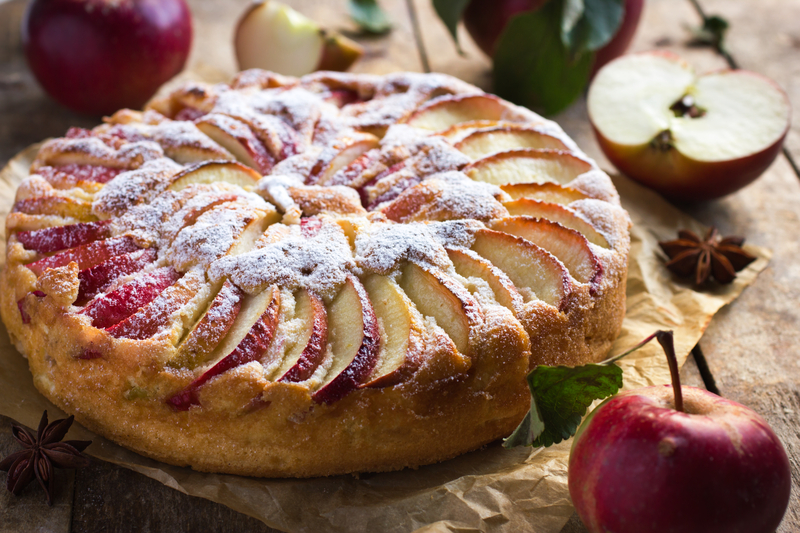

 Baking requires control over specific factors that determine whether your cake rises properly or your bread turns dense. Small changes in how you measure, mix, or heat your ingredients can create completely different results.
 The ingredients you choose directly control the texture, structure, and flavor of your baked goods. Higher quality ingredients contain consistent protein levels, moisture content, and fat composition that produce predictable results.
 Leavening agents create gas bubbles that expand during baking, transforming dense batters into light baked goods with open crumb structures. The development of proper structure depends on how these gases interact with proteins and starches during mixing, fermentation, and heat exposure.
 Accurate measurement controls the chemical reactions that determine texture, rise, and structure in baked goods. Small errors in measuring ingredients can cause dense cakes, flat cookies, or bread that fails to rise properly.
 Temperature control affects ingredient behavior, heat transfer rates, and the timing of chemical reactions during baking. The temperature of your ingredients, oven, and kitchen environment determines texture, rise, and browning in baked goods.
 Baking transforms ingredients through specific chemical reactions that create structure, color, and flavor. Heat triggers the Maillard reaction for browning, caramelization for sweetness, protein coagulation for firmness, and starch gelatinization for moisture absorption.
 Mixing methods directly affect gluten development, air incorporation, and ingredient distribution in baked goods. The way you combine ingredients determines texture, rise, and overall quality of your final product.
 Baking is a precise process where small changes can greatly affect the final result. Understanding the main factors involved can help improve consistency, texture, and flavor.


