Is it Better to Bake Bread at High Heat or Low Heat? Exploring the Optimal Temperature for Perfect Loaves
Baking bread is an art that balances technique and temperature.
Many bakers wonder whether high heat or low heat yields the best results.
The answer largely depends on the type of bread being made and the desired outcome, with high heat often creating a crustier loaf while low heat can result in a softer texture.
Understanding the implications of temperature can elevate a baker’s skills.
For lean doughs, such as baguettes, high heat creates the perfect crust and enhances flavor through better browning.
Conversely, enriched breads benefit from lower temperatures to ensure even cooking without burning.
Exploring these temperature differences helps bakers achieve specific textures and flavors in their bread.
Each approach has its merits, and understanding them will allow for more successful and satisfying baking experiences.
The Science of Bread Baking
Baking bread involves several scientific processes that transform simple ingredients into a flavorful loaf.
The main elements at play are heat, moisture, and time.
Heat plays a crucial role in activating yeast.
At higher temperatures, yeast ferments more rapidly, producing carbon dioxide.
This gas gets trapped in the dough, causing it to rise.
In contrast, lower temperatures slow fermentation.
This can lead to a denser texture but allows for more complex flavors to develop through prolonged fermentation.
Moisture is another vital factor.
Steam created during baking keeps the crust soft initially, allowing for better expansion.
As baking continues, the crust hardens, providing texture.
Key Factors in Bread Baking:
Temperature: Higher temperatures yield a crusty exterior.
Humidity: A steamy environment during the first phase enhances oven spring.
Time: Longer fermentation periods improve flavor.
The Maillard reaction also occurs during baking.
This reaction contributes to the browning of the crust and enhances the flavor profile.
Understanding these processes empowers bakers to experiment with heat levels for different results.
Each variable affects the final product, allowing for personalization in bread-making techniques.
Comparing High Heat and Low Heat Baking
Choosing between high heat and low heat for baking affects the texture, crust, and flavor of bread.
Each method brings unique qualities that cater to different preferences and recipes.
Effects of High Heat
Baking bread at high temperatures, typically between 400°F to 500°F (204°C to 260°C), results in a rapid crust formation.
This process helps develop a crispy exterior while maintaining a soft and airy interior.
High heat enhances the Maillard reaction, which contributes to a rich, complex flavor and an appealing golden-brown color.
Certain bread types, like artisan loaves or baguettes, thrive in high heat.
Crust Texture: Crisp and crunchy.
Internal Crumb: Light and airy.
Flavor Profile: Deep, caramelized notes.
However, it requires careful monitoring to avoid burning.
Effects of Low Heat
Low heat baking, usually ranging from 325°F to 375°F (163°C to 190°C), allows for even cooking throughout the loaf.
This method promotes gentle heat penetration, preventing sudden expansion that could lead to collapse.
Low heat can yield a softer crust, making it suitable for sandwich breads or enriched doughs.
Crust Texture: Softer and less crunchy.
Internal Crumb: Denser and moist.
Flavor Profile: Subtle, with less caramelization.
This approach may result in a longer baking time, requiring attention to achieve the desired result without dryness.
Impact on Different Types of Bread
The baking temperature significantly affects the texture and flavor of different types of bread.
Variations in heat can yield distinct results for lean dough breads versus enriched dough breads.
Lean Dough Breads
Lean dough breads, such as baguettes and ciabatta, rely on minimal ingredients—mainly flour, water, yeast, and salt.
Baking these breads at high heat creates a robust crust and promotes a desirable oven spring.
High temperatures, typically around 450°F to 500°F, facilitate rapid moisture evaporation, contributing to that crispy exterior.
The interior remains soft and chewy, which is key for the overall structure.
Conversely, baking at lower temperatures can lead to a thicker crust with less rise.
This method, often between 350°F and 400°F, may result in uneven textures and a denser loaf, less suited for lean bread varieties.
Enriched Dough Breads
Enriched dough breads include ingredients like butter, sugar, and eggs, creating a rich flavor profile.
Typical examples are brioche and challah.
These breads benefit from baking at moderate temperatures around 350°F to 375°F.
This allows for even cooking throughout, ensuring the interior sets without overbaking the crust.
A gentler heat helps preserve the moisture in the dough, which is crucial for achieving a tender crumb.
High heat, while it can create a pleasing visual appeal, may result in over-browned exteriors and undercooked centers.
Achieving the right balance in temperature enables the unique flavors and textures of enriched breads to shine.
Crust Development and Texture
The development of crust in bread is significantly influenced by the baking temperature.
High heat creates a crust that is crispy and well-defined, enhancing the flavor through caramelization and Maillard reactions.
At lower temperatures, the crust tends to be softer and chewier.
This can result in a less pronounced flavor and texture, which may be desirable for certain types of bread, such as sandwich loaves.
Benefits of High Heat
Crispy Texture: High temperatures promote rapid moisture evaporation, leading to a crispier crust.
Enhanced Flavor: The Maillard reaction occurs more vigorously, improving the bread’s overall flavor complexity.
Benefits of Low Heat
Even Cooking: Low temperatures allow for more uniform heat distribution throughout the loaf.
Moist Interior: A slower bake retains more moisture, resulting in a tender crumb.
Choosing the right temperature can depend on the desired characteristics of the finished bread.
Bakers often experiment with different heat levels to achieve the ideal balance of crust and texture.
Factors Affecting Baking Temperature
Baking temperature is influenced by several key factors.
Understanding these can help in achieving the desired bread characteristics.
1. Type of Bread Different bread recipes require different baking temperatures. For example, artisan breads often prefer higher heat to create a crust, while softer breads may bake well at lower temperatures.
2. Oven Type Conventional ovens, convection ovens, and even brick ovens can all affect baking temperature. Convection ovens circulate hot air, often allowing for lower temperature settings.
3. Humidity The moisture content in the air can influence baking. Higher humidity may require adjustments to temperature to ensure proper crust formation.
4. Dough Hydration Dough with higher hydration levels can benefit from different baking temperatures. Adjusting heat can help manage steam release and baking time.
5. Bakeware Materials of baking dishes also play a role. Metal pans heat up quickly, while glass or ceramic pots may retain heat longer and affect baking dynamics.
6. Size and Shape of Loaf Larger loaves may require longer baking times and careful temperature management to ensure even cooking throughout. Smaller rolls may need higher heat for rapid crust formation.
By considering these factors, bakers can optimize their methods for the best results.
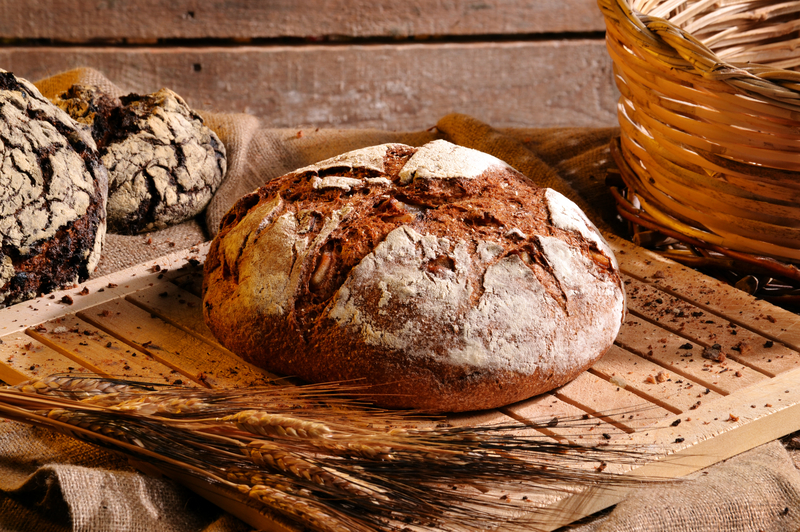


 The development of crust in bread is significantly influenced by the baking temperature.
  Baking temperature is influenced by several key factors.
 Professional bakers emphasize that the choice of baking temperature greatly influences the final product.
  When baking bread at home, temperature control is crucial.
  Baking bread involves several health and safety factors that bakers should be aware of.


