Should You Bake on the Top or Bottom Rack? Understanding Oven Heat Distribution
Where you place your oven rack matters more than most people realize.
The middle rack works best for most baking because it provides even heat, while the top rack is ideal for browning and the bottom rack creates crispy crusts.
Each position serves a specific purpose based on how heat moves through your oven.
Your baked goods can turn out undercooked, burnt, or unevenly browned if you use the wrong rack position. The top of your oven delivers more direct heat from above, which makes it perfect for finishing dishes with a golden top. The bottom generates intense heat that crisps up pizza and bread.
Understanding how each rack position affects your cooking will help you get better results every time. You’ll learn which position works best for different foods, how convection ovens change the rules, and practical tips to optimize your baking setup.
How Oven Rack Placement Affects Baking Results
Where you position your baking rack determines how heat reaches your food, which directly impacts browning, cooking time, and texture. The proximity to heating elements and air flow patterns change significantly between rack levels.
Heat Distribution in Modern Ovens
Your oven has heating elements at the top and bottom that create different heat zones. The top element provides direct heat from above, while the bottom element radiates heat upward. The middle area receives balanced heat from both sources.
Conventional ovens rely on natural heat rise. Hot air moves up from the bottom element, creating a temperature gradient. The top rack sits closest to the upper heating element and gets the most intense heat from above. The bottom rack receives strong direct heat from below.
Convection ovens use a fan to circulate hot air throughout the oven cavity. This creates more uniform temperatures across all rack positions. However, rack placement still matters because the distance from heating elements affects how quickly food cooks and browns.
The temperature difference between oven rack positions can vary by 25-50°F in conventional ovens. This variation explains why cookies brown too quickly on top racks or pie crusts stay pale on upper levels.
Air Circulation and Even Baking
Air needs space to move around your food for even baking. Each baking rack position affects how air circulates in the oven. The middle racks allow air to flow above and below your pan equally.
Top rack placement limits air circulation above your food. This position traps heat between the pan and the upper heating element. Bottom rack placement restricts airflow underneath but provides maximum heat to the base of your pan.
You should leave at least 2-3 inches between your pan and oven walls for proper air movement. When using multiple racks simultaneously, stagger your pans so they don’t sit directly above each other. This prevents the upper pan from blocking heat to the lower one.
Understanding Baking Rack Positions
Most ovens have 5-6 rack levels that serve specific purposes:
Top rack: Use this position for broiling or browning tops of casseroles and gratins. The intense overhead heat caramelizes surfaces quickly.
Upper-middle rack: This works well for foods that need top browning but not as intense as broiling.
Middle rack: This is your default position for cakes, cookies, scones, and bread. The balanced heat creates even baking throughout.
Lower-middle rack: Choose this for larger items like roasts that need even cooking without excessive top browning.
Bottom rack: Bake pies, pizza, and crusty bread here. The concentrated bottom heat cooks through thick crusts and dense fillings that insulate against heat penetration.
Top Rack: Direct Heat and Browning Techniques
The top oven rack sits closest to your oven’s upper heating element, making it the hottest spot for direct heat that browns and crisps food surfaces. This position works best when you want to add color, caramelize sugars, or create a crispy top layer on your dishes.
Broiling Foods for Crisp and Caramelized Tops
When you switch your oven to the broil setting, only the top heating element turns on. This creates intense, concentrated heat from above that browns food quickly.
You’ll use the top rack for broiling when you want to caramelize the sugar on crème brûlée or melt and brown cheese on top of dishes. The direct heat from above creates that golden, bubbly finish you see on lasagna or French onion soup.
The broiling process works differently than baking. Instead of surrounding food with even heat, it directs intense heat downward onto the top surface. This makes broiling perfect for finishing touches rather than cooking food all the way through.
Keep a close watch when broiling. The high heat can burn food in just a minute or two if you’re not careful.
Finishing Dishes on the Top Rack
You don’t need to cook an entire dish on the top rack to benefit from its browning power. Many recipes call for moving food to the top rack during the last few minutes of cooking.
Start your casserole or gratin on the middle rack where it cooks evenly. Then move it to the top rack for the final 5-10 minutes to brown the cheese or breadcrumb topping. This two-step approach ensures your dish cooks through without burning the top.
The same technique works for dishes that need both thorough cooking and a crisp top. You get the benefits of even middle-rack heat plus the browning power of the top position.
When to Use the Top Rack for Baking
The top oven rack isn’t just for broiling. You can use it with the regular bake setting when you want extra browning on top while your food cooks.
Dishes with thick, insulating fillings benefit from top rack placement. The additional heat from above helps brown the surface while the inside continues cooking. Think of gratins with cream-based fillings or thick casseroles.
Avoid using the top rack for delicate baked goods like cakes or cookies. These need even heat and will burn on top before cooking through on the bottom.
Middle Rack: The Go-To Choice for Most Baked Goods
The middle oven rack delivers the most consistent heat distribution for baking, making it the standard position for cakes, cookies, bread, and casseroles. This placement allows hot air to circulate evenly around your food, preventing burnt tops or undercooked bottoms.
Why the Middle Rack Is Preferred for Even Cooking
The middle rack sits in the sweet spot of your oven where heat flows most evenly from all directions. Hot air rises from the bottom heating element and circulates around the center cavity before escaping through vents at the top.
When you place food in the middle, it gets balanced exposure to heat from above and below. This prevents the common problems you see with other rack positions. Food on the top rack often browns too quickly on top while staying raw underneath. Bottom rack items frequently burn on the bottom before the top cooks through.
Your oven’s heating elements create temperature zones. The middle rack stays in the neutral zone where temperature stays most stable and predictable. This consistency matters because baking relies on precise temperatures to activate leavening agents and set structure properly.
Best Foods to Bake on the Middle Rack
Cakes benefit most from middle rack placement since they need gentle, even heat to rise uniformly without doming or cracking. Layer cakes, sheet cakes, and bundt cakes all perform best here.
Cookies bake evenly on the middle rack, developing golden edges and soft centers at the same rate. You can fit most cookie sheets comfortably at this height without items getting too close to heating elements.
Bread loaves require steady heat to develop proper crust and crumb structure. The middle position gives yeast breads time to rise fully before the exterior sets.
Casseroles cook through completely on the middle rack since the moderate heat penetrates thick layers of ingredients without scorching the top. Lasagna, baked pasta dishes, and gratins all work well here.
Muffins and quick breads also belong on the middle rack for the same reasons as cakes.
Tips for Consistent Results Using the Middle Oven Rack
Position your middle rack before preheating so you don’t need to adjust it while the oven is hot. The rack should sit with enough clearance above your baking dish for heat to circulate freely.
Leave at least two inches of space between your pan and the oven walls on all sides. This gap lets air move around your food for even baking. Crowding pans against the sides creates hot spots and uneven results.
Rotate your pans halfway through baking time if your oven has hot spots. Turn them 180 degrees so the back becomes the front. This simple step fixes minor temperature variations that exist in most home ovens.
Use light-colored metal pans on the middle rack for best results. Dark pans absorb more heat and can cause over-browning even in the optimal position.
Avoid opening the oven door repeatedly to check on your food. Each time you open it, the temperature drops 25 to 50 degrees and takes several minutes to recover. Trust your timer and only check near the end of baking time.
Bottom Rack: Achieving the Perfect Crust
The bottom oven rack places food closest to the heat source, which creates a crispy, well-browned bottom on baked goods and dishes. This position works best when you need direct heat from below to cook through thick layers or create a firm base.
When the Bottom Rack Works Best
The bottom rack position delivers the most direct heat to the underside of your food. Your oven’s heating element sits at the bottom, and this proximity means your baking dish receives intense, concentrated warmth from below.
This setup works perfectly when you’re baking items with thick or wet bases that need extra help getting firm and golden. Soggy bottoms happen when heat can’t reach the underside of your food effectively.
You should choose the bottom rack when starting a pie that has a lot of filling. The direct heat helps set the bottom crust before the top browns too much. Many bakers move their pies to the middle rack later to finish cooking evenly.
Bread also benefits from this position because the intense bottom heat creates what bakers call “oven spring.” This is when bread rises quickly in the first few minutes of baking, creating better texture and crust.
Foods That Benefit from Bottom Rack Placement
Pie needs the bottom rack for at least part of the baking time. Fruit pies with juicy fillings require strong bottom heat to cook the crust through the liquid. Custard pies like pumpkin also do well here because the filling is dense and wet.
Bread develops a better crust on the bottom rack. Rustic loaves, pizza dough, and focaccia get crispy bottoms from the direct heat. The bottom of your bread should sound hollow when you tap it.
Casseroles with pasta or potatoes benefit from bottom rack placement when you want the bottom layer crispy. This works well for baked ziti or scalloped potatoes where a golden bottom adds texture.
Other foods that work well on the bottom rack include:
Sheet pan pizzas
Roasted root vegetables
Cast iron skillet desserts
Thick quiches
Pot pies
Potential Pitfalls to Avoid
The biggest risk of bottom rack baking is burning the bottom of your food before the top cooks through. Dark-colored pans absorb more heat and increase this risk. Switch to lighter metal pans or add a baking sheet underneath to create a buffer.
Delicate baked goods like cookies and cakes should stay off the bottom rack. They’ll burn on the bottom while staying raw in the middle. These items need even heat from all sides.
Watch your food carefully when using the bottom position. Check the bottom by lifting the edge with a spatula partway through baking. If it’s browning too fast, move your dish up to the middle rack to finish cooking.
Don’t place food directly on the oven floor. This creates uneven hot spots and can damage your oven. Always use a rack, even the lowest one.
Oven Rack Positioning for Specific Recipes
Different recipes need different rack positions to bake properly. Cookies bake best in the middle for even browning, while pies need bottom heat to avoid soggy crusts, bread benefits from lower placement for a crisp base, and casseroles often start in the middle before moving to the top for browning.
Cookies: Ensuring Even Color and Texture
You should bake cookies on the middle rack for the most consistent results. This position keeps your cookies away from both heating elements, which prevents the tops from browning too quickly or the bottoms from burning.
The middle rack allows heat to circulate evenly around each cookie sheet. Your cookies will develop a uniform golden color and texture throughout. If you place cookies on the bottom rack, the bottoms often turn dark brown or burn before the tops finish baking.
When you need to bake two sheets at once, use the racks just above and below the true middle position. Rotate the pans halfway through baking time. Switch their positions too—move the top pan to the bottom rack and the bottom pan to the top rack. This helps both batches bake evenly despite not being in the ideal middle position.
Pies: Preventing Soggy Bottoms
Bottom rack placement is essential for baking pies with fully cooked crusts. The filling in a pie acts as insulation that blocks heat from reaching the bottom crust. Without extra heat from below, you’ll end up with a pale, undercooked, or soggy bottom crust even when the top looks done.
Place your pie on the bottom rack from the start. The concentrated heat from the lower heating element helps the bottom crust brown and crisp properly. This direct heat also helps set the crust faster, which creates a barrier against the moist filling.
Put a sheet pan on the rack below your pie to catch any drips or bubble-overs. Some bakers start pies on the bottom rack for the first 25-30 minutes, then move them to the middle rack to finish baking. This technique ensures the bottom crust gets enough heat early while preventing the top from over-browning later.
Bread: Getting a Crisp and Golden Crust
Bread bakes best on the middle to lower-middle rack position. This placement gives your loaf enough bottom heat to develop a crispy, golden crust while allowing the interior to bake through completely.
The bottom of bread needs more heat than the top during baking. A hot base helps create that satisfying crunch on the bottom crust. If you bake bread too high in the oven, the top browns quickly but the bottom stays pale and soft.
For rustic bread and pizza, you can use the bottom rack to get an extra-crispy base. Professional bakers often use a baking stone or steel on a lower rack because it absorbs and radiates heat directly to the bottom of the dough. Your bread will rise properly and develop a deep golden color all around when positioned correctly.
Lasagna and Casseroles: Layered Perfection
Start your lasagna or casserole on the middle rack for even cooking throughout all the layers. The middle position ensures the interior heats thoroughly without burning the top before the center finishes cooking.
A casserole has multiple layers that need time to heat through. The middle rack provides balanced heat from above and below. Your cheese, sauce, and other ingredients will cook at the same rate.
If you want a crisp top with golden-brown cheese, move your dish to the top rack for the last 10-15 minutes. Switch your oven to broil for even faster browning. Watch carefully during this step because the direct top heat works quickly. This two-rack method gives you fully cooked layers inside with a bubbly, browned top that looks and tastes better than a casserole baked entirely in one position.
Convection vs. Conventional Ovens: Impact on Rack Placement
The type of oven you use changes how you should think about rack placement. Convection ovens circulate hot air with a fan, while conventional ovens rely on heat rising naturally from elements at the top and bottom.
Differences in Air Circulation and Heat
Conventional ovens create heat zones because hot air rises naturally. The top rack gets hotter and browns food faster. The bottom rack receives intense heat from the lower element, which can crisp bottoms quickly.
The middle rack usually works best in conventional ovens because it sits between these heat sources. This position helps avoid hot spots that cause uneven baking.
Convection ovens work differently. A fan pushes hot air around the oven cavity constantly. This moving air eliminates most hot spots and cold zones.
The fan in a convection oven makes rack position less critical. You can use the top or bottom rack and still get similar results. The circulating air compensates for distance from heating elements.
Temperature also differs between oven types. Convection ovens cook about 25°F hotter than their set temperature because moving air transfers heat more effectively.
Best Practices by Oven Type
For conventional ovens:
Use the middle rack for most baking tasks like cookies, cakes, and casseroles
Choose the top rack when you want quick browning on dishes like gratins
Rotate pans halfway through baking to counter uneven heat
For convection ovens:
Any rack position works well for single-item baking
Use multiple racks at once without worrying about uneven cooking
Place heavier items on lower racks and lighter items higher for convenience
Reduce conventional recipe temperatures by 25°F
An oven thermometer helps verify actual temperatures in both oven types. This simple tool shows you if your oven runs hot or cold.
Essential Tools and Tips for Optimizing Oven Performance
An oven thermometer ensures your oven heats to the correct temperature, while rotating trays during baking helps everything cook evenly from edge to edge.
Using an Oven Thermometer for Accurate Temperatures
Your oven’s built-in temperature display often differs from the actual temperature inside. Many ovens run 25 to 50 degrees hotter or cooler than what they claim.
An oven thermometer sits inside your oven and shows the real temperature. You place it on the rack where you plan to bake. This simple tool costs between $5 and $15 at most kitchen stores.
Check your oven thermometer after preheating finishes. If it reads 325°F when you set the oven to 350°F, you need to adjust the dial higher. Some newer ovens let you calibrate the temperature settings through the control panel.
Temperature accuracy matters most for delicate baked goods. Cakes need precise heat to rise properly. Cookies spread too thin when the oven runs hot or stay thick and undercooked when it runs cool.
Rotating and Shuffling Trays for Uniform Baking
Hot spots exist in every oven. The back wall usually runs hotter than the front. One side may heat more than the other.
Rotate your baking sheet 180 degrees halfway through the baking time. This means the back of the pan moves to the front. Your cookies or rolls will brown evenly instead of burning on one side.
When you bake on two racks at once, swap the trays between racks at the halfway point. Move the top tray to the bottom and the bottom tray to the top. This gives both trays equal exposure to different heat zones.
Set a timer for the halfway mark so you don’t forget to rotate. Opening the oven door briefly to rotate trays won’t ruin your baked goods. Just work quickly to keep heat loss minimal.
Interested in a Modern Countertop Convection Oven?
Convection ovens like turbo ovens and air fryers have become incredibly popular in recent years.
The Crisp ‘N Bake Air Fry Countertop Convection Oven is a compact 5-in-1 kitchen appliance designed for baking, broiling, air frying, toasting, and keeping food warm. Its medium-capacity interior fits up to 4 slices of bread or a 9-inch pizza, making it ideal for small families or quick meals.
The air fry technology helps deliver crispy results with little to no oil, offering a healthier alternative to deep frying. It also features a 30-minute timer with easy-to-use control knobs and a sleek stainless steel finish that complements modern kitchens.
The Crisp ‘N Bake Air Fry Countertop Convection Oven combines convenience, versatility, and healthier cooking in one compact appliance. Whether you’re preparing quick snacks or everyday meals, its multifunctional design and modern features make it a practical addition to any kitchen.
FAQ: Should You Bake on the Top or Bottom Rack?
Oven rack position can affect browning, texture, and overall baking results. The best rack depends on the type of food you are baking and how much heat it needs.
Should You Bake on the Top or Bottom Rack?
For most baking recipes, the middle rack is best because it provides the most even heat circulation. The top and bottom racks are usually used for specific baking purposes.
When Should You Use the Top Oven Rack?
The top rack is best for:
Browning or crisping tops
Broiling
Quick finishing
It receives more direct heat from the top heating element.
When Should You Use the Bottom Oven Rack?
The bottom rack is useful for:
Crisping pizza crusts
Baking breads with stronger bottom heat
Foods that need extra browning underneath
Why Is the Middle Rack Best for Baking?
The middle rack allows heat to circulate evenly around the food, reducing the risk of burning or uneven cooking.
Can Rack Position Affect Baking Results?
Yes, rack position influences:
Browning
Texture
Cooking speed
Heat exposure
What Happens If You Bake Too Close to the Top?
Foods may brown or burn too quickly on top before the center is fully cooked.
What Happens If You Bake Too Close to the Bottom?
The bottom may overcook or burn while the top remains underbaked.
Is Rack Position Important for Cakes?
Yes, cakes are usually baked on the middle rack to ensure even rising and balanced heat distribution.
Where Should You Bake Cookies in the Oven?
Cookies are generally best baked on the middle rack for even browning and consistent texture.
Does Oven Type Affect Rack Placement?
Yes, convection ovens circulate heat differently and may reduce the impact of rack position compared to conventional ovens.
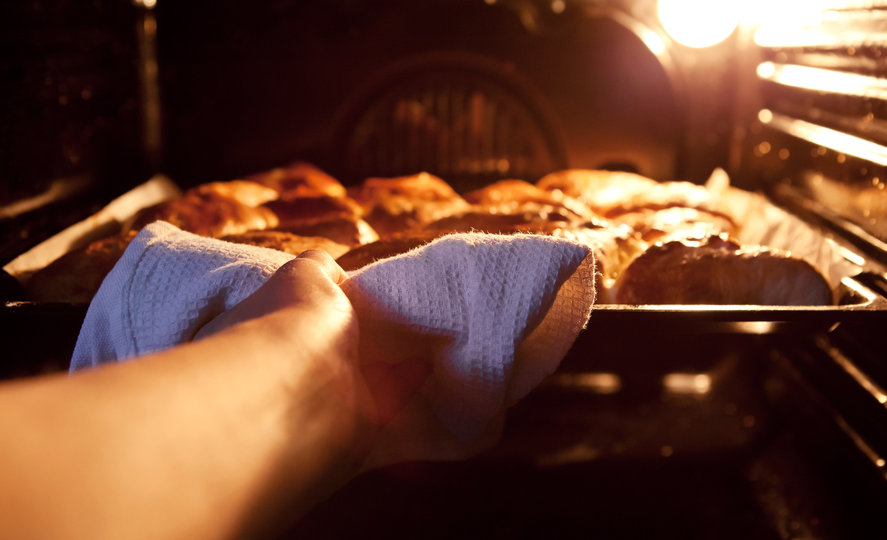


 Where you position your baking rack determines how heat reaches your food, which directly impacts browning, cooking time, and texture. The proximity to heating elements and air flow patterns change significantly between rack levels.
 The top oven rack sits closest to your oven’s upper heating element, making it the hottest spot for direct heat that browns and crisps food surfaces. This position works best when you want to add color, caramelize sugars, or create a crispy top layer on your dishes.
 The bottom oven rack places food closest to the heat source, which creates a crispy, well-browned bottom on baked goods and dishes. This position works best when you need direct heat from below to cook through thick layers or create a firm base.
 Different recipes need different rack positions to bake properly. Cookies bake best in the middle for even browning, while pies need bottom heat to avoid soggy crusts, bread benefits from lower placement for a crisp base, and casseroles often start in the middle before moving to the top for browning.
 The type of oven you use changes how you should think about rack placement. Convection ovens circulate hot air with a fan, while conventional ovens rely on heat rising naturally from elements at the top and bottom.
 An oven thermometer ensures your oven heats to the correct temperature, while rotating trays during baking helps everything cook evenly from edge to edge.
 Convection ovens like turbo ovens and air fryers have become incredibly popular in recent years.
  Oven rack position can affect browning, texture, and overall baking results. The best rack depends on the type of food you are baking and how much heat it needs.


