What Are the Pros and Cons of Being a Baker? Insights and Career Guide
Baking as a career offers a mix of creative freedom and difficult working conditions that potential bakers need to understand before committing to the profession.
The main advantages include no formal education requirements, creative expression, flexible career paths, and the satisfaction of bringing joy to customers, while the key disadvantages are early morning hours, modest pay averaging $27,480 annually, physical demands, and limited upward mobility.
Many people imagine baking as a relaxing job surrounded by delicious treats, but the reality involves standing for long shifts, working weekends and holidays, and managing the mental pressure of meeting deadlines.
This article breaks down what you can expect from a baking career. You’ll learn about the specific benefits that make baking rewarding and the real challenges that test even passionate bakers. The information covers everything from daily work conditions to long-term earning potential, helping you decide if this path matches your goals and lifestyle needs.
Understanding both sides of the profession lets you make a smart choice about your future. Whether you’re considering culinary school, an apprenticeship, or starting your own bakery, knowing what lies ahead prepares you for success in this competitive but fulfilling field.
Key Advantages of Becoming a Baker
Bakers work with creative freedom, flexible career options, and direct customer satisfaction. No formal degree is required to start, and you can work in retail bakeries, production facilities, or run your own business.
Creative Freedom and Artistic Expression
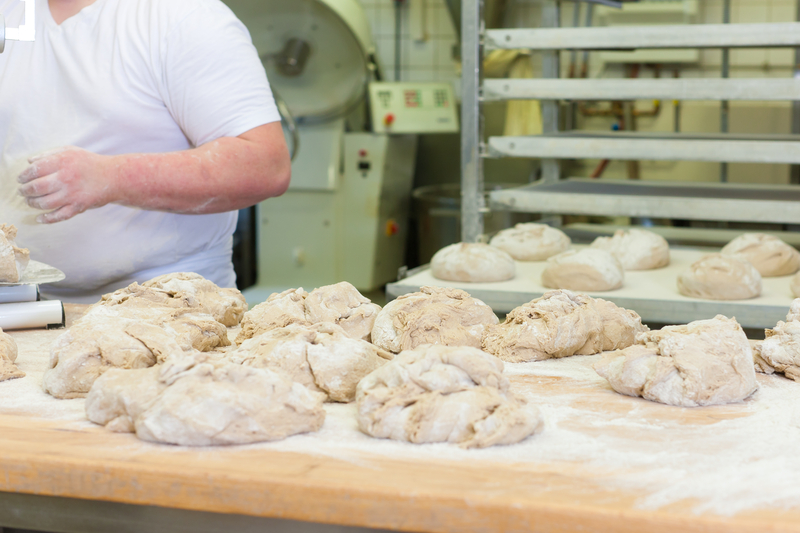
Baking requires precision with recipes and decorative techniques. You transform basic ingredients like flour, sugar, and butter into custom cakes, artisan breads, and specialty pastries. Each day presents new design challenges and flavor combinations.
You control decorating styles, product offerings, and presentation methods. Specialty areas include cake decorating, gluten-free baking, and artisan bread making. This work keeps your mind engaged through problem-solving and artistic decisions.
Flexible Career Paths and Roles
You can work in grocery store bakeries, boutique shops, restaurants, hotels, or industrial production facilities. Some bakers focus on wedding cakes while others specialize in breads or pastries. Opening your own bakery requires minimal startup costs compared to other food businesses.
The industry faces a 53% labor shortage according to the American Society of Baking. You gain skills through apprenticeships and hands-on training rather than student loan debt.
Job Satisfaction and Customer Impact
Your products mark celebrations like birthdays, weddings, and holidays. Customers visit bakeries in positive moods and leave happier. You serve people with dietary restrictions by creating allergen-free options for gluten, dairy, or egg allergies.
You work independently without constant supervision. Your responsibilities focus on meeting deadlines and producing quality results.
Challenges and Disadvantages in the Baking Profession
Baking careers involve early morning shifts starting between 2 and 3 a.m., repetitive physical tasks like lifting heavy flour bags, and standing for 8-12 hours per shift. These disadvantages affect your body, personal schedule, and ability to maintain relationships outside work.
Physically Demanding Work Environment
You lift 50-pound bags of flour and sugar multiple times per shift. Your hands knead dough, decorate cakes, and handle hot pans for hours without breaks.
You stand on hard floors for entire shifts, which causes foot pain, back strain, and joint problems over time. Burns from ovens and cuts from sharp tools are common injuries in bakeries.
The repetitive motions of rolling, mixing, and shaping lead to carpal tunnel syndrome and tendonitis. Heat from ovens keeps kitchen temperatures above 85 degrees, which causes dehydration and exhaustion during long work periods.
Irregular Hours and Scheduling
You start work at 2 or 3 a.m. to prepare fresh products before customers arrive. Your shift ends in early afternoon, which conflicts with normal business hours and social schedules.
You work weekends and holidays when bakery sales peak. Most bakeries require split shifts or on-call availability for special orders and catering events.
Work-Life Balance Difficulties
Your sleep schedule runs opposite to friends and family who work traditional 9-to-5 jobs. You miss evening social events because you need to sleep by 7 p.m. for early shifts.
Your body struggles to adjust to waking before dawn, which affects your energy levels and mood outside work.
Is Being a Baker Hard? Realistic Expectations
Being a baker is hard due to early mornings, physical labor, and the need for precision under time pressure. Bakers start work between 2 a.m. and 4 a.m. to prepare fresh products. The job demands physical strength and mental focus throughout long shifts.
Physical and Mental Demands
You will stand for 8-12 hours daily while lifting 50-pound flour bags and moving heavy trays. Your body experiences strain on your back, legs, and joints from repetitive kneading and bending.
Early shifts beginning at 2 a.m. or 3 a.m. disrupt sleep patterns and personal routines. You work weekends and holidays when demand peaks for baked goods. The heat from ovens adds to physical fatigue during summer months.
Learning Curve and Required Skills
You need precise measurement skills and timing knowledge to produce consistent results. Dough handling requires practice to understand texture and fermentation stages. Temperature control affects product quality across all baking categories.
Entry-level bakers spend 6-12 months developing basic competencies. You must memorize recipes and adjust formulas based on humidity and ingredient variations.
Pressure for Consistency and Perfection
Small errors ruin entire batches and waste costly ingredients. You face customer expectations for identical products every purchase. Time pressure increases during holiday seasons when order volumes triple normal production.
You cannot redo morning products once the bakery opens. Each item must meet quality standards before reaching display cases.
Salary and Earning Potential in Baking
Baker salaries provide moderate income with room for growth through specialization and location choices. The median annual wage for bakers was $36,650 in May 2024, with earnings ranging from under $27,560 to over $48,260 depending on experience and setting.
Average Baker Pay by Location
Geographic location affects your earnings as a baker. Metropolitan areas typically offer higher wages than rural regions due to cost of living differences.
Special food services pay approximately $39,000 annually. Grocery and specialty food retailers offer median wages of $36,880. Bakeries and tortilla manufacturing facilities provide around $36,550 per year.
Factors Affecting Income Levels
Your work setting determines baseline compensation. Commercial bakers in manufacturing facilities earn differently than retail bakers in specialty shops.
Experience level directly impacts your pay scale. Entry-level positions start near the lower wage range while experienced bakers earn closer to the higher percentiles.
Specialization increases earning potential. Pastry chefs command higher salaries than general bakers.
Paths to Higher Earnings in the Industry
You can increase income through additional certifications in food safety and specialized techniques. Technical or culinary school training makes you more competitive for higher-paying positions.
Ownership offers the highest earning potential. Running your own bakery allows you to set prices and control profits beyond standard employee wages.
Advancing to management roles in commercial bakeries provides salary increases. Moving into supervisory positions or production management expands your compensation beyond hourly baker rates.
Time and Training: Pathways to Becoming a Baker
Becoming a baker typically takes 6 months to 2 years depending on your chosen path. Most bakers learn through on-the-job training, apprenticeships, or culinary programs rather than traditional four-year degrees.
Typical Timeline to Proficiency
Entry-level bakers can start working with minimal formal education in 1 to 3 months through direct hiring at bakeries or restaurants. Apprenticeship programs last 1 to 2 years and combine paid work with structured training.
Culinary school programs focusing on baking and pastry arts take 6 months to 2 years to complete. You gain proficiency faster through hands-on practice than classroom learning alone.
Education, Apprenticeships, and On-the-Job Learning
Most bakers learn their skills through on-the-job training without formal credentials. Apprenticeships pair you with experienced bakers who teach measuring, mixing, baking techniques, and quality control.
Culinary programs offer structured instruction in recipe development, food safety, and specialized techniques. These programs cost $5,000 to $30,000 depending on the institution.
Certifications and Career Advancement
The Retail Bakers of America offers Certified Journey Baker and Certified Master Baker credentials. These certifications require passing written and practical exams demonstrating technical skills.
Certifications increase your earning potential and qualify you for head baker or bakery manager positions. You can advance to roles earning $40,000 to $50,000 annually with experience and credentials.
Work Environment and Daily Life as a Baker
Bakers work in physically demanding environments that require early morning shifts, exposure to high temperatures, and extended periods of standing. Most bakers are employed in retail bakeries, grocery stores, manufacturing facilities, or restaurants where they follow specific routines for preparing daked goods. The work involves potential safety hazards including burns, cuts, and back strain from heavy lifting.
Typical Workplaces and Settings
You will find employment primarily in four settings: bakeries and tortilla manufacturing facilities (32%), grocery and specialty food retailers (24%), restaurants, or special food services. Commercial bakers work in manufacturing facilities using high-volume automated equipment to mass-produce standardized products. Retail bakers operate in grocery stores and specialty shops, producing small batches and sometimes taking customer orders directly.
Daily Routine and Responsibilities
Your workday often begins between 2:00 and 3:00 AM to prepare fresh baked goods. You measure and weigh ingredients, combine them in mixers, knead and shape dough, then monitor the baking process. Shifts frequently include early mornings, nights, weekends, and holidays. Some facilities operate 24 hours. The work creates stress as you maintain quality while meeting time-sensitive deadlines.
Physical Hazards and Health Considerations
You face exposure to hot ovens reaching high temperatures throughout your shift. Standing for extended periods while preparing dough and monitoring baking causes physical fatigue. Back strain from lifting bulk ingredient bags, plus cuts, scrapes, and burns from equipment represent common injuries. Wearing back supports, heat-resistant aprons, and gloves reduces these risks.
Career Progression and Opportunities for Growth
Bakers can advance into management roles, open their own businesses, or specialize in niche areas like artisan bread or pastry decoration. Career progression benefits include increased earning potential and creative control. Limited growth in traditional bakery settings represents a disadvantage for some workers.
Advancing to Management or Entrepreneurship
You can move from entry-level baker to assistant baker, head baker, or pastry chef roles within 5-10 years of experience. These positions require leadership skills and often formal certifications like Certified Master Baker from the Retail Bakers of America.
Entrepreneurship allows you to open independent bakeries or specialty shops. You need business planning skills and startup capital to succeed in ownership. Experienced bakers with capital often transition to self-employment for autonomy and profit control.
Specializations Within Baking
You can specialize in artisan bread, wedding cakes, gluten-free products, or vegan baking to increase marketability. Specialty skills command higher wages in upscale markets and luxury hotels.
Growing consumer demand for dietary-specific items creates opportunities in health-focused bakeries. Cake decoration and pastry arts offer creative outlets with premium pricing potential.
Industry Stability and Demand
The Bureau of Labor Statistics projects 6-7% job growth for bakers from 2023 to 2034, creating nearly 40,000 new positions. This growth rate reflects steady demand across retail and commercial sectors.
Labor shortages may create over 53,000 vacant baking positions by 2030, improving job availability. Automation in large manufacturing reduces some production roles but specialty bakeries maintain strong employment needs.
Personal Qualities and Skills Needed for Success
Bakers need strong attention to detail, physical stamina, and passion to handle the demands of early hours, precise measurements, and repetitive tasks. These qualities directly impact whether being a baker is hard for you and whether you should become a baker.
Attention to Detail and Precision
Baking requires exact measurements and strict timing. A single error in ingredient ratios can ruin an entire batch.
You must monitor oven temperatures constantly and adjust for different products. Each recipe demands consistent execution to meet customer expectations.
This precision becomes more challenging during busy periods when you handle multiple orders simultaneously. Your ability to maintain accuracy under pressure determines product quality and reduces waste.
Resilience and Adaptability
Physical stamina is essential for lifting 50-pound flour bags and standing for 8-10 hour shifts. You will work early mornings starting at 3 a.m. or overnight shifts to prepare fresh products.
Your body faces daily strain from kneading dough and moving hot trays. Irregular schedules require you to adapt sleep patterns and personal routines.
You must handle equipment failures and recipe adjustments without compromising deadlines.
Passion and Motivation
Your enthusiasm drives you through physically demanding days and modest entry-level pay starting around $24,960 annually. You need self-motivation to improve techniques and learn new recipes independently.
Passion helps you find satisfaction in the craft despite missing holidays when bakeries experience peak demand. This internal drive separates bakers who build long-term careers from those who leave due to the challenging conditions.
Deciding If a Baking Career Is Right for You
Choosing a baking career requires evaluating your tolerance for early shifts, physical demands, and lower starting wages against creative satisfaction and hands-on work. Self-assessment helps you determine if your personal habits and goals align with the profession’s realities.
Self-Assessment: Key Questions to Consider
You must start work between 2:00 a.m. and 3:00 a.m. in most bakery positions. Your schedule will include weekends and holidays as primary workdays.
Ask yourself if you can maintain focus during non-traditional hours without affecting your health. Consider whether you can lift 50-pound bags repeatedly throughout a shift. Evaluate if you tolerate standing on hard floors for 8-10 hours daily.
You need high precision for measuring ingredients and timing bakes. Determine if you prefer work with immediate, tangible results over abstract tasks.
Matching Your Lifestyle and Goals
Entry-level bakers earn $14.90 to $15.65 per hour nationally, totaling approximately $31,000 to $32,500 annually. Pastry chefs average $69,427 per year with experience.
Your social life will shift away from Friday and Saturday evening activities. You will miss most traditional holiday gatherings due to peak production demands.
If you prioritize creative expression and artistic presentation, baking offers daily opportunities. If you value financial growth, expect slower wage progression compared to other trades.
Balancing Pros and Cons for Your Future
Physical demands include repetitive wrist strain, heat exposure, and cold storage conditions. These factors contribute to long-term wear on joints and muscles.
The advantages include creative control, immediate customer satisfaction, and skill mastery. The disadvantages involve irregular hours, modest starting pay, and physical exhaustion.
You should gain hands-on experience through part-time work or apprenticeships before committing to formal training. This approach reveals whether the lifestyle suits your long-term goals without financial risk.
FAQ: What Are the Pros and Cons of Being a Baker?
Being a baker can be rewarding for people who enjoy creativity, food preparation, and hands-on work. However, the profession also comes with physical demands and long hours.
What Are the Pros and Cons of Being a Baker?
Pros: creativity, skill development, job opportunities, and hands-on work. Cons: early hours, physical demands, repetitive tasks, and high-pressure environments.
What Are the Main Advantages of Being a Baker?
Common benefits include:
Creative expression through recipes and decoration
Opportunities in restaurants, bakeries, and self-employment
Practical, hands-on work environment
Ability to develop specialized skills
What Are the Biggest Challenges Bakers Face?
Bakers often deal with:
Early morning or overnight shifts
Long periods of standing
Fast-paced production schedules
Physical strain from lifting and repetitive motion
Is Being a Baker Physically Demanding?
Yes, baking can be physically intensive due to standing for long hours, handling heavy ingredients, and working in hot kitchen environments.
Do Bakers Need Formal Training?
Not always, but culinary school or apprenticeships can improve skills and career opportunities.
Is Baking a Stable Career?
Baking can offer stable employment because baked goods are consistently in demand across restaurants, cafes, hotels, and supermarkets.
Can Bakers Be Creative?
Yes, creativity is a major part of baking, especially in cake decorating, pastry design, recipe development, and artisan baking.
Do Bakers Work Long Hours?
Yes, many bakers start work very early in the morning to prepare fresh products before businesses open.
Is Being a Baker Stressful?
It can be stressful during busy periods, holidays, or when working under strict deadlines and production demands.


 Bakers work with creative freedom, flexible career options, and direct customer satisfaction. No formal degree is required to start, and you can work in retail bakeries, production facilities, or run your own business.
 Baking careers involve early morning shifts starting between 2 and 3 a.m., repetitive physical tasks like lifting heavy flour bags, and standing for 8-12 hours per shift. These disadvantages affect your body, personal schedule, and ability to maintain relationships outside work.
 Being a baker is hard due to early mornings, physical labor, and the need for precision under time pressure. Bakers start work between 2 a.m. and 4 a.m. to prepare fresh products. The job demands physical strength and mental focus throughout long shifts.
 Baker salaries provide moderate income with room for growth through specialization and location choices. The median annual wage for bakers was $36,650 in May 2024, with earnings ranging from under $27,560 to over $48,260 depending on experience and setting.
 Becoming a baker typically takes 6 months to 2 years depending on your chosen path. Most bakers learn through on-the-job training, apprenticeships, or culinary programs rather than traditional four-year degrees.
 Bakers work in physically demanding environments that require early morning shifts, exposure to high temperatures, and extended periods of standing. Most bakers are employed in retail bakeries, grocery stores, manufacturing facilities, or restaurants where they follow specific routines for preparing daked goods. The work involves potential safety hazards including burns, cuts, and back strain from heavy lifting.
 Bakers can advance into management roles, open their own businesses, or specialize in niche areas like artisan bread or pastry decoration. Career progression benefits include increased earning potential and creative control. Limited growth in traditional bakery settings represents a disadvantage for some workers.
 Bakers need strong attention to detail, physical stamina, and passion to handle the demands of early hours, precise measurements, and repetitive tasks. These qualities directly impact whether being a baker is hard for you and whether you should become a baker.
 Choosing a baking career requires evaluating your tolerance for early shifts, physical demands, and lower starting wages against creative satisfaction and hands-on work. Self-assessment helps you determine if your personal habits and goals align with the profession’s realities.
 Being a baker can be rewarding for people who enjoy creativity, food preparation, and hands-on work. However, the profession also comes with physical demands and long hours.


