Why Do People Love Baking? Exploring Its Joys and Benefits
Baking draws people in for reasons that go beyond just making food.
People love baking because it combines creativity, emotional calm, and the joy of sharing something they made with their own hands.
The act of mixing ingredients, following a recipe, and watching something rise in the oven creates a sense of accomplishment that few other activities can match. You might find yourself feeling more relaxed after spending time in the kitchen.
The process keeps your mind focused on the present moment through simple, repetitive actions like stirring and kneading. These movements engage your senses and help reduce stress. Baking also connects you to others in meaningful ways. When you bake for family, friends, or coworkers, you create moments of connection and care.
This article explores the emotional rewards, creative outlets, and social benefits that make baking such a beloved activity across cultures and generations.
Emotional and Psychological Rewards
Home baking provides measurable stress reduction, builds confidence through tangible accomplishments, and supports mental health through sensory engagement. The benefits of baking extend beyond the finished product to include emotional regulation and improved self-esteem.
Stress Relief Through Mindfulness
Baking requires focused attention on present-moment tasks like measuring, stirring, and kneading. These repetitive motions calm your nervous system through rhythmic movement.
The sensory experience of touching smooth flour, smelling vanilla, and watching dough rise keeps your mind anchored in the moment. This natural mindfulness practice reduces rumination, which is a primary pathway to depression and anxiety.
A Sense of Accomplishment and Pride
You create something tangible from basic ingredients when you bake. Each finished batch of baked goods provides physical proof of your effort and skill. This visible result boosts your confidence more than abstract tasks.
Following a recipe successfully strengthens your planning abilities and teaches patience through waiting for dough to rise or cookies to cool.
Therapeutic Effects on Mental Wellbeing
The structured steps in recipes provide order that helps regulate your emotions. For people with ADHD or autism, the predictable process offers grounding comfort.
Everyday creative activities like baking are linked to improved mood and reduced psychological distress. Sharing your baked goods with others releases oxytocin and creates social connection. Even failed attempts teach valuable lessons about adaptability and trying again.
Creativity and Self-Expression in Baking
Baking allows you to express yourself through ingredient choices, recipe modifications, and presentation styles. You make creative decisions that reflect your personal taste and artistic vision.
Experimenting With Ingredients and Flavors
You can swap standard ingredients for alternatives that match your preferences or dietary needs. A chocolate chip cookie recipe becomes your own when you add sea salt, use dark chocolate instead of milk chocolate, or mix in nuts.
Flavor combinations let you create unique baked goods. You might add cardamom to sugar cookies or replace vanilla extract with almond extract. These choices change the taste profile and make your creation distinct from traditional versions.
Personalizing Classic Recipes
You adapt existing recipes by changing proportions, adding new elements, or combining techniques from different sources. A basic cake recipe transforms when you adjust the sugar level, switch flours, or add fruit.
Your modifications create signatures that other people recognize. A baker might become known for extra-thick cookies or cakes with specific frosting styles.
Baking as a Unique Art Form
You control visual presentation through decoration, color, and plating choices. Piping techniques, glaze applications, and garnish placement demonstrate technical skill and aesthetic judgment.
Each finished product represents your creative decisions from start to finish. The texture, appearance, and flavor profile reflect your personal style and execution abilities.
Social Connections and Baking for Others
Baking for others creates opportunities for social connection through acts of giving and shared experiences. Home baking strengthens relationships when people make baked goods to express care or gather together in the kitchen.
Acts of Generosity and Kindness
Baking for others functions as a form of altruism that benefits both giver and receiver. When you bake a chocolate chip cookie batch for someone, you engage in a selfless act that can increase your sense of wellbeing and meaning in life.
Baked goods serve as physical expressions of appreciation, sympathy, or love. You can communicate feelings through food when words fall short. This practice appears across cultures where bringing homemade treats to others during difficult times represents support and care.
The psychological rewards of giving baked goods include stress relief and improved mood. These benefits occur when you bake with genuine intent to share rather than to seek attention or compete with others.
Strengthening Family and Community Bonds
Baking together builds stronger relationships through collaboration and shared tasks. When you bake with family or friends, you practice communication skills and work toward a common goal.
Group baking creates lasting memories and reinforces connections between people. The process requires assigning roles, helping each other, and coordinating efforts from start to finish.
Community bonds form when you share your creations with neighbors, coworkers, or groups. This exchange establishes reciprocal relationships and creates a sense of belonging within your social circles.
Traditions and Sharing Baked Treats
Baking traditions connect you to cultural heritage and family history. Many families pass down recipes through generations, preserving techniques and flavors that carry emotional significance.
Holiday baking represents one common tradition where people prepare specific treats annually. These rituals create anticipation and mark important occasions throughout the year.
Sharing baked treats during gatherings reinforces social norms around hospitality and generosity. You participate in established customs when you bring homemade goods to celebrations, meetings, or casual visits with others.
Sensory Pleasures and Nostalgia
Baking activates multiple senses that trigger emotional memories stored in the brain. Scents like vanilla and cinnamon create strong links to past experiences.
Aromas and Flavors That Evoke Memories
Your brain stores baking smells in the same area that processes emotions and memories. When you smell a chocolate chip cookie baking, your mind often recalls specific moments from childhood. Vanilla, butter, and sugar trigger feelings of warmth and safety.
These scent memories stay vivid for years. A loaf of bread fresh from the oven can bring back memories of family gatherings or holiday meals.
The Multi-Sensory Experience
Baking engages all five senses at once. You feel smooth flour and sticky dough in your hands. You hear the mixer whirring and the oven timer beeping.
The warmth from the oven creates physical comfort. You see golden-brown baked goods rise and change color. Each sense adds to the complete experience.
Connecting Taste and Emotion
Tasting baked goods links directly to happy memories. The flavor of a chocolate chip cookie can remind you of baking with a parent or grandparent. Sharing a loaf of bread creates new emotional connections with others. These taste experiences become part of your personal history.
The Science and Skill of Baking
Baking develops both technical knowledge and hands-on ability through repeated practice with measurable ingredients and predictable chemical reactions. Home baking teaches precision while building confidence as bakers master the relationship between ingredients, temperature, and technique.
Understanding the Chemistry of Baking
Baking transforms raw ingredients through specific chemical reactions that occur at precise temperatures. When you mix flour with water, proteins called glutenin and gliadin form gluten, which creates structure in bread and pastries.
Leavening agents like yeast produce carbon dioxide gas that makes dough rise, while baking soda and baking powder create bubbles through acid-base reactions.
The Maillard reaction occurs above 300°F when proteins and sugars interact to create brown colors and rich flavors in crusted bread and golden cookies.
Temperature controls these reactions directly. Each ingredient serves a chemical function: fats tenderize, eggs bind and emulsify, sugars caramelize, and salt strengthens gluten networks.
Understanding these processes helps you troubleshoot failed recipes and adjust techniques for better results.
Building Competence and Patience
Baking requires accurate measurements and proper timing to achieve consistent results. You must follow specific steps in order, wait for dough to proof, and monitor oven temperatures without shortcuts.
Each failed batch teaches you how slight changes in ingredient ratios or mixing time affect the final product.
A baker develops patience through repetition as recipes demand precise conditions that cannot be rushed. You learn to recognize visual and tactile cues like proper dough elasticity or correct batter consistency.
This gradual skill building creates measurable improvement over time, which reinforces continued practice and experimentation.
Skill Development for All Ages
Home baking teaches mathematical concepts through measuring, fractions, and ratios in practical applications.
Children learn to follow sequential instructions while developing fine motor skills through mixing, kneading, and decorating. Adults refine problem-solving abilities by adjusting recipes for altitude, humidity, or ingredient substitutions.
The benefits of baking extend across experience levels as beginners master basic techniques like creaming butter while advanced bakers experiment with laminated dough or temperature-sensitive chocolate work. You build transferable skills including planning, organization, and attention to detail that apply beyond the kitchen.
Tradition and Cultural Significance
Baking connects you to centuries of human tradition and preserves cultural identity through food. Different cultures use specific techniques and recipes to mark celebrations and pass down family heritage.
Baking Through History
Ancient Egyptians developed the first wood-fired oven around 3000 BCE to bake flatbreads. Romans advanced baking technology by creating communal ovens that entire villages shared.
Medieval Europeans tied social status to bread quality. Wealthy families ate white loaves while poor households consumed dark, coarse bread. The type of loaf of bread you baked indicated your place in society.
Religious ceremonies incorporated baked goods as sacred elements. Christians used unleavened bread in communion rituals. Jewish families baked challah for Sabbath meals.
Cultural Practices Around the World
French culture centers around daily baguette purchases from local bakeries. This ritual maintains community bonds and preserves national identity.
Mexican families bake pan de muerto during Day of the Dead celebrations. Indian households prepare naan in clay tandoor ovens. Japanese bakers use matcha powder in traditional confections.
Each culture assigns specific baked items to life milestones. Wedding cakes mark marriages across Western societies. Birthday cakes celebrate another year of life.
Modern Returns to Classic Methods
Home baking has increased as people seek connections to traditional practices. You can learn ancestral recipes that families passed down through generations.
Artisanal bakeries now use wood-fired ovens to recreate historical flavors. These methods produce crusts and textures that modern ovens cannot replicate. Sourdough starters maintained for decades link you to past bakers who used the same living cultures.
FAQ: Why Do People Love Baking?
Baking is enjoyed by millions of people around the world for its creativity, comfort, and sense of accomplishment. It combines skill, routine, and enjoyment in a unique way.
Why Do People Love Baking?
People love baking because it is creative, rewarding, relaxing, and produces enjoyable food that can be shared with others.
Does Baking Help People Relax?
Yes, many people find baking calming because it involves repetitive actions, focus, and a structured process that can reduce stress.
Why Is Baking Emotionally Rewarding?
Baking provides a sense of accomplishment by turning simple ingredients into finished products through skill and effort.
Do People Enjoy the Creativity of Baking?
Yes, baking allows creativity through:
Flavor combinations
Decorating
Recipe experimentation
Presentation styles
Why Does Baking Feel Comforting?
The smells, warmth, and familiarity associated with baking often create feelings of comfort and nostalgia.
Is Baking Popular Because It’s Social?
Yes, baked goods are commonly shared with family, friends, and communities, making baking a social and enjoyable activity.
Can Baking Improve Confidence?
Successfully following recipes and developing skills can increase confidence and encourage further creativity in the kitchen.
Why Do Some People Prefer Baking Over Cooking?
Baking is often more structured and predictable, which some people find easier and more satisfying than improvisational cooking.
Does Baking Appeal to Different Skill Levels?
Yes, baking includes both simple beginner recipes and advanced techniques, making it accessible to a wide range of people.
Can Baking Become a Hobby or Career?
Yes, many people start baking recreationally and later pursue professional careers in baking, pastry arts, or cake decorating.
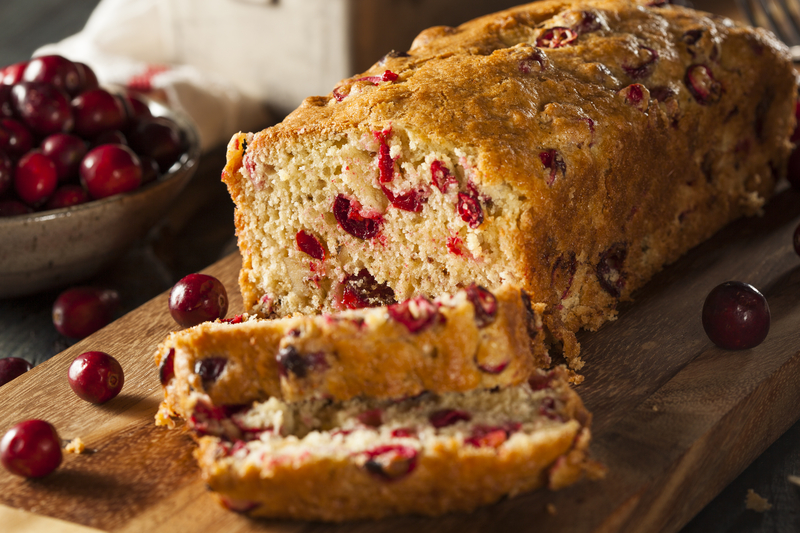


 Home baking provides measurable stress reduction, builds confidence through tangible accomplishments, and supports mental health through sensory engagement. The benefits of baking extend beyond the finished product to include emotional regulation and improved self-esteem.
 Baking allows you to express yourself through ingredient choices, recipe modifications, and presentation styles. You make creative decisions that reflect your personal taste and artistic vision.
 Baking for others creates opportunities for social connection through acts of giving and shared experiences. Home baking strengthens relationships when people make baked goods to express care or gather together in the kitchen.
 Baking activates multiple senses that trigger emotional memories stored in the brain. Scents like vanilla and cinnamon create strong links to past experiences.
 Baking develops both technical knowledge and hands-on ability through repeated practice with measurable ingredients and predictable chemical reactions. Home baking teaches precision while building confidence as bakers master the relationship between ingredients, temperature, and technique.
 Baking connects you to centuries of human tradition and preserves cultural identity through food. Different cultures use specific techniques and recipes to mark celebrations and pass down family heritage.
 Baking is enjoyed by millions of people around the world for its creativity, comfort, and sense of accomplishment. It combines skill, routine, and enjoyment in a unique way.


