What is the Chemistry Behind Baking Muffins? Ingredients and Science
Baking muffins involves more than just mixing ingredients and applying heat.
When you bake muffins, you trigger a series of chemical reactions that transform liquid batter into a light, fluffy treat through processes like gluten formation, gas production from leavening agents, and the Maillard reaction that creates golden-brown crusts. Understanding these reactions helps you control texture, rise, and flavor in your baked goods.
The chemistry starts the moment you combine wet and dry ingredients. Proteins in flour form gluten networks that provide structure. Leavening agents release carbon dioxide gas that gets trapped in this network, causing your muffins to rise. Sugar breaks down under heat while fats create moisture and tenderness.
This article breaks down each chemical process that happens inside your oven. You’ll learn how different leavening agents work, why flour choice matters, and how acidity affects your results. We’ll also explore practical techniques for solving common problems like dense texture or uneven rising.
Key Chemical Reactions in Muffin Baking
When you mix muffin batter and place it in the oven, three main chemical reactions work together to transform liquid ingredients into a fluffy, solid muffin. Heat triggers protein changes, acids react with bases to create gas bubbles, and the entire structure sets permanently as moisture evaporates.
Transformations During Heat
Heat from your oven causes proteins in eggs and flour to denature and coagulate. This means the proteins unfold from their original shape and then bond together to form new structures. The gluten proteins in flour start changing around 140°F and fully set by 180°F.
At the same time, starches in the flour absorb water and swell. This process, called gelatinization, happens between 150°F and 180°F. The starch granules burst and release molecules that thicken the batter into a solid structure.
The Maillard reaction begins around 300°F on the muffin’s surface. Amino acids and sugars react to create the golden-brown color and rich flavor of the muffin top. This reaction only happens where temperatures are high enough, which is why the exterior browns but the inside stays light.
Gas Formation and Expansion
Chemical leaveners like baking powder and baking soda create the air pockets that make your muffins rise. Baking soda is pure sodium bicarbonate, which needs an acid (like buttermilk, yogurt, or lemon juice) to produce carbon dioxide gas.
Baking powder contains both sodium bicarbonate and a powdered acid. It starts releasing gas when you add liquid to your batter. Double-acting baking powder releases more gas when heated, giving you two stages of lift.
The carbon dioxide bubbles get trapped in the batter’s protein network. As oven heat increases, the gas expands further. Water in the batter also turns to steam, adding more pressure that pushes the muffin upward. This expansion happens quickly in the first 10-15 minutes of baking.
Permanent Changes in Texture
The chemical reactions in your muffin batter are irreversible. Once proteins denature and coagulate, they cannot return to their original liquid state. This is why a baked muffin stays solid even after it cools.
Moisture loss during baking concentrates flavors and firms the structure. Your batter typically contains 40-50% water, but the finished muffin has only 25-35% moisture. The evaporated water leaves behind tiny air pockets throughout the crumb.
The setting of eggs and gluten creates a permanent framework. Sugar molecules also bond with proteins, further strengthening this network. These changes happen between 160°F and 200°F internal temperature, which is when your muffin fully transitions from batter to baked good.
Role of Leavening Agents in Muffins
Leavening agents create the gas bubbles that transform dense batter into light, fluffy muffins. Chemical leaveners like baking soda and baking powder release carbon dioxide gas through specific reactions that cause your muffin batter to expand during baking.
What Makes Muffins Rise
Your muffins rise because leavening agents produce carbon dioxide gas that gets trapped in the batter. When you mix ingredients and apply heat, these gases expand and push the batter upward, creating air pockets throughout the structure.
The gas bubbles stretch the batter as they grow larger in the oven. This stretching creates the tender, airy texture you expect from a well-made muffin. Without this gas production, your muffins would bake into dense, heavy pucks instead of light treats.
Temperature plays a key role in this process. As your oven heats the batter, the gases expand even more, and the proteins in the flour and eggs set around these air pockets. This locks in the risen structure before the gases can escape.
The timing of gas release matters significantly. If gases release too early, they escape before the structure sets. If they release too late, your muffins won’t rise enough.
Types of Chemical Leaveners Used
Baking soda (sodium bicarbonate) requires an acidic ingredient to activate. You’ll find it in muffin recipes that include buttermilk, yogurt, sour cream, or lemon juice. The chemical formula NaHCO₃ reacts immediately when it contacts acid and moisture, producing carbon dioxide right away.
Baking powder contains both sodium bicarbonate and a dry acid (typically sodium acid pyrophosphate or cream of tartar). You don’t need to add acidic ingredients because the acid is already built into the powder. It activates when mixed with liquid and generates additional gas when heated.
Most muffin recipes use baking powder because it’s more predictable and doesn’t depend on other acidic ingredients. Some recipes combine both baking soda and baking powder to balance the pH while achieving optimal rise.
Yeast is rarely used in traditional muffins because it requires long rising times. Chemical leaveners work in minutes, making them ideal for quick breads like muffins.
Double-Acting Agents Explained
Double-acting baking powder releases carbon dioxide in two distinct phases. The first release happens when you mix the powder with wet ingredients at room temperature. The second, larger release occurs when heat activates additional acids in the oven.
This two-stage process gives you extra insurance when baking. You get some immediate lift from the first reaction, which helps incorporate the leavener throughout your batter. The second reaction provides the main rise during baking.
The first acid in double-acting powder (usually monocalcium phosphate) reacts quickly with moisture. The second acid (typically sodium aluminum sulfate or sodium acid pyrophosphate) only reacts at temperatures above 140°F.
You can prepare your muffin batter and let it sit for a few minutes without losing all the leavening power. Single-acting baking powder releases all its gas at once when moistened, so you’d need to bake immediately. Double-acting powder gives you more flexibility in your baking schedule.
Comparing Baking Soda and Baking Powder
Baking soda requires an acid to produce carbon dioxide gas, while baking powder contains its own built-in acid and activates with moisture and heat. The choice between these two chemical leaveners affects your muffin’s rise, texture, and flavor.
Differences in Chemical Properties
Baking soda is pure sodium bicarbonate, a base that needs acidic ingredients to work. When you mix it with buttermilk, yogurt, brown sugar, molasses, or citrus juice, it immediately releases carbon dioxide bubbles.
Without enough acid in your recipe, baking soda breaks down into sodium carbonate. This creates a soapy, bitter taste in your muffins. The extra alkalinity can also turn chocolate reddish and make blueberries look green.
Baking powder is a complete leavening system. It contains sodium bicarbonate plus an acid (usually cream of tartar or monocalcium phosphate) and cornstarch to absorb moisture.
Most baking powders are double-acting. The first gas release happens when you add liquid to your batter. The second, stronger reaction occurs when heat hits the batter in your oven.
How Each Agent Impacts Rise
Baking soda creates an instant reaction when it meets acid and moisture. You need to get your muffin batter into the oven quickly or you’ll lose lifting power. The gas bubbles form right away and start escaping.
Baking powder gives you more time. The double-acting formula means you can mix your batter and let it sit for a few minutes without losing all your rise. The heat-activated portion does most of the lifting work once your muffins are baking.
Too much of either leavening agent causes problems. Your muffins rise too fast, then collapse before the batter sets. The structure fails because the proteins and starches haven’t had time to firm up around the air pockets.
When to Use Each in Recipes
Use baking soda when your recipe includes natural cocoa powder, buttermilk, sour cream, or fruit puree. These acidic ingredients activate the sodium bicarbonate and create the gas you need for rise.
Use baking powder in recipes without acidic ingredients. Plain milk, water, or Dutch-processed cocoa don’t provide enough acid for baking soda to work properly.
Many muffin recipes use both leavening agents together. The baking soda neutralizes acidic ingredients like yogurt while preserving some tangy flavor. The baking powder provides extra lift for the flour.
A standard ratio is ¼ teaspoon baking soda or 1 teaspoon baking powder per cup of flour. If your recipe contains 2 cups of flour and ½ cup of yogurt, you might use ¼ teaspoon baking soda to neutralize the acid plus 1 teaspoon baking powder for additional rise.
The Role of Flour and Gluten Formation
Flour provides the structural framework for muffins through its protein and starch content, while gluten formation determines whether your muffins turn out tender or tough.
All-Purpose Flour as a Structure Builder
All-purpose flour contains about 10-12% protein, which makes it the standard choice for muffin recipes. When you add liquid to all-purpose flour, two key proteins—glutenin and gliadin—combine to form gluten strands.
These proteins create a network that holds your muffin batter together. The starch granules in the flour make up about 70% of its weight and work alongside the protein structure. During baking, these starches absorb moisture and swell up.
This process gives your muffins their basic shape and prevents them from collapsing. The moderate protein level in all-purpose flour strikes a balance between structure and tenderness, which is why most muffin recipes call for it specifically.
Protein, Starch, and Muffin Texture
The protein in flour creates elasticity, while the starch provides bulk and stability. When heat enters the oven, the starch granules undergo gelatinization—they absorb water and expand.
This expansion happens between 140°F and 180°F. The gelatinized starch sets the interior crumb of your muffins and creates that characteristic soft texture. As your muffins cool, the starch firms up through a process called retrogradation.
The protein-to-starch ratio affects these key qualities:
Crumb structure – How fine or coarse the interior looks
Moisture retention – How long muffins stay fresh
Structural integrity – Whether muffins hold their dome shape
Higher protein content makes denser muffins, while lower protein yields more delicate results.
How Gluten Affects Muffin Tenderness
Gluten development directly controls whether your muffins turn out light and fluffy or dense and chewy. The more you mix muffin batter, the more gluten strands form and connect into a tight network.
This is why recipes tell you to mix “until just combined.” Overmixing creates too much gluten, which makes muffins tough and creates tunnel-like holes in the crumb. You want minimal gluten formation for tender muffins.
Ingredients like sugar, fat, and eggs interfere with gluten development in helpful ways. Sugar competes with flour for moisture, which limits how much gluten can form. Butter coats some of the flour particles and physically blocks protein connections.
The goal is to hydrate the flour enough to create structure without building excessive gluten networks. Most muffin batters should look slightly lumpy rather than completely smooth when you’re done mixing.
Science of Moisture and Crumb in Muffins
The moisture and crumb structure in muffins depend on how you balance your ingredients and handle your batter. Getting the right ratio of liquids to dry ingredients creates tender muffins, while fats and sugars work together to keep them soft.
Balancing Liquid and Dry Ingredients
Your liquid-to-dry ratio determines whether your muffins turn out moist or dry. Most muffin recipes use a 1:2 ratio of liquid to all-purpose flour by weight.
When you add liquids like milk, eggs, or oil to flour, the proteins glutenin and gliadin form gluten. This protein network traps moisture and creates structure. Too much liquid makes soggy muffins that collapse. Too little creates dry, crumbly ones.
The starches in flour absorb liquid during mixing and baking. They swell and gelatinize when heated, which helps set the crumb structure. After baking, these starches firm up as the muffins cool.
You need to measure your ingredients carefully. Use measuring cups for dry ingredients and liquid measuring cups for wet ones. Add your wet ingredients to dry ingredients and mix just until combined.
The Impact of Fats and Sugars
Fats and sugars both add moisture, but they work in different ways. Butter and oil coat the flour particles and prevent gluten from forming strong bonds. This makes your muffins tender instead of tough.
Sugar pulls moisture from other ingredients and holds onto it. It also interferes with gluten development, which keeps the crumb soft. When sugar heats up during baking, it melts and spreads moisture throughout the muffin.
Fat choices matter:
Butter adds flavor and creates a firmer crumb
Oil produces moister muffins with a softer texture
You need at least 1/4 cup of fat per cup of flour
The combination of fat and sugar creates small air pockets when you cream them together. These pockets expand during baking and give you a light, fluffy texture.
Preventing Dry or Dense Muffins
Overmixing develops too much gluten, which creates tough, dense muffins with tunnels. Mix your batter only 10-15 strokes after combining wet and dry ingredients. Lumps are fine.
Overbaking dries out your muffins fast. Check them 2-3 minutes before the recipe time. Insert a toothpick in the center – it should come out with a few moist crumbs.
Room temperature ingredients mix better and create a smoother batter. Cold butter or eggs don’t blend well with other ingredients. This creates uneven texture and dry spots.
Store baked muffins in an airtight container within two hours. The moisture inside will redistribute and soften the crumb. You can also brush warm muffins with melted butter to seal in moisture.
Interplay of Acidity and Alkalinity
The pH level in muffin batter directly affects how leavening agents work and influences texture, color, and taste. Baking soda and baking powder react differently based on the acidity of other ingredients, creating the chemical reactions that make muffins rise and develop flavor.
pH and Its Effect on Reactions
Baking soda, which is sodium bicarbonate, needs an acidic ingredient to work properly. When it comes into contact with acid, it releases carbon dioxide gas that creates air bubbles in your batter.
The reaction happens immediately when you mix wet and dry ingredients together. This means you need to work quickly and get your muffins into the oven fast. If you wait too long, the gas escapes and your muffins won’t rise properly.
Baking powder contains both sodium bicarbonate and an acid. It works in two stages: once when it gets wet and again when it heats up in the oven. This double-acting feature gives you more time to work with your batter.
The pH level affects how proteins in flour behave. In acidic batters, gluten stays weaker, which makes your muffins more tender. In alkaline batters, gluten strengthens more, creating a tougher texture.
Practical Examples with Muffin Ingredients
Buttermilk, yogurt, and sour cream are acidic ingredients that pair well with baking soda. When you add baking soda to a recipe with buttermilk, the acid in the buttermilk triggers the leavening reaction right away.
Blueberry muffins often use baking powder instead of baking soda alone. The berries add some acidity, but not enough to activate baking soda by itself. Chocolate contains natural acids that work with baking soda to create a darker color and richer flavor.
Common Ingredient pH Levels:
Buttermilk: pH 4.5
Yogurt: pH 4.0-4.5
Cocoa powder: pH 5.0-5.8
Honey: pH 3.9
If you use too much baking soda without enough acid, your muffins taste soapy and turn yellowish-brown. Too much acid without enough base makes muffins dense and pale.
Blueberry Muffins as a Case Study
Blueberries create special chemical reactions during baking that change both color and texture. The fruit’s natural compounds interact with common ingredients like baking soda and baking powder in ways that affect your final product.
Unique Reactions with Blueberries
Blueberries contain anthocyanins, which are natural pigments that act as pH indicators. When these compounds meet alkaline ingredients in your batter, they trigger color changes.
Baking soda is highly alkaline. If you don’t mix it evenly throughout your all-purpose flour and other dry ingredients, you’ll create alkaline pockets in the batter. These pockets turn nearby blueberries from blue to green.
Baking powder contains both acid and alkaline components, which makes it more balanced. This balance reduces the risk of green blueberries, but the reaction can still happen if you overmix or use too much.
The chemical reaction releases carbon dioxide gas that makes your muffins rise. When blueberries are present, their juice can affect how this gas forms and moves through the batter. Fresh blueberries release more moisture than frozen ones during baking, which changes the crumb structure around each berry.
Color and Texture Changes Explained
Your blueberry muffins go through several color transformations in the oven. The berries themselves may turn slightly purple or reddish as they heat up and their cell walls break down.
Green spots appear when the batter’s pH is above 7. The anthocyanins in blueberries shift from blue-purple to blue-green in alkaline conditions. This same principle works in reverse with acidic ingredients like lemon juice or buttermilk, which can make blueberries appear more red or pink.
The texture around blueberries differs from the rest of your muffin. Berry juice creates denser pockets in the crumb because the moisture interferes with gluten development in the all-purpose flour. You’ll notice darker, wetter areas where juice has seeped into the batter during baking.
Tips to Prevent Color Bleeding
Toss your blueberries in flour before adding them to the batter. This coating absorbs some of the juice and creates a barrier between the fruit and wet ingredients.
Use frozen blueberries straight from the freezer. Don’t thaw them first because this releases excess juice that will bleed into your batter.
Mix your leavening agents thoroughly with the dry ingredients. Sift baking soda or baking powder together with your flour to distribute them evenly. This prevents those alkaline pockets that cause green spots.
Fold blueberries in gently as your last step. Overmixing breaks the berries and releases more juice into the batter.
Yeast Versus Chemical Leaveners in Baking
Yeast and chemical leaveners both create carbon dioxide gas to make baked goods rise, but yeast works through fermentation before baking while chemical leaveners activate with moisture and heat during baking.
Biological vs. Chemical Rising Agents
Yeast is a living microorganism that feeds on sugars in your dough and produces carbon dioxide through fermentation. This process happens before and during the early stages of baking. The yeast needs time to grow and multiply, which is why bread dough requires hours to rise at room temperature.
Chemical leaveners like baking powder and baking soda work through chemical reactions instead of living organisms. Baking soda needs acid to create carbon dioxide gas. Baking powder contains both the acid and base, so it just needs moisture to start working.
The timing sets these leavening agents apart. Yeast does its job outside the oven over several hours. Chemical leaveners activate quickly inside the oven when they meet heat and moisture.
Why Muffins Use Chemical Leaveners
Muffins rely on chemical leaveners because you need them ready fast. The batter mixes together in minutes and goes straight into the oven. Yeast would require you to wait hours for fermentation, which defeats the purpose of a quick bread.
Baking powder is the most common choice for muffins. It contains sodium bicarbonate plus cream of tartar or another acid. When your muffin batter gets wet and then heated, the powder releases carbon dioxide in two stages for better rise.
The fast reaction window means you must bake muffin batter right away. If you let it sit too long, the chemical reaction finishes before baking and your muffins turn out flat and dense.
Flavor and Texture Differences
Yeast creates complex flavors through fermentation. The microorganisms produce alcohol and organic acids that give bread its signature taste. This process also develops gluten structure for chewy, elastic texture.
Chemical leaveners produce a neutral taste and create tender, cake-like textures. Your muffins get a fine crumb with less chew than yeast breads. The quick mixing method keeps gluten development minimal, which makes muffins soft instead of chewy.
Yeast-raised products taste slightly tangy and smell distinctly of fermentation. Muffins made with baking powder taste clean and let other ingredients like berries or chocolate shine through without competing flavors.
Techniques for Consistent Results
Getting the same great muffins every time requires careful attention to how you measure ingredients, control your oven, and avoid common mistakes that affect the chemical reactions during baking.
Measuring and Mixing Best Practices
Accurate measuring directly impacts how baking powder and baking soda react in your batter. Use dry measuring cups for all-purpose flour by spooning it in and leveling off with a knife. Scooping directly from the bag packs too much flour into the cup, which creates dense, dry muffins.
When measuring baking powder and baking soda, level them precisely. Even a quarter teaspoon difference changes how much carbon dioxide forms during baking. Too much leavening creates oversized tunnels in your muffins and a bitter taste.
Mix wet and dry ingredients separately before combining them. Stir only until the flour disappears and you see small lumps. Overmixing develops too much gluten from the flour proteins, making your muffins tough and chewy instead of tender. Stop mixing when you still see a few dry streaks.
Room temperature ingredients blend together better than cold ones. This creates a stable emulsion where fat distributes evenly throughout the batter.
Controlling Oven Variables
Your oven temperature must be accurate for proper chemical reactions to occur. Use an oven thermometer to check if your oven runs hot or cold. Most home ovens are off by 25 degrees or more.
Preheat your oven for at least 15 minutes before baking. This ensures baking powder releases carbon dioxide at the right rate when the batter hits the heat. Starting in a cold oven prevents proper rising.
Position your muffin pan in the center of the oven for even heat circulation. Avoid opening the oven door during the first 15 minutes of baking. Temperature drops stop the leavening process and cause muffins to sink.
Rotate your pan halfway through baking only if you notice uneven browning. Most ovens have hot spots that affect how the Maillard reaction browns your muffins.
Common Pitfalls and Fixes
Flat muffins indicate expired baking powder or baking soda that no longer produces carbon dioxide effectively. Test baking powder by adding a teaspoon to hot water. It should bubble vigorously. For baking soda, add it to vinegar and watch for immediate fizzing.
Dense, heavy muffins come from using too much all-purpose flour or mixing the batter too long. The extra gluten development traps moisture and prevents proper rising. Measure flour correctly and mix gently to fix this problem.
Dry, crumbly muffins result from overbaking or too little fat in your recipe. Check for doneness a few minutes early by inserting a toothpick. It should come out with a few moist crumbs, not completely clean.
Peaked, tough tops happen when your oven temperature is too high. The outside sets before the inside finishes rising. Lower your temperature by 25 degrees and bake longer for better results.
Troubleshooting Common Muffin Issues
Understanding the chemistry of muffins helps you fix problems when they don’t turn out right. The most common issues involve leavening agents not working properly, chemical reactions with berries, or gluten development affecting texture.
Flat or Sunken Tops
Muffins with flat or sunken tops usually have problems with their leavening agents. Baking powder loses its strength over time, and old baking powder won’t create enough carbon dioxide gas to lift your muffins. Check the expiration date on your leavening agents before you start baking.
Using too little baking powder or baking soda also prevents muffins from rising properly. Most recipes need about 1 to 1.5 teaspoons of baking powder per cup of flour. If you’re using baking soda, you need an acidic ingredient like buttermilk or yogurt to activate it.
Opening the oven door too early causes muffins to collapse. The structure hasn’t set yet, and the sudden temperature drop makes the carbon dioxide bubbles shrink. Wait at least 15 minutes before checking on your muffins.
Overmixing the batter develops too much gluten, which creates a tight structure that can’t trap gas bubbles effectively. Mix just until the dry ingredients disappear into the wet ingredients.
Green or Discolored Blueberries
Blueberries turn green in blueberry muffins because of a chemical reaction between their anthocyanin pigments and alkaline ingredients. Baking soda is alkaline, and when it contacts the blueberries, it changes their natural purple color to blue-green.
You can prevent this by reducing the amount of baking soda in your recipe. Switch to baking powder instead, which is less alkaline. Tossing your blueberries in a little flour before adding them to the batter also helps by creating a barrier between the berries and the alkaline ingredients.
The green color doesn’t affect the taste or safety of your muffins. It’s purely a visual issue caused by pH changes during baking.
Dense or Gummy Texture
Dense muffins happen when the gluten network becomes too strong or when ingredients aren’t properly balanced. Using bread flour instead of all-purpose flour creates more gluten, leading to a tough texture. Stick with all-purpose flour for tender muffins.
Undermixing leaves pockets of dry flour that create gummy spots. Mix until you can’t see any more dry streaks, but stop as soon as you reach that point. The batter should look slightly lumpy.
Too much liquid makes muffins gummy because the starches can’t gelatinize properly during baking. Measure your wet ingredients carefully using proper measuring cups. Expired leavening agents also contribute to density because they don’t create enough air pockets to lighten the crumb.
Conclusion: Harnessing Baking Science for Better Muffins
Understanding the chemistry behind muffin baking gives you control over your results. When you know how ingredients interact and react to heat, you can adjust recipes with confidence and fix problems before they happen.
Key chemical processes you should remember:
Gluten formation creates structure when flour proteins meet water
Leavening agents release carbon dioxide to make muffins rise
The Maillard reaction browns the outside and adds flavor
Sugar interferes with gluten for tender texture
Fats add moisture and create soft crumb
Each ingredient serves a specific purpose in the chemical reactions happening in your mixing bowl and oven. Flour provides the protein network. Leavening agents create air bubbles. Sugar tenderizes and sweetens. Fats keep everything moist.
Your mixing technique matters just as much as your ingredients. Overmixing develops too much gluten and makes tough muffins. Undermixing leaves dry pockets of flour. The right amount of mixing creates enough gluten for structure while keeping your muffins tender.
Temperature control drives the reactions that transform batter into finished muffins. Heat activates leavening agents, triggers browning reactions, and sets the structure through starch gelatinization.
You can apply this knowledge to improve any muffin recipe. Need fluffier muffins? Check your leavening agents. Want more browning? Adjust oven temperature or sugar content. Looking for tender crumb? Mind your mixing and fat ratios.
The science of baking turns uncertainty into predictable outcomes every time you bake.
FAQ: What Is the Chemistry Behind Baking Muffins?
Muffin baking depends on a series of chemical reactions that affect rise, texture, moisture, and flavor. Understanding the science behind muffins helps explain why ingredient balance and technique are so important.
What Is the Chemistry Behind Baking Muffins?
The chemistry of muffins involves interactions between flour, leavening agents, fats, eggs, sugar, and heat that transform batter into a soft, structured baked product.
Why Are Muffins Considered a Chemical Process?
Muffins rely on controlled reactions such as:
Gas production from leavening agents
Gluten formation
Protein coagulation
Browning reactions during baking
How Do Leavening Agents Work in Muffins?
Baking powder or baking soda release carbon dioxide gas, which creates air pockets and helps muffins rise.
What Role Does Flour Play in Muffin Chemistry?
Flour provides structure through gluten development. Too much mixing can create excess gluten and make muffins tough.
Why Is Overmixing Bad for Muffins?
Overmixing develops too much gluten, leading to dense or chewy muffins instead of soft and tender texture.
What Does Sugar Do in Muffins?
Sugar contributes to:
Sweetness
Moisture retention
Browning
Softer texture
How Do Eggs Affect Muffin Structure?
Eggs help bind ingredients and create structure through protein coagulation as the muffins bake.
What Happens to Fat During Muffin Baking?
Butter or oil coats flour proteins, helping create tenderness and moisture in the finished muffins.
Why Do Muffins Brown in the Oven?
Browning occurs through caramelization and the Maillard reaction, which develop color, aroma, and flavor.
How Does Heat Affect Muffin Chemistry?
Heat activates leavening agents, sets proteins and starches, melts fats, and completes the structure of the muffin.
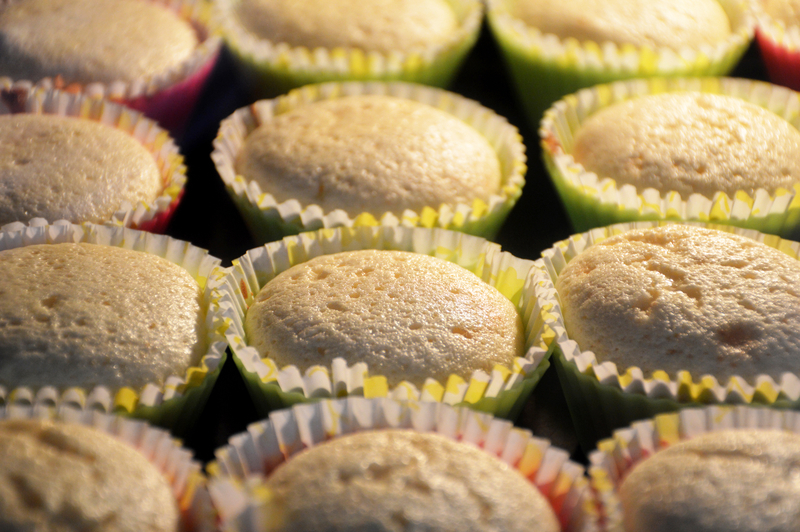


 When you mix muffin batter and place it in the oven, three main chemical reactions work together to transform liquid ingredients into a fluffy, solid muffin. Heat triggers protein changes, acids react with bases to create gas bubbles, and the entire structure sets permanently as moisture evaporates.
 Leavening agents create the gas bubbles that transform dense batter into light, fluffy muffins. Chemical leaveners like baking soda and baking powder release carbon dioxide gas through specific reactions that cause your muffin batter to expand during baking.
 Baking soda requires an acid to produce carbon dioxide gas, while baking powder contains its own built-in acid and activates with moisture and heat. The choice between these two chemical leaveners affects your muffin’s rise, texture, and flavor.
 Flour provides the structural framework for muffins through its protein and starch content, while gluten formation determines whether your muffins turn out tender or tough.
 The moisture and crumb structure in muffins depend on how you balance your ingredients and handle your batter. Getting the right ratio of liquids to dry ingredients creates tender muffins, while fats and sugars work together to keep them soft.
 The pH level in muffin batter directly affects how leavening agents work and influences texture, color, and taste. Baking soda and baking powder react differently based on the acidity of other ingredients, creating the chemical reactions that make muffins rise and develop flavor.
 Blueberries create special chemical reactions during baking that change both color and texture. The fruit’s natural compounds interact with common ingredients like baking soda and baking powder in ways that affect your final product.
 Yeast and chemical leaveners both create carbon dioxide gas to make baked goods rise, but yeast works through fermentation before baking while chemical leaveners activate with moisture and heat during baking.
 Getting the same great muffins every time requires careful attention to how you measure ingredients, control your oven, and avoid common mistakes that affect the chemical reactions during baking.
 Understanding the chemistry of muffins helps you fix problems when they don’t turn out right. The most common issues involve leavening agents not working properly, chemical reactions with berries, or gluten development affecting texture.
 Understanding the chemistry behind muffin baking gives you control over your results. When you know how ingredients interact and react to heat, you can adjust recipes with confidence and fix problems before they happen.
 Muffin baking depends on a series of chemical reactions that affect rise, texture, moisture, and flavor. Understanding the science behind muffins helps explain why ingredient balance and technique are so important.


