What Sugar Is Better for Muffins? A Comprehensive Guide
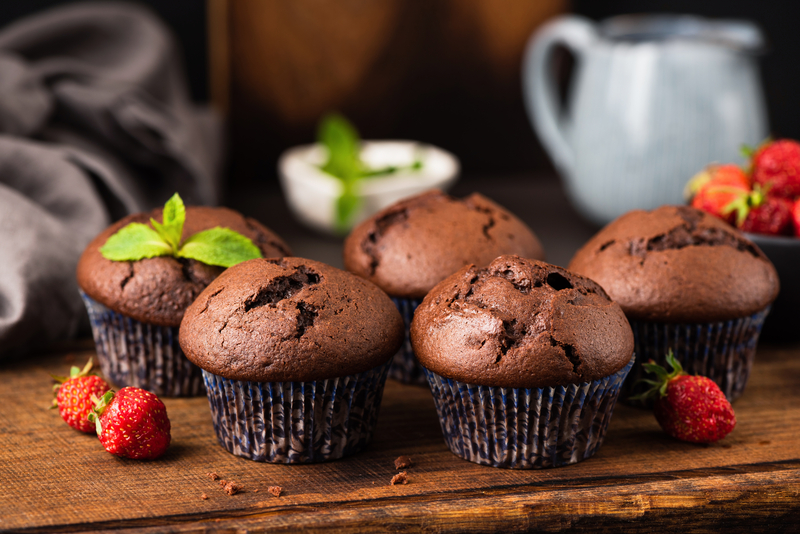
Sugar choice affects every bite of your muffin, from how soft the crumb feels to how rich it tastes. The type you use changes how much moisture stays in the muffin and how well the top browns in the oven.
Brown sugar delivers the best results for most muffins because it keeps them moist and adds a deep, caramel-like flavor that white sugar cannot match.
You have more options than just white and brown sugar. Honey, coconut sugar, and maple syrup each bring different textures and tastes to your muffins. Some make them denser and chewier, while others create a lighter crumb.
This guide breaks down how different sugars work in your muffin batter. You’ll learn which ones give you the texture you want, how to swap them without ruining your recipe, and what to sprinkle on top for that bakery-style finish.
How Sugar Affects Muffin Texture and Flavor
Sugar directly controls how moist your muffins stay, how deeply they brown, and how well sweetness blends with other ingredients. The type and amount you use changes the final crumb structure and taste profile.
Role in Moisture Retention
Sugar pulls water from the batter and holds it throughout baking, which keeps your muffins soft for days. This happens because sugar molecules bind to water molecules and prevent them from evaporating quickly in the oven.
Brown sugar retains more moisture than white sugar because it contains molasses, which is hygroscopic. When you use brown sugar, expect a denser, more tender crumb that stays fresh longer. Granulated white sugar still provides moisture retention but creates a lighter, airier texture.
Liquid sweeteners like honey add even more moisture to the batter. You’ll need to reduce other liquids by about 1/4 cup for every cup of honey to avoid overly wet muffins. The extra moisture from honey can make muffins slightly gummy if not balanced properly with flour and leavening agents.
Influence on Browning and Color
Sugar caramelizes when exposed to oven heat, creating the golden-brown crust on your muffins. This browning starts around 320°F and intensifies as sugar concentration increases on the muffin’s surface.
Brown sugar produces darker muffins with richer caramel notes due to its molasses content. The molasses flavor becomes more pronounced when you use dark brown sugar instead of light. White granulated sugar creates lighter-colored muffins with subtle browning.
Temperature matters for proper caramelization. Baking at 350-375°F gives sugar enough time to brown without burning. Higher temperatures can over-brown the outside while leaving the inside undercooked.
Balancing Sweetness and Other Flavors
Sugar balances acidic ingredients like buttermilk, lemon juice, or berries in your muffin batter. Without enough sugar, these flavors taste harsh or overly tart instead of bright and complementary.
The standard ratio is 3/4 to 1 cup of sugar per cup of flour for balanced sweetness. Reducing sugar below 2/3 cup makes muffins taste bland or even salty because you notice the salt more without adequate sweetness to counter it.
Different sugars have varying sweetness levels. Honey and maple syrup taste about 1.5 times sweeter than granulated sugar, so you can use less while maintaining the same perceived sweetness. This affects how other flavors—like vanilla, cinnamon, or nuts—come through in the finished muffin.
Overview of Popular Sugar Types Used in Muffins
Each sugar type brings different properties to muffin baking, from moisture levels to flavor depth and texture. Granulated sugar creates light, fluffy muffins, while brown sugar varieties add moisture and caramel notes that enhance richness.
Granulated Sugar and Its Properties
Granulated sugar is the standard choice for muffin recipes. It weighs about 200 grams per cup and dissolves easily into batters, creating even sweetness throughout.
This sugar produces a light, airy crumb structure in muffins. It promotes browning through caramelization, giving your muffins a golden exterior. The neutral flavor profile won’t compete with other ingredients like berries or chocolate chips.
You’ll get consistent results with granulated sugar because it provides structure without adding extra moisture. It has a glycemic index around 60-65 and contains 16 calories per teaspoon. When creamed with butter, it creates air pockets that help muffins rise properly.
Brown Sugar Varieties: Light, Dark, and Muscovado
Brown sugar contains molasses, which creates denser, moister muffins with extended shelf life. Light brown sugar has about 3.5% molasses content, while dark brown sugar contains roughly 6.5%.
Light brown sugarworks well for subtle caramel flavor without overpowering delicate ingredients. Dark brown sugar delivers stronger molasses taste and deeper color, ideal for spice muffins or chocolate varieties.
Muscovado sugar is the least refined option with up to 10% molasses content. It has a sticky texture and intense flavor similar to toffee. This variety adds significant moisture, creating very tender muffins, but may require adjustments to your liquid ingredients.
Cane Sugar, Demerara, and Turbinado Compared
Raw cane sugar undergoes minimal processing, retaining trace minerals and a light golden color. It substitutes for granulated sugar at a 1:1 ratio in batters.
Demerara sugar features large, amber crystals with mild caramel flavor. Turbinado sugar has slightly smaller crystals with a lighter color. Both work excellently as crunchy toppings for muffins before baking, adding texture and visual appeal.
Sugar Type
Crystal Size
Best Use
Flavor Notes
Demerara
Large
Topping
Caramel, toffee
Turbinado
Medium-large
Topping, batter
Mild molasses
Raw Cane
Medium
Batter
Subtle, clean
These sugars provide texture contrast when sprinkled on unbaked muffin tops.
Exploring Coconut, Raw, and Specialty Sugars
Coconut sugar comes from coconut palm sap and has a glycemic index of 15-30, significantly lower than granulated sugar. It substitutes at a 1:1 ratio but may darken your muffins slightly.
The flavor resembles brown sugar with subtle caramel undertones. It retains moisture well, producing soft muffin crumbs. You’ll get about 15 calories per teaspoon, similar to regular sugar.
Raw sugar refers to minimally processed cane sugar with larger crystals than granulated. It works in batters but doesn’t dissolve as quickly. Specialty sugars like maple sugar or date sugar offer unique flavors but typically cost more and may require recipe adjustments for moisture content.
Choosing the Best Sugar for Different Muffin Results
The type of sugar you choose directly controls whether your muffins turn out moist and dense, light and airy, or rich with deep caramel notes. Brown sugar adds moisture and depth, while granulated sugar creates lighter textures with cleaner sweetness.
Achieving Moist and Dense Muffins
Brown sugar is your best option for moist, dense muffins. The molasses in brown sugar attracts and holds water, which keeps your muffins tender for days after baking.
Light brown sugar contains about 3.5% molasses, while dark brown sugar has around 6.5%. This difference matters. Dark brown sugar produces noticeably denser muffins with more moisture retention than light brown sugar.
You can use brown sugar in a 1:1 ratio when replacing granulated sugar. The molasses content means your batter will have slightly more liquid, which creates a softer crumb structure.
Key benefits of brown sugar:
Keeps muffins soft for 2-3 days longer than granulated sugar
Adds moisture without requiring extra liquid ingredients
Creates a tighter, more compact crumb
If you want maximum moisture, use dark brown sugar. For moderate density with some lightness, stick with light brown sugar. The choice depends on whether you prefer bakery-style dense muffins or something in between.
Creating Light and Fluffy Textures
Granulated sugar produces the lightest, fluffiest muffins. It creams easily with butter, incorporating air bubbles that expand during baking to create lift.
When you beat granulated sugar with fat, the sharp sugar crystals cut into the butter and create tiny air pockets. These pockets expand with heat, making your muffins rise higher with a more open crumb structure.
Granulated sugar dissolves completely in your batter, distributing sweetness evenly without adding moisture like brown sugar does. This lets you control your muffin’s liquid content precisely through your wet ingredients.
For maximum fluffiness, cream your butter and granulated sugar for 3-4 minutes until pale and doubled in volume. This technique works best with granulated sugar because its crystal structure is ideal for trapping air.
Granulated sugar advantages:
Creates more rise and volume
Produces an even, tender crumb with visible air pockets
Allows precise moisture control
Avoid substituting brown sugar if your recipe specifically calls for granulated sugar in recipes aiming for light texture. The added molasses will weigh down the batter and reduce rise.
Boosting Caramel and Molasses Flavors
Dark brown sugar delivers the strongest caramel and molasses flavor in muffins. The higher molasses content (6.5% compared to 3.5% in light brown sugar) creates a rich, almost toffee-like taste.
Light brown sugar provides subtle caramel notes without overpowering other flavors. Use it when you want depth but still need ingredients like fruit or spices to shine through.
You can layer flavors by using both sugars. Try replacing half the granulated sugar with brown sugar to add complexity while maintaining good texture. This works especially well in banana, pumpkin, and spice muffins.
Molasses intensity comparison:
Sugar Type
Molasses Content
Flavor Profile
Granulated
0%
Clean, neutral sweetness
Light Brown
3.5%
Mild caramel notes
Dark Brown
6.5%
Strong molasses, toffee-like
The molasses in brown sugar also enhances browning on your muffin tops. This creates more color and a slightly crispy exterior that contrasts with the soft interior. If you want pronounced caramel flavor, dark brown sugar is your only choice—light brown sugar won’t deliver the same impact.
Decorative and Finishing Sugars for Muffin Tops
Different sugars create distinct textures and visual effects on muffin tops, from golden crunch to delicate sparkle. Choose based on whether you want rustic texture, festive shine, or a soft sweet finish.
Using Turbinado and Demerara for Crunch
Turbinado sugar creates the signature bakery-style crunch you find on professional muffins. The large golden crystals hold their shape during baking and add a subtle molasses flavor.
Demerara sugar works similarly but has slightly larger crystals and a stronger toffee taste. Both resist melting at oven temperatures, which keeps them crunchy instead of dissolving into the batter.
Sprinkle 1 teaspoon per muffin before baking. The crystals will bond to the batter as it rises and caramelize slightly at the edges. You can brush muffin tops with melted butter first for better adhesion, though the sugar will stick to plain batter just fine.
Turbinado is easier to find in regular grocery stores near standard sugars. Demerara typically requires specialty stores but gives a more pronounced crunch and deeper color.
Sanding, Pearl, and Sparkling Sugar Effects
Sanding sugar has medium-sized crystals between granulated and turbinado. It stays intact during baking and adds sparkle without heavy crunch. You’ll find it in white and multiple colors for holiday baking.
Pearl sugar features large, round pellets that create distinct bumps on muffin tops. It’s common in Scandinavian baking and provides dramatic texture with a mild crunch. The pearls don’t melt or spread.
Sparkling sugar (also called coarse sugar) has extra-large crystals that catch light and create visible shine. It works best on darker muffins like chocolate or pumpkin where the contrast shows clearly.
All three stick well to batter without butter. Use sanding sugar when you want color options. Choose pearl sugar for distinct textural elements. Pick sparkling sugar when visual impact matters most.
Powdered and Icing Sugar for Dusting
Powdered sugar and icing sugar are the same product—finely ground sugar mixed with cornstarch to prevent clumping. Apply them after baking and cooling, never before.
Dust a light layer over cooled muffins using a fine-mesh sieve or shaker. The white coating provides elegant visual contrast on dark muffins like blueberry or chocolate chip. It melts on contact with moisture, so add it right before serving.
This finish works best for presentation rather than texture since it doesn’t create crunch. The cornstarch in powdered sugar can taste chalky if applied too heavily, so use a thin coating.
Natural Sweeteners and Sugar Substitutes in Muffins
Natural sweeteners like honey and maple syrup bring moisture and distinct flavors to muffins, while molasses and agave nectar offer unique taste profiles and nutritional benefits. When using liquid sweeteners, you need to reduce other liquids in your recipe to maintain proper batter consistency.
Honey and Maple Syrup Applications
Honey adds a floral sweetness and creates tender, moist muffins that stay fresh longer. Use ¾ cup honey to replace 1 cup of white sugar, and reduce other liquids by ¼ cup.
Maple syrup delivers a caramel-like flavor that works well in oatmeal or spice muffins. You’ll need ¾ cup maple syrup per 1 cup of sugar, plus the same liquid reduction.
Both sweeteners cause faster browning, so lower your oven temperature by 25°F. They also make muffins denser due to added moisture. Since honey is 1.5 times sweeter than sugar, you can use even less if you prefer less sweetness.
Molasses and Agave Nectar as Alternatives
Molasses provides a deep, rich flavor and adds iron and calcium to your muffins. It works best when combined with other sweeteners since its strong taste can overpower delicate flavors. Use ½ cup molasses with ½ cup sugar for balanced sweetness.
Agave nectar has a mild taste and a low glycemic index of 15-30, making it suitable for blood sugar management. Replace 1 cup sugar with ⅔ cup agave nectar and reduce liquids by ¼ cup. Its neutral flavor won’t compete with other ingredients like fruit or chocolate.
When you switch from granulated sugar to any liquid sweetener, subtract 3-4 tablespoons of liquid per cup of sweetener used. This maintains proper batter thickness and prevents soggy muffins.
Liquid sweeteners don’t cream with butter like solid sugar does, which affects texture. Mix them with your wet ingredients first for even distribution. You may need to add an extra egg or ¼ teaspoon baking soda to help muffins rise properly.
Check doneness 5 minutes earlier than the original recipe states, since liquid sweeteners accelerate browning. A toothpick inserted in the center should come out clean or with a few moist crumbs.
Helpful Tips, Substitutions, and Muffin Recipes
When swapping sugars in muffin recipes, you need to adjust liquid ratios and baking times to maintain proper texture. Different sweeteners behave uniquely in baking, affecting moisture retention, browning, and crumb structure.
Adjusting for Sugar Substitutes
Liquid sweeteners like honey and maple syrup require reducing other liquids by 1/4 cup for every cup of sweetener used. These alternatives are 1.5 times sweeter than granulated sugar, so use only 3/4 cup to replace 1 cup of white sugar.
Brown your muffins more carefully when using honey, as it caramelizes faster than granulated sugar. Lower your oven temperature by 25°F and check for doneness 5 minutes earlier than the recipe suggests.
Sugar alcohol substitutes like erythritol don’t caramelize, which creates lighter-colored muffins with a denser texture. Add 2 tablespoons of applesauce or yogurt per cup of sugar alcohol to improve moisture and softness.
Substitute
Amount for 1 Cup Sugar
Liquid Adjustment
Honey
3/4 cup
Reduce by 1/4 cup
Maple Syrup
3/4 cup
Reduce by 1/4 cup
Coconut Sugar
1 cup
None needed
Erythritol
1 1/3 cups
Add 2 tbsp moisture
Classic and Healthier Muffin Variations
Blueberry muffins work best with granulated sugar for a light, fluffy texture. Use 3/4 cup sugar per 2 cups flour for standard sweetness.
For healthier versions, swap half the white sugar with mashed banana or unsweetened applesauce. This cuts refined sugar by 50% while adding natural sweetness and fiber. Each 1/4 cup of fruit puree replaces 1/4 cup sugar.
Chocolate chip muffins benefit from brown sugar, which adds moisture and caramel notes that complement chocolate. Use a 50-50 blend of brown and white sugar for balanced flavor.
Whole wheat flour muffins pair well with coconut sugar or date sugar, as their earthy flavors match the grain’s nuttiness. These alternatives provide minerals absent in refined sugars while maintaining similar baking properties.
Incorporating Cornmeal and Other Ingredients
Cornmeal muffins need careful sugar selection because cornmeal absorbs more moisture than all-purpose flour. Use brown sugar or honey to keep these muffins from drying out during baking.
For cornmeal recipes, increase sugar by 2 tablespoons when using granulated sugar to balance cornmeal’s slight bitterness. Alternatively, use 1/2 cup honey instead of 2/3 cup white sugar for enhanced moisture.
Mix cornmeal with add-ins like jalapeños or cheddar cheese in savory muffins, reducing sugar to 2-3 tablespoons total. The small amount still activates browning without creating noticeable sweetness.
Texture tip: Let cornmeal batter rest for 10 minutes before baking when using liquid sweeteners. This allows the cornmeal to hydrate fully, preventing gritty texture in the finished muffins.
FAQ: What Sugar Is Better for Muffins?
The type of sugar used in muffins affects sweetness, moisture, texture, and browning. Different sugars create different baking results.
What Sugar Is Best for Muffins?
Brown sugar and white sugar are the most common choices.
Brown sugar creates softer, moister muffins
White sugar gives a lighter texture and cleaner sweetness
Why Is Brown Sugar Good for Muffins?
Brown sugar contains molasses, which adds:
Moisture
Richer flavor
Softer texture
It also helps muffins stay tender longer.
What Does White Sugar Do in Muffins?
White sugar contributes to:
Sweetness
Lighter crumb texture
More even rise
Slightly crisp tops
Can You Use Both Brown and White Sugar in Muffins?
Yes, many recipes combine both to balance flavor, moisture, and structure.
Is Raw Sugar Good for Muffins?
Raw sugar can be used, but its larger crystals may affect texture and dissolve less evenly than standard baking sugar.
What Sugar Makes Muffins Moist?
Brown sugar generally creates moister muffins because it retains more moisture during baking.
Can You Reduce Sugar in Muffin Recipes?
Yes, but reducing sugar may affect:
Texture
Moisture
Browning
Overall flavor balance
Are Natural Sweeteners Good for Muffins?
Options like honey, maple syrup, or coconut sugar can work, but they may change texture and baking time.
Does Sugar Affect Muffin Browning?
Yes, sugar contributes to browning and helps create golden muffin tops during baking.
Which Sugar Is Healthiest for Muffins?
No sugar is completely “healthy,” but less refined options like coconut sugar or moderate use of natural sweeteners are often considered alternatives to refined white sugar.

 Sugar choice affects every bite of your muffin, from how soft the crumb feels to how rich it tastes. The type you use changes how much moisture stays in the muffin and how well the top browns in the oven.
 Sugar directly controls how moist your muffins stay, how deeply they brown, and how well sweetness blends with other ingredients. The type and amount you use changes the final crumb structure and taste profile.
 Each sugar type brings different properties to muffin baking, from moisture levels to flavor depth and texture. Granulated sugar creates light, fluffy muffins, while brown sugar varieties add moisture and caramel notes that enhance richness.
 The type of sugar you choose directly controls whether your muffins turn out moist and dense, light and airy, or rich with deep caramel notes. Brown sugar adds moisture and depth, while granulated sugar creates lighter textures with cleaner sweetness.
 Different sugars create distinct textures and visual effects on muffin tops, from golden crunch to delicate sparkle. Choose based on whether you want rustic texture, festive shine, or a soft sweet finish.
 Natural sweeteners like honey and maple syrup bring moisture and distinct flavors to muffins, while molasses and agave nectar offer unique taste profiles and nutritional benefits. When using liquid sweeteners, you need to reduce other liquids in your recipe to maintain proper batter consistency.
 When swapping sugars in muffin recipes, you need to adjust liquid ratios and baking times to maintain proper texture. Different sweeteners behave uniquely in baking, affecting moisture retention, browning, and crumb structure.
 The type of sugar used in muffins affects sweetness, moisture, texture, and browning. Different sugars create different baking results.


