What is the Secret to a Good Muffin? Tips from Professional Bakers
A good muffin has a light and fluffy texture, balanced sweetness, and a moist crumb that doesn’t crumble or feel dense. The difference between a basic homemade muffin and a bakery-quality treat comes down to understanding how ingredients work together and using proper mixing techniques.
The secret to a perfect muffin is using quality ingredients in precise measurements, mixing the batter until just combined to avoid overworking the gluten, and baking at the right temperature to achieve proper rise and texture.
Many home bakers struggle with muffins that turn out tough, dry, or flat because they overlook these key principles.
This guide will walk you through everything you need to know about making bakery-style muffins at home. You’ll learn which ingredients matter most, how to mix your batter correctly, and what baking techniques produce those coveted tall, rounded tops. Whether you want classic blueberry muffins or creative flavor combinations, these methods will help you bake better muffins every time.
Critical Muffin Ingredients and Their Roles
Each ingredient in muffin batter serves a specific purpose that affects texture, moisture, and rise. Understanding how flour, fats, leavening agents, and add-ins work together helps you create bakery-quality muffins at home.
Flour, Sugars, and Basic Dry Mix
All-purpose flour provides the structure for your muffins through gluten development. When flour mixes with liquid, proteins form gluten strands that give muffins their shape. Too much mixing creates tough, chewy muffins, while gentle folding keeps them tender.
Sugar does more than add sweetness. It helps retain moisture, creates a golden-brown crust, and tenderizes the crumb by interfering with gluten formation. Granulated sugar works for most muffin recipes, while brown sugar adds extra moisture and a deeper flavor.
Baking powder and baking soda are your leavening agents. Baking powder contains both acid and base, activating when it meets liquid and again when heated. Baking soda needs an acidic ingredient like buttermilk, yogurt, or lemon juice to create lift. Replace these ingredients every six months for optimal rise.
Salt balances sweetness and strengthens gluten structure. Even a small amount makes flavors more pronounced in blueberry muffins or chocolate chip muffins.
Butter, Oil, and Fats for Tenderness
Fats create the tender, moist texture that separates great muffins from dry ones. Butter and oil work differently in muffin batter. Butter provides rich flavor and helps create structure, while oil produces exceptionally moist muffins that stay fresh longer.
Oil coats flour proteins more effectively than butter, which slows gluten development. This results in a softer crumb and higher rise. Vegetable oil and canola oil work well, though melted coconut oil adds subtle flavor.
Using both fats gives you the best results. Butter contributes flavor while oil maintains moisture. A typical ratio is two-thirds oil to one-third butter. For lemon poppy seed muffins, this combination keeps the texture light while preserving the bright citrus taste.
Fat content directly affects shelf life. Muffins made only with butter dry out faster than those containing oil. Add at least some oil if you want muffins that stay tender for several days.
Room Temperature and Freshness Matters
Room temperature ingredients blend more smoothly into muffin batter. Cold eggs create lumps and prevent proper emulsification with fats. Cold butter won’t cream properly with sugar, leading to dense muffins.
Leave eggs on the counter for 30 minutes before baking. If you forget, place them in warm water for five minutes. Butter should sit out for about an hour until it dents easily when pressed but still holds its shape.
Fresh leavening agents are critical for proper rise. Baking powder loses potency after six months. Test it by mixing one teaspoon with half a cup of warm water. It should bubble immediately. For baking soda, add a few drops of vinegar. Active baking soda fizzes vigorously.
Mark the date you open baking powder and baking soda containers. Replace them regularly even if they look fine. Expired leavening agents are the main reason muffins turn out flat and dense.
Choosing Add-Ins and Mix-Ins
Fresh or frozen berries both work well in blueberry muffins. Rinse frozen berries under cold water to remove excess color that bleeds into batter. Pat them completely dry with paper towels before adding them to your mix.
Toss add-ins in a tablespoon of flour before folding them in. This coating helps suspend heavier ingredients like chocolate chips throughout the batter instead of sinking to the bottom. For chocolate chip muffins, this technique ensures even distribution.
Add mix-ins as the final step after combining wet and dry ingredients. Gentle folding prevents overmixing while distributing berries, nuts, or chips evenly. Use no more than one to one-and-a-half cups of add-ins per standard batch.
Layer plain batter in the bottom third of each muffin cup, then add the remaining batter with mix-ins. This base layer keeps blueberries and chocolate chips from collecting at the bottom, creating better texture throughout each muffin.
Leavening Agents: Achieving Lift and Texture
The right leavening agents transform dense batter into light, airy muffins with proper rise and tender crumb. Fresh baking powder and baking soda work through chemical reactions that create carbon dioxide gas, producing the lift and texture that define perfect muffins.
Using Baking Powder and Baking Soda
Baking powder is the primary leavening agent in most muffin recipes. It contains both an acid and a base, so it produces carbon dioxide as soon as it contacts liquid in your thick batter. Double-acting baking powder releases gas twice: once when mixed and again when heated in the oven.
Baking soda requires an acidic ingredient to activate. When your recipe includes buttermilk, yogurt, sour cream, or lemon juice, baking soda reacts immediately to create lift.
Most muffin recipes use 1 to 2 teaspoons of baking powder per cup of flour. This ratio produces fluffy muffins without an unpleasant chemical taste. Too much baking powder causes muffins to rise quickly then collapse, creating a coarse texture.
Some recipes combine both agents. The baking soda neutralizes acidic ingredients while the baking powder provides additional lift. This combination creates tender muffins with balanced flavor and proper structure.
Importance of Fresh Leavening Agents
Leavening agents lose potency over time. Old baking powder or baking soda produces weak reactions that result in dense, flat muffins.
Test baking powder by mixing one teaspoon with hot water. Fresh powder fizzes vigorously. Weak bubbling means you need a new container.
Test baking soda by mixing a small amount with vinegar. Strong fizzing indicates active leavening power.
Replace baking powder every 6 months and baking soda every 12 months. Store both in cool, dry locations away from moisture. Humidity reduces their effectiveness even before the expiration date.
Using fresh leavening agents ensures consistent results. The difference between fresh and expired products is visible in muffin height and internal structure.
The Science of Rise and Fluffiness
Carbon dioxide gas creates air pockets throughout your muffin batter. These bubbles expand in the oven’s heat, pushing the batter upward and outward. The structure sets as proteins in eggs and flour cook, trapping the gas bubbles permanently.
The thick batter consistency in muffins helps support these gas bubbles. Batter that’s too thin allows bubbles to escape before baking. Batter that’s too thick restricts expansion.
Temperature matters for optimal rise. Baking at 375°F to 425°F sets the structure quickly while allowing maximum expansion. Lower temperatures let muffins spread instead of rise. Higher temperatures create hard exteriors before the interior fully expands.
The protein network from flour and eggs gives muffins their structure. As gas bubbles form and expand, this network stretches to accommodate them. Proper gluten development from mixing creates enough strength to hold the rise without becoming tough or chewy.
Mixing Methods and Preventing Common Mistakes
The way you combine ingredients directly affects your muffin’s texture. Using the right technique and tools prevents dense, chewy results and helps create the soft crumb you expect from a quality muffin.
Avoid Overmixing for Tender Results
Overmixing is the most frequent mistake in muffin baking. When you stir muffin batter too much, the texture becomes tough and tunnels form inside. A properly mixed batter should look slightly lumpy, not smooth.
Mix your wet ingredients in one mixing bowl and dry ingredients in another. Pour the wet into the dry and fold with a spatula just until no dry flour remains visible. Stop stirring as soon as the ingredients come together. The entire mixing process after combining wet and dry should take about 10 to 15 gentle folds.
Thick batter with small lumps is normal and desirable. Those lumps will disappear during baking. If you continue mixing to eliminate every lump, you will create a tough muffin top and dense interior instead of the light texture you want.
Add mix-ins like berries or chocolate chips with only 2 to 3 final folds. Do not overmix at this stage either.
Controlling Gluten Formation
Gluten formation happens when flour proteins absorb liquid and get worked through stirring. Bread needs gluten for structure, but muffins need minimal gluten to stay tender.
The moment your flour touches liquid ingredients, gluten begins developing. Every additional stir strengthens this network. This is why you must avoid overmixing and why the muffin method keeps wet and dry ingredients separate until the last moment.
You can also reduce gluten development by:
Using cake flour or a mix of all-purpose and cake flour
Choosing recipes with higher fat content, which coats flour proteins
Less mixing time means less gluten activation, which leads to softer muffins with better crumb structure.
Recommended Tools for Even Mixing
A large rubber spatula or wooden spoon works better than an electric mixer for muffin batter. Hand tools give you better control and prevent over-mixing. Electric mixers work too aggressively and develop gluten faster.
Use a whisk only for combining dry ingredients or whisking wet ingredients separately. Once you combine the two, switch to a spatula. The folding motion with a spatula gently incorporates ingredients without overworking the batter.
Acookie scoop or ice cream scoop helps portion batter evenly into your muffin pan. This creates uniform muffins that bake at the same rate. Choose a scoop size that fills each cup about two-thirds full for standard muffins or nearly full for bakery-style tops.
Keep your mixing bowl large enough to fold ingredients without spilling. A bowl that is too small forces you to stir more vigorously, increasing the risk of developing excess gluten.
Baking Techniques and Temperature Precision
Getting the baking temperature right and using proper techniques makes the difference between flat, dense muffins and perfectly risen ones with golden tops. The right pan setup and accurate oven temperature control ensure consistent results every time.
Setting the Ideal Baking Temperature
Most muffins bake best at 375°F to 400°F for standard sizes. This temperature range creates enough heat to activate baking powder quickly while allowing the interior to cook through without burning the outside.
For bakery-style muffins with tall, domed tops, start at a higher baking temperature of 425°F for the first 5-7 minutes. Then reduce the heat to 350°F for the remaining bake time. This initial blast of heat causes rapid rise before the structure sets, creating that signature muffin top.
Mini muffins require a slightly lower temperature of 350°F to 375°F since they cook faster. Jumbo muffins need the standard 375°F but for a longer duration.
The two-temperature method works because high heat creates steam that pushes the batter upward. Once the exterior begins to set, lower heat finishes cooking the center without over-browning the surface.
Muffin Pan Preparation and Liners
Use paper liners or parchment squares instead of just greasing your muffin pan. Liners provide a sturdy wall for batter to climb against during baking, which helps create taller muffins.
Benefits of using muffin liners:
Easier muffin removal from the pan
Better rise and structure
Cleaner presentation
Less pan cleanup required
Fill every other well in your muffin pan rather than all wells. This spacing allows better air circulation around each muffin, promoting even baking and taller rise. Spray the top surface of the pan with cooking spray to prevent sticking as tops spread.
Choose sturdy paper liners over thin ones. Thicker liners hold their shape better and won’t peel away from the muffin as it rises.
Oven Thermometer Use and Accuracy
Your oven’s built-in thermometer can be off by 25°F or more. An oven thermometer shows the actual temperature inside, which is critical for proper muffin baking.
Place the oven thermometer on the center rack where you’ll bake your muffins. Preheat the oven and check the thermometer reading against your temperature setting. If there’s a difference, adjust your dial accordingly.
Test your oven temperature every few months since calibration can drift over time. Even a 15°F difference affects how muffins rise and brown.
Position your muffin pan in the center of the oven for the most even heat distribution. Avoid placing pans too close to heating elements or oven walls.
Baking Time for Different Muffin Sizes
Standard muffins typically bake for 18-22 minutes at 375°F. Mini muffins need only 10-14 minutes, while jumbo muffins require 25-30 minutes.
Baking time guidelines:
Muffin Size
Temperature
Time Range
Mini
350-375°F
10-14 minutes
Standard
375-400°F
18-22 minutes
Jumbo
375°F
25-30 minutes
Check for doneness by inserting a toothpick into the center. It should come out clean or with just a few moist crumbs. The muffin top should spring back when lightly pressed.
Golden brown color on top indicates proper baking. The edges will pull slightly away from the liner when fully baked. Avoid opening the oven door during the first 15 minutes, as temperature drops can cause muffins to fall.
Finishing Touches: Toppings, Texture, and Cooling
The final steps of muffin preparation determine whether your baked goods achieve bakery quality or fall short. Adding the right toppings, cooling muffins properly, and understanding texture differences will improve both appearance and taste.
Applying Crumb and Streusel Toppings
Crumb topping and streusel topping transform standard muffins into bakery-style treats. These toppings add a sweet, crunchy contrast to the soft muffin base.
A basic streusel combines butter, flour, sugar, and sometimes cinnamon or nuts. You should apply it generously before baking, pressing it gently into the batter so it adheres during the baking process. The topping will crisp up in the oven and create a golden-brown finish.
For best results, keep your butter cold when making streusel. Cold butter creates distinct crumbs rather than a paste. Mix the ingredients with your fingers or a pastry cutter until the mixture resembles coarse sand.
You can also sprinkle turbinado sugar, or sanding sugar on top before baking. This creates a caramelized, crunchy surface without the extra preparation time that streusel requires. Add these sugars right before the muffins go into the oven.
Using Cooling Racks for Best Results
A cooling rack prevents soggy bottoms and maintains the texture you worked to create. Remove muffins from the pan after 5 minutes and transfer them to a wire rack.
Leaving muffins in the pan traps steam underneath. This moisture softens the bottom and sides, creating an unpleasant texture. The cooling rack allows air to circulate around the entire muffin.
Place your rack over a countertop or baking sheet to catch any crumbs. Space muffins at least an inch apart so air flows freely between them. Let them cool for at least 15 minutes before serving or storing.
If you add glazes or powdered sugar, wait until muffins cool completely. Hot muffins will melt these toppings and create a runny mess instead of a polished finish.
Texture Differences: Moist vs. Fluffy Muffins
Moist muffins and fluffy muffins require different ingredient ratios and mixing techniques. Understanding these differences helps you achieve your desired result.
Moist muffins contain more fat and liquid. Oil keeps muffins tender longer than butter alone. Ingredients like yogurt, sour cream, or buttermilk add moisture and create a denser crumb. These muffins work well for recipes with fruit or vegetables.
Fluffy muffins need proper leavening and minimal mixing. They rely on baking powder or baking soda to create air pockets. Overmixing develops gluten, which makes muffins tough instead of light. Fold your ingredients together just until combined, leaving small lumps in the batter.
The ratio of wet to dry ingredients affects your final texture. More liquid creates moisture, while a drier batter with proper leavening produces height and fluffiness. Cake flour instead of all-purpose flour also increases tenderness in fluffy muffins.
Muffin Variations and Flavor Inspirations
The right flavor combination transforms a basic muffin into something memorable, whether you prefer fruit-studded classics or rich chocolate variations. Each style requires specific ingredient ratios and techniques to achieve the ideal texture and taste.
Classic Blueberry Muffins
Blueberry muffins remain the most popular muffin variety because they balance sweetness with tart bursts of fruit. You need 1.5 cups of fresh or frozen blueberries for a standard 12-muffin batch. Fresh blueberries create pockets of juice, while frozen berries hold their shape better during baking.
The key is coating your berries lightly in flour before folding them into the batter. This prevents them from sinking to the bottom during baking. Toss the blueberries with one tablespoon of flour from your recipe.
For enhanced flavor, add lemon zest to your batter. One tablespoon of fresh lemon zest brightens the berries without making the muffins taste like lemon poppy seed muffins. Skip the optional cinnamon in your base recipe when using blueberries.
Never thaw frozen blueberries before adding them. Thawed berries release too much moisture and turn your batter purple. Add them straight from the freezer for the best results.
Bakery-Style and Jumbo Muffins
Bakery-style muffins feature tall domed tops and a slightly denser crumb than regular muffins. You create this effect by filling muffin cups to the brim and using high initial heat. Start baking at 425°F for five minutes, then reduce to 350°F for the remaining time.
Jumbo muffins require a six-cup muffin pan and longer baking times. Fill each cup completely and bake for five minutes at 425°F, then 22 to 25 minutes at 350°F. Check doneness with a toothpick inserted into the center.
Size comparison:
Muffin Size
Quantity
Baking Time
Standard
12 muffins
22-23 minutes
Jumbo
6 muffins
27-30 minutes
Mini
36-40 muffins
11-13 minutes
Mini muffins work well for portion control and quick breakfast options. Reduce the baking time significantly and watch them carefully to prevent overbaking.
Chocolate Chip and Double Chocolate Muffins
Chocolate chip muffins require 1.5 cups of semi-sweet chocolate chips mixed into your standard batter. Keep the cinnamon in your base recipe as it enhances chocolate flavors. You can also add one teaspoon of espresso powder to intensify the chocolate taste without making the muffins taste like coffee.
Double chocolate muffins need a different base recipe entirely. Standard quick bread batter cannot support cocoa powder without becoming dry. Replace some flour with Dutch-process cocoa powder and adjust the leavening agents.
Use quality chocolate chips that hold their shape during baking. Cheaper chips contain less cocoa butter and turn grainy when heated. Mix in half the chips with the batter and press the remaining chips on top before baking.
White chocolate chips pair well with raspberries or cranberries. Use three-quarters cup of chips combined with one cup of fruit for balanced sweetness.
Creative Twists: Lemon Poppy Seed and Beyond
Lemon poppy seed muffins combine bright citrus flavor with the subtle crunch of poppy seeds. Add two tablespoons of fresh lemon zest and three tablespoons of lemon juice when you mix in the milk. Include two tablespoons of poppy seeds with your dry ingredients. Skip the cinnamon in your base recipe for these muffins.
Apple cinnamon muffins need finely chopped apples rather than large chunks. Cut apples into quarter-inch pieces so they distribute evenly. Use 1.5 cups of peeled chopped apples and increase the cinnamon to 1.5 teaspoons total.
Cranberry orange muffins work best with fresh cranberries and orange zest. Chop the cranberries in half to prevent overly tart bites. Add one tablespoon of orange zest for flavor that complements the tartness.
Fruit preparation guidelines:
Peel and chop apples and pears into small pieces
Leave berry skins intact for texture
Drain canned fruits completely before adding
Pat fresh fruits dry to remove excess moisture
Strawberry cheesecake muffins combine fresh chopped strawberries with cream cheese cubes. Cut cream cheese into small chunks and freeze them before adding to prevent complete melting during baking.
FAQ: What Is the Secret to a Good Muffin?
A good muffin is soft, moist, and lightly risen with a tender crumb. The “secret” comes down to technique, ingredient balance, and not overworking the batter.
What Is the Secret to a Good Muffin?
The main secret is gentle mixing and correct ingredient balance. Muffins should be mixed just until combined to avoid a dense texture.
Why Is Not Overmixing So Important?
Overmixing develops too much gluten, which can make muffins tough, chewy, or rubbery instead of soft and fluffy.
What Ingredients Make Muffins Better?
Key ingredients that improve muffins include:
Fat (butter or oil) for moisture
Eggs for structure
Sugar for softness and browning
Leavening agents for rise
Should Muffin Batter Be Lumpy?
Yes, muffin batter should be slightly lumpy. A smooth batter often means it has been overmixed.
Does Resting Muffin Batter Help?
Yes, letting batter rest briefly can improve hydration and lead to a better rise and texture.
What Temperature Is Best for Muffins?
Most muffins bake best at 180°C (350°F), with some recipes starting hotter for a stronger rise.
How Do You Make Muffins Moist?
To keep muffins moist:
Use enough fat (oil or butter)
Avoid overbaking
Do not overmix
Measure ingredients accurately
Why Do Muffins Not Rise Properly?
Poor rise can be caused by:
Expired baking powder or soda
Overmixing
Incorrect oven temperature
Thin batter
What Makes Muffin Tops Domed and Bakery-Style?
A higher initial oven temperature and thick batter help create domed muffin tops.
Is Baking Technique More Important Than Ingredients?
Both matter, but technique often makes the biggest difference in muffin texture and consistency.
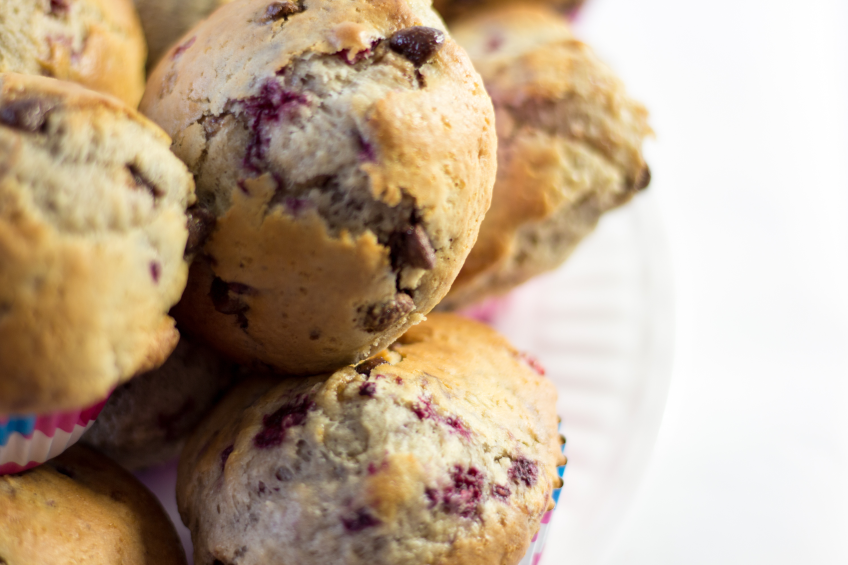


 The right leavening agents transform dense batter into light, airy muffins with proper rise and tender crumb. Fresh baking powder and baking soda work through chemical reactions that create carbon dioxide gas, producing the lift and texture that define perfect muffins.
 The way you combine ingredients directly affects your muffin’s texture. Using the right technique and tools prevents dense, chewy results and helps create the soft crumb you expect from a quality muffin.
 Getting the baking temperature right and using proper techniques makes the difference between flat, dense muffins and perfectly risen ones with golden tops. The right pan setup and accurate oven temperature control ensure consistent results every time.
 The final steps of muffin preparation determine whether your baked goods achieve bakery quality or fall short. Adding the right toppings, cooling muffins properly, and understanding texture differences will improve both appearance and taste.
 The right flavor combination transforms a basic muffin into something memorable, whether you prefer fruit-studded classics or rich chocolate variations. Each style requires specific ingredient ratios and techniques to achieve the ideal texture and taste.
 A good muffin is soft, moist, and lightly risen with a tender crumb. The “secret” comes down to technique, ingredient balance, and not overworking the batter.


