What Are the Ingredients for Muffins? A Comprehensive Guide to Basic Muffin Recipes
Muffins use a simple group of ingredients, each playing a key role in texture, flavor, and rise. You can start with a basic muffin recipe and customize it with dairy, fats, spices, fruit, nuts, or savory fillings.
The essential muffin ingredients include flour, sugar, eggs, milk, baking powder, salt, and butter or oil.
Learning how to choose and combine these ingredients, mix the batter correctly, and prepare the pan will help you bake muffins with great rise and flavor. Practical tips for cooling and storing fresh muffins also make a difference.
Essential Ingredients and Their Roles
Muffins depend on a balance of dry ingredients, leaveners, and wet ingredients. Each affects the muffin’s structure, rise, flavor, moisture, and crumb.
Flour for Structure
Flour provides the structure that holds muffins together. All-purpose flourcreates a balanced texture and works well for most recipes. Measure carefully; too much flour can make muffins dry and dense.
You can replace part of the all-purpose flour with whole wheat flour for a nuttier flavor and more fiber. Whole wheat flour absorbs more liquid, so you may need extra milk or another moist ingredient. Using only whole wheat flour creates a heavier crumb.
Mix flour with the other dry ingredients before adding the wet mixture. Stir just until no large streaks of dry flour remain. Overmixing develops gluten, which can make muffins tough instead of tender.
Leaveners for Rise
Baking powder and baking soda help muffins rise. Baking powder contains both an acid and a base, so it produces carbon dioxide when mixed with moisture and heated. It’s often the main leavener in basic muffin recipes.
Baking soda needs an acidic ingredient, such as buttermilk, yogurt, brown sugar, or natural cocoa powder. It can create a good rise and deeper browning when used in the correct amount. Too much can leave a bitter or soapy taste.
Use fresh leaveners for reliable results. Always preheat your oven, as the batter begins reacting as soon as ingredients combine. Fill each muffin cup about two-thirds full to allow room for the batter to expand.
Sugar and Salt for Flavor
Granulated sugar adds sweetness, helps muffins brown, and contributes to a softer texture. Brown sugar adds moisture and a mild molasses flavor, ideal for banana, apple, and spice muffins.
The amount of sugar also affects the crumb. Too little can produce bland, pale muffins; too much may make them overly soft or cause them to brown quickly. Adjust sugar types carefully, as large changes can affect the batter’s moisture.
Salt strengthens the flavor of all other ingredients. Add salt with the dry ingredients so it spreads evenly through the batter.
Eggs, Milk, and Fat for Moisture
A large egg adds moisture, binds ingredients, and helps muffins hold their shape. Eggs also support browning and contribute to a tender crumb. Let eggs reach room temperature for easier blending.
Milk loosens the batter and adds moisture. Whole milk gives a richer result, while buttermilk adds tang and acidity that can activate baking soda. If using buttermilk, avoid adding extra liquid unless the recipe requires it.
Unsalted butter gives muffins a rich flavor, while vegetable oil or canola oil usually produces moist muffins with a softer texture. Melt butter before mixing it into the wet ingredients, letting it cool slightly so it does not cook the egg.
Choosing Dairy, Fats, and Flavor Enhancers
Your choice of fat affects a muffin’s flavor, softness, and shelf life. Dairy adds moisture and richness, while extracts, citrus, and spices shape the final taste without changing the basic batter structure.
Butter Versus Oil
Butter gives muffins a rich flavor and a tender crumb. Use unsalted butter to control the salt in the recipe. Melted butter works well in simple batters, but let it cool slightly before mixing with eggs to prevent curdling.
Vegetable oil and canola oil create soft, moist muffins because they remain liquid after baking. Their mild flavor suits fruit, chocolate, and spice muffins. Oil also helps muffins stay moist longer than butter, but does not provide the same dairy flavor.
You can combine butter and oil. Butter supplies flavor, while a smaller amount of oil helps maintain a soft texture.
Milk and Dairy Alternatives
Whole milk adds moisture and richness, making it a reliable choice for basic muffins. Buttermilk adds a mild tang and helps produce a tender texture. Because it is acidic, it pairs well with baking soda; follow the recipe’s leavening amounts.
Sour cream creates rich, moist muffins and works especially well in coffee cake or fruit recipes. Since it is thick, you may need to adjust the liquid if you replace milk with it.
For dairy-free muffins, use almond milk or soy milk in equal amounts when the recipe calls for regular milk. Soy milk has more protein and often gives the batter a structure closer to dairy milk. Choose plain, unsweetened versions to avoid unwanted sweetness or flavor.
Extracts, Citrus, and Spices
Vanilla extract supports nearly every sweet muffin flavor. Add almond extract to cherry, peach, apple, or almond muffins, but use a small amount because its flavor is strong.
Warm spices work best when balanced with the main ingredients. Cinnamonsuits apple, banana, and oat muffins. Nutmeg adds a gentle, warm note, while ginger brings sharper spice to pear, pumpkin, and citrus recipes.
Use lemon zest for bright lemon flavor without adding much liquid. Add lemon juice for acidity and a sharper taste, but reduce another liquid slightly if you add more than the recipe specifies. Combine lemon zest with vanilla, berries, or poppy seeds for a fresh flavor.
Optional Mix-Ins for Sweet and Savory Batches
Mix-ins add flavor, moisture, texture, and color to a basic muffin batter. Use fresh or frozen fruit, chocolate, nuts, dried fruit, seeds, herbs, cheese, or cooked vegetables, keeping the total amount balanced so the muffins bake evenly.
Fruit and Berry Additions
Fresh or frozen fruit works well in many muffin recipes. For blueberry muffins, fold in about 1½ cups of fresh or frozen blueberries. Do not thaw frozen berries, or they may release extra liquid and turn the batter purple. The same method works with frozen raspberries, blackberries, or mixed frozen berries.
Chopped apples pair well with cinnamon, nutmeg, and brown sugar. Use about 1½ cups of peeled, small apple pieces for apple cinnamon muffins. Firm apples hold their shape better during baking. For banana muffins, replace some of the liquid with about ¾ cup of mashed ripe banana and add walnuts if desired.
Citrus zest adds strong flavor without much liquid. Add lemon zest and poppy seeds to make lemon poppy seed muffins, or combine orange zest with cranberries for cranberry orange muffins. Add lemon juice carefully, as too much liquid can thin the batter.
Chocolate and Cocoa Variations
Add about 1½ cups of chocolate chips to a standard batch of 12 muffins. Semi-sweet chips suit chocolate chip muffins, while milk chocolate creates a sweeter result. Toss chips with a little flour before folding them in to help reduce sinking.
For a different flavor, use white chocolate chips with raspberries, cranberries, or chopped nectarines. White chocolate melts easily, so keep the pieces chilled until you add them to the batter.
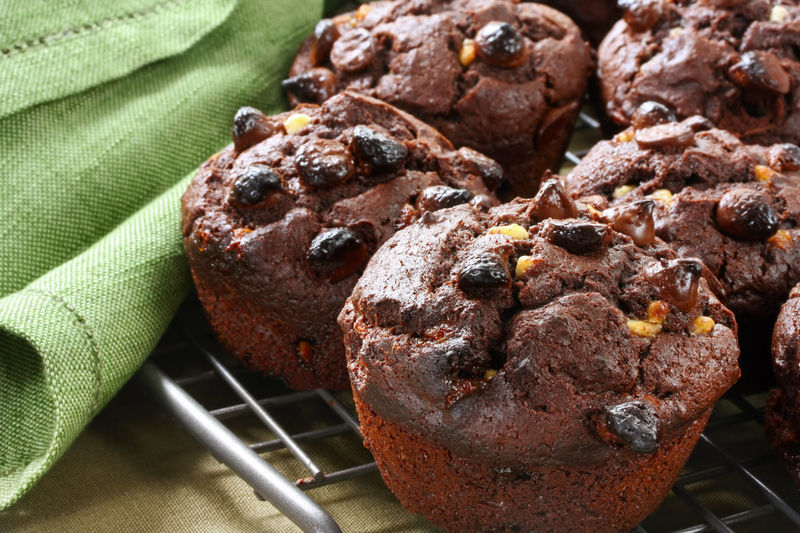
To make chocolate muffins, replace a small amount of flour with unsweetened cocoa powder and adjust the liquid if the batter becomes too thick. For double chocolate muffins, combine cocoa powder with chocolate chips. Avoid adding too many chips or large pieces, which can make the centers heavy and underbaked.
Nuts, Dried Fruit, and Savory Options
Chopped nuts add crunch and richness to muffins. Use about ¾ to 1 cup of walnuts, pecans, almonds, or hazelnuts. Walnuts pair well with banana muffins, while pecans complement apples, cinnamon, and brown sugar. Toast nuts for deeper flavor, then cool before adding to the batter.
Dried fruit brings concentrated sweetness and chewy texture. Try raisins, dried cranberries, chopped dates, apricots, or cherries. Dried cranberries work especially well with orange zest and cinnamon. Cut larger pieces into smaller bits to ensure even distribution.
For savory muffins, reduce or omit sugar and cinnamon. Add shredded cheddar, feta, cooked bacon, chopped herbs, scallions, roasted peppers, spinach, corn, or grated zucchini. Drain wet vegetables and cool cooked ingredients before folding them in. Pair strong flavors thoughtfully, such as cheddar with scallions or feta with spinach and herbs.
The Muffin Method and Batter Preparation
Accurate measurements and gentle mixing are key to making muffins with a tender crumb. The muffin method keeps wet and dry ingredients separate until the last step, which limits gluten development in the batter.
Measuring Ingredients Accurately
Measure each ingredient before you begin. For flour, loosen it with a spoon, lightly fill a dry measuring cup, and level the top with a straight edge. Avoid scooping flour directly from the bag, as this can pack it down and result in too much flour.
A kitchen scale provides the most consistent results, especially for flour. Use liquid measuring cups for milk, oil, and other liquids. Measure baking powder, baking soda, and salt with level measuring spoons, since small differences can affect rise and flavor.
For a basic muffin recipe, organize the flour, sugar, leavening agent, salt, eggs, milk, and fat before mixing. This helps prevent missed ingredients and allows for quick assembly once the wet and dry mixtures meet.
Mixing Wet and Dry Ingredients
In one bowl, whisk together the flour, sugar, baking powder or baking soda, and salt. In another bowl, combine eggs, milk, oil, melted butter, or other liquid ingredients until blended.
Make a well in the dry mixture and add the wet mixture all at once. Stir with a rubber spatula or wooden spoon just until no dry flour remains. The batter should be slightly lumpy; overmixing can lead to dense muffins.
Scoop the muffin batter into prepared cups, filling each about two-thirds full unless your recipe suggests otherwise. This allows the muffins to rise without overflowing.
Folding in Add-Ins Without Overmixing
Add dry ingredients like chocolate chips, chopped nuts, or dried fruit to the dry mixture before combining with the liquids. This helps distribute them evenly and reduces extra mixing. Fold in fresh berries or chopped fruit gently after the wet and dry mixtures are combined.
Use a spatula to gently fold from the bottom of the bowl to the top, stopping as soon as the add-ins are evenly distributed. A few lumps are fine, but make sure there are no visible streaks of dry flour.
Overmixing develops more gluten, which can make muffins dense or tough. If using frozen berries, add them while still frozen and fold carefully to minimize crushed fruit and colored streaks.
Pans, Liners, and Baking for Tall Tops
Your pan size affects muffin portion, shape, and baking time. Choose the right liner, fill each cup carefully, and start with a hot oven for bakery-style tall tops.
Selecting Standard, Mini, or Jumbo Pans
A standard muffin tin holds 12 muffins and is suitable for most recipes. Fill each cup about two-thirds to three-quarters full. Standard muffins typically bake for 18–25 minutes at 350°F (175°C), depending on the batter.
Mini muffins bake quickly due to their small size. Fill cups about two-thirds full and start checking for doneness after 10–14 minutes. Use mini muffin paper liners or grease the pan well.
Jumbo muffins require larger cups and generally need longer baking than standard muffins. Fill each cup about two-thirds to three-quarters full, then begin checking for doneness after about 25–35 minutes at 350°F (175°C), depending on the recipe and pan size. For bakery-style jumbo muffins, use 6-inch parchment squares shaped around a glass or can to create tulip-style liners. Avoid wax paper as a muffin liner because it is not designed for direct exposure to oven heat. Reynolds Brands: How to Make Muffin Liners with Parchment Paper.
Investing in quality tins can result in better baking performance. The Amazon Basics Nonstick Round Muffin Baking Pan is a set of two 12-cup muffin trays, perfect for baking cupcakes, muffins, and more. Made of durable steel with a nonstick coating, it ensures easy food release and quick cleanup.
Its gray finish provides a sleek look, and it’s oven-safe up to 500°F. A great choice for home bakers looking for reliability at an affordable price.
Filling the Cups and Adding Toppings
Evenly divide the batter among the muffin liners. For tall tops, fill the cups nearly to the rim, but leave space for the batter to expand. A large cookie scoop helps portion thick batter evenly.
Paper liners help prevent sticking and make muffins easier to remove. For parchment liners, press each square into the cup and crease the sides. Greasing liners is usually unnecessary, but a light coating can help with very low-fat batters.
Add toppings just before baking. Sprinkle coarse sugar or sanding sugar for a crisp, sweet crust. For a softer topping, add a light layer of crumb or streusel topping, and avoid overfilling the cups.
Use the recipe’s total baking time as a guide: mini muffins may finish in 10–14 minutes, standard in 18–25 minutes, and jumbo in 25–35 minutes.
Test doneness with a toothpick inserted into the center; it should come out clean or with a few moist crumbs. If the tops brown too quickly, loosely cover the pan with foil for the rest of the baking time.
Cooling and Storing Fresh Muffins
Let muffins finish baking completely before judging their texture. Cool them fully, then store at room temperature for plain muffins or freeze for longer storage.
Knowing When Muffins Are Done
Check muffins near the shortest baking time in the recipe. Insert a toothpick into the center; it should come out clean or with a few moist crumbs. Wet batter means more baking is needed.
The tops should look set and spring back lightly when pressed. For more accuracy, use an instant-read thermometer—most muffins are done when the center reaches about 200–205°F (93–96°C).
Do not rely only on browning. Moist muffins, like banana or fruit muffins, may remain soft in the center even if the tops look finished. If the edges pull slightly away from the pan and the centers are no longer wet, remove the pan from the oven.
Cooling on a Wire Rack
Let muffins rest in the pan for about 5 minutes. This helps them firm up and makes removal easier.
Transfer muffins to a wire rack so air can circulate and steam can escape. Leaving muffins in the hot pan too long can create damp bottoms.
Cool muffins completely before covering. Storing warm muffins in an airtight container traps steam, leading to sticky tops and a soggy texture. Depending on size and moisture, muffins usually need 30–60 minutes to cool.
Keeping Muffins Fresh or Freezing Them
Store plain muffins at room temperature in an airtight container lined with a paper towel to help absorb moisture. Place another paper towel on top if the muffins are especially moist. Keep the container away from heat and sunlight, and enjoy the muffins within 2–3 days for optimal freshness and texture.
Muffins with cream cheese, custard, meat, or other perishable fillings should be refrigerated. Keep them covered and refrigerated at 40°F (4°C) or below to help maintain food safety; the USDA recommends refrigerating perishable foods at or below this temperature. USDA Food Safety and Inspection Service King Arthur Baking also recommends refrigerating muffins with cream cheese filling, such as its pumpkin and cream cheese muffins. King Arthur Baking — Gluten-Free Pumpkin and Cream Cheese Muffins Refrigeration can affect the texture of baked goods, so plain muffins are generally best stored at room temperature when they do not contain perishable fillings.
To freeze muffins, allow them to cool completely, then wrap each one individually. Place the wrapped muffins in a freezer bag or freezer-safe container, pressing out excess air before sealing. Label with the date, and when ready to eat, thaw the muffins while still wrapped at room temperature for best results.
FAQ: What Are the Ingredients for Muffins?
Most basic muffins are made from a combination of flour, a leavening agent, eggs, milk or another liquid, fat, sugar, and salt. Additional ingredients such as fruit, chocolate, nuts, spices, or flavorings can be added depending on the recipe.
What Are the Main Ingredients in Muffins?
The basic ingredients are:
Flour – provides the main structure.
Baking powder or baking soda – helps the muffins rise.
Eggs – provide structure, moisture, and richness.
Milk or another liquid – hydrates the flour and helps form the batter.
Butter or oil – adds tenderness, moisture, and flavor.
Sugar – adds sweetness and contributes to browning and texture.
Salt – enhances the overall flavor.
What Kind of Flour Is Best for Muffins?
All-purpose flour is a versatile choice for most muffins. It provides enough protein to give muffins structure without making them excessively dense or chewy.
Do Muffins Need Baking Powder?
Many muffin recipes use baking powder, although some use baking soda or a combination of both. The choice depends on the recipe and the acidity of the other ingredients.
Do Muffins Need Eggs?
Not necessarily. Eggs are common because they contribute structure, moisture, richness, and emulsification, but egg-free muffin recipes can use ingredients such as mashed banana, applesauce, or commercial egg substitutes.
Do Muffins Need Milk?
No. Milk is common, but other liquids can be used, including buttermilk, yogurt, plant-based milk, or water, depending on the recipe.
Is Butter or Oil Better for Muffins?
Both work well. Oil tends to produce particularly moist muffins, while butter provides a richer flavor and can contribute to a slightly different texture.
How Much Sugar Do Muffins Need?
The amount varies considerably depending on the type of muffin. Sweet muffins may contain substantially more sugar than savory muffins, while ingredients such as bananas or berries can provide additional sweetness.
What Can You Add to Muffin Batter?
Common additions include:
Blueberries and other fruit
Chocolate chips
Chopped nuts
Cinnamon and other spices
Lemon or orange zest
Dried fruit
Seeds
Cheese and vegetables for savory muffins
What Makes Muffins Light and Fluffy?
A combination of proper leavening, the right ingredient proportions, and gentle mixing helps create a light texture. Overmixing the batter can develop excess gluten and make muffins tough or dense.
What Are the Basic Ingredients for Homemade Muffins?
For a simple homemade muffin, you generally need flour, baking powder, sugar, salt, eggs, milk, and butter or oil. From this basic formula, you can create many different muffin flavors by adding fruits, spices, chocolate, nuts, or other ingredients.


 Muffins depend on a balance of dry ingredients, leaveners, and wet ingredients. Each affects the muffin’s structure, rise, flavor, moisture, and crumb.
 Your choice of fat affects a muffin’s flavor, softness, and shelf life. Dairy adds moisture and richness, while extracts, citrus, and spices shape the final taste without changing the basic batter structure.
 Mix-ins add flavor, moisture, texture, and color to a basic muffin batter. Use fresh or frozen fruit, chocolate, nuts, dried fruit, seeds, herbs, cheese, or cooked vegetables, keeping the total amount balanced so the muffins bake evenly.
 Accurate measurements and gentle mixing are key to making muffins with a tender crumb. The muffin method keeps wet and dry ingredients separate until the last step, which limits gluten development in the batter.
 Your pan size affects muffin portion, shape, and baking time. Choose the right liner, fill each cup carefully, and start with a hot oven for bakery-style tall tops.
 Let muffins finish baking completely before judging their texture. Cool them fully, then store at room temperature for plain muffins or freeze for longer storage.


