Is It Better to Use Oil or Butter in Cookies? Flavor, Texture, and Baking Science Explained
Butter generally creates better cookies because it delivers richer flavor and a classic chewy texture with crisp edges, while oil produces softer, more cake-like cookies that stay moist longer.
Your choice depends on what texture and flavor you want in your final cookie.The difference comes down to how each fat behaves during mixing and baking. Butter can be creamed with sugar to trap air bubbles, which creates lift and a tender crumb.
Oil cannot aerate the same way, so it produces denser cookies with less structure. You’ll learn how each fat affects your cookies through direct comparisons of baking results.
This article covers the science behind fat in cookie baking, the specific qualities butter and oil each bring to your recipes, and practical factors to consider when choosing between them or using both together.
Understanding the Role of Fat in Cookie Baking
Fat creates tender texture by coating flour proteins and preventing gluten development. It also traps air when creamed with sugar, which affects cookie structure and rise.
The Importance of Fat for Texture and Structure
Fat coats flour proteins to limit gluten formation, which would otherwise make cookies tough and chewy. When you cream softened butter with sugar, you create tiny air pockets that expand during baking as the water in butter evaporates. This process produces cookies with a light, airy crumb and slightly raised structure.
Oil cannot trap air the same way because it stays liquid at room temperature. Cookies made with oil have a denser, more uniform texture without the same lift. The type of fat you use directly determines whether your cookies will be fluffy and tender or flat and crisp.
Butter is about 80% fat and 16% water, which means it spreads more during baking. Oil is 100% fat with no water content, so cookies made with oil typically spread less and bake into a more compact shape.
How Fat Influences Cookie Moisture and Tenderness
Oil-based cookies stay moist longer because unsaturated fats remain liquid even after cooling. This prevents the staling process that makes butter-based cookies dry out within a day or two. Butter solidifies as it cools, which creates a firmer, denser crumb once cookies reach room temperature.
You can use both butter and oil together in cookie recipes to balance rich flavor from butter with extended moisture from oil. A combination approach gives you butter’s taste and browning while maintaining the tender texture that oil provides.
Oil bonds with starch molecules in flour to slow retrogradation, the natural process where baked goods become stale. Butter provides flavor through its milk solids and butyric acid, but it doesn’t preserve moisture as effectively as oil does over time.
Butter in Cookies: Classic Flavor and Texture
Butter contains about 80% fat and 16% water, which creates structure through creaming and adds distinct flavor through milk solids. The water content activates gluten development, while the saturated fat remains solid at room temperature for better dough control.
How Butter Affects Cookie Structure and Spread
Butter’s solid state at room temperature allows you to cream it with sugar. This process traps air bubbles that expand during baking as the water in butter evaporates. The result is cookies with a chewy center and slightly crisp edges.
The 16% water content in butter activates gluten in flour. This creates more structure compared to oil-based cookies. Butter also melts quickly in the oven, causing cookies to spread more than oil-based versions.
You cannot substitute oil for butter in chocolate chip cookies using a 1:1 ratio if the recipe calls for creamed butter. Oil cannot be creamed with sugar because it stays liquid. The texture will be denser and crunchier instead of chewy.
When you substitute oil for butter in cookies that use melted butter, reduce the oil by 15%. This accounts for butter’s water content that cooks off during baking.
Flavor and Browning from Butter
Butter contains butyric acid and milk solids that create rich, recognizable flavor. Vegetable oil has neutral taste and lacks this depth. The difference is most noticeable in simple cookies like sugar cookies or shortbread.
Milk proteins in butter promote browning through the Maillard reaction. This creates golden edges and enhanced flavor. Oil-based cookies brown less because they lack these proteins.
The flavor from butter is not replaceable with standard vegetable or canola oil. Flavorful oils like olive oil add different taste profiles but not the buttery richness.
Shelf Life and Storage Considerations
Butter-based cookies become denser after cooling because saturated fat solidifies at room temperature. This effect increases when you refrigerate them. The texture shifts from soft to firm within 24 hours.
Oil-based cookies stay moist longer because unsaturated fat remains liquid. Oil slows starch retrogradation, the natural staling process. Butter-based cookies can feel drier the next day compared to oil versions.
Store butter cookies at room temperature in airtight containers for 2-3 days. For longer storage, freeze them immediately after cooling. Refrigeration accelerates the firming process.
Oil in Cookies: Softness and Substitution Options
Oil produces softer, moister cookies that stay tender for several days after baking. The type of oil you select affects both the neutral quality of the flavor and how well the cookies retain moisture.
How Oil Changes the Texture of Cookies
Oil creates a softer, cake-like texture in cookies because it remains liquid at room temperature. This liquid state prevents the firm structure that solid fats create.
The unsaturated fat in vegetable oil bonds with starch and slows the staling process. Your cookies will stay moist longer than butter-based versions.
Oil-based cookies lack the crisp edges and chewy centers that creaming butter with sugar produces. The absence of aeration results in a uniform, tender crumb throughout the cookie.
You can substitute oil for butter in chocolate chip cookies using a 1:1 ratio, though reducing the oil by 15% accounts for butter’s water content. The swap works best in recipes that call for melted butter rather than creamed butter.
Choosing the Right Type of Oil
Vegetable oil and canola oil work well for most cookie recipes because they contain 100% fat with no added water. These oils provide maximum moisture retention.
Coconut oil offers a middle ground between butter and liquid oils. It solidifies at room temperature but melts quickly during baking.
Olive oil adds moisture but requires careful selection based on flavor intensity. Light olive oil works for standard cookies, while extra virgin varieties have stronger taste profiles.
Neutral vs. Flavored Oils in Baking
Neutral oils like vegetable, canola, and grapeseed oil allow chocolate, vanilla, and other ingredients to dominate the flavor. These oils work best when you want the cookie’s other components to stand out.
Flavored oils change the final taste of your cookies significantly. Extra virgin olive oil adds a fruity, peppery note that pairs well with citrus or herb-based cookies.
Coconut oil contributes a subtle tropical flavor that complements chocolate and oatmeal cookies. Toasted sesame oil or walnut oil introduce distinct nutty profiles but require recipes designed around those flavors.
Butter vs. Oil: Comparative Baking Results
Direct testing shows butter creates cookies with crisp edges and chewy centers, while oil produces softer, more uniform textures. Butter-based cookies spread less during baking and develop richer flavor from milk solids. Oil keeps cookies moist longer because it stays liquid at room temperature.
Head-to-Head Cookie Tests and Outcomes
Sugar cookies made with creamed butter achieve a light, aerated structure that oil cannot replicate. The creaming process traps air bubbles in solid butter, creating lift and texture during baking. Oil mixed with sugar stays smooth and dense because liquid fats don’t incorporate air.
Texture differences appear immediately:
Butter cookies: soft centers with slightly crisp edges
Butter cookies: more rise and volume from aeration
Oil cookies: denser, less dimensional structure
Chocolate chip cookies follow the same pattern when you substitute oil for butter. The swap works mechanically, but you lose the characteristic chew and buttery richness. Oil-based versions bake faster and brown less because they lack milk proteins that promote caramelization.
Refrigerating cookie dough affects each fat differently. Butter firms up and controls spread, while oil remains fluid and causes cookies to flatten more during baking.
Appearance, Chew, and Moisture Differences
Butter cookies develop golden-brown surfaces from Maillard reactions between milk proteins and sugars. Oil-based cookies stay paler because pure vegetable oils contain no proteins to brown. This affects both visual appeal and flavor development.
The “chew factor” depends entirely on fat structure. Butter’s 80% fat and 16% water content creates steam pockets during baking that yield a tender crumb. When butter cools and resolidifies, it provides structure that creates chew.
Oil produces a cake-like texture instead. The 100% fat content coats flour proteins more thoroughly, preventing gluten development. This makes cookies softer initially but eliminates the chewy quality most people expect.
Moisture retention over time:
Time Period
Butter Cookies
Oil Cookies
Day 1
Soft and chewy
Very soft
Day 2
Slightly drier
Still moist
Day 3
Noticeably dry
Tender
Oil slows staling because unsaturated fats stay liquid and keep starches from crystallizing.
Flavor and Aroma Considerations
Butter contributes distinct flavor compounds that vegetable oil cannot match. Butyric acid and diacetyl in butter create the rich, creamy taste you expect in cookies. Neutral oils like canola or vegetable add no flavor, making cookies taste flat.
The milk solids in butter brown during baking and create nutty, caramel notes. These aromatic compounds form through the Maillard reaction at temperatures above 300°F. Oil-based cookies miss this flavor layer entirely.
Your choice affects how other ingredients taste. Sugar and vanilla become more prominent in oil cookies because no competing butter flavor exists. Butter cookies balance sweetness with savory richness.
Robust oils like olive or coconut can work if their flavors complement your recipe. Standard baking oils remain flavorless and rely on other ingredients for taste.
Combining Butter and Oil: Achieving Balance in Cookies
You can use both butter and oil in cookies to balance flavor, texture, and moisture. Mixing these fats lets you capture butter’s rich taste and browning capability while gaining oil’s tenderness and extended freshness.
Proportions and Recipe Adjustments
A standard approach uses 1 part butter to 2 parts oil when you want softer cookies. For balanced tenderness and chewiness, use equal amounts of each fat.
You should reduce total fat by about 15% when substituting melted butter with oil to account for butter’s water content. A recipe calling for 1 cup of fat could use 1/4 cup butter plus 1/2 cup oil for moisture and flavor.
Start with small amounts of butter (2-4 tablespoons) when you want minimal flavor impact but maximum browning. Use the remaining fat as oil to maintain soft texture and prevent drying.
Texture and Flavor Profiles from Mixing Fats
Butter in the mix creates richer flavor and promotes edge crispness through milk proteins. Oil keeps the interior moist and extends shelf life by several days.
A 50/50 blend produces cookies with moderately chewy centers and slight crispness at edges. Higher oil ratios (2:1 oil to butter) yield exceptionally soft cookies that stay tender for up to a week.
Lower oil ratios (1:2 oil to butter) give you stronger butter flavor with improved browning while maintaining better moisture than all-butter versions. This combination prevents the flat taste of oil-only cookies and the quick staleness of butter-only batches.
Factors to Consider When Choosing Between Oil or Butter
Your choice between oil and butter affects cookie nutrition and final texture. Health priorities and desired cookie characteristics guide which fat works best for your recipe.
Dietary Needs and Health Implications
Butter contains about 80% fat and 16% water, along with milk proteins and cholesterol. Oil consists of 100% fat with no cholesterol or dairy components.
If you follow a vegan or dairy-free diet, oil is your only option. People managing cholesterol levels may prefer vegetable oils over butter.
Butter provides vitamin A and some vitamin D naturally. Most oils offer vitamin E and, in some cases like olive oil, beneficial monounsaturated fats.
The calorie difference is minimal. One tablespoon of butter has roughly 102 calories while the same amount of vegetable oil contains about 120 calories due to higher fat concentration.
When you substitute oil for butter in cookies, reduce the oil amount by 15% to account for butter’s water content. This adjustment prevents overly greasy cookies.
Customization for Desired Cookie Results
Creamed butter produces cookies with chewy centers and crisp edges due to air incorporation. Oil creates denser cookies with a more uniform, crunchier texture throughout.
Butter adds rich, recognizable flavor that defines classic cookies. Oil tastes neutral and lets other ingredients like chocolate or spices stand out more.
Oil-based cookies stay moist longer because unsaturated fats remain liquid at room temperature. Butter cookies become firmer and drier after a day or two as the saturated fat resolidifies.
You can substitute oil for butter when recipes call for melted butter with reasonable success. Recipes requiring creamed butter perform poorly with oil because the creaming process cannot occur with liquid fats.
Use butter when you want golden-brown cookies with rich taste. Choose oil when moisture retention and extended freshness matter more than buttery flavor.
FAQ: Is It Better to Use Oil or Butter in Cookies?
Oil and butter both affect cookie texture, flavor, and consistency in different ways. The better choice depends on the type of cookie you want to make.
Is It Better to Use Oil or Butter in Cookies?
Neither is universally better. Butter provides richer flavor and structure, while oil creates softer, moister cookies.
What Does Butter Do in Cookies?
Butter adds:
Rich flavor
Better browning
Crisp edges
Firmer structure
It also helps create a more traditional cookie texture.
What Does Oil Do in Cookies?
Oil contributes to:
Softer texture
More moisture
Longer-lasting softness
Cookies made with oil are often less crisp.
Do Butter Cookies Taste Better Than Oil Cookies?
Many people prefer butter for its richer flavor, but oil-based cookies can still taste excellent depending on the recipe.
Which Makes Chewier Cookies: Oil or Butter?
Oil generally creates softer and chewier cookies because it stays liquid at room temperature.
Which Is Better for Crispy Cookies?
Butter is usually better for crispy edges and a firmer texture due to its water and milk solid content.
Can You Replace Butter with Oil in Cookies?
Yes, butter can often be replaced with oil, but the texture and flavor will change. Measurements may also need adjustment.
Is Oil Healthier Than Butter in Cookies?
Oil is typically lower in saturated fat than butter, but overall health depends on the recipe and quantity used.
Why Do Most Cookie Recipes Use Butter?
Butter is popular because it provides flavor, structure, and balanced texture that many people associate with classic cookies.
Can You Use Both Oil and Butter Together?
Yes, combining both can create cookies that are flavorful from butter while remaining soft from oil.
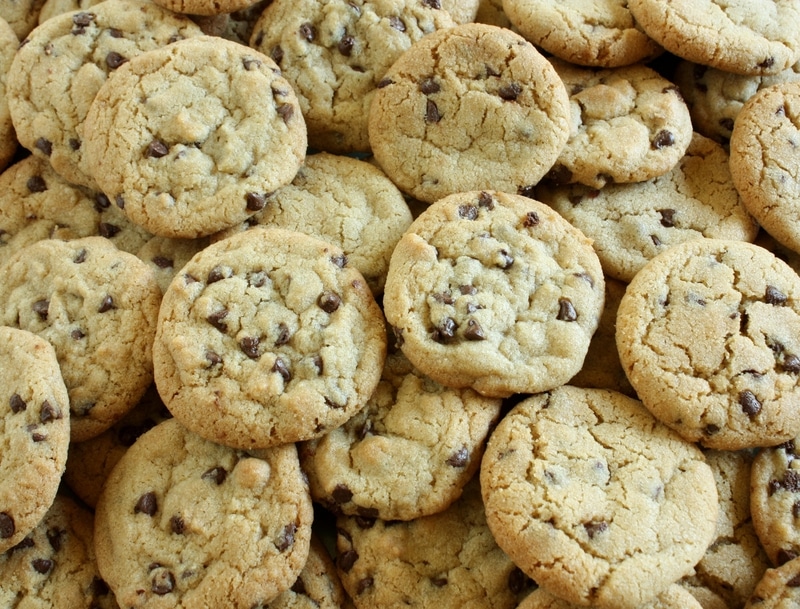


 Fat creates tender texture by coating flour proteins and preventing gluten development. It also traps air when creamed with sugar, which affects cookie structure and rise.
 Oil produces softer, moister cookies that stay tender for several days after baking. The type of oil you select affects both the neutral quality of the flavor and how well the cookies retain moisture.
 Direct testing shows butter creates cookies with crisp edges and chewy centers, while oil produces softer, more uniform textures. Butter-based cookies spread less during baking and develop richer flavor from milk solids. Oil keeps cookies moist longer because it stays liquid at room temperature.
 You can use both butter and oil in cookies to balance flavor, texture, and moisture. Mixing these fats lets you capture butter’s rich taste and browning capability while gaining oil’s tenderness and extended freshness.
 Your choice between oil and butter affects cookie nutrition and final texture. Health priorities and desired cookie characteristics guide which fat works best for your recipe.
 Oil and butter both affect cookie texture, flavor, and consistency in different ways. The better choice depends on the type of cookie you want to make.


