Is Baking Pure Chemistry? Exploring the Science in Every Bake
When you mix flour, sugar, eggs, and butter, you start a series of chemical reactions.
Baking is not pure chemistry, but it relies heavily on chemical processes that transform raw ingredients into finished baked goods.
The art of baking combines precise measurements with an understanding of how heat affects different substances. Your success in the kitchen depends on knowing how ingredients interact at a molecular level.
When you add baking soda to acidic buttermilk, a chemical reaction produces carbon dioxide gas that makes your cake rise. When proteins in flour mix with water, they form gluten networks that give bread its structure.
This article explains the chemical reactions that happen when you bake. You’ll learn how different types of flour affect your results, why mixing methods matter, and how temperature changes ingredients. Understanding these scientific principles helps you troubleshoot problems and improve your baking skills.
Understanding Baking as a Chemical Process
Baking is pure chemistry because every step involves measurable chemical reactions that transform raw ingredients into new compounds with different properties. The science behind baking controls texture, flavor, and structure through predictable molecular changes.
Why Baking Is More than an Art
Baking requires precise chemical reactions, not creative interpretation. When you mix flour with water, gluten proteins form specific molecular bonds that create dough structure. This happens through hydration and mechanical mixing, not artistic judgment.
The Maillard reaction occurs at temperatures above 300°F when amino acids bond with reducing sugars. This reaction produces hundreds of flavor compounds and brown pigments in bread crusts and cookie surfaces. You cannot achieve these results without heat-driven chemistry.
Key chemical transformations in baking:
Protein denaturation changes egg structure at 140-180°F
Starch gelatinization absorbs water at 140-212°F
Sugar caramelization begins at 320°F
Fat crystallization affects texture based on cooling rates
The Role of Measurements and Reactions
Baking chemistry depends on ingredient ratios measured by weight or volume. A cake needs specific proportions of flour, sugar, fat, and liquid to trigger the right chemical reactions. Changing these ratios alters the final product’s structure.
Leavening agents produce carbon dioxide through acid-base reactions. Baking soda requires an acid like buttermilk to release gas immediately when mixed. Baking powder contains both acid and base, releasing gas in two stages when wet and when heated.
Fermentation in bread dough uses yeast enzymes to convert sugars into carbon dioxide and ethanol. This biological process takes 1-2 hours at room temperature and creates the gas pockets that make bread soft.
How Chemistry Defines Baking Outcomes
Food science determines whether your baked goods rise, spread, or stay dense. Gluten development controls bread chewiness through protein networks that trap gas bubbles. Without sufficient gluten formation, bread collapses.
Temperature affects every chemical reaction in baking. Oven heat above 350°F sets protein structures, evaporates water, and creates steam for lift. Below 325°F, reactions occur too slowly for proper browning or rising.
The science of baking explains why substitutions fail. Replacing sugar with artificial sweeteners removes caramelization and moisture retention. Using oil instead of butter eliminates water content and changes how fat crystals form during cooling.
Ingredient Interactions and Baking Chemistry
Baking is pure chemistry when ingredients combine through measurable chemical reactions. Each ingredient triggers specific molecular changes that determine your final baked product’s structure, texture, and rise.
Gluten Formation in Dough
You create gluten when water mixes with wheat flour proteins called glutenin and gliadin. These proteins bond together to form elastic strands that trap gas bubbles during baking.
Bread flour contains 12-14% protein, producing strong gluten networks for chewy breads. All-purpose flour has 10-12% protein and creates moderate gluten suitable for cakes and cookies.
Overmixing develops too much gluten, making your baked goods tough and dense. You control gluten formation through your mixing techniques and the duration you work the dough.
Temperature affects gluten development speed. Cold water slows protein bonding, while warm water accelerates it.
Role of Leavening Agents
Leavening agents produce carbon dioxide gas that makes your dough rise. Baking soda requires an acid like buttermilk or vinegar to activate and release gas immediately upon mixing.
Baking powder contains both an acid and a base, so it works without additional acidic ingredients. Double-acting baking powder releases gas twice: once when wet and again when heated.
You must bake immediately after adding baking soda since the reaction starts right away. Baking powder gives you more time before baking because its second rise happens in the oven.
Fats, Sugars, and Emulsification
Fats coat flour proteins and limit gluten formation, creating tender baked goods. Butter contains about 80% fat and 15% water, contributing both tenderness and moisture.
Emulsification occurs when fats and liquids blend into a stable mixture through emulsifiers like egg yolks. Lecithin in egg yolks bonds fat and water molecules that normally separate.
Sugar absorbs water and competes with flour proteins for moisture, weakening gluten development. This makes your cakes and cookies softer and more delicate.
Stabilizers maintain emulsions throughout the baking process by preventing ingredient separation.
How Ingredients Interact During Baking
Your ingredients transform through multiple reactions happening simultaneously in the oven. Proteins denature and set at 140-165°F, creating structure in cakes and breads.
Starches absorb water and gelatinize at 150-180°F, thickening batters and doughs. The Maillard reaction begins at 285°F, browning surfaces and developing complex flavors.
Fats melt and distribute throughout your dough, creating air pockets that expand with heat. Sugar caramelizes above 320°F, adding color and depth to crusts.
Water evaporates as steam, expanding air cells and setting the final shape of your baked product. These reactions depend on precise ratios and temperatures to succeed.
Key Chemical Reactions in Baking
Baking is pure chemistry because it depends on predictable molecular transformations that convert raw ingredients into structured foods.
Four specific reactions control how your baked goods develop color, flavor, texture, and rise: browning through the Maillard reaction, sugar breakdown during caramelization, gas generation from fermentation and leavening agents, and protein restructuring under heat.
Maillard Reaction and Browning
The Maillard reaction occurs when amino acids and reducing sugars react at temperatures above 285°F. This process creates hundreds of flavor compounds and brown pigments that give bread crusts, cookies, and roasted foods their characteristic appearance and taste.
You see this reaction on the golden surface of baked bread and the brown edges of cookies. The reaction requires heat, proteins, sugars, and low moisture conditions to proceed. Different amino acids produce different flavors—cysteine creates meaty notes while proline generates bitter compounds.
Baking chemistry research shows that pH levels affect reaction speed. Alkaline conditions accelerate browning, which is why pretzels dipped in lye solution develop darker crusts than regular bread.
Caramelization of Sugars
Caramelization begins at 320°F when sugar molecules break apart and form new compounds without proteins present. This reaction releases water as steam and produces diacetyl, which creates butterscotch flavors in your baked goods.
Unlike the Maillard reaction, caramelization requires only sugars and heat. The process happens in stages—sucrose first breaks into glucose and fructose, then these simple sugars decompose into hundreds of aromatic molecules. Brown sugar caramelizes faster than white sugar because it already contains molasses.
You control caramelization by adjusting oven temperature and sugar content. Higher temperatures and longer baking times intensify caramel flavors in cookies, tarts, and crème brûlée surfaces.
Fermentation and Gas Production
Yeast fermentation converts sugars into carbon dioxide and ethanol through enzymatic reactions. The trapped gas expands dough by creating air pockets that give bread its light texture.
Chemical leaveners work differently. Baking soda (sodium bicarbonate) requires an acid like buttermilk or vinegar to produce CO₂ gas immediately when mixed. Baking powder contains both an acid and a base, releasing gas in two stages—once when moistened and again when heated above 140°F.
You must match your leavening agent to your recipe chemistry. Recipes with acidic ingredients like yogurt or lemon juice need baking soda. Neutral batters require baking powder to generate their own acid for gas production.
Protein Denaturation and Structure
Heat causes proteins in eggs, milk, and flour to unfold and form new bonds that create structure in your baked goods. Gluten proteins in wheat flour—glutenin and gliadin—cross-link when you knead dough, forming elastic networks that trap gas bubbles.
Egg proteins coagulate between 144°F and 158°F, transforming liquid batters into solid cakes. This food science principle explains why overheated custards curdle—proteins bond too tightly and squeeze out water.
You control protein networks through mixing techniques and ingredient selection. Gentle folding preserves air bubbles in delicate batters, while vigorous kneading develops strong gluten for chewy bread textures.
Types of Flour and Their Scientific Roles
Baking involves chemistry, but flour selection determines physical outcomes through measurable protein content that dictates gluten network formation. Different flour types contain varying protein percentages that directly affect dough strength, elasticity, and final texture.
Bread Flour vs. All-Purpose Flour
Bread flour contains 12-14% protein content, while all-purpose flour contains 10-12% protein. The higher protein percentage in bread flour produces stronger gluten networks when mixed with water.
You use bread flour when you need strong structural support for yeast-risen products. The extra protein creates more gluten strands that trap carbon dioxide from fermentation. All-purpose flour works for products requiring moderate structure like cookies, muffins, and quick breads.
Hard spring wheat produces bread flour through its high-quality protein composition. Mills blend hard winter wheat with hard spring wheat to balance protein quality and quantity. Soft wheat varieties produce all-purpose flour with lower protein levels that create tender crumb structures.
Protein Content and Gluten Networks
Flour contains two proteins called gliadin and glutenin before mixing with water. These proteins transform into gluten only after hydration and mechanical mixing occur. The gluten formation process creates elastic networks that provide structure to baked goods.
Your dough’s strength depends on both protein quantity and quality in the flour. Higher protein percentages allow more gluten development during kneading. The gluten strands form a three-dimensional network that stretches as gas bubbles expand during baking.
Protein quality affects how stable your dough remains during fermentation. Strong gluten networks maintain gas retention throughout the proofing period. Weak networks collapse and produce dense, flat products with poor volume.
Texture and Structure Variations
Hard flour absorbs 55-65% of its weight in water due to higher protein content. You can test absorption by gradually adding measured water to 100 grams of flour until reaching desired consistency.
Texture indicators:
Hard wheat flour feels granular when rubbed between fingers
Soft wheat flour feels smooth and powdery
Hard flour holds its shape when pressed and crumbles easily
Soft flour clumps together after compression
The gluten ball test demonstrates protein differences visually. Mix 250 grams of each flour type with water, knead until smooth, then wash under cold water until starch removes completely. The remaining gluten from bread flour produces a larger ball than all-purpose flour after baking at 215°C for one hour.
Mixing Methods and Their Impacts
Baking involves chemistry, but mixing methods create physical changes that determine how ingredients interact before chemical reactions occur. The technique you use affects protein development, air incorporation, and ingredient distribution in your batter or dough.
Common Mixing Techniques Used in Baking
The creaming method beats fat and sugar together to trap air bubbles before adding other ingredients. You use this technique for cookies and butter cakes where a tender crumb is desired.
Themuffin method combines dry ingredients separately from wet ingredients, then mixes them together with minimal stirring. This quick technique prevents gluten development and works for muffins, quick breads, and pancakes.
The biscuit method cuts cold fat into flour to create small pieces before adding liquid. Your dough forms layers when the fat melts during baking, creating flaky textures in biscuits and pie crusts.
The straight dough method mixes all bread ingredients at once in a single step. The sponge method ferments part of the flour, water, and yeast before adding remaining ingredients, which develops more complex flavors in bread.
Overmixing: Causes and Consequences
Overmixing occurs when you continue stirring after ingredients combine, developing excess gluten strands in wheat flour. Gluten proteins form long networks that make baked goods tough and chewy instead of tender.
Cakes become dense with tunnels running through them when overmixed. Muffins develop peaked tops and a rubbery texture. Quick breads turn out heavy rather than light.
You can identify overmixing by watching your batter’s appearance. The mixture becomes smooth and elastic rather than slightly lumpy. Air bubbles you incorporated earlier escape, reducing the final product’s volume.
Temperature increases during extended mixing affect ingredient stability. Butter softens too much, reducing its ability to trap air. Your finished product lacks the intended texture and structure.
Stabilizing Agents in Modern Recipes
Emulsifiers like lecithin help fat and water mix together in batters. These stabilizers prevent ingredient separation and create uniform texture throughout your baked goods.
Xanthan gum and guar gum replace gluten structure in gluten-free baking. You add small amounts (typically 1/4 to 1/2 teaspoon per cup of flour) to bind ingredients and provide elasticity.
Cream of tartar stabilizes egg whites when you whip them into meringue. This acid strengthens protein bonds and prevents collapse during baking.
Commercial cake mixes contain modified starches and dried egg products that tolerate varied mixing times. These ingredients create consistent results even when you don’t follow precise mixing procedures.
The Role of Food Science in Innovative Baking
Baking involves chemistry, but food science expands it into a systematic approach that predicts, controls, and innovates baking outcomes. Food science applies principles from chemistry, physics, and biology to solve practical baking challenges and create new products.
Adapting Recipes with Scientific Principles
You can modify traditional recipes by understanding how ingredients interact at the molecular level. Protein content in flour determines gluten formation strength, which ranges from 8% in cake flour to 14% in bread flour. Fat blocks gluten development by coating flour particles, creating tender textures in cookies and pastries.
Emulsification binds water and fat molecules that normally separate. Lecithin in egg yolks acts as an emulsifier in cakes and custards. You can substitute ingredients by matching their functional properties rather than their measurements.
Applesauce replaces oil in some recipes because both provide moisture, though oil contributes to tenderness through fat’s tenderizing effect.
Temperature control affects enzymatic activity and chemical reactions. Amylase enzymes in flour break down starches into sugars between 140°F and 160°F. This knowledge lets you adjust baking temperatures and times to achieve specific crust colors and crumb textures.
Troubleshooting and Experimentation
Baking science helps you diagnose failures by identifying which reaction failed. Dense cakes indicate insufficient leavening or overmixed batter that developed excess gluten. Flat cookies spread when butter is too warm or when recipes lack enough flour to provide structure.
You can test variables systematically by changing one ingredient at a time. Professional bakers document hydration ratios, mixing times, and proof temperatures to replicate successful results. Digital tools measure internal temperatures and humidity levels that affect dough development.
Protein reactions, starch gelatinization, and sugar caramelization occur at specific temperature ranges. Understanding these thresholds helps you prevent overbaking or underbaking. You achieve consistent results by treating recipes as formulas with predictable chemical outcomes rather than loose guidelines.
The Future of Baking Chemistry
Enzyme technology extends shelf life and improves texture without artificial preservatives. Proteases modify gluten structure for specialty dietary needs. Amylases enhance browning and flavor development in breads.
Alternative ingredients require scientific testing to match traditional results. Plant-based proteins behave differently than dairy proteins during heat exposure. Food scientists develop new emulsifiers and stabilizers from ingredients like aquafaba that mimic egg properties.
Precision fermentation produces specific flavor compounds and functional proteins. This technology creates dairy-identical proteins without animal sources. The science of baking continues evolving through controlled experiments that reveal new ingredient interactions and processing methods.
FAQ: Is Baking Pure Chemistry?
Baking is often described as a science because it relies heavily on chemical reactions. However, creativity, technique, and experience also play important roles.
Is Baking Pure Chemistry?
Baking is strongly based on chemistry, but it is not purely chemistry. It also involves technique, timing, creativity, and practical skill.
Why Is Baking Considered Chemistry?
Baking depends on chemical reactions between ingredients when heat is applied. These reactions affect texture, structure, flavor, and appearance.
What Chemical Reactions Happen in Baking?
Common baking reactions include:
Leavening and gas production
Protein coagulation
Caramelization
Maillard browning reaction
Why Do Measurements Matter So Much in Baking?
Precise measurements are important because small ingredient changes can alter chemical reactions and affect the final product.
Is Baking More Scientific Than Cooking?
Generally, yes. Baking usually requires stricter ingredient ratios and more controlled temperatures than everyday cooking.
Does Creativity Still Matter in Baking?
Yes, bakers use creativity in:
Flavor combinations
Decoration and presentation
Recipe development
Texture adjustments
How Does Heat Affect Baking Chemistry?
Heat activates reactions that cause dough or batter to rise, set, brown, and develop flavor.
Can Baking Fail Because of Chemistry?
Yes, issues like flat cakes, dense bread, or dry cookies often happen because ingredient ratios, temperature, or timing disrupted the chemical balance.
Do Professional Bakers Need to Understand Chemistry?
Basic knowledge of baking science helps professional bakers troubleshoot problems and improve consistency.
Is Baking Both Science and Art?
Yes, baking combines scientific precision with creative skill and personal technique.
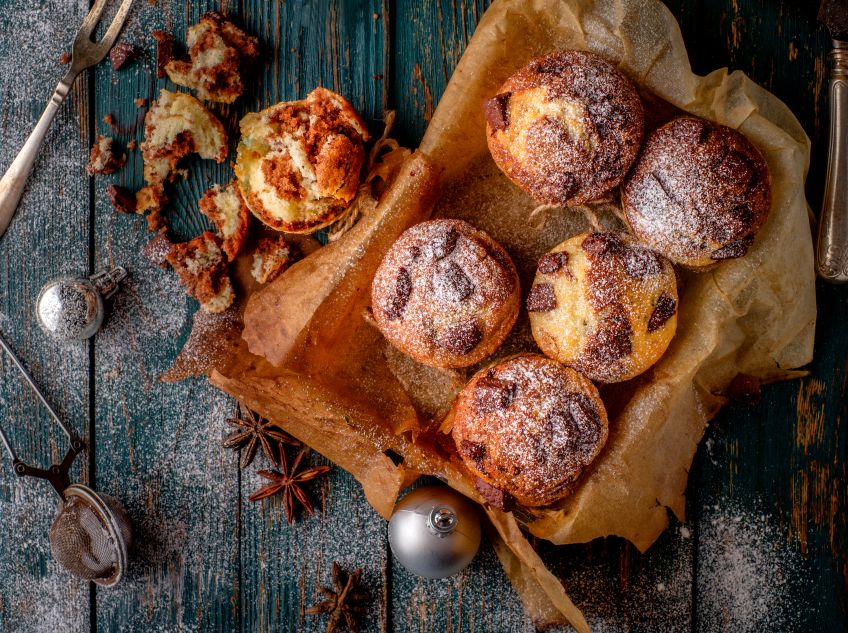

 When you mix flour, sugar, eggs, and butter, you start a series of chemical reactions.
 Baking is pure chemistry because every step involves measurable chemical reactions that transform raw ingredients into new compounds with different properties. The science behind baking controls texture, flavor, and structure through predictable molecular changes.
 Baking is pure chemistry when ingredients combine through measurable chemical reactions. Each ingredient triggers specific molecular changes that determine your final baked product’s structure, texture, and rise.
 Baking is pure chemistry because it depends on predictable molecular transformations that convert raw ingredients into structured foods.
 Baking involves chemistry, but flour selection determines physical outcomes through measurable protein content that dictates gluten network formation. Different flour types contain varying protein percentages that directly affect dough strength, elasticity, and final texture.
 Baking involves chemistry, but mixing methods create physical changes that determine how ingredients interact before chemical reactions occur. The technique you use affects protein development, air incorporation, and ingredient distribution in your batter or dough.
 Baking involves chemistry, but food science expands it into a systematic approach that predicts, controls, and innovates baking outcomes. Food science applies principles from chemistry, physics, and biology to solve practical baking challenges and create new products.
 Baking is often described as a science because it relies heavily on chemical reactions. However, creativity, technique, and experience also play important roles.


