What are the 8 Categories of Baking Ingredients? A Comprehensive Overview
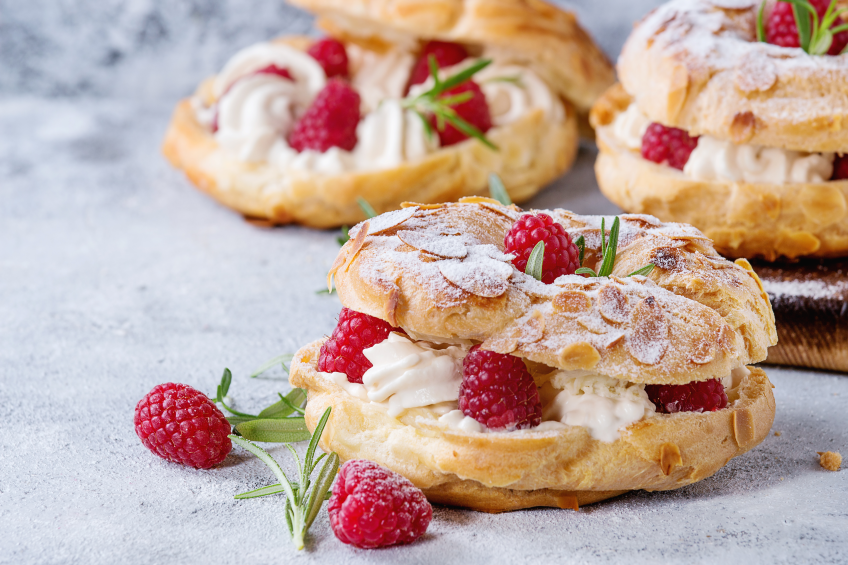
Baking requires specific ingredients that work together to create the treats you enjoy.
The eight categories of baking ingredients are flour, sugars and sweeteners, fats, leavening agents, eggs, dairy products, flavorings, and liquids.
Each category serves a distinct purpose in your recipes, from building structure to adding moisture and taste.
Understanding these ingredient categories helps you make better choices when you bake. Flour provides the foundation for most baked goods, while sugars do more than add sweetness. Fats create tender textures, and leaveners make your cakes rise. Eggs and dairy contribute richness and help bind ingredients together.
This guide breaks down each category so you can see how ingredients function in your recipes. You’ll learn about different flour types, how fats affect texture, and which leaveners work best for specific baked goods. With this knowledge, you can adjust recipes with confidence and understand why certain ingredients produce specific results.
Understanding Flour Varieties and Their Functions
Flour varies by protein content, grain source, and processing method, each affecting how baked goods rise, hold shape, and feel in your mouth. Wheat-based flours differ mainly in protein levels, while alternative flours serve special dietary needs and add unique flavors.
Wheat Flour Types
All-purpose flour contains 10-12% protein and works for most baking needs. You can use it for cookies, muffins, quick breads, and simple cakes. It balances structure and tenderness well enough for everyday recipes.
Bread flour has 12-14% protein, creating strong gluten networks that trap gas from yeast. This makes your bread chewy and helps it rise properly. Use it for artisan loaves, pizza dough, bagels, and any recipe that needs a sturdy structure.
Cake flour contains only 7-9% protein and produces the softest, most delicate crumb. The low protein means less gluten forms, keeping your cakes light and tender. Choose this for layer cakes, cupcakes, and fine pastries.
Pastry flour sits between cake and all-purpose flour at 8-10% protein. It creates flaky, tender results perfect for pie crusts, biscuits, and cookies where you want some structure but not toughness.
Whole wheat flour includes the entire wheat kernel—bran, germ, and endosperm. This adds fiber, vitamins, and minerals but creates denser baked goods with a nutty flavor. Mix it with white flour to balance nutrition and texture.
Gluten-Free and Specialty Flours
Almond flourcomes from finely ground blanched almonds. It adds moisture, richness, and protein to baked goods while staying grain-free. Use it for macarons, muffins, and quick breads.
Rice flour works well in gluten-free baking but needs binding agents like xanthan gum. White rice flour tastes neutral, while brown rice flour adds a slightly nutty flavor and more nutrients.
Coconut flour absorbs much more liquid than wheat flour—about four times as much. You need eggs or other binders to hold recipes together. It adds fiber and a mild coconut taste to your baking.
Oat flour provides a slightly sweet, mild flavor and works in pancakes, muffins, and cookies. Make sure to buy certified gluten-free oat flour if you have celiac disease, as oats often get contaminated during processing.
Most gluten-free recipes blend multiple flours to mimic wheat flour’s properties. Commercial blends combine rice flour, potato starch, tapioca flour, and gums to create balanced results.
Role of Flour in Structure and Texture
Flour’s protein content determines how much gluten forms when you mix it with water. Gluten creates an elastic network that traps air bubbles from leavening agents, giving your baked goods structure and volume.
High-protein flours develop strong gluten, creating chewy textures and tall rises. Your bread needs this strength to support its weight and maintain an open crumb structure.
Low-protein flours form minimal gluten, keeping your cakes and pastries tender. Too much mixing with these flours can still create toughness, so handle them gently.
Flour also absorbs moisture, affecting how wet or dry your batter or dough feels. Different flours absorb different amounts of liquid—whole wheat flour needs more liquid than white flour, while coconut flour needs significantly more than both.
The starch in flour sets when heated, helping your baked goods hold their final shape. This starch gelatinization works together with gluten development to create the final texture you want.
Sugars and Sweeteners: Types and Effects
Sugars and sweeteners are key baking ingredients that do more than add sweetness. They affect moisture, texture, browning, and how long your baked goods stay fresh.
Granulated, Brown, and Powdered Sugars
Granulated sugar is the standard white sugar you’ll use most often in baking. It dissolves easily and creates a tender crumb in cakes while helping cookies spread. You can use it in nearly any recipe.
Brown sugar contains molasses, which gives it moisture and a deeper flavor. Light brown sugar has less molasses than dark brown sugar. When you use brown sugar, your cookies turn out chewier and your cakes stay moister. The molasses also adds a slight caramel taste.
Powdered sugar is granulated sugar ground into a fine powder with a small amount of cornstarch added. You’ll need it for frostings, icings, and dusting pastries. It dissolves instantly without any grittiness. The cornstarch prevents clumping and helps stabilize whipped cream and meringues.
Natural and Artificial Sweeteners
Natural sweeteners include honey, maple syrup, and agave nectar. These add unique flavors and extra moisture to your baking ingredients. Honey makes baked goods brown faster and keeps them moist longer. Maple syrup works well in muffins and quick breads.
Artificial sweeteners like sucralose and aspartame contain almost no calories. You need much less because they’re intensely sweet. They don’t behave like regular sugar during baking, so your results may differ. Your cakes won’t brown as well, and cookies won’t spread the same way.
Monk fruit extract and stevia are plant-based options that fall between natural and artificial. Many baking blends combine these with other ingredients to measure like regular sugar.
Caramelization and Browning
When you heat sugar above 320°F, it caramelizes. The sugar molecules break down and create hundreds of new flavor compounds. This gives your baked goods a golden color and complex taste.
Browning also happens through the Maillard reaction, where sugars react with proteins. This occurs at lower temperatures, around 280°F. You see this in the brown crust of bread and the golden edges of cookies.
The type of sugar you use changes how much browning occurs. Brown sugar and honey cause faster browning because of their acidity and extra components. White sugar takes longer to brown but gives you more control over color.
Fats and Their Impact on Baked Goods
Fats shape texture, add moisture, and carry flavor in baked goods. Different types of fats create different results, from flaky pie crusts to tender cakes.
Butter, Oils, and Shortenings
Butter is a dairy-based fat that contains about 80% fat and 15-18% water. It adds rich flavor to your baked goods and creates tender, flaky textures in pastries and cookies.
The water content in butter turns to steam during baking, which helps create layers in pastries. When you cream butter with sugar, it traps air that helps your cakes rise.
Vegetable oils like canola, corn, and olive oil are liquid fats that stay soft at room temperature. They make cakes and muffins moist and tender because they coat flour proteins more thoroughly than solid fats.
Shortening is made from hydrogenated vegetable oils and contains 100% fat with no water. It creates extremely tender, crumbly textures in baked goods.
Shortening has a neutral flavor, which makes it useful when you don’t want a buttery taste. It also has a higher melting point than butter, so it holds its shape better during baking.
Effect of Fats on Moisture and Texture
Fats tenderize baked goods by coating flour proteins and preventing them from forming tough gluten strands. This creates softer, more delicate textures in your final product.
The type of fat you choose affects how your baked goods feel in your mouth. Butter creates a firmer, slightly denser crumb because of its water content. Oil produces a lighter, moister texture that stays soft longer.
Key textural effects of different fats:
Butter – Creates rich flavor, flaky layers, and firm structure
Oil – Produces moist, tender crumb that stays fresh longer
Shortening – Makes extremely tender, crumbly texture with neutral taste
Fats also trap air when mixed with other baking ingredients. This helps your cakes and cookies rise and creates a lighter texture.
The melting point of your fat matters too. Fats that melt at lower temperatures spread more during baking, creating flatter, crispier cookies.
Substitutes and Healthier Options
You can replace butter with equal amounts of margarine in most recipes. Margarine has similar fat content but is made from vegetable oils instead of dairy.
Natural alternatives include applesauce, mashed banana, and Greek yogurt. These reduce fat and calories while adding moisture. Use 3/4 cup of applesauce or mashed banana to replace 1 cup of butter.
Coconut oil works as a butter substitute in many recipes. It provides similar texture and structure, though it adds a mild coconut flavor.
For oil-based recipes, you can reduce the amount by up to 25% and replace it with applesauce or yogurt. This cuts calories while maintaining moisture.
Avocado and nut butters offer healthier fats with added nutrients. Replace half the butter in brownies or quick breads with mashed avocado for a dense, fudgy texture.
Keep in mind that fat serves important roles beyond flavor. Reducing it too much can make your baked goods dry, tough, or dense.
Leaveners: Creating Rise and Airiness
Leaveners are baking ingredients that produce gas, causing dough and batter to expand and create light textures. These agents work through fermentation, chemical reactions, or physical processes to trap air or gas bubbles inside your baked goods.
Yeast: Fermentation and Flavor
Yeast is a living organism that feeds on sugars in your dough. It produces carbon dioxide gas and alcohol through fermentation, which makes bread rise and develops complex flavors.
You can find several types of yeast in stores. Active dry yeast needs to be dissolved in warm water before use. Instant yeast can be mixed directly into flour. Both types work well for bread, rolls, and pizza dough.
The fermentation process takes time. Your dough needs to rest in a warm place so the yeast can multiply and produce enough gas to create rise. Temperature matters because yeast works best between 75°F and 85°F.
Sourdough starter is a natural alternative to commercial yeast. It contains wild yeast and bacteria from flour and water. This method takes longer but creates unique tangy flavors and chewy textures in bread.
Chemical Leaveners: Baking Powder and Baking Soda
Chemical leaveners create gas through acid-base reactions. They work faster than yeast, making them perfect for cakes, muffins, and quick breads.
Baking sodais pure sodium bicarbonate. It needs an acidic ingredient to work, such as buttermilk, yogurt, vinegar, or lemon juice. When baking soda meets acid, it immediately produces carbon dioxide gas. You must bake your batter right away or you’ll lose the rise.
Baking powder contains both an acid and a base. It works when mixed with liquid and creates gas in two phases. The first phase happens when you add moisture. The second phase occurs when heat activates the powder during baking.
Using the right amount matters. Too much baking soda creates a soapy taste. Too little means your baked goods stay flat and dense.
Physical Leaveners: Steam and Air
Physical leaveners use mechanical methods to incorporate air or create steam. These methods don’t involve chemical reactions or living organisms.
Steam forms when water in your batter turns to gas in the oven. The steam expands rapidly, pushing your baked goods upward. Popovers, cream puffs, and pie crusts rely heavily on steam for their rise. Recipes with high liquid content work best for steam leavening.
Air gets trapped in batters through mixing techniques. When you cream butter and sugar together, you create tiny air pockets. Beating eggs incorporates air that expands when heated. Sifting flour also adds air to your dry ingredients.
These techniques work together in many recipes. Angel food cake uses whipped egg whites to trap air. The air expands in the oven, creating the cake’s signature light texture.
Eggs and Dairy: Structure, Emulsification, and Enrichment
Eggs and dairy products provide structure, moisture, and richness to baked goods through protein coagulation and fat distribution. These baking ingredients also create stable emulsions that blend oil and water together.
Functions of Eggs in Baking
Eggs serve multiple roles in your baked goods. The proteins in eggs coagulate when heated, which helps set the structure of cakes, cookies, and breads.
Emulsification is one of the most important functions eggs perform. The lecithin in egg yolks allows oil and water to mix together smoothly. This creates a stable mixture that won’t separate during mixing or baking. You’ll see this in action when making muffins, cakes, and cheesecakes.
Eggs also improve your baked goods in these ways:
Leavening: Beaten eggs trap air bubbles that expand during baking
Texture: Egg proteins create a fine, uniform cell structure in your finished product
Moisture retention: The fats in egg yolks keep baked goods tender and slow down staling
Color: Eggs contribute to a golden-brown crust and bright crumb color
Volume: Proper emulsification helps increase the size of your baked goods
Whole eggs, egg yolks, and egg whites each have different strengths. Yolks contain most of the emulsifying power, while whites excel at foaming and structure building.
Dairy Ingredients: Milk, Cream, and Their Roles
Milk and cream add moisture, fat, and protein to your baked goods. The water content in dairy hydrates flour proteins and dissolves sugar and salt. The milk proteins strengthen your dough structure.
Fat content determines how different dairy products affect your baking:
Higher fat dairy products create more tender baked goods. The fat coats flour proteins and limits gluten development. This gives you a softer crumb in cakes and a flakier texture in pastries.
Dairy also contributes flavor and browning. The lactose (milk sugar) caramelizes during baking, creating a golden color and slightly sweet taste.
Flavorings, Thickeners, Liquids, and Additives
These four categories complete the essential baking ingredients list by adding taste, controlling texture, providing moisture, and improving the quality of your baked goods. Each plays a specific role in creating successful recipes.
Common Flavorings: Extracts, Spices, and Nuts
Flavorings give your baked goods their distinct taste and aroma. Vanilla extract is the most common, used in cookies, cakes, and pastries. Almond, lemon, and peppermint extracts add variety to your recipes.
Spices like cinnamon, nutmeg, ginger, and cloves create warmth in baked goods. Fresh spices work best because older ones lose their strength over time. You should measure carefully, as too much can overwhelm other flavors.
Nuts add flavor and texture to recipes. Walnuts, pecans, and almonds work well in cookies, brownies, and breads. You can use them whole, chopped, or ground into flour.
Other flavorings include vanilla beans, citrus zest, and cocoa powder. Each brings unique characteristics to your baking. The key is balancing flavors so no single ingredient dominates.
Thickeners: Cornstarch, Gelatin, and Alternatives
Thickeners control the consistency of batters, fillings, and custards. Cornstarch is the most common thickener in baking. It works well in pie fillings, puddings, and sauces. You mix it with cold liquid first to prevent lumps.
Flour also acts as a thickener, though it creates a different texture than cornstarch. It works in gravies, cream fillings, and some fruit pies. The amount you use affects how thick your final product becomes.
Gelatin sets cold desserts and creates smooth textures in mousses and cheesecakes. It needs to be dissolved properly in warm liquid before use.
Eggs serve dual purposes as both strengtheners and thickeners. They thicken custards and cream fillings through heat.
Other options include arrowroot powder and tapioca starch, which work similarly to cornstarch but with slightly different results.
Liquids: Water, Milk, and Other Options
Liquids activate dry ingredients and create the right consistency in your dough or batter.
Water is the most basic liquid in baking. It hydrates flour, activates yeast, and helps form gluten.
Milk adds flavor, richness, and nutrients to your recipes. Whole milk contains fat that makes baked goods tender. Skim milk reduces calories but provides less richness. Buttermilk adds tanginess and reacts with baking soda for leavening.
Cream creates rich textures in pastries and frostings. Heavy cream has about 36% fat, while light cream has around 18%. Each affects the final texture differently.
Other liquid options include:
Fruit juices for natural sweetness and acidity
Coffee for enhanced chocolate flavor
Beer or wine for complex taste in breads
Eggs (technically liquid when beaten)
Honey and molasses (liquid sweeteners)
The type and amount of liquid you choose affects texture, moisture, and flavor.
Additives: Color, Texture, and Shelf Life Enhancers
Additives improve appearance, texture, and storage life of baked goods. Food coloring adds visual appeal to frostings, cakes, and cookies. You can find gel, liquid, or powder forms.
Emulsifiers help ingredients blend smoothly. Lecithin keeps fats and liquids from separating. These create better texture in cakes and batters.
Preservatives extend shelf life by preventing mold and staleness. Commercial bakeries use them more than home bakers. Some recipes use natural preservatives like honey or salt.
Dough conditioners improve bread texture and rise. They strengthen gluten and create softer crumbs. Vitamin C (ascorbic acid) is a common natural conditioner.
Other additives include stabilizers that maintain texture and antioxidants that prevent spoilage. While home baking uses fewer additives than commercial products, understanding their functions helps you make informed choices about ingredients.
Frequently Asked Questions
Baking relies on a combination of ingredients that each serve a specific purpose. Understanding these categories helps improve texture, flavor, and consistency in baked goods.
Here’s a clear breakdown of the main baking ingredient groups.
What Are the 8 Categories of Baking Ingredients?
The eight main categories are:
Flour
Sweeteners
Leavening agents
Fats
Liquids
Eggs
Flavorings
Add-ins
Each category affects structure, texture, taste, or appearance.
Why Is Flour Important in Baking?
Flour provides the structure and framework for baked goods. Different types of flour affect texture, density, and elasticity.
What Role Do Sweeteners Play in Baking?
Sweeteners like sugar add:
Sweetness
Moisture
Browning and texture They also help with tenderness and shelf life.
What Are Leavening Agents in Baking?
Leavening agents help baked goods rise by creating gas bubbles. Common examples include:
Baking powder
Baking soda
Yeast
Why Are Fats Used in Baking?
Fats like butter or oil add richness, softness, and moisture. They also influence texture and flavor.
What Counts as Liquids in Baking?
Liquids include ingredients such as:
Milk
Water
Cream These hydrate dry ingredients and help form batter or dough.
What Is the Purpose of Eggs in Baking?
Eggs provide structure, moisture, color, and binding. They also help with leavening in some recipes.
What Are Flavorings in Baking?
Flavorings enhance taste and aroma. Common examples include:
Vanilla extract
Cocoa powder
Spices like cinnamon or nutmeg
What Are Add-Ins in Baking?
Add-ins are optional ingredients that improve texture or flavor, such as:
Chocolate chips
Nuts
Dried fruit
Why Is Understanding Ingredient Categories Important?
Knowing ingredient functions helps bakers adjust recipes, troubleshoot problems, and create more consistent results.

 Baking requires specific ingredients that work together to create the treats you enjoy.
 Flour varies by protein content, grain source, and processing method, each affecting how baked goods rise, hold shape, and feel in your mouth. Wheat-based flours differ mainly in protein levels, while alternative flours serve special dietary needs and add unique flavors.
 Sugars and sweeteners are key baking ingredients that do more than add sweetness. They affect moisture, texture, browning, and how long your baked goods stay fresh.
 Fats shape texture, add moisture, and carry flavor in baked goods. Different types of fats create different results, from flaky pie crusts to tender cakes.
 Leaveners are baking ingredients that produce gas, causing dough and batter to expand and create light textures. These agents work through fermentation, chemical reactions, or physical processes to trap air or gas bubbles inside your baked goods.
 Eggs and dairy products provide structure, moisture, and richness to baked goods through protein coagulation and fat distribution. These baking ingredients also create stable emulsions that blend oil and water together.
 These four categories complete the essential baking ingredients list by adding taste, controlling texture, providing moisture, and improving the quality of your baked goods. Each plays a specific role in creating successful recipes.
 Baking relies on a combination of ingredients that each serve a specific purpose. Understanding these categories helps improve texture, flavor, and consistency in baked goods.


