How Does Fat Affect Cake? Understanding Its Role in Texture and Flavor
Fat does two main jobs in a cake.
It makes the crumb soft, and it helps the batter hold air so your cake rises with a light texture.
Butter, oil, and shortening each work in a different way. The type of fat you pick can change how tall your cake rises, how moist it stays, and how rich it tastes.
If you have ever wondered why one cake recipe calls for butter and another calls for oil, the fat is the reason. Once you understand what fat does in baking, you can pick the right one for any cake you make.
Fat’s Core Jobs in Cake Batter
Fat does three main things in your cake batter. It blocks gluten from over-forming, it softens the crumb while adding flavor, and it helps mix air and water evenly through the batter.
How Fat Limits Gluten Formation
When flour mixes with liquid, proteins link together and form gluten. Too much gluten makes your cake tough and chewy instead of soft.
Fat coats flour proteins before liquid gets added. This coating acts like a barrier. It keeps water from reaching the proteins as easily, so less gluten forms.
This is why the order you add ingredients matters. If you mix fat with flour first, like in the creaming method, you get more tenderness. If you add liquid to flour before fat, you risk more gluten development and a denser cake.
The type of fat matters too. Solid fats like butter and shortening coat flour more effectively than oil does, because they stay in place longer during mixing.
How Fat Creates Tenderness and Richness
Fat makes your cake feel soft and moist in your mouth. This happens because fat interferes with both gluten formation and egg protein coagulation, two processes that would otherwise make the cake firmer.
Different fats give different results:
Butter adds rich flavor and creates a tender crumb, plus a small amount of water for steam
Shortening has no water, so it can make a slightly softer, longer-lasting crumb
Oil stays liquid at room temperature and coats flour particles more thoroughly, often producing the moistest texture
Richness comes from fat content itself. Butter’s dairy solids and fat combine to give a taste and mouthfeel that oil and shortening can’t fully match. This is why many bakers choose butter for pound cakes, where flavor and texture both matter.
How Fat Supports Emulsification and Even Mixing
Cake batter contains fat, water, sugar, and eggs, ingredients that don’t naturally blend well together. Emulsifiers, found naturally in egg yolks or added through ingredients like lecithin, help fat and water mix into a smooth, stable batter.
Fat also plays a direct role in holding air bubbles in place. When you cream butter and sugar, the sugar crystals cut tiny air pockets into the fat. Fat then surrounds these air bubbles and keeps them stable until the batter goes into the oven.
Good emulsification affects your final texture directly. A well-mixed batter with evenly dispersed fat and water droplets bakes into a cake with a fine, even crumb. A poorly emulsified batter can look curdled or separated, which often leads to a denser, less uniform texture after baking.
Texture, Moisture, and Structure After Baking
Fat controls how moist, tender, and tall your cake turns out. The amount and type you use changes the crumb, the rise, and how long the cake stays fresh.
Why Fat Produces a Soft, Moist Crumb
Fat coats flour proteins before liquid is added. This limits gluten formation, which is what makes a cake tough if overdeveloped.
At the same time, fat holds onto water and slows how fast a cake dries out. This is why cakes made with oil often stay soft for days, while low-fat cakes go stale faster.
Fat also spreads through the batter and surrounds tiny air bubbles. This creates an even, fine crumb instead of large, uneven holes.
The type of fat matters too:
Solid fat (butter, shortening) traps air when creamed, giving structure.
Oil stays liquid at room temperature, so it coats flour more thoroughly and boosts moisture retention.
How Fat Influences Cake Rise
Fat affects rise in two ways: through trapped air and through chemical leavening.
When you cream solid fat with sugar, sharp sugar crystals cut into the fat and create small air pockets. These pockets expand in the oven and help the cake rise.
Oil-based cakes can’t trap air this way, since oil is liquid. Instead, they rely more heavily on baking powder or baking soda for lift. This is why many oil cakes use slightly more chemical leavening than butter cakes.
Butter also contains about 15% water, which turns to steam in the oven and adds a small extra push during baking.
What Too Much or Too Little Fat Changes
Fat amount changes texture in predictable ways.
Fat Level
Effect on Cake
Too little
Dry, tough, dense crumb; less flavor
Correct amount
Moist crumb, tender bite, good rise
Too much
Greasy texture, sunken center, weak structure
Too little fat means gluten forms more freely, making the cake chewy or tough instead of tender.
Too much fat weakens the structure so much that the batter can’t support itself. This often causes the cake to sink in the middle after baking.
The right amount of fat also supports moisture retention over time, which extends shelf life and keeps the cake from drying out the next day.
Choosing Between Butter, Oil, and Shortening
Your choice of fat changes how your cake looks, tastes, and feels in your mouth. Butter gives you flavor and rise, oil keeps your cake moist for days, and shortening gives you a soft, stable crumb.
Butter for Flavor and Aeration
Butter gives your cake a rich taste that oil and shortening can’t match. This is because butter contains milk solids, which brown during baking and add a deeper flavor.
When you cream room temperature butter with sugar, you trap tiny air pockets in the mix. These air pockets expand in the oven and help your cake rise. This is why most butter cake recipes ask you to beat softened butter and sugar until the mix turns pale and fluffy.
Use unsalted butter so you can control the salt level in your recipe. If your butter is too cold, it won’t cream well. If it’s too warm, it will lose its ability to hold air. Aim for butter that gives slightly when you press it, but still holds its shape.
Oil for Lasting Moisture
Oil keeps your cake moist longer than butter does. Butter is about 80% fat, but oil is 100% fat, so it doesn’t add water that can evaporate as your cake sits.
Vegetable oil stays liquid at room temperature, which means it keeps coating the flour even after your cake cools. This gives you a soft, tender crumb that lasts for several days. Oil-based cakes also work well for recipes stored in the fridge, since oil won’t harden the way butter does when chilled.
Vegetable oil has almost no flavor, so it lets other ingredients stand out. This makes it a good choice for chocolate cake, where you want the cocoa flavor to lead. Keep in mind that oil can’t be creamed, so oil-based cakes often have a denser, less airy texture than butter cakes.
Shortening for Stability and Tenderness
Shortening is 100% fat, so it coats flour proteins fully and blocks gluten from forming. This gives you a very soft, tender crumb with a fine texture.
Vegetable shortening also has a higher melting point than butter. This means your cake batter holds its shape better before baking, and your cakes rise with a more even dome. Bakers often use shortening in layer cakes that need to hold up under heavy frosting.
The tradeoff is flavor. Shortening has little to no taste, so cakes made only with shortening can taste flat. Many bakers combine shortening with butter to get a stable crumb along with better flavor.
Fat
Best For
Trade-Off
Butter
Flavor, rise, browning
Can dry out faster
Oil
Moisture, soft crumb over time
Less rise, plain taste
Shortening
Structure, fine crumb
Little to no flavor
Margarine and Coconut Oil Considerations
Margarine can replace butter in some recipes, but it has a lower fat content and more water. This can make your cake denser and less rich. Check the label, since some margarines are made for spreading, not baking.
Coconut oil works like butter in some ways, since it’s solid at room temperature and turns liquid when melted. It also adds a light coconut taste, which fits some recipes but clashes with others. If your recipe doesn’t call for coconut flavor, use a refined coconut oil, which has a milder taste.
Both of these fats can replace butter or oil in a pinch, but expect small changes in taste and texture. Test a small batch first if you’re trying a substitution in a recipe you plan to serve to others.
Mixing Method and Fat Temperature
How you mix your batter and how warm or cold your fat is both change the final texture of your cake. These two factors control how much air gets into your batter and how that air behaves once it hits the oven.
The Creaming Method and Trapped Air
When you cream butter and sugar together, you cut tiny air bubbles into the fat. Sugar crystals act like tiny knives, cutting into the butter and leaving small pockets of air behind.
This step matters because those air bubbles don’t disappear. They expand in the oven and give your cake its rise and light texture.
You should beat butter and sugar for 3 to 5 minutes on medium speed. If you stop too early, your cake batter won’t hold enough air, and your cake will turn out dense.
If you beat it too long, you can overwork the batter and cause it to collapse during baking.
Why Liquid Oil Cakes Need Chemical Leavening
Oil can’t trap air the way butter can. It stays liquid at room temperature, so it slides past air bubbles instead of holding onto them.
This means oil-based cakes need help rising. That’s where chemical leavening comes in.
Baking powder or baking soda create gas bubbles as they react in the batter. These bubbles form the structure that oil can’t provide on its own.
You’ll notice this difference in real baking:
Butter cakes: rely partly on creamed air for lift
Oil cakes: rely almost entirely on baking powder or soda for lift
This is why many oil-based recipes, like carrot cake or chiffon cake, use more leavening than a classic butter cake.
How Fat Temperature Affects the Final Crumb
The temperature of your fat changes how well it mixes and how much air it holds. Room temperature butter, around 65°F to 70°F, is soft enough to trap air but still firm enough to hold its shape.
If your butter is too cold, it won’t blend smoothly with sugar. You’ll end up with lumps and uneven air distribution.
If your butter is too warm or melted, it turns into a liquid fat. Melted butter behaves more like oil, so it won’t trap air the same way, and your cake may end up flatter with a denser crumb.
Getting the fat temperature right helps you get a fine crumb with even texture throughout the cake.
Matching the Fat to the Cake Style
Different cakes need different fats. Your choice depends on whether you want a rich flavor, a light texture, or a long shelf life.
Best Fats for Butter Cakes and Pound Cakes
Butter is the best choice for pound cake and other classic butter cakes. It gives you a rich flavor that other fats cannot match.
When you cream butter with sugar, it traps air. This helps your cake rise without relying only on baking powder or baking soda.
Butter also contains about 15% water. This small amount of water turns into steam during baking, which adds a bit of lift.
The result is a cake with a fine, even crumb and a golden color. If you want a dense, rich cake with strong flavor, butter is your best option.
Best Fats for Muffins and Quick Breads
Oil works better than butter for muffins and quick breads. Vegetable oil stays liquid at room temperature, so it coats flour proteins more easily than solid butter.
This coating action limits gluten formation. Less gluten means a softer, more tender crumb in your finished muffins.
Oil also holds moisture longer than butter does. Your muffins and quick breads will stay soft for several days instead of drying out quickly.
Unlike butter, oil doesn’t trap air well when mixed. This is why muffin recipes rely on baking powder or baking soda for rise, not on creaming.
If you want a moist crumb in a quick bread, oil is usually the better pick.
When Blending Fats Improves Results
You don’t have to choose only one fat. Blending butter and shortening or butter and oil can give you benefits from each.
Butter and shortening together create a good balance. You get some of butter’s flavor along with shortening’s height and stability.
Butter and oil combinations work well too. You get butter’s taste with oil’s ability to keep the cake moist over time.
This approach is common in layer cakes, where bakers want both flavor and a soft, moist texture that lasts. Testing a blend in your own recipe can help you find the right balance for your specific cake style.
Using Fruit Purees and Other Fat Replacements
You can swap part of the fat in your cake recipe with fruit puree to cut calories while keeping the cake moist. This works, but it changes the texture, so you need to know the right amounts to use.
How Applesauce and Fruit Puree Change Texture
Applesauce and other fruit purees add moisture without adding fat. This helps with moisture retention, but the cake won’t rise or brown the same way it would with butter or oil.
Fruit purees don’t trap air like butter does. Butter holds tiny air bubbles when you cream it with sugar, and this helps your cake rise. Puree can’t do this job, so your cake may turn out denser and flatter.
You’ll also notice a difference in tenderizing. Fat coats the flour and blocks gluten from forming too much, which keeps cakes soft. Puree doesn’t do this as well, so the crumb can turn gummy if you use too much.
The natural sugars in fruit puree can also make your cake brown faster. This means you may need to check your cake earlier than the recipe states.
Practical Guidelines for Replacing Part of the Fat
Don’t replace all the fat in your cake batter with fruit puree. Full substitution often leads to a heavy, gummy texture.
Instead, follow these amounts as a starting point:
Fat Replaced
Amount of Puree to Use
25% of fat
1/4 cup puree per 1 cup fat
50% of fat
1/2 cup puree per 1 cup fat
100% of fat (not recommended)
1 cup puree per 1 cup fat
Applesauce works well in spice cakes and muffins. Mashed banana pairs best with recipes that already call for banana flavor. Both add moisture, but they also add their own taste, so pick a puree that fits the recipe.
Cakes made with fruit puree tend to have a shorter shelf life than those made with butter or oil. The extra moisture can lead to mold forming sooner, so plan to eat these cakes within a few days.
Applying Fat Science Beyond Cakes
The same fat rules that shape a cake also shape cookies and pie crust. Once you understand how solid fat and gluten development work together, you can predict texture in almost any baked good.
Cookies and Pie Crusts
Fat controls spread and texture in cookies just like it does in cake batter.
When you use butter, your cookies spread more because butter melts at a lower temperature. Shortening holds its shape longer in the oven, so cookies made with it stay thicker and softer.
Pie crust depends on solid fat even more directly. Cold butter or shortening gets cut into flour in small pieces. These pieces coat some of the flour and block water from reaching it. This keeps gluten development low, which is exactly what you want for a tender crust.
Quick comparison:
Fat Type
Effect on Cookies
Effect on Pie Crust
Butter
More spread, richer flavor
Flaky, flavorful layers
Shortening
Less spread, softer bite
Very tender, less flavor
Flaky Layers Versus a Tender Crumb
Flaky layers and a tender crumb come from two different techniques, even though both rely on fat.
Flaky layers form when solid fat stays in separate chunks or sheets within the dough. As the fat melts in the oven, it creates steam. That steam pushes the dough apart into thin, crisp layers. This is why pie crust and biscuits use cold, solid fat instead of oil.
A tender crumb, like in cake, needs fat spread evenly through the batter. This coats flour proteins fully and limits gluten development everywhere, not just in pockets. The result is soft, even texture instead of layers.
In short:
Uneven fat distribution → flaky layers
Even fat distribution → tender, soft crumb
Bottom Line – How Does Fat Affect Cake?
Fat is essential to cake baking because it affects tenderness, moisture, texture, flavor, and structure. Butter, oil, and shortening each behave differently, so choosing the right one depends on the type of cake and the result you want.
Butter is ideal when you want rich flavor and good aeration, oil is excellent for a moist, soft crumb that stays tender longer, and shortening provides tenderness and stability. The amount of fat, its temperature, and the way it is mixed into the batter can all influence the final cake.
Understanding what fat does in baking makes it easier to choose the right ingredient and avoid common texture problems. Whether you’re making a classic butter cake, moist muffins, or a rich pound cake, using the right fat in the right amount is key to getting the texture and flavor you want.
FAQ: How Does Fat Affect Cake?
Fat is an important ingredient in cake because it influences texture, moisture, flavor, tenderness, and structure. Butter, oil, shortening, and other fats can produce noticeably different results.
How Does Fat Affect Cake?
Fat makes cake tender, moist, and flavorful. It coats some of the flour proteins, limiting gluten development and helping produce a softer crumb.
Does Fat Make Cake Moist?
Yes. Fat contributes to the perception of moisture and helps keep cake tender. Oil-based cakes often feel particularly moist because oil remains liquid at room temperature.
Does Fat Make Cake Soft?
Yes. Fat helps create a soft texture by limiting gluten development. This prevents the cake from becoming excessively tough or chewy.
What Happens If You Add Too Much Fat to Cake?
Too much fat can make a cake greasy, heavy, or dense. It can also interfere with the structure needed for the cake to rise properly.
What Happens If You Don’t Add Enough Fat?
A cake with too little fat may be dry, tough, or less tender. Fat also contributes significantly to the cake’s flavor and mouthfeel.
Is Butter or Oil Better for Cake?
Neither is universally better. Butter provides rich flavor and can contribute to a lighter structure when creamed with sugar, while oil generally produces a very moist and tender cake.
Does Fat Help Cake Rise?
Fat itself is not a leavening agent, but it can contribute to aeration. When softened butter is creamed with sugar, tiny air pockets are incorporated into the mixture, which can expand during baking.
Does Fat Affect Cake Structure?
Yes. Fat can weaken gluten development and influence how the crumb sets during baking. The amount and type of fat need to be balanced with flour, eggs, liquid, and leavening agents.
Does Fat Make Cake More Tender?
Yes. One of fat’s main roles in cake is tenderization. By coating flour particles and limiting gluten formation, fat helps create a finer and more delicate crumb.
Why Does Oil Make Cake More Moist Than Butter?
Oil is 100% fat, while butter contains both fat and water. Because oil remains liquid after the cake cools, oil-based cakes often retain a particularly soft and moist texture.
Can Fat Make a Cake Dense?
Yes, if the recipe contains too much fat or the ingredients are not properly balanced. Excess fat can interfere with the cake’s ability to develop and maintain its structure.
What Is the Main Role of Fat in Cake?
The main roles of fat are to tenderize the crumb, add richness and flavor, improve moisture retention, and influence the cake’s structure and texture. The type and amount of fat can therefore have a major effect on the finished cake.
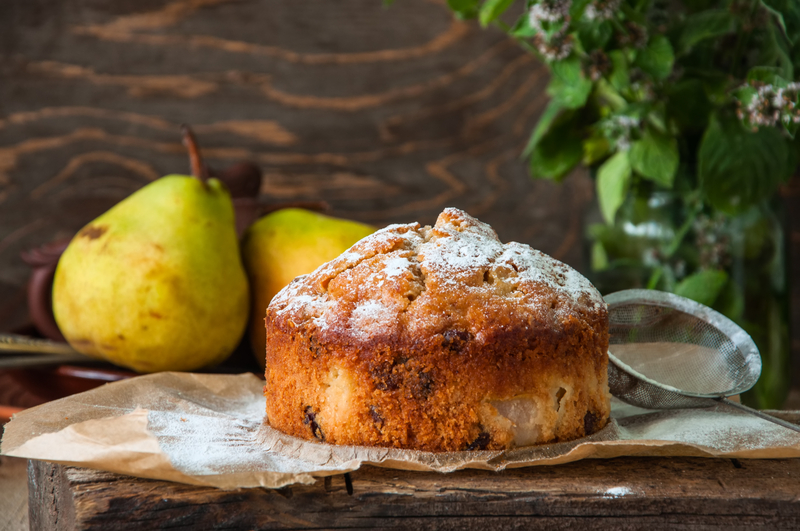

 Fat does two main jobs in a cake.
 Fat does three main things in your cake batter. It blocks gluten from over-forming, it softens the crumb while adding flavor, and it helps mix air and water evenly through the batter.
 Fat controls how moist, tender, and tall your cake turns out. The amount and type you use changes the crumb, the rise, and how long the cake stays fresh.
 Your choice of fat changes how your cake looks, tastes, and feels in your mouth. Butter gives you flavor and rise, oil keeps your cake moist for days, and shortening gives you a soft, stable crumb.
 How you mix your batter and how warm or cold your fat is both change the final texture of your cake. These two factors control how much air gets into your batter and how that air behaves once it hits the oven.
 Different cakes need different fats. Your choice depends on whether you want a rich flavor, a light texture, or a long shelf life.
 You can swap part of the fat in your cake recipe with fruit puree to cut calories while keeping the cake moist. This works, but it changes the texture, so you need to know the right amounts to use.
 The same fat rules that shape a cake also shape cookies and pie crust. Once you understand how solid fat and gluten development work together, you can predict texture in almost any baked good.
 Fat is essential to cake baking because it affects tenderness, moisture, texture, flavor, and structure. Butter, oil, and shortening each behave differently, so choosing the right one depends on the type of cake and the result you want.


