What Does Olive Oil Do to Bread Dough? Key Effects
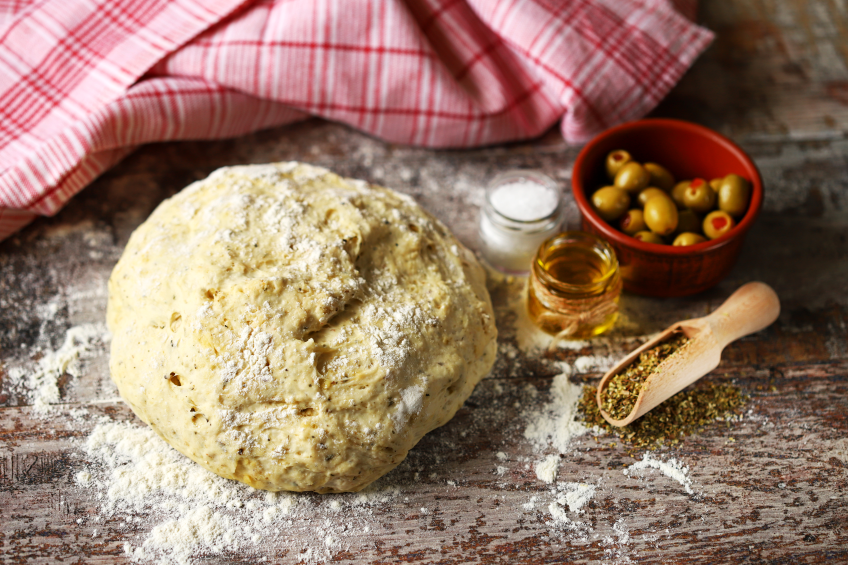
Olive oil softens bread dough, making it easier to handle, and produces a more tender, flavorful loaf with a longer shelf life.
It modifies the dough’s texture by coating gluten strands, impacting crumb structure, crust formation, and moisture retention. Understanding how olive oil interacts with bread dough helps you achieve your desired results, whether you’re baking focaccia, sandwich bread, or pizza dough.
Olive oil does more than add flavor—it influences how dough rises, how the crust browns, and how long your bread stays fresh. Knowing when and how much olive oil to use can improve both the texture and taste of your homemade bread.
How Olive Oil Changes Dough Structure
Olive oil alters dough by coating flour proteins, which slows gluten bonding and changes the dough’s stretchiness, feel, and cohesion during kneading and baking.
Gluten Development and Dough Strength
When flour and water combine, glutenin and gliadin proteins form gluten, which provides dough with structure and elasticity.
Olive oil coats these developing gluten strands, slowing their bonding and resulting in a more relaxed, less tight gluten network. This produces a softer dough and a more tender finished bread.
If too much oil is added too early, gluten development can be inhibited, requiring longer kneading to achieve adequate dough strength. For best results, follow your recipe’s recommended timing for oil addition.
Dough Consistency, Elasticity, and Handling
Olive oil makes dough softer, smoother, and more extensible. This improved extensibility allows dough to stretch further without tearing, which is especially helpful for shaping flatbreads and pizza dough.
Smoother texture: Oil reduces stickiness on hands and work surfaces.
Slower spring-back: Dough stretches more before resisting.
Easier rolling: Achieve thinner shapes without tearing.
Excessive oil can make dough greasy and difficult to handle, so use the amount specified in your recipe for optimal results.
Hydration Is Not the Same as Added Oil
Dough hydration refers to the water-to-flour ratio. Oil is not a substitute for water; it does not hydrate flour or support gluten formation in the same way.
Water activates gluten by being absorbed into the flour, while oil coats proteins and can inhibit gluten development if added too early. For recipes using the autolyse method (resting flour and water before other ingredients), add oil after autolyse to maximize gluten development.
Do not replace water with oil, as this will decrease dough hydration and result in denser, less structured bread.
Effects on Crumb, Crust, and Flavor
Olive oil softens the crumb, enhances crust browning, and imparts its own flavor to bread. These effects depend on the type and amount of oil used.
Creating a Softer, More Tender Crumb
Olive oil coats gluten strands, limiting their ability to bond tightly. This results in a softer, more tender crumb with a slightly open structure, especially noticeable in the first few days after baking. Bread made with olive oil retains moisture better and avoids the dryness of lean (oil-free) doughs.
Crust Browning and Surface Texture
Olive oil promotes deeper golden-brown crusts by improving surface heat transfer during baking. The crust is often thinner and crispier, while the layer beneath remains tender. Extra virgin olive oil can enhance both color and flavor due to its higher content of natural compounds that react during baking.
How Olive Oil Shapes Bread Flavor
The flavor impact of olive oil depends on its type:
Oil Type
Flavor Strength
Best Use
Extra virgin olive oil
Strong
Focaccia, rustic loaves
Virgin olive oil
Moderate
Everyday bread
Regular/refined olive oil
Mild
Sandwich bread, rolls
Light olive oil
Very mild
Recipes needing neutral taste
Choose a robust oil for breads where you want the olive flavor to stand out, or a milder oil for recipes where a subtle richness is preferred.
Fermentation, Proofing, and Loaf Volume
Olive oil affects bread dough’s rise, loaf volume, and crumb structure by interacting with yeast activity and gluten development.
Does Oil Slow Yeast Activity?
Small amounts of olive oil generally have little effect on bread fermentation, while higher amounts of fat can affect dough development and fermentation stability. As the amount of fat increases, it can delay the swelling and development of the dough, potentially reducing fermentation stability and loaf volume. This means doughs containing higher levels of olive oil may require more time to develop and rise fully, depending on the recipe and fermentation conditions.
For more information on the role of fats in bread dough and fermentation, see the IREKS Compendium of Baking Technology and the scientific review “Lipids in bread making: Sources, interactions, and impact on bread quality,” published in theJournal of Cereal Science.
2–5% oil: Little to no change in fermentation speed
~10% oil: Slightly slower fermentation
15–20% oil: Noticeably longer fermentation times
Balancing Oil With Gluten Development
Because oil inhibits gluten bonding, adding it after some gluten has already formed (such as after autolyse or initial kneading) helps maintain dough structure. This approach produces a loaf with good volume and texture. If oil is added too early, extra kneading or additional stretch-and-folds may be needed for adequate gluten development.
What to Expect During Proofing
Dough with olive oil is softer and more relaxed during proofing, with less resistance when poked. This reduced gluten strength may result in a slightly smaller loaf volume and a tighter, more uniform crumb. These characteristics are typical of enriched breads and are not flaws.
For a lighter, more open crumb, use oil sparingly and ensure sufficient gluten development before shaping and proofing.
Freshness and the Staling Process
Olive oil helps bread stay fresh longer by retaining moisture and slowing staling. It acts as a natural preservative, keeping the crumb soft and extending shelf life.
Moisture Retention After Baking
Olive oil’s fatty acids coat starch and gluten, creating a barrier that reduces moisture loss after baking. Bread with olive oil remains softer and more pliable for several days, which is especially beneficial for sandwich loaves and rolls.
Without oil, bread dries out and becomes crumbly more quickly. For best results, store oiled breads in an airtight container at room temperature.
How Fat Slows Starch Retrogradation
Absolutely. I’d use this version with the direct authoritative link embedded in the content:
Bread stales partly because of starch retrogradation, in which starch molecules gradually reassociate and form more ordered structures during storage, contributing to a firmer crumb. Adding fat such as olive oil can help keep bread softer by influencing interactions between starch, gluten, and water. Research has found that lipids can interact with starch and may influence starch retrogradation and bread staling.
While olive oil cannot prevent staling entirely, it significantly extends the period of optimal freshness and texture in homemade bread.
Storage Limits and Food Safety
Olive oil helps bread stay soft and moist but does not prevent spoilage or mold. Proper storage is still essential for safety and maximum freshness.
For best results, store bread at room temperature in a suitable bread bag or airtight wrapping. Avoid refrigerating bread when possible, as cold temperatures cause bread to stale more quickly. King Arthur Baking explains that refrigeration encourages moisture to migrate toward the bread’s surface and evaporate, accelerating the loss of freshness. For longer-term storage, freezing is a better option because it helps preserve the bread’s moisture and texture. King Arthur Baking.
Storage Method
Effect on Freshness
Room temperature, breathable bag
Best for short-term freshness (2-4 days)
Refrigerator
Speeds up staling, not recommended
Freezer
Best for long-term storage (up to 3 months)
Always check bread for mold, especially in warm or humid environments, where mold can grow more readily. Olive oil may help slow staling, but it does not make bread resistant to mold. If you see mold on bread, discard the entire loaf rather than cutting away the affected area, because mold can spread below the visible surface in porous foods. The USDA Food Safety and Inspection Service specifically recommends discarding moldy bread and baked goods rather than attempting to remove the visible mold.
How Much Olive Oil to Use and When to Add It
Use 2% to 20% olive oil by flour weight, depending on the bread style. When you add olive oil—either after autolyse or during mixing—directly affects dough texture and gluten development.
Recommended Baker’s Percentages
Olive oil is typically used at 2% to 20% of the flour weight, calculated using baker’s percentage. This method bases all ingredient amounts on the flour weight, ensuring consistent results across recipes.
For standard loaves with a light, tender crumb, 2% to 5% olive oil is ideal, providing subtle flavor and improved softness. Enriched doughs, such as focaccia or sandwich bread, often use 10% to 20% for a richer, softer texture.
For best gluten development, add olive oil after the autolyse rather than including it in the initial flour-and-water rest. A true autolyse consists primarily of flour and water, allowing the flour to fully hydrate and gluten bonds to begin developing before the remaining ingredients are incorporated. King Arthur Baking recommends a 20–60 minute rest for an autolyse, after which the remaining ingredients are added and the dough is kneaded. King Arthur Baking.
Oil repels water and can inhibit gluten formation if added too early. After autolyse, mix in the oil gently, then proceed with kneading. If skipping autolyse, add olive oil after combining flour and water, then knead as usual.
Avoid adding oil at the very start of mixing, as it can coat flour particles and interfere with gluten structure.
Troubleshooting Too Much Olive Oil
Excess olive oil makes dough greasy, slack, and difficult to shape. Too much oil prevents proteins from forming strong gluten bonds, resulting in a weak, sticky dough.
If your dough is overly soft or oily, add small amounts of flour and knead longer to help gluten develop. Allowing the dough to rest for 10–15 minutes between kneading sessions can also help. If the dough remains loose, reduce the oil in future recipes.
Choosing Olive Oil and Comparing Other Fats
Choose olive oil based on desired flavor and aroma. Alternative fats like butter, lard, or neutral oils change bread’s texture and taste; your choice will impact both the baking process and the finished loaf.
Extra Virgin Olive Oil vs. Refined Olive Oils
Extra virgin olive oil (EVOO) provides the most pronounced, fruity, or peppery flavor, ideal for breads like focaccia or ciabatta. Virgin olive oil is slightly milder, while refined or “light” olive oils have a neutral taste due to additional processing.
For strong olive oil flavor, use EVOO. For a subtle profile, opt for refined or light olive oil.
Olive Oil Compared to Butter and Lard
Butter and lard are rich in saturated fats, while olive oil is primarily monounsaturated fat. This affects both health and baking characteristics.
Butter yields a rich, tender crumb and golden crust due to its milk solids, which brown during baking. Lard produces a soft, flaky crumb and is commonly used in some traditional breads and pastries. Olive oil results in a moist, slightly chewy crumb and a softer crust compared to butter-based breads.
Fat
Fat Type
Effect on Crumb
Flavor Impact
Butter
Saturated
Tender, rich
Buttery, mild
Lard
Saturated
Soft, flaky
Neutral
Olive oil
Monounsaturated
Moist, chewy
Fruity to neutral
Olive oil, particularly extra-virgin olive oil, contains antioxidants and other beneficial plant compounds such as phenols and polyphenols that are not present in the same amounts in butter or lard. It is also predominantly monounsaturated fat, making it a nutritionally different choice from animal fats that are higher in saturated fat. Harvard Health.
Neutral Oils and Other Substitutions
Neutral oils such as vegetable, canola (rapeseed), and sunflower oil have little to no flavor but soften the crumb and help retain moisture, much like olive oil. Avocado oil is also mild and can be substituted for olive oil for similar texture without added flavor.
Coconut oil is unique because it is solid at room temperature and imparts a subtle coconut flavor. Cream or milk can replace part of the fat and liquid, resulting in a softer, richer crumb, though they contribute their own flavor.
Best Bread Styles for Olive Oil
Olive oil excels in Mediterranean breads and enriched doughs, while lean artisan loaves often benefit from little or no added fat. The amount of oil depends on the desired crumb, crust, and bread style.
Mediterranean Flatbreads and Focaccia
Focaccia showcases olive oil’s flavor and texture benefits. Oil is added to the dough and generously brushed on top before baking, producing a golden, dimpled crust and tender crumb.
Mediterranean flatbreads also use more oil, which keeps the dough soft and easy to stretch. Focaccia recipes often call for 8–10% oil by flour weight, sometimes higher, as oil is integral to both texture and flavor.
Pizza Dough, Ciabatta, and Soft Rolls
Pizza dough benefits from a small amount of olive oil (2–3% of flour weight), resulting in a slightly softer crust that still crisps well at high temperatures.
Ciabatta relies on high hydration for its open crumb, but a modest amount of oil (2–4%) adds richness and enhances crust color. Soft dinner rolls can be made with olive oil for a dairy-free, tender texture, though butter is also common.
Bread Type
Oil Amount (of flour weight)
Purpose
Pizza dough
2–3%
Softer crust, improved crisping
Ciabatta
2–4%
Added richness, browning
Dinner rolls
4–6%
Tender, dairy-free option
When Lean Artisan Loaves Need Little or No Oil
Classic French baguettes and many rustic artisan breads are “lean” doughs, made with only flour, water, yeast, and salt. These breads develop a crisp crust and chewy crumb without added fat. Including oil would soften the crust and alter the traditional texture.
For these styles, omit oil from the dough and use it only for greasing bowls or proofing containers if needed.
Using Olive Oil in Sourdough
Olive oil is not required for sourdough bread, but adding a small amount—typically 2–4% of the flour weight—can improve texture by softening the crumb and making the crust less brittle. This adjustment preserves the classic tangy flavor of sourdough while creating a slightly more tender loaf.
Unlike enriched breads such as brioche or challah, which contain ingredients such as butter, eggs, and sugar to create a rich, tender texture, sourdough made with olive oil can remain relatively simple while gaining added tenderness. King Arthur Baking notes that oil or butter produces a softer crumb and richer mouthfeel, while larger amounts of fat can affect gluten development and may require longer kneading and fermentation. King Arthur Baking.
If you are new to adding oil to sourdough, start with the lower end of the recommended range. Observe how it affects dough handling and oven spring, then adjust the amount in future bakes as desired.
Olive oil affects bread dough by making the finished loaf softer, more tender, and more moist. It also changes the dough’s handling, crust, flavor, and shelf life, making it especially useful in breads such as focaccia, pizza dough, and enriched sandwich breads.
FAQ: Does Olive Oil Make Bread Softer?
Yes. Olive oil coats some of the flour proteins and limits gluten development, producing a softer and more tender crumb.
Does Olive Oil Make Bread More Moist?
Yes. Olive oil contributes fat to the dough, which can help produce a softer, more moist-feeling crumb and slow the perception of staling.
Does Olive Oil Affect Gluten Development?
Yes. Fat can interfere with the interaction between gluten-forming proteins, which can make the dough less elastic and easier to handle. The amount of oil matters; larger quantities can have a more noticeable effect.
Does Olive Oil Make Bread Rise Less?
It can, particularly when a large amount is added. Because fat can limit gluten development, excessive oil may reduce the dough’s ability to retain the gases produced by yeast.
Does Olive Oil Make Bread Taste Better?
It depends on the bread and the type of olive oil used. Extra-virgin olive oil can contribute a fruity, peppery, or grassy flavor, while a milder olive oil provides less noticeable flavor.
Does Olive Oil Make Bread Crust Crispy?
It can contribute to better browning and a different crust texture, although the final crust depends on the recipe, hydration, oven temperature, and baking method. In some breads, oil produces a thinner and more tender crust.
How Much Olive Oil Should You Add to Bread Dough?
The amount varies by recipe. A relatively small amount can improve tenderness without dramatically changing the dough, while higher amounts are common in breads such as focaccia and some pizza doughs.
Can You Use Olive Oil Instead of Butter in Bread?
Yes. Olive oil can replace butter in many bread recipes, although the texture and flavor will be different. Because butter contains both fat and water while olive oil is essentially fat, the substitution may require adjustments to the recipe.
Does Olive Oil Make Bread Last Longer?
It can help bread remain softer for longer by affecting moisture retention and crumb texture. However, storage conditions and the overall recipe also have a major effect on freshness.
Is Olive Oil Good for Yeast Bread?
Yes. Olive oil is particularly useful in soft breads, focaccia, pizza dough, and Mediterranean-style breads. It can improve tenderness, handling, flavor, and the texture of the finished loaf.
What Does Olive Oil Do to Bread Dough?
The main effects of olive oil are to soften the crumb, tenderize the bread, influence gluten development, add flavor, and affect crust texture and browning. The amount used determines how strongly it changes the dough.

 Olive oil softens bread dough, making it easier to handle, and produces a more tender, flavorful loaf with a longer shelf life.
 Olive oil alters dough by coating flour proteins, which slows gluten bonding and changes the dough’s stretchiness, feel, and cohesion during kneading and baking.
 Olive oil softens the crumb, enhances crust browning, and imparts its own flavor to bread. These effects depend on the type and amount of oil used.
 Olive oil affects bread dough’s rise, loaf volume, and crumb structure by interacting with yeast activity and gluten development.
 Olive oil helps bread stay fresh longer by retaining moisture and slowing staling. It acts as a natural preservative, keeping the crumb soft and extending shelf life.
 Use 2% to 20% olive oil by flour weight, depending on the bread style. When you add olive oil—either after autolyse or during mixing—directly affects dough texture and gluten development.
 Choose olive oil based on desired flavor and aroma. Alternative fats like butter, lard, or neutral oils change bread’s texture and taste; your choice will impact both the baking process and the finished loaf.
 Olive oil excels in Mediterranean breads and enriched doughs, while lean artisan loaves often benefit from little or no added fat. The amount of oil depends on the desired crumb, crust, and bread style.
 Yes. Olive oil coats some of the flour proteins and limits gluten development, producing a softer and more tender crumb.


