Can You Leave Freshly Baked Banana Bread Out Overnight? Safe Storage Tips for Maximum Freshness
You just pulled a fresh loaf of banana bread out of the oven, and now you’re wondering if it’s safe to leave it on the counter overnight.
Yes, you can leave freshly baked banana bread out overnight, as long as you cool it completely and store it properly. A plain loaf can stay at room temperature overnight, but perishable toppings or fillings need refrigeration. A few simple steps help keep banana bread fresh, moist, and safe to eat.
This article explains how to cool and store your loaf, and when to refrigerate or freeze it instead.
The Overnight Answer for a Plain Loaf
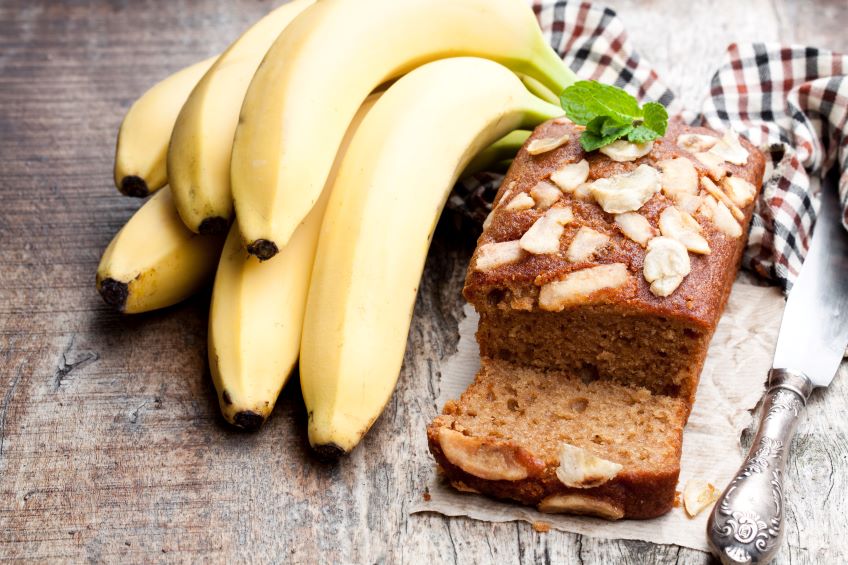
A plain banana bread loaf, with no dairy filling or cream topping, can sit out overnight when stored properly. Kitchen temperature and how you store the loaf affect how long it stays fresh.
When Leaving It Out Is Reasonable
Leaving banana bread out overnight is perfectly safe if your kitchen stays cool, ideally below 75°F. This is one of the more common questions bakers ask, and the short answer is yes, banana bread can safely sit out at room temperature overnight.
Once the loaf is fully cool, wrap it tightly in plastic wrap or foil, or place it in an airtight container. This helps keep it moist and prevents it from drying out.
For most standard loaves, refrigeration isn’t necessary overnight. However, sugar and fat do not prevent mold, so proper storage and checking for spoilage still matter.
When It Needs Refrigeration Instead
Your loaf needs refrigeration if it contains cream cheese frosting, a custard filling, or another perishable ingredient. These ingredients can spoil faster than the bread itself, even if the loaf looks fine on the outside.
You should also refrigerate banana bread if your kitchen is warm or humid, especially above 75°F. Heat and humidity can encourage mold growth and shorten how long your loaf stays fresh.
If you’re unsure whether your specific loaf is safe, check for common signs of spoilage before eating it.
Look for:
A sour or off smell
Visible mold spots, often green or white
A slimy or unusually wet texture
Discoloration on the crust or interior
If your loaf shows any of these signs, throw it out rather than risk eating spoiled bread.
How to Cool Banana Bread After Baking
Cooling banana bread properly helps prevent a soggy or gummy texture. The two most important steps are removing the loaf from the pan and letting it cool completely before wrapping it.
Move the Loaf From the Pan to a Wire Rack
Take your banana bread out of the pan within 10 to 15 minutes of removing it from the oven. Leaving it in the pan too long can trap steam and make the bottom and sides soggy.
Set the loaf on a wire rack so air can circulate around it. This lets heat escape evenly instead of building up underneath the bread.
Do not place the loaf directly on a plate or cutting board while it cools. Without airflow underneath, moisture can collect and dampen the crust.
Let the bread sit on the rack for at least one to two hours, or until it reaches room temperature.
If you finish baking late, leaving banana bread out overnight to cool uncovered on a wire rack is fine in a cool, dry kitchen. Just be sure to wrap it first thing the next morning.
Check That It Has Cooled Before Wrapping
Before wrapping your loaf, touch the bottom and center to make sure no warmth remains. Wrapping banana bread while it is still warm traps steam, which can make the middle wet and dense.
Wait until the loaf feels completely cool throughout, not just on top. This usually takes one to two hours, though a large loaf may need longer.
Once it has cooled fully, wrap it tightly in plastic wrap or foil, or place it in an airtight container. A tight seal limits air exposure and helps keep the crumb moist.
Stored this way, banana bread can stay fresh at room temperature for up to four days, depending on the ingredients and conditions. For longer storage, wrap it well and freeze it instead of leaving it on the counter.
How to Store a Loaf Overnight
The best way to store banana bread overnight depends on whether the loaf is still warm or has fully cooled. Cooling and wrapping it properly help prevent a soggy or dried-out texture.
Cover a Warm Loaf Loosely
If you just pulled your banana bread from the oven, do not wrap it tightly right away. A warm loaf still releases steam, and trapping that steam under plastic wrap or foil can make the crust soggy.
Instead, place a clean kitchen towel loosely over the top. This protects the bread from dust and bugs while letting steam escape.
Leave it on the counter, not in the fridge, until it reaches room temperature. This usually takes one to two hours, depending on the size of your loaf.
Once it feels cool to the touch on all sides, wrap it for overnight storage.
Wrap a Fully Cooled Loaf to Retain Moisture
After your loaf has cooled completely, wrap it tightly in plastic wrap or aluminum foil to seal in moisture. Banana bread can dry out when exposed to air, and excess moisture can encourage mold, so proper storage matters.
A tight wrap or an airtight container works best. Keep the loaf in a cool, dry spot on your counter overnight, unless it has a perishable filling or topping or your kitchen is warm or humid.
Refrigeration can make baked goods dry out faster, so the counter is usually better for a plain loaf overnight. Stored this way, your loaf will be ready to slice in the morning.
Countertop Storage for the Next Few Days
Storing banana bread at room temperature keeps it fresh for 2 to 4 days when wrapped well and placed in a cool spot. Storage conditions affect how long the loaf stays fresh.
Choose a Cool, Dry Spot
Your kitchen counter is fine for banana bread, but the spot you choose matters. Keep the loaf away from the stove, oven, dishwasher, and windows with direct sunlight. Heat and light can speed up spoilage and dry out the crumb.
A pantry shelf, shaded counter corner, or bread box works well. A bread box provides balanced airflow that prevents excess moisture buildup while shielding the bread from dust.
Aim for a spot that stays close to room temperature, around 68 to 72°F. If your kitchen is warm or humid, the bread may not last the full four days, so check it sooner or refrigerate it after a day or two.
Protect Sliced Bread From Drying Out
Once you cut into the loaf, the exposed sides dry out quickly. Wrap slices in plastic wrap or beeswax wrap, then place them in an airtight container to retain moisture. You can also press plastic wrap directly against the cut side of the remaining loaf to limit air exposure.
A whole, unsliced loaf holds moisture longer than a cut one. If you won’t finish the loaf quickly, slice only what you need and keep the rest whole and wrapped. This can help the bread retain its texture for an extra day or two.
Should You Refrigerate Plain Banana Bread?
Plain banana bread does not need to be refrigerated right away. The best storage method depends on your kitchen temperature and how soon you plan to eat the loaf.
When the Counter Is the Better Choice
For plain banana bread, the counter is usually the best option. You do not have to refrigerate banana bread if you plan to eat it within three to four days of baking.
Keeping banana bread at room temperature helps preserve a soft, moist crumb. Cold air can dry out baked goods, so refrigeration may dry your loaf faster than storing it on the counter.
To store it properly, wrap the cooled loaf tightly in plastic wrap or place it in an airtight container. You can also add a paper towel inside the container to absorb excess moisture, which may help reduce mold growth, based on advice from Southern Living’s storage guide.
Keep the loaf away from direct sunlight and heat sources like your stove.
When a Warm Kitchen Makes the Fridge Useful
If your kitchen is warm or humid, or you live somewhere without air conditioning, refrigeration may be a better choice. In these conditions, refrigerating banana bread can slow mold growth.
Refrigeration may extend the life of your loaf to about a week. This can be useful if you won’t finish the bread within a few days.
Refrigeration can also make banana bread denser and drier over time. To limit air exposure, wrap the loaf tightly and take out only what you plan to eat.
Let refrigerated slices sit out for a few minutes before eating to soften the texture.
How to Refrigerate Banana Bread Without Drying It Out
You can refrigerate banana bread to extend its storage time, especially in a warm or humid kitchen. The key to keeping it moist is how you wrap it and serve it once it’s cold.
Wrap the Loaf or Slices Tightly
Cold air in the fridge pulls moisture out of baked goods quickly, which can make banana bread dry and crumbly.
To prevent this, wrap your loaf or slices tightly in plastic wrap or foil. Press the wrap directly against the surface of the bread to eliminate air gaps.
For extra protection, place the wrapped bread inside an airtight container or a resealable bag. This helps block fridge odors and adds a second layer of protection against dry air.
Banana bread stored this way in the fridge stays fresh for up to a week. Without a tight wrap, it can become stale and dry within a few days, according to Martha Stewart.
Bring Slices to Room Temperature Before Serving
Cold banana bread straight from the fridge can taste and feel different from a fresh loaf. Chilling makes its texture denser and slightly tougher.
Let a slice sit out for 15 to 20 minutes before eating to give it time to soften.
If you want it warm, heat a slice in a toaster or oven for a few minutes. Warming it this way can make the banana flavor stand out more, according to Martha Stewart.
Serving banana bread cold can make it seem dry, even when it was stored properly.
How to Freeze Banana Bread
Freezing is the best way to store homemade banana bread if you want it to last longer than a few days on the counter. When wrapped properly, banana bread can be frozen whole or in slices for up to 2 to 3 months. according to Martha Stewart.
Pack Whole Loaves and Individual Slices
Let your banana bread cool completely before wrapping it. Wrapping warm bread traps steam, and that moisture can lead to ice crystals and soggy spots later.
For a whole loaf, wrap it tightly in plastic wrap, then add a layer of foil. Place it in a freezer bag and press out as much air as possible.
For individual slices, wrap each one separately in plastic wrap or foil. Then place all the wrapped slices in one freezer bag.
This method makes it easy to grab a single piece without thawing the whole loaf. Label the bag with the date so you know how long it has been in the freezer.
Thaw Without Making the Bread Soggy
For the best texture, thaw banana bread slowly. Leave a whole loaf or individual slices in their wrapping and set them on the counter for a few hours.
Keeping the wrapping on while the bread thaws helps retain moisture and limits condensation on the bread itself.
Avoid microwaving bread straight from frozen, since this can dry it out instead of thawing it evenly.
If you’re short on time, unwrap a slice and toast it directly from frozen. The dry heat crisps the outside while warming the inside, avoiding the soggy texture that can come from rushed thawing.
Banana Bread Shelf Life by Storage Method
How long banana bread lasts depends on where you store it. Your storage choice affects both its shelf life and how it tastes when you eat it.
Counter, Refrigerator, and Freezer Timeframes
Each storage method gives you a different timeframe for how long banana bread stays fresh after baking.
Here is what you can expect:
Room temperature: Your loaf stays fresh for 3 to 4 days when kept in an airtight container or wrapped tightly in plastic.
Refrigerator: You can extend homemade banana bread’s shelf life to up to 10 days by wrapping it tightly and minimizing air exposure.
Freezer: For the longest shelf life, freeze banana bread whole or in slices for 2 to 3 months.
Your fridge slows mold growth but can dry out the bread. Your freezer is the best option if you want to save a loaf for later and limit spoilage.
Why Homemade Loaves Vary
Not every homemade loaf lasts the same amount of time. Your ingredients play a big role in how long banana bread stays fresh after it cools.
Gluten-free flours can dry out and go stale faster than regular flour. If you bake with whole-wheat flour, the bread may turn rancid sooner than a loaf made with white flour, so refrigeration can help.
Mix-ins matter, too. Nuts, chocolate chips, and extra moisture from ripe bananas can all affect how long your loaf stays fresh.
How you cool your bread also affects its shelf life. If you don’t let it cool properly, trapped moisture can make the loaf soggy and speed up spoilage.
Ingredients That Change the Storage Rules
The type of banana bread you bake affects how long it stays safe and fresh. Add-ins like frosting, nuts, and extra fruit can have different storage needs.
Cream Cheese Frosting and Other Perishable Additions
If your banana bread has cream cheese frosting or a cream cheese filling, don’t leave it out overnight. Dairy-based toppings are perishable and should be refrigerated within two hours.
Store frosted banana bread in an airtight container in the refrigerator, where it will stay fresh for about 5 to 7 days. Proper storage depends on the ingredients you use.
Other perishable additions follow the same rule. Cream fillings, custard swirls, and yogurt-based glazes all need refrigeration rather than counter storage.
Nuts, Chocolate, and Extra Fruit
Banana nut bread does not need refrigeration if it has no dairy toppings. Store it at room temperature in an airtight container for 3 to 4 days.
Nuts contain fat, which can turn rancid more quickly in warm or humid kitchens. If your kitchen runs warm, refrigerate the loaf to extend its shelf life to about a week.
Chocolate chips hold up well at room temperature and do not change storage times. Fresh fruit mixed into the batter, like berries or diced apple, adds moisture and raises the risk of mold. Eat fruit-studded banana bread within 2 to 3 days if it is left on the counter.
How Kitchen Conditions Affect Freshness
Your kitchen’s temperature and humidity affect how long banana bread stays safe and fresh. Both where you store it and how you handle it matter.
Heat and Humidity
Warm, humid kitchens speed up spoilage. Room-temperature storage generally works well, but counter storage in humid climates can invite mold growth within 48 hours.
If your kitchen is above 75°F or feels sticky, the fridge is the safer choice. Heat can also dry out bread faster once it is uncovered.
Keep your loaf away from the stove, oven, and sunny windows. Direct heat and light can affect the bread’s texture and shorten its shelf life. A cool, dark spot on the counter is best for keeping banana bread fresh.
Clean Hands, Containers, and Cutting Tools
Bacteria can spread through contact, so clean hands and tools matter. Always wash your hands before slicing or handling the loaf.
Use a clean knife each time you cut a piece. A dirty blade can transfer contaminants to the soft crumb and speed up spoilage.
The container you store banana bread in should be clean and completely dry. Leftover moisture can trap humidity against the bread and encourage mold. Wipe down cutting boards and countertops after each use, too, since crumbs can attract pests over time.
Signs It Is Time to Discard the Loaf
Banana bread can show clear warning signs when it has spoiled. Check for these signs so you know when to discard the loaf.
Mold and Unusual Odors
Mold is a clear sign that your banana bread has gone bad. You might see fuzzy white, green, black, or blue spots on the surface or inside the loaf, especially near the center where moisture collects.
Never scrape off mold and eat the rest. Mold can spread beneath the surface of soft, moist foods like banana bread, so visible spots may not show the full extent of the growth.
Your nose is also useful. Fresh banana bread smells sweet and slightly fruity. If you notice a sour, musty, or fermented smell, discard the loaf, even if you don’t see visible mold. Banana bread can spoil if it sits out too long.
Why Staleness and Spoilage Are Different
Stale banana bread and spoiled banana bread are not the same. Staleness means the bread has dried out or lost its soft texture. It might feel firm, crumbly, or tough to bite into.
You can still eat stale banana bread if it shows no signs of spoilage. It just won’t taste as fresh or moist as it did on day one.
Spoilage is different and more serious. It means mold, yeast, or bacteria may be growing in the bread, which can make you sick.
Signs of spoilage include:
Mold growth of any color or size
Sour or off smells that weren’t there before
Slimy texture on the surface
Visible discoloration beyond normal browning
So how long does banana bread stay fresh? At room temperature, a properly wrapped loaf typically stays fresh for up to four days before its quality declines. How long it remains safe to eat also depends on your kitchen’s humidity and temperature. To keep banana bread beyond that window, move it to the fridge or freezer.
What to Do If the Center Is Undercooked
A wet, dense center means your banana bread needs more time in the oven before storage. Catching this early can save the loaf and prevent a soggy mess the next morning.
Check the Center Before Storing
Before you leave your loaf to cool overnight, check that the center is fully cooked. Insert a toothpick or thin knife into the middle of the bread.
If it comes out with wet batter clinging to it, the bread needs more baking. A few moist crumbs are fine, but streaks of raw batter are not.
You can also press the top gently with your finger. Fully baked bread springs back, while undercooked bread leaves a dent. For a more precise check, use an instant-read thermometer. The center of a regular loaf should read 200-205°F.
Storing an undercooked loaf traps moisture and can make the problem worse overnight.
When Returning It to the Oven May Help
Yes, you can put banana bread back in the oven if it’s still warm from the first bake. This works best right after baking, before the loaf has cooled or been stored.
Preheat your oven to 325°F to 350°F. Place the loaf back in its pan and cover the top loosely with foil to keep the crust from burning while the center finishes baking.
Bake for another 10 to 15 minutes, then check again with a toothpick or thermometer. Once the loaf has fully cooled or sat out overnight, rebaking is less effective. The crust may dry out before the center heats through, so it’s best to fix undercooked bread right away rather than waiting until the next day.
Keep Unbaked Batter Chilled
Unbaked batter needs different storage from a finished loaf. If you’re not ready to bake right away, refrigerate it to help preserve its safety and quality.
Why Batter Is Different From Baked Bread
Raw batter may contain eggs and milk, and mashed banana is also perishable. Baking destroys many harmful bacteria and changes the batter’s structure, so raw batter should not be stored like baked bread.
Do not leave batter at room temperature for more than two hours. Bacteria can multiply quickly in wet batter, especially in a warm kitchen.
Once you refrigerate banana bread batter, you slow bacterial growth and can bake it later. Store it in an airtight container to prevent it from drying out or absorbing fridge odors.
How Delaying Baking Can Affect the Rise
Chilling batter can affect how it rises in the oven. Cold temperatures slow the action of baking soda and baking powder, so your bread may not rise as high as it would with freshly mixed batter.
You can refrigerate banana bread batter overnight and bake it within 24 hours. Waiting longer can result in a denser, flatter loaf.
Before baking, let the batter sit out for about 30 minutes. This brings it closer to room temperature and may help it rise more evenly in the oven.
Make-Ahead Storage Plans
Planning ahead can save time on busy days. Bake your banana bread early and store it properly to keep it fresh until you’re ready to serve it.
Bake the Day Before Serving
Yes, you can make banana bread ahead of time, and baking it a day early often gives the flavors time to blend. As the loaf rests overnight, moisture redistributes through the bread, creating a softer texture and a more pronounced banana flavor.
Let the loaf cool completely before wrapping it. Cover it tightly with plastic wrap or foil, then store it at room temperature in a cool spot.
Stored this way, banana bread generally stays fresh for 3 to 4 days. For longer storage, refrigerate it, where it can keep for up to 10 days.
Freeze Earlier Batches
If you want to bake further ahead, freezing is a good option. Storing homemade banana bread in the freezer preserves its quality for about 2 to 3 months.
You can freeze the loaf whole or sliced, depending on how you plan to use it. Whole loaves are less exposed to air, while slices thaw faster for quick snacking.
Wrap each portion tightly in plastic wrap or parchment paper, then place it in a sealable freezer bag. Label the bag with the date so you know how long it has been stored.
When you’re ready to eat it, thaw the loaf in the fridge overnight or warm slices in a toaster oven.
Serving Banana Bread the Next Day
Waiting a day to eat banana bread can give you a better slice than cutting it fresh from the oven. The loaf’s texture and flavor can change as it rests overnight, and knowing why can help you serve it at its best.
Why Flavor and Texture Can Improve Overnight
Banana bread can taste even better the next day because the flavors have more time to blend.
When you first take the loaf out of the oven, the banana flavor and spices may not be fully developed. Overnight, moisture redistributes through the bread, giving it a softer, moister crumb by morning.
The sugars and fats in the loaf help retain moisture, so the bread may stay soft as it rests. The result can be a denser, richer slice than on the first day.
Many people find that banana bread tastes better the next day. As the loaf rests, its flavors and moisture redistribute.
How to Refresh a Slice
If your slice feels dry or cool, restore its fresh-baked quality in just a few minutes.
Try one of these methods:
Microwave: Heat your slice on a microwave-safe plate for 10-15 seconds.
Oven: Wrap your slice in foil and warm it at 300°F for about 10 minutes.
Toaster oven: Toast lightly for a slightly crisp edge and soft center.
Adding a small pat of butter before reheating can boost flavor and moisture. Avoid overheating, which can quickly dry out your slice. A few seconds too long in the microwave can undo the softness you’re trying to restore.
The Best Baking Bread Pan: Our Top Recommendation for Perfect Loaves
When it comes to baking delicious, homemade bread, having the right equipment is essential. A high-quality bread pan can make a world of difference in the texture, rise, and evenness of your loaf.
Why We Recommend the USA Pan Bakeware Pullman Loaf Pan
The USA Pan Pullman Loaf Pan is crafted with aluminized steel, offering exceptional heat conduction for evenly baked bread. This durable material ensures your bread has a perfectly crisp crust while maintaining a soft, airy interior.
The pullman-style pan, with its tight-fitting lid, creates the ideal environment for baking a square-shaped loaf with a uniform rise and beautiful texture.
Key Features:
Non-stick Coating: The USA Pan Pullman Loaf Pan features a patented non-stick coating that allows easy release of your bread, ensuring that it slides out effortlessly after baking.
Durability: Made with heavy-duty aluminized steel, this pan is built to last. It’s resistant to rust and provides long-term reliability for all your baking needs.
Even Heating: The material ensures consistent heat distribution, so your bread bakes evenly throughout, with no raw spots or overcooked areas.
Lid for Perfect Shape: The pan comes with a lid that helps create the signature square shape of Pullman loaves and traps heat, resulting in perfectly risen bread with an attractive, uniform appearance.
If you’re serious about making perfect loaves of bread, this is the pan to have. It’s versatile enough for a variety of recipes, including sandwiches, sweet breads, and even gluten-free options.
FAQ: Can You Leave Freshly Baked Banana Bread Out Overnight?
Yes, freshly baked banana bread can usually be left at room temperature overnight if it does not contain perishable fillings or toppings such as cream cheese frosting. Once completely cooled, store it in an airtight container or wrap it well to help prevent it from drying out.
Should Banana Bread Be Refrigerated Overnight?
Banana bread does not usually need refrigeration when it is plain and properly stored. Refrigeration can make the bread firmer and may cause it to lose some of its soft texture.
How Should You Store Banana Bread Overnight?
Let the banana bread cool completely before wrapping it or placing it in an airtight container. Store it at room temperature in a cool, dry area away from direct sunlight and heat.
Can You Wrap Banana Bread While It Is Still Warm?
It is better to let banana bread cool before wrapping it tightly. Trapping excess steam can create condensation, which may make the crust or surface damp and can contribute to mold growth during storage.
How Long Does Banana Bread Last at Room Temperature?
Properly stored banana bread will generally stay good for about 2 to 4 days at room temperature, although its quality can decline gradually. If you notice mold, an unusual smell, or other signs of spoilage, discard the bread.


 A plain banana bread loaf, with no dairy filling or cream topping, can sit out overnight when stored properly. Kitchen temperature and how you store the loaf affect how long it stays fresh.
 The best way to store banana bread overnight depends on whether the loaf is still warm or has fully cooled. Cooling and wrapping it properly help prevent a soggy or dried-out texture.
 Storing banana bread at room temperature keeps it fresh for 2 to 4 days when wrapped well and placed in a cool spot. Storage conditions affect how long the loaf stays fresh.
 Plain banana bread does not need to be refrigerated right away. The best storage method depends on your kitchen temperature and how soon you plan to eat the loaf.
 You can refrigerate banana bread to extend its storage time, especially in a warm or humid kitchen. The key to keeping it moist is how you wrap it and serve it once it’s cold.
 Freezing is the best way to store homemade banana bread if you want it to last longer than a few days on the counter. When wrapped properly, banana bread can be frozen whole or in slices for up to 2 to 3 months. according to Martha Stewart.
 How long banana bread lasts depends on where you store it. Your storage choice affects both its shelf life and how it tastes when you eat it.
 The type of banana bread you bake affects how long it stays safe and fresh. Add-ins like frosting, nuts, and extra fruit can have different storage needs.
 Your kitchen’s temperature and humidity affect how long banana bread stays safe and fresh. Both where you store it and how you handle it matter.
 Banana bread can show clear warning signs when it has spoiled. Check for these signs so you know when to discard the loaf.
 A wet, dense center means your banana bread needs more time in the oven before storage. Catching this early can save the loaf and prevent a soggy mess the next morning.
 Unbaked batter needs different storage from a finished loaf. If you’re not ready to bake right away, refrigerate it to help preserve its safety and quality.
 Planning ahead can save time on busy days. Bake your banana bread early and store it properly to keep it fresh until you’re ready to serve it.
 Waiting a day to eat banana bread can give you a better slice than cutting it fresh from the oven. The loaf’s texture and flavor can change as it rests overnight, and knowing why can help you serve it at its best.
 When it comes to baking delicious, homemade bread, having the right equipment is essential. A high-quality bread pan can make a world of difference in the texture, rise, and evenness of your loaf.
 Yes, freshly baked banana bread can usually be left at room temperature overnight if it does not contain perishable fillings or toppings such as cream cheese frosting. Once completely cooled, store it in an airtight container or wrap it well to help prevent it from drying out.


