How Long Does Homemade Sourdough Bread Last? Storage Guide
You just pulled a golden loaf from the oven, and now you want it to stay fresh as long as possible. Homemade sourdough has no preservatives, so how you store it makes a big difference.
Fresh homemade sourdough bread lasts about 4 to 5 days at room temperature when kept whole, 2 to 3 days once sliced, and up to 3 months in the freezer for best quality. The natural acids from fermentation help it stay fresh longer than many types of homemade bread, though storage conditions affect overall bread shelf life.
Keep reading to learn how to store sourdough bread, how to freeze sourdough bread for long-term storage, why the fridge can make it go stale faster, and how to bring stale bread back to life.
Sourdough Shelf Life at a Glance
A whole loaf of homemade sourdough keeps for about 4 to 5 days on the counter. If you want to know how long does sourdough bread last overall, freezing extends it up to 3 months for peak quality. Sourdough tastes best within the first day and gets drier over time.
Typical Timelines for the Counter, Refrigerator, and Freezer
Understanding how long sourdough bread lasts depends on where you store it and whether it is sliced. Fresh homemade sourdough lasts about 4 to 5 days whole and 2 to 3 days once sliced at room temperature.
Storage Method
How Long It Lasts
Notes
Counter (whole loaf)
4–5 days
Keep it cut-side down
Counter (sliced)
2–3 days
More bread is exposed to air
Refrigerator
2–3 days
Speeds up staling
Freezer
Up to 3 months for best quality
Slice before freezing
You should generally skip the fridge. Cold temperatures speed up a process called starch retrogradation, which makes bread stale and dry faster.
The freezer is your best choice for longer storage. For best quality, use frozen sourdough within 3 months. A well-wrapped loaf can remain safe to eat for up to 6 months, although its quality may decline.
Freshness Versus Spoilage: What the Timelines Mean
Sourdough’s freshness timeline is not the same as its safety timeline. A loaf may not grow mold for days, but its texture and flavor can change.
Here is how sourdough quality changes over time:
Day 1: Fresh, with a crisp crust and soft interior.
Days 2–3: Usually still good to eat. The crust may soften, and the flavor may become more sour.
Days 3–5: Best toasted or warmed. The crust may harden, and the interior may dry out.
After Day 5: Often stale, though it may not be moldy.
Stale bread is generally safe to eat if it has no signs of mold or spoilage. You can refresh it by spraying it lightly with water and heating it in a 325°F oven for 10 to 15 minutes.
Spoiled bread is different. If you see green, white, or fuzzy spots of mold, throw the whole loaf away.
How Long a Loaf Keeps on the Counter
When considering how long does sourdough bread last on the counter, a whole loaf stays fresh for about four to five days at room temperature. Slicing reduces that to about two or three days. Warm, damp kitchens and moisture-rich additions can make mold appear sooner.
What to Expect During the First Three to Five Days
Freshly baked sourdough tastes best on the first day. After that, it gradually dries out and becomes firmer.
A whole loaf of homemade sourdough lasts 4 to 5 days at room temperature. Once cut, plan to eat it within two to three days for best quality. Sourdough’s natural fermentation acids may help slow mold growth, but they do not prevent staling or spoilage.
Here is what a typical loaf looks like over time:
Day
What You Will Notice
Day 1
Crisp crust and soft, moist inside
Days 2–3
Crust softens, and the inside starts to firm up
Days 4–5
Bread is drier and works best toasted
To keep it fresh longer, store it cut-side down on a board or in a bread box. You can also wrap it in a clean dish towel or beeswax bag. Avoid the fridge, because cold temperatures make bread go stale faster.
When Heat and Humidity Shorten the Timeline
Your kitchen conditions matter. Warm air and high humidity encourage mold growth, so bread may spoil sooner, sometimes within two to three days during hot, humid weather.
Watch for these signs that your bread has gone bad:
Fuzzy spots that are white, green, blue, or black
A sour or musty smell that is stronger than normal
A damp or sticky feel on the crust
If you see mold, throw the whole loaf away. Mold can spread through bread in ways you cannot see.
Ingredients that add moisture can also shorten how long sourdough keeps at room temperature. A loaf with fruit or other moist fillings may be more likely to mold quickly. Slice and freeze extra bread if you will not eat it within a day or two.
Whole Loaves Versus Sliced Bread
A whole sourdough loaf stays fresh for about 4 to 5 days on the counter, while sliced bread lasts closer to 2 to 3 days. Keeping the crust intact and covering the cut end are simple ways to slow staling.
Why an Uncut Crust Protects the Crumb
How long a loaf of sourdough bread lasts depends partly on whether you have cut into it. A whole homemade sourdough loaf lasts 4 to 5 days at room temperature. Once sliced, its best-quality window drops to about 2 to 3 days.
The reason is moisture loss. The crust helps protect the soft crumb. Cutting the loaf exposes more of the interior to air, so it starts drying out faster.
Think of the uncut crust as the bread’s own packaging. Each slice exposes more of the crumb to air.
Loaf Condition
Room Temperature Freshness
Whole, uncut
4–5 days
Sliced
2–3 days
How to Store a Loaf After the First Slice
How long sourdough bread stays fresh after cutting depends on how you store the exposed end. Follow these steps:
Place it cut-side down. Set the loaf on a wooden cutting board so the crumb is covered. This method helps keep homemade bread fresh longer without special tools.
Avoid a tight plastic bag. Storing crusty bread in an airtight plastic bag traps moisture and softens the crust, though an unsealed bag works well in arid rooms.
Use a paper or cloth cover. Storing your loaf in a paper sack or a linen bread bag lets the crumb breathe while shielding the crust.
Freeze what you won’t eat within 2 to 3 days. Slice the extra bread first so you can take out only what you need.
For frozen slices, lay them on a baking sheet until solid before moving them to a bag. This keeps them from sticking together.
The Refrigerator: Longer Storage, Faster Staling
Homemade sourdough bread usually stays free of mold for about 7 to 10 days in the fridge. However, cold temperatures make bread stale faster, so its texture may start to decline after about 2 to 3 days.
Why Refrigerated Bread Loses Its Texture
Bread goes stale when its starches lose moisture and harden. This process is called starch retrogradation. Refrigerator temperatures of 35–40°F are where this staling happens fastest.
How long does sourdough last in the fridge?
It depends on what you are measuring:
What You Measure
Typical Time in the Fridge
Before mold appears
About 7–10 days
Before texture declines
About 2–3 days
This means refrigerated bread may remain free of mold, but it will not taste fresh. Sourdough stored in an airtight container often stays free of mold for 7 to 10 days, but it can become tough and dry well before then.
For most breads, the fridge causes staling faster than room-temperature storage causes mold. That is why many bakers avoid refrigerating bread.
When Refrigeration May Still Be Useful
The fridge can still help in a few cases. If your kitchen is hot or humid, mold can grow quickly on the counter, and cold storage slows its growth.
Refrigeration makes the most sense if you plan to toast your bread. Heat helps improve the texture of stale bread, so toasted slices taste better than cold ones.
If you do use the fridge, follow these steps:
Seal it well. Use an airtight bag or container. Poor sealing can make the loaf dry and dense.
Slice it first. This lets you take out only what you need.
Reheat before eating. Toast slices or warm them in the oven.
If you want to keep sourdough longer than a few days, the freezer preserves its quality better than the fridge. Frozen bread can keep for up to 3 months.
Freezing Sourdough for Longer Storage
When freezing sourdough bread, a fully cooled loaf sealed in a freezer bag keeps its best taste and texture for about 2 to 3 months. A light mist of water and a few minutes in a hot oven can restore the crisp crust.
How to Wrap Whole Loaves and Individual Slices
Knowing how to freeze sourdough bread starts with proper cooling. Let your bread cool for at least 6 hours before wrapping it, as warm bread traps steam that can lead to freezer burn.
For a whole loaf, place it in a large zip-top bag and press out as much air as possible. If you use a vacuum sealer, choose the seal only setting so the bread does not get crushed. For extra protection, wrap the loaf in foil before bagging it.
For slices, follow these steps:
Lay the slices on a tray lined with parchment paper.
Freeze for 15 to 30 minutes until the outside is firm.
Move the slices into a freezer bag.
This keeps the slices from sticking, so you can freeze sliced sourdough bread and take out one piece at a time.
Storage Goal
Time in Freezer
Best taste and texture
Up to 2–3 months
Bread you plan to toast
Up to 6 months
Label each bag with the date so you use older bread first.
How to Thaw or Toast Frozen Bread
To refresh a whole loaf, let it thaw on the counter while it is still wrapped.
Then:
Unwrap the loaf and spray it lightly with water.
Bake it in a hot oven for about 5 minutes.
Slice it right away, since the bread is only being reheated.
Stale or older loaves also respond well to a light water spray and 10-15 minutes at 325°F.
Frozen slices do not need to thaw first. Put them straight into the toaster. Toasting can also mask small changes in texture, which is why bread you plan to toast can stay frozen longer.
If you plan to freeze a loaf, bake it slightly lighter than usual. The crust will finish browning when you reheat it, making it less likely to turn hard.
Storage Methods That Preserve Freshness
Homemade sourdough stays fresh for about 2 to 5 days at room temperature when fully cooled, stored in a suitable container, and kept in a dry spot. Small choices, such as when you wrap the loaf and where you store it, affect how long it lasts.
Cool the Loaf Completely Before Storing It
If you wrap bread while it is still warm, steam gets trapped inside the bag. This moisture can make the loaf damp and encourage mold growth.
Wait at least two hours after baking before slicing or storing your sourdough. Cutting it too early can also leave the inside gummy.
Follow these steps for proper cooling:
Place the loaf on a wire rack so air reaches the bottom.
Choose a spot with steady airflow.
Check that the bottom crust feels cool to the touch before wrapping.
Large, round boules may need longer than two hours to cool. Proper cooling is the first step toward a longer shelf life.
Choose Paper, Linen, a Bread Box, or Plastic Based on Conditions
Choosing the best way to store sourdough bread depends on the crust you want and your kitchen’s humidity. There are several storage options for different needs.
Storage Option
Crust Result
Best For
Paper bag
Stays crisp
Eating within 1–3 days
Linen bag
Stays crisp
Normal to humid kitchens
Bread box
Fairly crisp
Keeping a loaf on the counter for several days
Loose plastic bag
Turns soft
Dry climates or a chewier crumb
Paper and a linen bread bag let some air in, helping preserve the crust. A plastic bag holds in more moisture, so the inside stays soft longer.
In a very humid home, plastic can trap too much moisture. In a dry home, paper may let the loaf go stale faster. With proper storage, sourdough can keep a crunchy crust for up to 5 days.
Bread Storage Made Easy
Choosing the right storage solution can help protect your bread from excess moisture, dryness, and exposure to air, helping it maintain its texture and freshness for longer. Here are four practical bread-storage options that combine functionality, durability, and attractive design.
Vintage Bread Box
The AVV Farmhouse Bread Box is a spacious countertop storage container designed to keep bread neatly stored while adding a decorative touch to the kitchen. Its metal construction and vintage-inspired white finish give it a classic farmhouse appearance that works well with a variety of kitchen styles.
Fall Front Bread Box
The Brabantia Fall Front Bread Box features a convenient fall-front lid that provides easy access to your bread while keeping it enclosed when not in use. Its compact design makes it a practical choice for kitchens where countertop space is limited, while its simple appearance complements a range of kitchen décors.
Stainless Steel Bread Box
This bread bin provides generous storage space for bread and also doubles as a convenient cutting board. Its stainless steel construction is durable and easy to maintain, while the lid helps keep the contents protected and readily accessible.
Wooden Bread Box
The Lohasok Bread Box is a farmhouse-inspired storage container designed to keep bread organized on the kitchen countertop. Its spacious interior can accommodate different types and sizes of bread, while the clear window lets you see the contents without having to open the box.
These bread boxes offer a practical combination of storage, durability, and style, making it easier to keep your bread organized and protected between uses. Choosing a suitable bread box can also help keep your countertop tidy while giving your homemade or store-bought bread a dedicated place for storage.
Keep Bread Away From Heat and Condensation
Where you store your loaf matters as much as what you store it in. Heat and moisture can encourage mold growth.
Avoid these spots:
Next to the stove or oven
Above or near the dishwasher
On top of the refrigerator, which gives off warm air
In direct sunlight by a window
Keep your bread on a cool, dry counter or in a cabinet. Avoid the refrigerator, since cold air makes bread go stale faster.
Store the loaf cut side down on a cutting board to slow drying. If you see water droplets forming inside a plastic bag, move the bread to paper or linen right away.
Signs Sourdough Has Spoiled
Understanding how to tell if sourdough has gone bad protects you from eating spoiled food. At room temperature, it typically lasts about 4 to 7 days before mold appears or its quality drops. Fuzzy spots, sour or musty smells, and a damp crumb mean the loaf should go in the trash.
Mold, Off Odors, and Unusual Dampness
How fast does sourdough bread mold? Homemade loaves typically develop mold after 5 to 7 days at room temperature, though humid kitchens can speed this up.
Watch for these signs:
Sign
What to Look For
Mold
White, fuzzy patches or green and blue spots
Off odor
A musty, stale, or chemical smell instead of a mild tang
Dampness
A wet, sticky, or gummy feel inside the crumb
Rope spoilage
Stringy, sticky threads and a smell like overripe fruit, among the key signs of spoiled sourdough
Do not confuse flour with mold. Flour brushes off as a bright white powder. Mold is duller, may have a green or blue tint, and spreads over time.
In contrast, stale sourdough bread feels hard and dry, but it is generally safe to eat if it has no signs of spoilage.
Why You Should Discard the Entire Moldy Loaf
It may seem fine to cut away a small moldy spot, but this is not safe with bread.
Bread is soft and full of air pockets. Mold grows thin threads, called roots, that can spread deep into the loaf. You cannot see these threads, even when the rest of the bread looks clean.
Some molds can also produce harmful substances that may cause allergic reactions or breathing problems. For this reason, throw away the whole loaf as soon as you see any mold.
Follow these steps:
Do not sniff the mold closely, since you could breathe in spores.
Seal the loaf in a bag before tossing it.
Check nearby bread or food for mold.
Wipe out your bread box or container before using it again.
How to Interpret a Store-Bought Expiration Date
The date printed on a bag of sourdough indicates when the bread is expected to taste best, not the exact day it becomes unsafe. How long the bread keeps depends on whether it is true sourdough and what ingredients the baker added.
Best-By Dates Versus Signs of Spoilage
A date on sourdough bread is usually a “best by” or “sell by” date. It estimates quality, not a strict safety cutoff.
Store-bought sourdough is usually at its best for 2 to 4 days at room temperature. After that, the crust may harden and the inside dry out. Stale bread without signs of spoilage is generally safe to eat, and toasting can improve its texture.
To judge whether sourdough bread is still good past its date, check the bread itself instead of relying on the label:
Sign
What It Means
What to Do
Hard crust, dry crumb
Stale
Toast it or use it for croutons
Green, white, or fuzzy spots
Mold
Throw out the whole loaf
Sour, musty, or “off” smell
Possible spoilage
Throw it out
Do not cut off moldy spots and eat the rest. Mold can spread through soft bread in ways you cannot see.
Why Packaging and Preservatives Change the Timeline
Not every loaf labeled “sourdough” is made the same way. Some are true sourdough made with wild yeast. Others use commercial yeast with added sourdough flavor.
This affects how long the bread keeps. True sourdough contains natural acids that can slow mold growth, but it has no preservatives and may go stale quickly.
Mass-produced sourdough often contains added preservatives, which can extend its shelf life to a week or more.
Check these details on the package:
Ingredient list: Look for preservatives such as calcium propionate. Their presence usually indicates a longer shelf life.
Packaging type: Sealed plastic keeps bread soft longer, but it can also trap moisture and encourage mold, especially in humid kitchens.
Paper bags: These keep the crust crisp, but the bread dries out faster, often within 1 to 2 days.
A later best-by date on the label may reflect the use of preservatives. It does not necessarily mean the bread is better.
Why Sourdough Can Outlast Other Homemade Bread
To understand why sourdough lasts longer than regular bread, look at sourdough fermentation, which produces natural acids and mold-inhibiting compounds. Store-bought bread may last even longer, often because it contains added preservatives.
How Fermentation Acids Affect Mold Growth
Does sourdough bread last longer than regular bread? Compared with most homemade yeasted bread, it often does.
A sourdough starter contains wild yeast and lactic acid bacteria, which produce two main acids as the dough ferments:
Acetic acid gives a sharp, vinegar-like taste and helps slow mold growth.
Lactic acid adds a mild, tangy flavor and lowers the bread’s pH.
A healthy sourdough starter lowers the dough’s pH early in the process. Research suggests that sourdough bacteria produce antifungal compounds as they break down flour. These compounds slow mold growth but do not prevent it indefinitely.
The long fermentation can also slow staling: starch hardens more slowly, and the dough retains more water.
Type of Homemade Bread
Typical Freshness at Room Temperature
Straight yeasted bread
2–3 days
Bread with a pre-ferment
3–4 days
Sourdough
4–6 days
Why Packaged Bread Is a Different Comparison
Most homemade yeast bread lasts about 2 to 3 days on the counter. Packaged store-bought bread keeps differently.
Store-bought sandwich bread often lasts 5–7 days thanks to added preservatives such as calcium propionate. Many brands also add sugar and fat, which help keep the crumb soft.
Packaged bread can therefore outlast homemade sourdough. This is generally due to added ingredients, not longer fermentation.
When you compare sourdough with other homemade bread, it often keeps longer. Compared with packaged bread, the difference is that sourdough relies on natural acids, while packaged bread may use preservatives.
What Makes One Loaf Age Faster Than Another
A wet, thick-crusted round loaf made with whole grain flour may stay soft longer than a small, dry loaf made with white flour. Add-ins like cheese, fruit, or olive oil can also affect how long bread keeps on the counter.
Hydration, Crust, Shape, and Flour Choice
The shelf life of sourdough depends on how the dough is made. Bakers often point to crust type and hydration as factors that affect freshness.
Here is how each one works:
Hydration: Dough with more water may retain moisture longer. A loaf made with 75% hydration can stay soft longer than one made with 65% hydration.
Crust: A thick, dark crust can help slow moisture loss from the soft inside.
Shape: A large round boule has less surface area than a thin baguette, so it may dry out more slowly. A baguette can go stale in one day.
Flour: Whole wheat and rye flours can hold more water than white flour. Rye loaves may stay moist for close to a week.
So how long does a loaf of sourdough last? A standard loaf lasts about 4 to 5 days at room temperature. The factors above can extend or shorten that timeframe.
How Fillings and Added Ingredients Affect Storage
What you add to the dough also matters. Most homemade bread uses only flour, water, sourdough starter, and salt, but extra ingredients can affect freshness.
Added Ingredient
Effect on Freshness
Olive oil or butter
Keeps the crumb softer for longer
Honey or sugar
Helps retain moisture and slow staling
Cheese or meat
Increases the risk of spoilage; refrigerate leftovers within 1-2 days
Fresh fruit or vegetables
Adds moisture, which can lead to mold sooner
Dried fruit or nuts
Usually has little effect on shelf life
Fats and sugars work similarly to the dough conditioners used by commercial bakeries by helping bread retain moisture.
How long can sourdough bread with perishable fillings last? Eat cheese- or jalapeño-filled loaves within two days, or freeze them for later.
What to Do With Stale but Safe Bread
Homemade sourdough bread typically stays fresh for about 3 to 5 days at room temperature, but it may turn hard before mold appears. If you have stale sourdough bread that shows no mold and smells normal, warm it in the oven, toast it, or make croutons, breadcrumbs, or sourdough French toast.
Refresh the Crust or Toast Individual Slices
A little water and heat can restore some of a stale loaf’s texture.
You can refresh stale sourdough bread in the oven with these steps:
Preheat the oven to 390°F (200°C).
Run the crust under the tap, keeping the inside from getting soaked.
Wrap the loaf in foil and bake for 15 minutes.
Remove the foil and bake for 5 more minutes to crisp the crust.
This is a temporary fix: the bread tastes fresh for only a couple of hours, so plan to eat it soon.
If you only need a slice or two, toasting is faster. Heat dries out the tough, leathery crumb and makes it crisp again. It also helps to know the difference between bread that is dry and stale. Dry bread feels hard and crisp, while stale bread feels tough and chewy.
Make Croutons, Breadcrumbs, or French Toast
Once you know how long sourdough bread stays fresh, you can plan to use older loaves before they spoil. Turning dry slices into crispy sourdough croutons or rich sourdough French toast is a quick way to repurpose them.
Firm bread often works better than fresh bread in these recipes:
Use
How to Make It
Storage
Croutons
Cube the bread, toss with olive oil, salt, and herbs, then bake at 350°F for about 15 minutes.
Store in a sealed container for about 1 week
Breadcrumbs
Dry chunks in a low oven for about an hour, then blend until fine.
Store in a sealed container for a few weeks, or freeze
French toast
Soak thick slices in egg and milk, then cook in butter until golden.
Best eaten right away
Dry bread absorbs the egg mixture without falling apart, making it the ideal base for sourdough french toast.
For more ideas, try other easy ways to use leftover sourdough, such as bread pudding or stuffing. If you are not ready to cook, slice the bread and freeze it for later.
How Long Does Homemade Sourdough Bread Last? University Storage Guidance
Homemade sourdough bread usually lasts 3–5 days at room temperature when stored properly. University of Illinois Extension recommends keeping sourdough in a linen bread bag, bread bin, paper bag, cooled Dutch oven, or cake carrier.
How Should You Store Sourdough Bread?
Allow the loaf to cool completely before storing it. Keeping warm bread in an airtight container can trap moisture and soften the crust, while storing it before it has cooled may encourage mould growth. A bread bag or bread bin is usually better than tightly sealing the loaf in plastic if you want to preserve its crust.
Avoid refrigerating sourdough unless your kitchen is very warm or humid. Oregon State University Extension explains that refrigeration can slow mould growth but also causes bread to stale more quickly.
For longer storage, freeze the bread. Slice the loaf if you want to remove only a few portions at a time, then wrap it securely in freezer-safe packaging. Illinois Extension states that homemade bread can be frozen for up to 3 months for best quality.
If you notice visible mould, discard the entire loaf rather than cutting away the affected area. Mould can spread below the visible surface, and Oregon State University Extension advises discarding bakery items that develop mould because some moulds may produce toxins.
In short, keep homemade sourdough at room temperature for 3–5 days, freeze it for longer storage, and avoid the refrigerator when possible because it can make the bread stale faster.
FAQ: How Long Does Homemade Sourdough Bread Last?
Homemade sourdough bread generally stays at its best for 3 to 5 days at room temperature when stored properly. Its shelf life depends on the recipe, moisture content, storage conditions, and how the bread is packaged.
How Should You Store Homemade Sourdough Bread?
Store sourdough at room temperature in a paper bag, bread bag, or bread box that allows some airflow. Avoid sealing freshly baked bread in an airtight container while it is still warm, as trapped moisture can soften the crust.
Should You Refrigerate Homemade Sourdough Bread?
Refrigeration is generally not recommended for maintaining the best texture because cold temperatures can make bread become stale more quickly. If you need to keep sourdough for longer, freezing it is usually a better option.
Can You Freeze Homemade Sourdough Bread?
Yes. Sourdough bread freezes well and can generally be kept for around 2 to 3 months for good quality. Wrap the loaf or individual slices securely to reduce moisture loss and freezer burn.
How Do You Know If Sourdough Bread Has Gone Bad?
Look for visible mold, an unusual smell, or significant changes in appearance or texture. If you see mold on sourdough bread, discard the entire loaf rather than cutting away the affected area.
Does Homemade Sourdough Last Longer Than Regular Bread?
Sourdough’s acidity can help slow the growth of some molds, but it does not make the bread immune to spoilage. Storage conditions and the bread’s moisture content still have a major effect on how long it remains fresh.
How Can You Make Homemade Sourdough Last Longer?
Allow the loaf to cool completely before storing it, keep it in a suitable bread bag or bread box, and freeze portions that you will not eat within several days. Keeping the cut side protected can also help reduce moisture loss and staling.
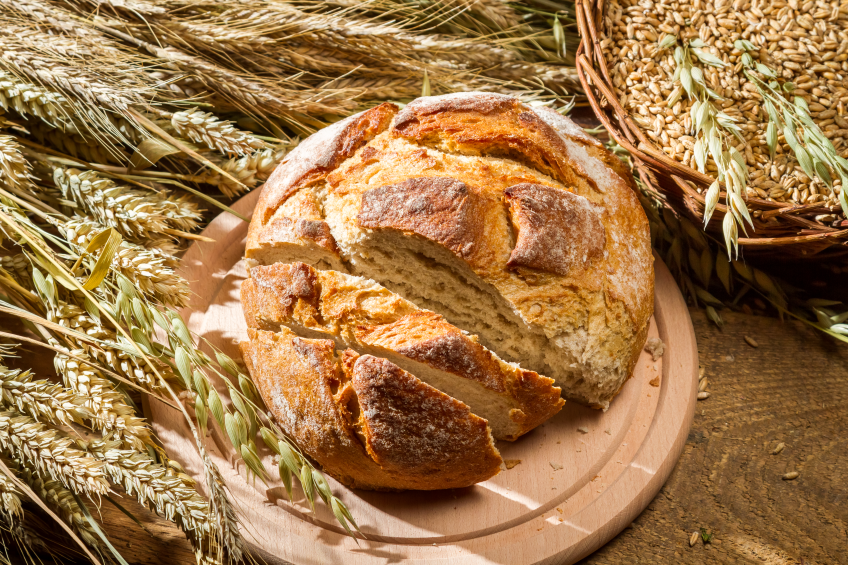

 You just pulled a golden loaf from the oven, and now you want it to stay fresh as long as possible. Homemade sourdough has no preservatives, so how you store it makes a big difference.
 A whole loaf of homemade sourdough keeps for about 4 to 5 days on the counter. If you want to know how long does sourdough bread last overall, freezing extends it up to 3 months for peak quality. Sourdough tastes best within the first day and gets drier over time.
 When considering how long does sourdough bread last on the counter, a whole loaf stays fresh for about four to five days at room temperature. Slicing reduces that to about two or three days. Warm, damp kitchens and moisture-rich additions can make mold appear sooner.
 A whole sourdough loaf stays fresh for about 4 to 5 days on the counter, while sliced bread lasts closer to 2 to 3 days. Keeping the crust intact and covering the cut end are simple ways to slow staling.
 Homemade sourdough bread usually stays free of mold for about 7 to 10 days in the fridge. However, cold temperatures make bread stale faster, so its texture may start to decline after about 2 to 3 days.
 When freezing sourdough bread, a fully cooled loaf sealed in a freezer bag keeps its best taste and texture for about 2 to 3 months. A light mist of water and a few minutes in a hot oven can restore the crisp crust.
 Homemade sourdough stays fresh for about 2 to 5 days at room temperature when fully cooled, stored in a suitable container, and kept in a dry spot. Small choices, such as when you wrap the loaf and where you store it, affect how long it lasts.
 Choosing the right storage solution can help protect your bread from excess moisture, dryness, and exposure to air, helping it maintain its texture and freshness for longer. Here are four practical bread-storage options that combine functionality, durability, and attractive design.
 Understanding how to tell if sourdough has gone bad protects you from eating spoiled food. At room temperature, it typically lasts about 4 to 7 days before mold appears or its quality drops. Fuzzy spots, sour or musty smells, and a damp crumb mean the loaf should go in the trash.
 The date printed on a bag of sourdough indicates when the bread is expected to taste best, not the exact day it becomes unsafe. How long the bread keeps depends on whether it is true sourdough and what ingredients the baker added.
 To understand why sourdough lasts longer than regular bread, look at sourdough fermentation, which produces natural acids and mold-inhibiting compounds. Store-bought bread may last even longer, often because it contains added preservatives.
 A wet, thick-crusted round loaf made with whole grain flour may stay soft longer than a small, dry loaf made with white flour. Add-ins like cheese, fruit, or olive oil can also affect how long bread keeps on the counter.
 Homemade sourdough bread typically stays fresh for about 3 to 5 days at room temperature, but it may turn hard before mold appears. If you have stale sourdough bread that shows no mold and smells normal, warm it in the oven, toast it, or make croutons, breadcrumbs, or sourdough French toast.
 Homemade sourdough bread usually lasts 3–5 days at room temperature when stored properly. University of Illinois Extension recommends keeping sourdough in a linen bread bag, bread bin, paper bag, cooled Dutch oven, or cake carrier.
 Homemade sourdough bread generally stays at its best for 3 to 5 days at room temperature when stored properly. Its shelf life depends on the recipe, moisture content, storage conditions, and how the bread is packaged.


