What Temperature Do You Bake Muffins At? Essential Guidelines for Perfectly Baked Muffins
Baking muffins might seem simple, but choosing the right oven temperature makes all the difference between perfect, fluffy treats and disappointing results.
Most muffin recipes bake best at temperatures between 350°F and 400°F, with 375°F being the most common choice for standard-sized muffins.
This range allows your muffins to rise properly while developing that golden-brown exterior everyone loves.
Understanding how temperature affects your muffins helps you adjust for different recipes and avoid common problems like flat tops or dry centers. Your oven type matters too, since convection ovens require different settings than conventional ones.
This guide walks you through everything you need to know about muffin baking temperatures, from basic guidelines to adjustments for different muffin varieties.
Whether you’re following a classic blueberry muffin recipe or experimenting with new flavors, getting the temperature right ensures consistent results every time. You’ll learn how to work with your specific oven, recognize when your muffins are done, and troubleshoot issues that might pop up along the way.
Essential Oven Temperatures for Muffin Baking
Most muffins bake best between 375°F and 425°F, with 400°F being the most common temperature for standard-sized muffins. The right temperature depends on your muffin size, pan type, and whether you want a tender crumb or a crusty top.
Standard Temperature Ranges for Muffins
You’ll get the best results when you bake muffins at 375°F to 425°F. This temperature range creates the right conditions for proper rising and browning.
For most recipes, 400°F works well. This temperature helps your muffins develop a golden-brown top while keeping the inside moist. Some bakers start at 425°F for the first 5 minutes, then reduce to 375°F for the remaining time. This method creates a nice dome shape.
Lower temperatures around 350°F to 375°F work better for dense muffins with heavy mix-ins like fruit or nuts. Higher temperatures between 400°F and 425°F suit lighter batters that need quick rising.
Temperature
Best For
Baking Time
350°F – 375°F
Dense, heavy muffins
20-25 minutes
375°F – 400°F
Standard muffins
18-22 minutes
400°F – 425°F
Light, domed muffins
15-20 minutes
Why Preheating Matters
Your oven must reach the correct temperature before you put muffin pans inside. A cold or partially heated oven changes how muffins rise and bake.
When you place batter in a fully preheated oven, the heat activates baking powder or baking soda right away. This creates the lift your muffins need. Without proper preheating, muffins spread out instead of rising up. They also take longer to bake, which dries them out.
Give your oven at least 15 to 20 minutes to preheat. Use an oven thermometer to check the actual temperature. Many ovens run 25°F higher or lower than the dial shows.
Place your muffin pans on the center rack for even heat distribution. Keep space between multiple pans so air can flow around them.
How Size and Shape Affect Baking Temperature
Standard muffin pans need different temperatures than mini or jumbo sizes. The amount of batter in each cup changes how heat moves through the muffins.
Mini muffins bake at 375°F to 400°F for 10 to 15 minutes. Their small size means heat reaches the center quickly. Watch them closely after 10 minutes to prevent overbaking.
Standard muffins work best at 375°F to 425°F for 18 to 22 minutes. This is what most muffin baking guides refer to when listing temperatures.
Jumbo muffins require 375°F for 25 to 30 minutes. Lower temperatures prevent the outside from burning before the inside cooks through. You can also start at 425°F for 5 minutes, then drop to 375°F.
Dark-colored muffin pans absorb more heat than light ones. Reduce your oven temperature by 25°F when using dark pans to avoid over-browning.
Conventional vs. Convection Oven Settings
Convection ovens require you to reduce the temperature by 25°F or shorten baking time by 25% compared to conventional ovens because the circulating fan cooks food faster and more evenly.
Adapting Recipes for Convection Ovens
Most muffin recipes assume you’re using a conventional oven. When you switch to a convection oven, the built-in fan changes how heat reaches your muffin pans.
The circulating air in convection ovens creates more even heat distribution. This means your muffins will brown faster on the outside. You need to adjust your standard muffin recipe to prevent overbaked tops with undercooked centers.
Lower the oven temperature by 25°F from what your recipe states. If your muffin recipe calls for 375°F in a conventional oven, set your convection oven to 350°F. Keep the same baking time and check for doneness using a toothpick test.
Some convection ovens have an auto-adjust feature that makes these changes for you. Check your oven manual to see if you need to manually adjust settings.
Adjusting Baking Time and Temperature
You have two options when baking muffins in a convection oven. Choose the method that works best for your schedule and recipe.
Temperature method: Reduce the oven temperature by 25°F and keep the original baking time. This approach works well for standard muffin recipes that bake for 18-22 minutes.
Time method: Keep the same temperature but reduce baking time by 25%. If your muffin recipe needs 20 minutes at 375°F, bake for 15 minutes instead.
The temperature method gives you more control with delicate batters. Your muffins rise properly without forming a hard crust too quickly. Watch your muffin pans closely during the first convection bake because the golden-brown color appears faster than actual doneness.
How Temperature Influences Muffin Texture and Appearance
Temperature directly controls how your muffins rise, brown, and develop their final texture. The heat level you choose determines whether you get light and fluffy muffins or dense and dry ones.
Achieving the Ideal Muffin Rise
Your oven temperature controls how quickly the leavening agents in your muffin batter activate. At 350°F to 375°F, baking soda and baking powder release gases at the right pace to create a proper dome shape.
When you bake at temperatures too low, the batter spreads before it sets. This results in flat muffins with poor texture. Higher temperatures around 400°F cause the outside to set quickly, trapping gases inside for a better rise.
The initial blast of heat creates steam in the batter. This steam pushes upward and creates the classic muffin top. Your batter needs enough time at the right temperature for the structure to set while still allowing proper expansion.
Most muffin recipes work best when the oven creates a balance between rise speed and cooking time. A temperature of 375°F typically gives you both good height and even cooking throughout.
Browning and Crust Formation
The Maillard reaction begins around 300°F and creates the golden-brown color on your muffins. At 350°F to 400°F, sugars caramelize on the surface while proteins develop flavor compounds.
Baking at 375°F or higher produces a slightly crispy exterior with better color. Lower temperatures create pale muffins with soft tops that lack visual appeal. The crust also provides textural contrast against the soft interior.
Your muffin tops brown faster than the sides because hot air circulates more freely around the top surface. Pan placement matters too. Center rack positions give even browning on all sides of your muffins.
Dark-colored pans absorb more heat and brown muffins faster than light-colored ones. You may need to reduce your temperature by 25°F when using dark pans to prevent over-browning.
Preventing Dryness or Gumminess
Temperature affects moisture retention in baking muffins more than any other factor. At 350°F, muffins bake slowly enough to cook through without drying out the edges before the center sets.
Overbaking at high temperatures evaporates too much moisture. This leaves you with crumbly, dry muffins that lack appeal. The proteins in flour also toughen when exposed to excessive heat for too long.
Underbaking creates gummy centers because the starches never fully gelatinize. Your muffin recipe needs temperatures between 350°F and 400°F to properly cook the starch molecules while keeping enough moisture inside.
The center of your muffins should reach about 200°F internally for proper doneness. A toothpick inserted in the middle should come out with a few moist crumbs, not wet batter or completely clean.
Step-by-Step Guide to Baking Muffins
Proper preparation, accurate filling, and correct oven placement work together to create perfectly baked muffins. Each step affects how your muffins rise, brown, and develop their final texture.
Proper Pan Preparation
You need to prepare your muffin pans before adding batter to prevent sticking and ensure even baking. The two main options are greasing the pan or using paper liners.
For greasing, use butter, cooking spray, or oil to coat each cup thoroughly. Pay special attention to the bottom edges where muffins tend to stick most. You can also dust the greased cups lightly with flour for extra insurance.
Paper liners offer a convenient alternative and make cleanup easier. They work well for standard muffin recipes but can sometimes create a barrier that affects browning. If you want crispy edges, skip the liners and grease the pan directly.
Silicone baking cups provide a reusable option that releases muffins easily. They still need light greasing for best results. Non-stick muffin pans may seem ready to use, but a light coating of oil helps maintain the non-stick surface and prevents buildup over time.
Filling Muffin Cups Correctly
Fill each muffin cup about two-thirds full for standard-sized muffins. This measurement allows room for the batter to rise without overflowing while creating the classic domed top.
You can use an ice cream scoop or measuring cup to portion batter evenly. A standard ice cream scoop holds about 1/4 cup, which works perfectly for most muffin recipes. Consistent portioning ensures all your muffins bake at the same rate and finish at the same time.
Avoid overfilling cups past the two-thirds mark. This causes muffins to overflow and create flat tops instead of rounded domes. Underfilling results in small, flat muffins that may dry out during baking.
If you have empty cups in your muffin pan, fill them halfway with water. This prevents the pan from warping and helps distribute heat evenly across all the muffins.
Optimal Oven Placement
Place your muffin pan on the center rack of your preheated oven for the most even heat distribution. The center position allows hot air to circulate freely around all sides of the pan.
Avoid placing pans on the top rack, which can cause excessive browning on the muffin tops before the centers cook through. The bottom rack creates the opposite problem with burnt bottoms and pale tops.
When baking multiple pans at once, space them at least 2 inches apart and away from oven walls. This spacing lets air flow properly between pans. You may need to rotate the pans halfway through baking if you notice uneven browning.
Keep the oven door closed for at least the first 15 minutes of baking. Opening it too early releases heat and can cause muffins to collapse. After 15 minutes, you can quickly check progress without major temperature loss.
Popular Muffin Varieties and Their Temperature Tips
Different muffin recipes need slightly different baking temperatures based on their ingredients and moisture levels. Blueberry muffins bake best at 375°F to protect the fruit, chocolate chip muffins work well at 400°F for melted chocolate, and bran muffins need 375°F for even cooking.
Blueberry Muffins
Blueberry muffins bake best at 375°F for 18-22 minutes. This slightly lower temperature prevents the blueberries from bursting too quickly and creating tough spots around the fruit.
Fresh blueberries release more moisture than frozen ones during baking. If you use frozen berries, don’t thaw them first. Add them straight from the freezer to prevent the batter from turning blue.
You can also try the high-to-low method for blueberry muffins. Start at 425°F for 5 minutes, then reduce to 350°F for 13-15 minutes. This creates tall, domed tops while keeping the berries from overcooking.
Toss your blueberries in a tablespoon of flour before folding them into the batter. This helps them stay suspended in the muffin instead of sinking to the bottom.
Chocolate Chip Muffins
Chocolate chip muffins work well at 400°F for 16-20 minutes. This temperature melts the chocolate chips without burning them while creating a golden brown exterior.
The higher heat helps the chocolate soften and spread slightly through the muffin. You get pockets of melted chocolate instead of hard chips. Use mini chocolate chips if you want more even distribution throughout each muffin.
Best practices for chocolate chip muffins:
Fill cups two-thirds full
Sprinkle extra chips on top before baking
Check doneness at 16 minutes
Cool for 5 minutes before removing from pan
Dark chocolate chips can handle higher heat better than milk chocolate. If your muffin recipe uses milk chocolate, reduce the temperature to 375°F to prevent burning.
Bran Muffins
Bran muffins need 375°F for 20-25 minutes. The lower temperature ensures the dense bran mixture cooks through completely without drying out the exterior.
Bran absorbs a lot of liquid, so these muffins take longer to bake than standard recipes. Don’t rush the process by increasing the temperature. You’ll end up with burnt tops and raw centers.
Let your bran muffin batter rest for 10 minutes before baking. This allows the bran to absorb the liquid fully and creates a more tender texture. The batter will look thicker after resting.
Check bran muffins with a toothpick inserted in the center. It should come out clean or with just a few moist crumbs. The tops should spring back when lightly pressed.
Quick Breads and Muffins: Comparing Techniques
Quick breads and muffins use similar batters and mixing methods, but they require different baking temperatures and times based on their size and shape. Understanding these differences helps you adjust recipes and get better results from your baking.
Differences in Mixing and Baking
Both quick breads and muffin recipes rely on the same basic mixing method. You combine dry ingredients in one bowl and wet ingredients in another, then gently fold them together until just combined.
The key difference comes down to how you bake them. Muffins bake in individual portions at higher temperatures, typically between 375°F and 425°F. Quick breads bake as single loaves at lower temperatures, usually around 350°F.
Muffins need more heat because their smaller size allows them to cook through quickly. The high temperature creates a fast rise that forms tall, domed tops. Baking muffins takes 18 to 25 minutes in most cases.
Quick breads require gentler heat to prevent the outside from burning before the inside cooks through. A large loaf needs 45 to 75 minutes to bake completely. You can test doneness with a toothpick in the center.
Temperature Guidelines for Quick Breads
When you convert a quick bread recipe into muffins, raise the temperature by 25 to 50 degrees. A recipe that calls for 350°F as a loaf should bake at 375°F to 400°F as muffins.
Going the opposite direction requires lowering the heat. If your muffin recipe bakes at 375°F, drop the temperature to 325°F or 350°F for a loaf version.
Some bakers use a two-temperature method for extra-tall muffins. Start at 425°F for the first 8 minutes, then reduce to 350°F for the remaining time. This creates a lightly crisped top and soft center.
Adjustments for Ingredient Variations
Different ingredients require temperature adjustments to bake properly. Whole wheat flour absorbs more liquid and may need slightly lower heat, while fruits and nuts can affect moisture and cooking time.
Gluten-Free, Whole Wheat, and Alternative Flours
Muffin recipes using alternative flours require different baking temperatures than standard all-purpose flour. Whole wheat flour creates denser batters that benefit from baking at 325°F to 350°F instead of the standard 350°F to 375°F. This lower temperature allows the center to cook through without overbrowning the exterior.
Gluten-free flours behave differently because they lack the protein structure found in wheat. You should bake gluten-free muffins at 350°F, but watch them closely as they can dry out faster. Almond flour muffins brown quickly due to high fat content, so reducing the temperature to 325°F prevents burning while ensuring thorough baking.
Coconut flour absorbs significantly more liquid than wheat flour. Baking muffins with coconut flour at 350°F works well, but you may need to add 5 minutes to the total baking time.
Adding Fruits, Nuts, and Chocolate
Ingredients like fruits, nuts, and chocolate chips add moisture and density to your muffin batter. Fresh or frozen berries release water during baking, which can make muffins take longer to set. Keep the temperature at 375°F but add 3 to 5 minutes to your baking time.
Nuts don’t significantly affect baking temperature, but they can brown faster on top. If your muffin recipe includes a heavy nut topping, reduce the temperature to 350°F to prevent burning.
Chocolate chips can scorch at high temperatures. Muffins with lots of chocolate work best at 350°F to 375°F. Larger mix-ins like apple chunks or banana slices increase moisture content, so you might need to lower the temperature to 350°F and extend baking by 5 to 7 minutes. Dense additions require more time for heat to reach the center of each muffin.
Troubleshooting Common Muffin Baking Problems
Baking problems often stem from temperature issues, timing errors, or uneven heat distribution in your oven. Understanding how to identify and fix underbaked or overbaked muffins, along with addressing uneven cooking, helps you achieve consistent results with any muffin recipe.
Underbaked vs. Overbaked Muffins
Underbaked muffins have wet, gummy centers even when the tops look done. This happens when your oven temperature is too low or you remove them too early. The toothpick test should show clean results or just a few moist crumbs, not wet batter.
Overbaked muffins turn dry and crumbly with dark, hard edges. This occurs when oven temperature runs too hot or baking time extends too long. Your muffins may also develop tough, peaked tops that crack excessively.
Check doneness at the minimum baking time listed in your muffin recipe. Insert a toothpick into the center of a middle muffin, not one on the edge. If it comes out with wet batter, add 2-3 minutes and test again.
An oven thermometer helps verify your actual oven temperature matches the dial setting. Many ovens run 25°F higher or lower than displayed, which throws off timing in muffin recipes.
Dealing with Uneven Cooking
Uneven cooking produces muffins that are burnt on one side while raw on the other. Hot spots in your oven cause this problem, especially when you place pans too close to heating elements or oven walls.
Position your muffin pan on the center rack for the most even heat distribution. Leave at least 2 inches of space around all sides of the pan for proper air circulation. If you bake multiple pans, rotate them halfway through baking time.
Dark metal pans absorb more heat than light-colored ones, causing faster browning on the bottom. Switch to lighter pans or reduce your oven temperature by 25°F when using dark bakeware. Glass pans also require a 25°F temperature reduction.
Opening the oven door during the first 15 minutes of baking creates temperature drops that affect rising and cooking patterns. Wait until muffins are nearly done before checking them.
How to Test for Muffin Doneness
You can tell muffins are done by inserting a toothpick into the center and checking that it comes out clean or with just a few moist crumbs, while also looking for golden-brown tops and firm edges. Most standard-sized muffins bake for 18-20 minutes at 375°F, though timing varies based on size.
The Toothpick and Visual Tests
The toothpick test is the most reliable way to check if your muffins are fully baked. Insert a clean toothpick or wooden skewer straight down into the center of a muffin. Pull it out and examine what’s on it.
If the toothpick comes out completely clean or with only a few moist crumbs attached, your muffins are done. A toothpick covered in wet batter means the muffins need more time.
Visual cues work alongside the toothpick test. Look for these signs:
Golden-brown tops that look set and slightly domed
Firm edges that pull away slightly from the pan sides
Spring-back texture when you gently press the top with your finger
Wait until your muffins have baked for at least the minimum time in your recipe before testing. Opening the oven too early can cause muffins to sink or bake unevenly.
Timing Guidelines by Size
Standard muffins bake for 18-20 minutes at 375°F, but size affects this timeline. Mini muffins need only 10-13 minutes, while jumbo muffins require 25-30 minutes at the same temperature.
Your baking time depends on your oven’s accuracy. Use an oven thermometer to verify your actual temperature matches the dial setting. Check muffins at the earliest suggested time, then add 2-3 minutes if needed.
Muffin Size
Baking Time at 375°F
Mini
10-13 minutes
Standard
18-20 minutes
Jumbo
25-30 minutes
Start checking for doneness about 2 minutes before the minimum recommended time ends. This prevents overbaking while ensuring your muffins cook through completely.
Best Tools and Equipment for Consistent Results
The right tools make the difference between flat, uneven muffins and bakery-quality results. Quality muffin pans, accurate oven thermometers, and proper pan placement help you maintain the correct temperature throughout the baking process.
Choosing the Right Muffin Pan
Your choice of muffin pan directly affects how heat distributes during baking. Metal pans heat up quickly and promote even browning, making them the best option for most recipes. Light-colored aluminum or aluminized steel pans work better than dark ones because dark surfaces absorb more heat and can cause over-browning.
Non-stick coatings make removal easier but aren’t necessary if you use paper liners. Standard 12-cup muffin pans with cups measuring 2.5 to 3 inches across work for most recipes. Heavy-gauge construction prevents warping at high temperatures and ensures the pan maintains its shape over time.
Avoid thin, flimsy pans that bend easily. These create hot spots and lead to uneven baking. Glass or ceramic pans retain heat longer and may require temperature adjustments of 25°F lower than recipes specify.
Using Oven Thermometers
Most home ovens run 25°F hotter or cooler than the set temperature. An oven thermometer tells you the actual temperature inside your oven, not just what the dial shows. Place the thermometer on the center rack where you’ll bake your muffins.
Check the thermometer after your oven preheats for 15-20 minutes. If it reads differently than your oven setting, adjust the dial to compensate. For example, if your oven runs 25°F cool and you need 375°F, set the dial to 400°F.
Digital probe thermometers with external displays let you monitor temperature without opening the oven door. Opening the door drops the temperature by 25-50°F and affects rising. Dial thermometers cost less but work just as well for basic temperature verification.
Spacing and Arranging Pans
Air needs to circulate around your muffin pans for even heat distribution. Place pans on the center rack, leaving at least 2 inches of space between the pan and oven walls. This spacing prevents hot spots on one side of your muffins.
When baking multiple pans, arrange them side by side rather than stacking on different racks. If you must use two racks, stagger the pans so they don’t sit directly above each other. Rotate pans halfway through baking only if you notice uneven browning.
Never crowd your oven with more than two standard muffin pans at once. Too many pans block airflow and create temperature variations. Your muffins will bake unevenly with some overcooked and others underdone.
Storing and Serving Freshly Baked Muffins
Let your muffins cool completely before storing them to prevent sogginess, and keep them at room temperature in an airtight container for up to four days. Most muffin recipes yield the best results when stored properly and reheated gently.
Cooling and Removing from Pans
Remove your muffins from the oven and let them rest in the pan for 5 minutes. This short resting period allows the structure to set without overcooking from residual heat.
Transfer the muffins to a wire rack after this initial rest. The wire rack allows air to circulate around all sides of each muffin, preventing moisture buildup on the bottom. Let them cool completely for 30 to 45 minutes before storing.
Never store warm muffins in containers. The trapped heat creates condensation that makes your baked goods soggy and can promote mold growth.
Tips for Retaining Moisture
Store your muffins in an airtight container at room temperature for 3 to 4 days. Place a paper towel at the bottom of the container and another over the tops of the muffins to absorb excess moisture without drying them out.
Never refrigerate regular muffins. The cold temperature dries them out quickly and ruins their texture. The only exception is if your muffin recipes include cheese or meat, which require refrigeration for food safety.
For longer storage, freeze muffins in a single layer inside a freezer bag. They’ll stay fresh for up to 3 months. This works for all types of muffin recipes, from blueberry to banana.
Avoid plastic wrap for room temperature storage. It traps too much moisture and creates a soggy exterior.
Reheating Recommendations
Thaw frozen muffins at room temperature for about an hour. You can also use the defrost setting on your microwave if you’re in a hurry.
For the best texture, wrap each muffin in aluminum foil and heat at 350°F for 10 minutes. This method restores the fresh-baked quality without drying them out.
Microwave option: Heat a single muffin for 15 to 20 seconds on medium power. Place a damp paper towel over it to add moisture during reheating. Don’t overheat, as this makes muffins rubbery and tough.
Room temperature muffins taste great without reheating. Just let them sit out for 10 minutes before serving if they’ve been in the fridge.
FAQ: What Temperature Do You Bake Muffins At?
Muffin baking temperature plays a major role in rise, texture, and browning. The right heat ensures a soft interior with a nicely domed top.
What Temperature Do You Bake Muffins At?
Most muffins are baked at 180°C (350°F), which provides even baking and a balanced texture without burning the tops.
Why Is 180°C (350°F) the Standard Muffin Temperature?
This temperature allows:
Even heat penetration
Proper rise from leavening agents
Moist, tender crumb
Controlled browning
Can You Bake Muffins at a Higher Temperature?
Yes, some recipes start at 200°C (400°F) for 5–10 minutes to help create a dome, then reduce to 180°C (350°F) to finish baking.
What Happens If Muffins Are Baked Too Hot?
Baking at too high a temperature can cause:
Burnt tops
Undercooked centers
Uneven rising
What Happens If Muffins Are Baked Too Low?
Low temperatures may result in:
Flat muffins
Dry texture
Weak rise
How Long Do Muffins Take to Bake?
Most muffins take 15–25 minutes, depending on size and recipe.
How Do You Know Muffins Are Done?
Muffins are ready when:
A toothpick comes out clean
Tops are golden brown
They spring back when lightly touched
Does Oven Type Affect Muffin Temperature?
Yes, convection ovens may bake faster and require slight temperature or time adjustments compared to conventional ovens.
Should Muffins Be Baked on the Middle Rack?
Yes, the middle rack provides the most even heat distribution for consistent results.
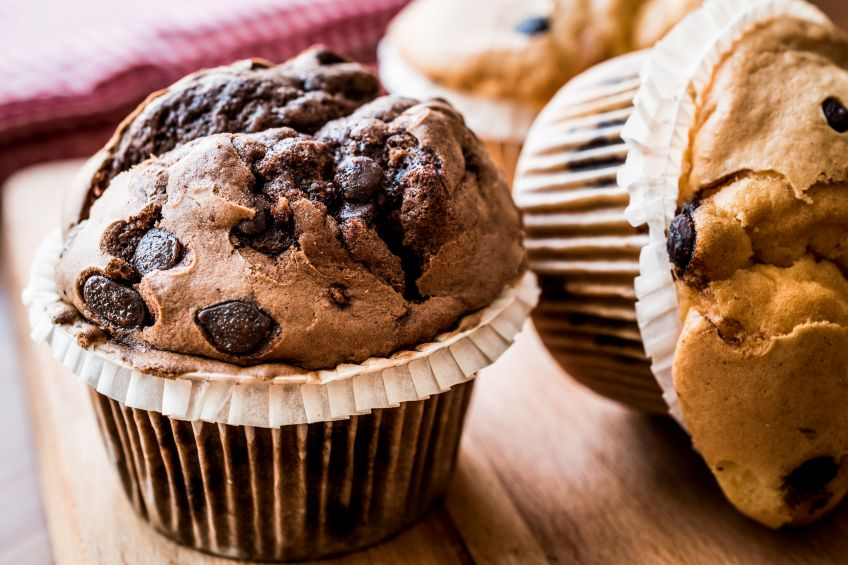


 Most muffins bake best between 375°F and 425°F, with 400°F being the most common temperature for standard-sized muffins. The right temperature depends on your muffin size, pan type, and whether you want a tender crumb or a crusty top.
 Convection ovens require you to reduce the temperature by 25°F or shorten baking time by 25% compared to conventional ovens because the circulating fan cooks food faster and more evenly.
 Temperature directly controls how your muffins rise, brown, and develop their final texture. The heat level you choose determines whether you get light and fluffy muffins or dense and dry ones.
 Proper preparation, accurate filling, and correct oven placement work together to create perfectly baked muffins. Each step affects how your muffins rise, brown, and develop their final texture.
 Different muffin recipes need slightly different baking temperatures based on their ingredients and moisture levels. Blueberry muffins bake best at 375°F to protect the fruit, chocolate chip muffins work well at 400°F for melted chocolate, and bran muffins need 375°F for even cooking.
 Quick breads and muffins use similar batters and mixing methods, but they require different baking temperatures and times based on their size and shape. Understanding these differences helps you adjust recipes and get better results from your baking.
 Different ingredients require temperature adjustments to bake properly. Whole wheat flour absorbs more liquid and may need slightly lower heat, while fruits and nuts can affect moisture and cooking time.
 Baking problems often stem from temperature issues, timing errors, or uneven heat distribution in your oven. Understanding how to identify and fix underbaked or overbaked muffins, along with addressing uneven cooking, helps you achieve consistent results with any muffin recipe.
 You can tell muffins are done by inserting a toothpick into the center and checking that it comes out clean or with just a few moist crumbs, while also looking for golden-brown tops and firm edges. Most standard-sized muffins bake for 18-20 minutes at 375°F, though timing varies based on size.
 The right tools make the difference between flat, uneven muffins and bakery-quality results. Quality muffin pans, accurate oven thermometers, and proper pan placement help you maintain the correct temperature throughout the baking process.
 Let your muffins cool completely before storing them to prevent sogginess, and keep them at room temperature in an airtight container for up to four days. Most muffin recipes yield the best results when stored properly and reheated gently.
 Muffin baking temperature plays a major role in rise, texture, and browning. The right heat ensures a soft interior with a nicely domed top.


