Are Cakes Better With Butter or Oil? A Comprehensive Comparison
Trying to decide between butter and oil for your cake? Honestly, it all comes down to what you want out of your bake.
Butter gives cakes a richer, more pronounced flavor and a firmer bite, while oil leads to moister cakes with a more delicate crumb that actually stays fresh longer.There’s no universal “best” option—your pick really depends on the cake you’re making and which qualities you care about most.
This butter vs. oil thing isn’t just a matter of taste, though. These fats do totally different things in your batter. Butter’s about 80% fat, but it also has water and milk solids, so it adds flavor and helps build structure—especially if you cream it with sugar.
Oil, on the other hand, is pure fat. It coats the flour more thoroughly, which keeps your cake nice and soft for days after you bake it. Pretty handy, right?
Knowing how each type of fat affects your cake helps you pick the right one for any recipe. You’ll get a feel for the flavor differences, textural changes, and which fat is the winner for certain cake styles. Plus, if you ever need to swap one for the other, you’ll have some practical tips for tweaking a recipe to match whatever you’re craving.
The Role of Fat in Cakes
Fat basically decides whether your cake ends up dry and crumbly or soft and moist. Butter and oil each coat flour proteins in their own way, and that totally changes the way your cake feels when you bite into it.
How Fats Affect Cake Structure
Fat’s main job? It coats the proteins in flour, stopping them from making too much gluten. If you skimp on fat—or pick the wrong type—gluten forms more easily, and suddenly your cake’s tough and chewy instead of tender. Not ideal.
Butter is special because it creates little air pocketswhen you cream it with sugar. Those tiny bubbles puff up in the oven, giving your cake lift and structure. Plus, the water in butter turns to steam as it bakes, helping things rise even more.
Oil acts differently since it stays liquid at room temperature. It spreads out through your batter way more evenly than butter. By coating the flour proteins completely, it keeps gluten from forming and gives you a super tender crumb.
The fat you use also affects how dense your cake turns out. Cakes made with butter usually have a firmer, more structured feel. Oil-based cakes? They’re lighter and softer, since oil doesn’t trap as much air during mixing.
Fat Content and Moisture Retention
Oil is the champion at keeping cakes moist—way more than butter. Because it’s 100% fat, it’s able to lock in moisture all through the cake.
Butter only has about 80% fat and 15% water. The water bakes off as steam, which can make your cake a bit drier over time. That’s why butter cakes sometimes go stale or crumbly faster than oil cakes do.
Moist cakes are all about fat molecules surrounding water in the batter, keeping it from escaping too quickly. Oil in cakes just does this better, since it doesn’t solidify when cool. That’s why carrot cakes and chocolate cakes often call for oil instead of butter.
Your choice between butter or oil might come down to how long you want your cake to stay fresh. Oil’s your friend if you’re baking ahead for a party or just want leftovers that still taste good days later.
Flavor Profiles and Taste Impact
Butter brings a rich, sweet flavor to cakes, while oil gives you a blank canvas that lets your other flavors shine. The fat you pick really does change how your cake tastes and which notes come through strongest.
Richness and Depth from Butter
Butter cakes have that unmistakable sweet, creamy flavor you just can’t get from anything else. That richness comes from the milk solids in butter, which brown a bit as your cake bakes and add a nice depth.
Butter’s flavor is especially good in vanilla, chocolate, and fruit cakes. It adds complexity that works with those flavors instead of fighting them. When you take a bite of a butter cake, you can actually taste the butter as part of the whole experience.
Butter is best for these cakes:
Pound cakes
Classic birthday cakes
Coffee cakes
European-style tortes
The kind of butter you use actually matters for flavor. European-style butter (82% fat) gives a more pronounced buttery taste than the typical American stuff (80% fat). Salted butter adds a little savory kick, while unsalted lets you control the flavor more precisely.
Neutral and Enhancing Qualities of Oil
Oil-based cakes have a neutral flavor that lets your other ingredients shine. Vegetable oil, canola oil, and other neutral oils don’t bring much taste of their own. That’s perfect if you want the flavors of spices, citrus, or chocolate to stand out.
This lack of flavor is actually an advantage in carrot cakes, spice cakes, and citrus cakes. These recipes get their punch from strong ingredients, and oil just provides moisture and structure without getting in the way.
But not all oils are flavorless. Extra virgin olive oil adds a fruity, peppery note that’s amazing in certain Mediterranean-style cakes. Coconut oil gives a mild coconut flavor, which can be pretty great with chocolate or tropical cakes.
Oil-based cakes usually have bolder flavors mixed in since the oil won’t cover them up. You can go heavier on vanilla, citrus zest, or spices without worrying about overpowering the cake.
How Texture Differs: Butter vs. Oil
Butter makes cakes with a firmer structure and crisper edges, while oil leads to softer, more tender cakes that stay moist longer. The way these fats interact with flour and the rest of your ingredients changes everything—from how your cake feels in your mouth to how long it tastes good.
Understanding Tender Crumbs
Oil-based cakes have a softer, more delicate crumb than cakes made with butter. That’s because oil coats flour proteins more thoroughly. When flour proteins are wrapped in fat, they can’t form as much gluten, and that keeps your cake nice and tender.
Butter, with its 80% fat and 15-20% water, actually helps create some structure in your cake thanks to the water content. That means butter cakes end up with a slightly firmer crumb that holds together well when you slice it.
Here’s how the crumb texture compares:
Oil cakes: Super soft, almost velvety crumb that compresses easily
Butter cakes: A bit firmer, with more structure and integrity
Moisture retention: Oil cakes stay moist for 3-5 days, while butter cakes can dry out faster
Oil cakes can actually feel a little wet to the touch, which is perfect for layer cakes where you want every bite to be moist. Butter cakes have more “bite” to them, so they’re great when you want neat slices that hold their shape.
Crisper Edges and Cake Surfaces
Butter bakes up with crisper edges and surfaces. As butter melts, the water in it turns to steam, which helps create a slightly crisp outer layer as moisture evaporates from the cake’s surface.
Oil cakes, by contrast, have softer, more even surfaces. The edges stay tender since oil doesn’t have water to steam away. So your cake’s texture is consistent from edge to center.
You’ll really see this difference in sheet cakes and pound cakes. Butter-based versions get those golden, slightly crisp corners and tops. Oil-based ones? They stay soft all over, even at the edges. This can also affect how your frosting sticks—butter cakes give you a firmer surface for decorating.
Mouthfeel Differences
Butter melts at body temperature, so it gives a smooth, clean mouthfeel. As you eat a butter cake, the fat melts away quickly and doesn’t leave a coating behind. That’s probably why butter cakes can taste lighter, even if they have just as much fat as oil cakes.
Oil, since it stays liquid at room temperature, coats your mouth a bit more. Oil-based cakes feel richer and leave a slight coating on your tongue. Some folks call it luxurious, others might find it a bit much—it’s really a matter of preference.
Temperature makes a difference, too. Cold butter cake can feel dense or even greasy, since the butter firms up. Oil cakes stay soft and tender even straight from the fridge, since oil doesn’t harden up the same way.
Baking Techniques: Creaming Method and Beyond
Butter-based cakes rely on the creaming method for structure and texture, while oil-based recipes use simpler mixing—no creaming needed.
Creaming Butter with Sugar
The creaming method is the backbone of butter-based cakes. You beat softened butter and sugar together for a few minutes until it’s light, fluffy, and pale. Don’t rush it—it really makes a difference.
This step creates tiny air pockets in the butter, which expand in the oven and help your cake rise. Sugar crystals cut into the butter, making those essential bubbles that give your cake structure.
Once you’ve creamed the butter and sugar, add eggs one at a time, then alternate dry and wet ingredients in batches. This keeps the batter from getting overmixed and helps it absorb everything evenly.
Your butter should be at room temperature, around 65-68°F. If it’s too cold, you won’t get enough air in there; if it’s melted, you lose those air bubbles completely.
Mixing Methods for Oil-Based Cakes
Oil-based cake recipes are easier—they use the blended method. Just mix your wet ingredients together, then stir in the dry stuff until it’s just combined. No need to fuss over temperature or creaming time.
This approach takes less time and there’s way less risk of overmixing, since oil doesn’t trap air the way butter does.
Oil coats flour differently, which means a super tender crumb and a cake that stays moist for days. The batter’s usually thinner and more liquid than one made with creamed butter.
Some recipes use the paste method (or reverse creaming), where you coat flour with fat before adding liquids. This slows gluten formation and gives you a sturdy but still tender cake.
Butter Cakes: Characteristics and Uses
Butter cakes bring a rich, unmistakable flavor and a sturdy structure, thanks to the creaming process. That’s where butter and sugar get whipped together so the butter traps air, giving the cake lift and a satisfying texture.
If you’re looking for cakes with well-defined layers, crisp edges, and a taste that’s obviously homemade (not boxed), butter cakes are probably your best bet.
Pound Cake Structure and Why Butter Matters
Pound cake simply isn’t the same without butter. The fat in butter interacts with the other ingredients during mixing in a way oil just can’t. Creaming butter and sugar together creates tiny air pockets, and those expand as the cake bakes. That’s what gives pound cake its signature dense, but still tender, crumb.
The water in butter actually matters, too. When the cake goes in the oven, that water turns to steam, which gives the cake a little extra lift and helps form that classic texture.
If you try to swap in oil, it just doesn’t work the same way. Oil can’t hold air during creaming, so you lose out on structure and leavening. The result? A greasy, flat cake—definitely not what you want from a pound cake.
And let’s be honest, butter’s flavor is what makes pound cake taste real. No amount of vanilla or extract can truly replace that creamy, slightly sweet note you get from actual butter in baked goods.
Classic Butter-Based Cake Examples
Pound cakes are the classic butter cake—traditionally equal parts butter, sugar, eggs, and flour. Recipes might tweak the ratios nowadays, but butter is non-negotiable.
Layer cakes really benefit from butter, too. The firmer crumb means you can stack layers without them sliding all over or getting squished by the frosting.
Cookies just aren’t the same without butter. You get those crisp edges and that rich, classic taste. Butter helps cookies spread the right way and brown up beautifully—oil can’t quite match that.
Pie crusts and pastries need butter’s solid fat to create those flaky layers everyone loves. Cold butter makes little steam pockets in the oven, puffing up the dough into crispy, distinct sheets.
Frostings made with butter hold their shape and taste cleaner—oil-based ones can feel greasy or just a bit off, especially at room temp.
Oil-Based Cakes: Qualities and Popular Styles
Oil-based cakes are all about moisture—they stay soft for days and have a super tender crumb. The kind of oil you use can actually change the flavor, from neutral vegetable oil to the punchy, almost grassy notes of olive oil.
Why Oil Produces a Moist Cake
Oil is pure fat (100%), while butter is about 80% fat and 16% water. That extra fat in oil coats the flour proteins more thoroughly, so you get less gluten development and a softer cake.
Oil-based cakes stay liquid at room temperature even after baking, so the crumb stays tender for days. Butter cakes, on the other hand, can get a bit dry or firm up, especially if you pop them in the fridge.
The way oil works in cakes also slows down retrogradation—that’s the staling process where starches start to crystallize. So your cake keeps that just-baked quality longer, and you don’t have to add extra moisture-boosters to keep it soft.
Think chiffon cakes, carrot cakes, or sponge cakes—these rely on oil for that signature soft, moist texture. They’re often served a few days after baking, or just need to last on the counter, so oil is a smart choice.
Types of Oil Used in Baking
Vegetable oil and canola oil are go-tos for most oil-based cakes. They’re neutral, so the real stars—vanilla, chocolate, spices—can shine through.
Sunflower oil or grapeseed oil are good alternatives if you want a mild flavor. They work well for yellow cakes, chocolate cakes, and most standard oil-based cake recipes.
Olive oil brings a fruity, barely peppery note that works great in citrus or herb cakes. Just stick to light or mild olive oils—extra virgin can be a bit overpowering in delicate cakes.
Coconut oil is a bit of a wildcard. It solidifies at room temp, so it acts more like butter than oil. Technically it’s an oil, but it won’t keep cakes moist as long as liquid oils do.
I’d skip strong-flavored oils like sesame or walnut unless your recipe specifically says so. Always try to match your oil to your cake’s vibe for the best results.
Longevity and Shelf Life: Butter vs. Oil
Oil-based cakes stay soft and fresh for four or five days, while butter cakes are at their best for just two or three. Oil keeps cakes moist longer because it doesn’t solidify at room temp and slows down retrogradation.
How Oil Slows Retrogradation
Retrogradation is just a fancy word for when your cake’s starches start to harden and the cake goes stale. Nobody wants that.
Oil slows this down because it stays liquid at room temperature, keeping the starches soft and flexible. Butter, once it cools, goes solid and basically speeds up the staling process.
When you’re storing cake, the type of fat you used matters more than you might expect. Oil forms a protective barrier that holds in moisture longer. So, your cake won’t dry out as fast just sitting on the counter.
Keeping Cakes Tender Over Time
The tender crumb everyone loves in a moist cake comes down to how well the fat holds onto water. Oil’s better at this because it combines completely with the other wet ingredients.
Honestly, your cake will feel softer on day three if you made it with oil. Butter cakes taste amazing fresh, but after a day or so, they start to firm up and lose that pillowy texture.
If you need to bake ahead for a party or event, oil is your friend. Make the cake a day or two early, wrap it up, and it’ll still taste fresh when you serve it.
Choosing the Right Fat for Different Cake Types
The best fat for your cake depends on the style you’re making, how you mix it, and the texture you want. Butter shines in recipes using the creaming method or when you want bold, classic flavor, while oil’s the go-to for lighter, moister cakes that need to last a few days.
When to Use Butter for Structure and Flavor
Butter’s the clear winner for cakes that start with creaming. Think pound cakes, butter cakes, or most classic layer cakes where you beat softened butter with sugar.
Creaming traps air bubbles, helping the cake rise and giving you that tender crumb. Since butter is about 80% fat and 16% water, it stays solid at room temp, letting you whip it to create those all-important air pockets.
Flavor is where butter really sets itself apart. The milk solids and butyric acid in butter give cakes that unmistakable richness. Neutral oils just can’t compete. Butter also helps cakes brown better, thanks to those same milk proteins.
Classic butter cakes, sponge cakes with creamed butter, and European-style tortes all rely on butter for their signature taste and feel. If your recipe says “cream butter and sugar until light and fluffy,” don’t swap it out.
When Oil Is the Better Choice
Oil’s the better option for cakes where you want maximum moisture and a lighter bite. Chiffon cakes, carrot cakes, and many chocolate cakes call for oil for a reason.
Oil is 100% fat, so it makes for an extra-moist crumb. It stays liquid even after the cake cools, so you don’t get that firm, slightly dry texture butter cakes can develop. Oil-based cakes hold onto their tenderness, even after a stint in the fridge.
The neutral taste of vegetable or canola oil means the cake’s other flavors shine—chocolate, spices, whatever you’re using. Oil won’t get in the way.
Oil-based cakes have a softer, more uniform texture and don’t have that slight crumble you sometimes get with butter. They’re perfect if you want every bite to be equally moist and fluffy. Plus, oil coats flour proteins more thoroughly, so you get a lighter result overall.
Combining Butter and Oil for Optimal Results
You can totally use both in the same cake to get the best of both worlds: butter’s flavor and oil’s moisture.
A common trick is to swap out about one-third of the butter for oil. You’ll keep that buttery taste and some structure from creaming, but your cake will stay moister longer. This is especially handy for birthday or celebration cakes that need to sit out or be made in advance.
If you’re mixing fats, cream the butter and sugar first, then add the oil with the wet ingredients. Butter gives the cake structure; oil keeps it tender. Just keep in mind—changing up the fats might shift the texture a bit from the original recipe, but sometimes that’s a good thing.
Health, Practical, and Cost Considerations
Butter’s got saturated fat and cholesterol, while most oils offer unsaturated fats and zero cholesterol. Oil also lasts longer in the pantry and usually costs less per ounce, too.
Nutritional Differences
Butter clocks in with about 7 grams of saturated fat and 30 milligrams of cholesterol per tablespoon. If you eat a lot of it, it can push up your LDL cholesterol.
Vegetable oils like canola are mostly unsaturated fat, which is better for your heart. A tablespoon of canola oil has only 1 gram of saturated fat and no cholesterol. Olive oil is similar, if not a touch healthier.
Calorie-wise, they’re basically the same—roughly 100-120 calories per tablespoon.
If you’re trying to cut down on saturated fat, oil’s the obvious choice. But if you prefer ingredients that are less processed, butter’s probably more your style—since many oils are heavily refined.
Storage, Handling, and Convenience
Oil’s easy. It stays fresh for months at room temp, so you can just keep it in the pantry and pour it straight from the bottle.
Butter needs to be refrigerated and spoils pretty fast if left out. Plus, you have to remember to soften it before baking, which isn’t always convenient if you’re in a rush.
Oil is generally cheaper than butter, ounce for ounce. A bottle of vegetable oil might run $3-5 and last ages. Butter prices jump around, but you’ll usually pay $4-7 per pound.
Oil’s also simpler to use—just pour and go. With butter, you’re cutting, measuring, maybe melting or creaming… it’s just a bit more involved, honestly.
Tips and Troubleshooting for Home Bakers
Getting the fat right in your cake—and knowing how to handle it—can save you from a whole bunch of classic baking headaches. Sometimes, just tweaking how you measure, mix, or fold in your butter or oil makes a surprisingly big difference in your end result. Funny how the little things matter most, isn’t it?
Common Mistakes with Butter and Oil in Cakes
Using cold butter—yep, it happens all the time. Room temperature butter should give a little when you poke it, but not collapse. If it’s too cold, it just won’t cream right with sugar, and without those tiny air pockets, your cake’s probably not going to rise the way you hope.
Measuring oil wrong can really mess things up. Always grab a liquid measuring cup for oil and check it at eye level (seriously, don’t just guess). Too much oil? You’ll end up with a cake that’s heavy and kind of greasy—not what you want.
Overmixing after adding fat is another sneaky issue. It builds up too much gluten in your flour, which turns your cake from soft and tender to, well, weirdly tough. Stop mixing as soon as you don’t see dry flour anymore—even if there are a few tiny lumps, that’s totally fine.
Swapping butter for oil without changing the amount can throw everything off. If you’re replacing oil with butter, use about three-quarters as much, since butter has water in it. But if you’re going from butter to oil, you’ll need to bump up the oil by about 25%. It’s a bit of a balancing act, honestly.
Improving Texture, Tenderness, and Moisture
For a tender crumb, oil usually does a better job than butter in most layer cakes. It just seems to coat the flour proteins more completely, which keeps gluten in check. The result? Cake layers that are softer, lighter, and honestly, they stay fresher longer too.
To keep cakes moist, try sneaking in some oil even if your recipe is all about butter. Using half butter and half oil gives you the best of both worlds: you get that rich, classic flavor from the butter, but the oil steps in to fight off dryness. It’s a bit of a win-win, really.
Temperature matters for butter-based cakes. You’ll want to let your butter hang out at room temperature for about 30 to 60 minutes before you start baking. If you’re after a denser, more fudgy cake and don’t care about creaming air into it, melted butter works, too.
For the best shelf life, oil-based cakes are your friend, especially if you need to bake ahead. Oil-based cakes tend to stay moist for three or four days at room temp, while butter cakes, well, they can start to dry out after just a day. Isn’t that a bit disappointing?
FAQ: Are Cakes Better With Butter or Oil?
Both butter and oil can be used in cakes, but they create different textures, flavors, and moisture levels. The “better” choice depends on the type of cake you want to make.
Are Cakes Better With Butter or Oil?
Neither is strictly better.
Butter gives richer flavor and structure
Oil gives softer, moister texture and longer-lasting freshness
What Does Butter Do in Cakes?
Butter adds:
Rich, creamy flavor
Slightly denser structure
Better browning
More “traditional” cake taste
What Does Oil Do in Cakes?
Oil contributes to:
Moist and soft texture
Longer shelf life
Light crumb
Less risk of drying out
Which Makes Cakes More Moist: Butter or Oil?
Oil generally produces moister cakes because it stays liquid at room temperature, keeping the crumb softer for longer.
Which Tastes Better in Cakes: Butter or Oil?
Butter usually provides a stronger, richer flavor, which is preferred in classic cakes like pound cake or butter cake.
Can You Combine Butter and Oil in Cakes?
Yes, many recipes use both to balance:
Butter for flavor
Oil for moisture
What Type of Cake Is Best With Butter?
Butter works best in:
Pound cakes
Sponge cakes
Butter cakes Where structure and flavor are key.
What Type of Cake Is Best With Oil?
Oil is ideal for:
Chocolate cakes
Carrot cakes
Moist layer cakes Where softness and moisture matter more.
Does Oil Make Cakes Less Fluffy?
Not necessarily. Oil can still produce a fluffy cake, but it tends to create a softer, more tender crumb compared to butter.
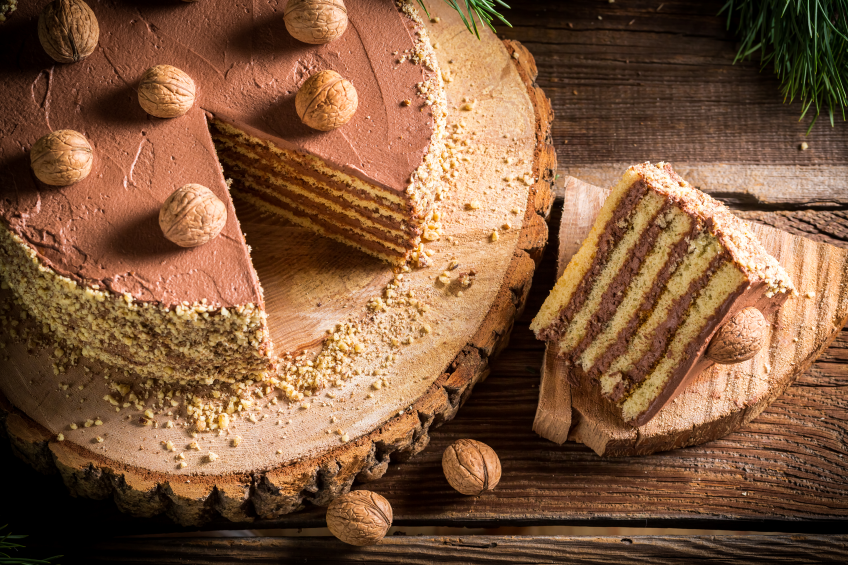

 Trying to decide between butter and oil for your cake? Honestly, it all comes down to what you want out of your bake.
 Fat basically decides whether your cake ends up dry and crumbly or soft and moist. Butter and oil each coat flour proteins in their own way, and that totally changes the way your cake feels when you bite into it.
 Butter brings a rich, sweet flavor to cakes, while oil gives you a blank canvas that lets your other flavors shine. The fat you pick really does change how your cake tastes and which notes come through strongest.
 Butter makes cakes with a firmer structure and crisper edges, while oil leads to softer, more tender cakes that stay moist longer. The way these fats interact with flour and the rest of your ingredients changes everything—from how your cake feels in your mouth to how long it tastes good.
 Butter-based cakes rely on the creaming method for structure and texture, while oil-based recipes use simpler mixing—no creaming needed.
 Butter cakes bring a rich, unmistakable flavor and a sturdy structure, thanks to the creaming process. That’s where butter and sugar get whipped together so the butter traps air, giving the cake lift and a satisfying texture.
 Oil-based cakes are all about moisture—they stay soft for days and have a super tender crumb. The kind of oil you use can actually change the flavor, from neutral vegetable oil to the punchy, almost grassy notes of olive oil.
 Oil-based cakes stay soft and fresh for four or five days, while butter cakes are at their best for just two or three. Oil keeps cakes moist longer because it doesn’t solidify at room temp and slows down retrogradation.
 The best fat for your cake depends on the style you’re making, how you mix it, and the texture you want. Butter shines in recipes using the creaming method or when you want bold, classic flavor, while oil’s the go-to for lighter, moister cakes that need to last a few days.
 Butter’s got saturated fat and cholesterol, while most oils offer unsaturated fats and zero cholesterol. Oil also lasts longer in the pantry and usually costs less per ounce, too.
 Getting the fat right in your cake—and knowing how to handle it—can save you from a whole bunch of classic baking headaches. Sometimes, just tweaking how you measure, mix, or fold in your butter or oil makes a surprisingly big difference in your end result. Funny how the little things matter most, isn’t it?
 Both butter and oil can be used in cakes, but they create different textures, flavors, and moisture levels. The “better” choice depends on the type of cake you want to make.


