What Happens if You Put Water in Muffin Mix Instead of Milk? Understanding the Impact on Texture and Flavor
Many bakers wonder about the effects of substituting water for milk in their muffin mix.
Using water instead of milk can result in a less flavorful and denser muffin.
This choice may alter the texture and richness that milk contributes to the final product.
Milk not only adds moisture but also enhances the muffins’ flavor and nutritional value.
Different milk options, such as whole milk or buttermilk, can bring unique tastes and textures that water simply cannot replicate.
Understanding these differences can help bakers make more informed decisions when preparing their favorite recipes.
Understanding Muffin Mix Ingredients
Muffin mix typically contains several key ingredients that contribute to both texture and flavor.
These ingredients include:
Flour: The base ingredient that provides structure.
Sugar: Adds sweetness and helps with browning.
Leavening agents: Such as baking powder or baking soda, which help muffins rise.
Salt: Enhances flavor and balances sweetness.
Fat: Usually in the form of oil or butter, contributing to moisture and richness.
Milk is commonly included in muffin recipes for several reasons.
It helps to hydrate the dry ingredients and creates a softer texture.
Additionally, the fats and proteins in milk can improve flavor and create a tender crumb.
When a cook chooses water instead of milk, it changes the chemical balance of the mix.
Water lacks fat and protein, which may lead to muffins that are denser and less flavorful.
Key Differences
Ingredient
Milk
Water
Fat
Contains milk fat
No fat
Protein
Contains proteins
No protein
Moisture
Higher fat moisture content
Just hydration
Using water can be a suitable alternative in a pinch, but the resulting muffins may not have the same lightness and flavor depth as those made with milk.
Understanding these differences helps in selecting the right liquid for muffin preparation.
The Role of Milk in Muffin Recipes
Milk serves crucial purposes in muffin recipes, enhancing both the chemical structure and taste of the baked goods.
Its unique properties contribute significantly to the texture and overall flavor profile of muffins.
Milk’s Chemical Composition
Milk contains water, lactose, protein, fat, and various vitamins and minerals.
The proteins, primarily casein and whey, interact with other ingredients during mixing and baking.
These proteins aid in gluten formation, which is essential for structure.
Additionally, the fat in milk contributes to richness and moistness, preventing the muffins from being dry.
Lactose, a natural sugar in milk, also helps with browning.
This Maillard reaction enhances the muffins’ appearance and flavor.
In contrast, using water lacks these beneficial components, leading to structural deficiencies in the final product.
Texture and Flavor Contributions
Milk enhances the texture of muffins by adding moisture, resulting in a tender crumb.
This moisture is vital because muffins are typically meant to be soft rather than dense.
The fats in milk promote a rich mouthfeel, making each bite more satisfying.
Furthermore, milk contributes a slight sweetness that balances the flavor profile.
Without milk, muffins can taste flat or bland since water does not provide the same richness.
Milk also assists in emulsifying ingredients, ensuring a uniform batter that bakes evenly.
The overall combination of these factors showcases why milk is a key ingredient in muffin recipes.
Substituting Water for Milk
Using water instead of milk in muffin mix can lead to noticeable changes in texture, flavor, and baking requirements.
Understanding these effects can help in achieving the desired results.
Potential Effects on Muffin Texture
When water replaces milk in muffin mix, the texture is typically affected.
Milk contributes fat and proteins, both of which assist in creating a tender crumb.
Without these components, muffins may become denser and drier.
Water lacks the richness that milk provides.
This altered moisture content can also result in a tougher outer crust.
In contrast, muffins made with milk often have a light, airy quality.
To mitigate the density, it might help to add a fat source, like oil or butter, if using water.
This adjustment can improve moisture retention and replicate a softer texture.
Impact on Flavor Profile
The flavor profile of muffins will change significantly with water instead of milk.
Milk contributes lactose, which adds a subtle sweetness and depth.
Using only water results in a more bland and neutral flavor.
This could make it necessary to enhance the muffins with additional flavorings like vanilla extract or spices.
In savory muffins, the absence of milk may not be as noticeable, depending on other ingredients.
Still, for sweeter muffins, the difference can affect overall satisfaction.
Adjustment to Baking Time
Baking time may also require adjustments when substituting water for milk.
Since the moisture content and consistency change, muffins may bake unevenly or take longer to cook through.
It can be beneficial to check for doneness earlier than the recipe suggests.
Using a toothpick to test the center can help ensure they are properly baked.
If the muffins appear golden brown but are not fully cooked, the oven temperature might need slight adjustments.
This helps avoid over-baking, which can lead to dryness and compromise texture further.
Scientific Explanation of Changes
Using water instead of milk in muffin mix leads to changes in both gluten development and the reaction of leavening agents.
These two factors significantly influence the texture and rise of the final product.
Gluten Development Variation
When water is used in place of milk, it alters gluten formation. Gluten is a protein that provides structure to baked goods.
Water Activation: Water hydrates flour proteins, allowing them to bond and form gluten. This results in a chewier texture.
Milk’s Role: Milk contributes not only moisture but also fats and proteins that enhance gluten elasticity and tenderness.
With water, the absence of these additional fats can lead to a firmer, denser muffin. The final texture may be less tender, resulting in a final product that lacks the luxurious crumb typically associated with muffins made using milk.
Leavening Agent Reaction Differences
Leavening agents depend on the moisture content and acidity from ingredients like milk.
Chemical Reactions: Baking powder or soda reacts with moisture to produce carbon dioxide, which causes muffins to rise.
Milk Contribution: The proteins and fats in milk can influence the rate and effectiveness of these reactions.
When water replaces milk, the balance shifts.
Water may not provide the same level of acidity or fat, possibly leading to a less effective rise.
The muffins might turn out flatter and denser compared to those made with milk, compromising the desired lightness and fluffiness.
Tips for Using Water in Muffin Mix
Using water in muffin mix can yield different results compared to milk.
Here are some practical tips for successful outcomes:
Adjust for Consistency Water creates a thinner batter. To avoid overly runny batter, reduce the water slightly or consider adding a bit of flour.
Consider Flavor Enhancements Since water lacks the richness of milk, adding flavor enhancers can help. Ingredients like vanilla extract, honey, or spices can add depth.
Watch Baking Time Muffins made with water may bake slightly faster. Check for doneness a few minutes earlier than the recipe suggests.
Experiment with Ratios A typical substitution ratio is 1 cup of water for 1 cup of milk. However, adjustments may be necessary based on desired texture.
Use Quality Water The purity of the water matters. Use filtered or spring water to avoid any off-flavors that tap water may impart.
Add Moisture-Rich Ingredients Including fruits or vegetables like bananas or shredded carrots can help maintain moisture and improve texture.
Toppings and Mix-Ins Boost flavor with toppings such as nuts, chocolate chips, or fruit to enhance the final product.
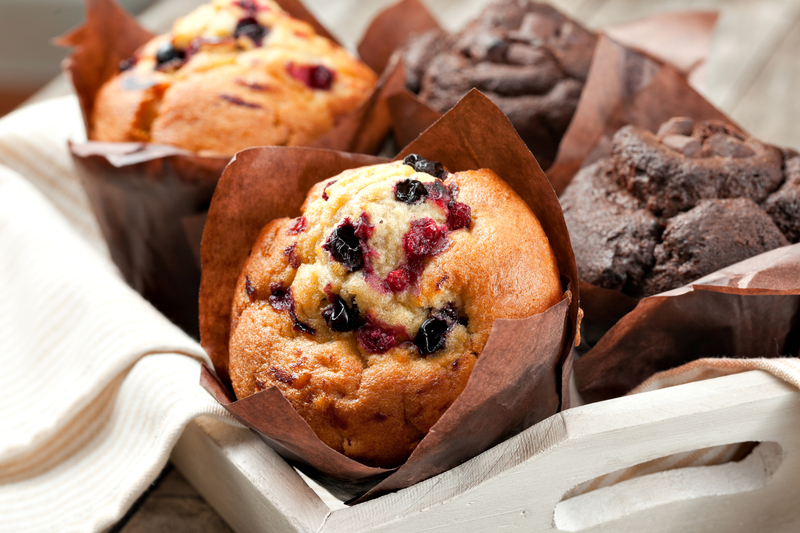


 Muffin mix typically contains several key ingredients that contribute to both texture and flavor.
  Milk serves crucial purposes in muffin recipes, enhancing both the chemical structure and taste of the baked goods.
  Using water instead of milk in muffin mix can lead to noticeable changes in texture, flavor, and baking requirements.
  Using water instead of milk in muffin mix leads to changes in both gluten development and the reaction of leavening agents.
  Using water in muffin mix can yield different results compared to milk.
 Using water instead of milk in muffin mix can lead to specific challenges.


