What are the 3 Signs that Muffins Have Been Overmixed? A Guide
You mix your muffin batter, pour it into the tin, and hope for the best. But if your muffins come out tough or oddly shaped, the mixing step may be to blame.
Overmixed muffins show three common signs: a dense or chewy texture, tunnels in the crumb, and peaked tops instead of rounded ones. These changes can happen because too much stirring develops gluten in the batter, making the crumb tight and tough. Instead of the light, tender muffin you expect, you may end up with something closer to bread.
Once you know what to look for, you can spot these problems and adjust your mixing technique for softer muffins with more evenly shaped tops.
Three Signs in Baked Muffins
Once your muffins come out of the oven, check for clues that the batter may have been overmixed. These signs can show up in the texture, the inside crumb, and the shape of the tops.
A Dense, Tough, or Chewy Crumb
The first thing you may notice is the texture when you bite into the muffin. Overmixed muffins can feel heavy instead of light and soft. This happens because extra mixing develops gluten in the flour, making it one of the common muffin mistakes bakers encounter.
Instead of a tender bite, you may get something closer to a chewy roll. Your muffin may also feel dry or rubbery, even if you baked it for the right amount of time.
A dense or tough crumb is one of the clearest signs of overmixed batter you can spot after baking.
Long Tunnels Through the Interior
If you slice a muffin in half, look closely at the inside. Overmixed batter can create long, narrow holes that run through the crumb instead of small, even air pockets.
These tunnels can form when excess mixing develops gluten strands that affect how gas bubbles expand in the batter. You may see them near the center of the muffin, where the crumb should look soft and slightly uneven.
A tunnel-filled interior differs from the light, tender crumb you want and may point to overmixing during preparation, according to this guide on batter mixing problems.
Tall, Pointed Tops Instead of Rounded Domes
The last sign shows up on the outside of the muffin. A properly mixed muffin often bakes up with a rounded, gently domed top.
When batter is overmixed, the top may rise into a tall peak or point instead. Overmixing can affect how the batter rises and sets in the oven, though the shape of a muffin top can also depend on the recipe, oven temperature, and pan.
You may also notice cracks running down the sides of peaked tops. This shape difference is easier to spot when you compare it with the rounded top your recipe is intended to produce.
How to Spot Overmixing Before Baking
You can catch potential mixing problems before the muffins go into the oven. Recognizing what overmixed batter looks like helps you evaluate your batter before baking.
Check how the batter looks and feels, and learn to distinguish normal lumps from dry flour that has not been incorporated.
Smooth, Glossy, or Stretchy Batter
Overmixed muffin batter may look smooth, shiny, and stretchy instead of rough and uneven. If you lift a spoonful and it clings in long strands rather than falling off in soft clumps, the batter may have been mixed too much. This texture change is one warning sign you can check before baking.
Unlike smooth cake batter, a properly mixed batter for muffins should look a bit messy. While cake batter benefits from thorough blending, muffin texture relies on minimal handling. A properly mixed batter should have a slightly thick, uneven texture rather than a glossy, cohesive surface.
If your batter feels elastic when you stir it or resists sliding off the spatula, stop mixing. Further stirring can make the texture tougher.
The Difference Between Small Lumps and Dry Flour Pockets
Small lumps in muffin batter are normal and expected. They are usually clumps of flour that have absorbed liquid but have not fully blended in, and they will bake into the muffin.
Dry flour pockets are different. These are small, chalky spots where the flour has not been moistened, and they can leave a raw, powdery bite if left in the batter.
The key is knowing when to stop stirring. Once you no longer see dry, powdery streaks or pockets, stop mixing, even if a few small lumps remain. Continuing to stir until the batter looks perfectly smooth can lead to dense, tough muffins with tunnels running through them.
Why Extra Mixing Changes Muffin Texture
Extra mixing changes the structure of your batter at a chemical level. Understanding this baking chemistry helps explain why a few extra stirs can affect the final muffin.
The basic chemistry of quick breads relies on keeping protein networks weak. When flour meets liquid, excessive stirring accelerates gluten development, which directly impacts delicate muffin texture.
How Stirring Develops Gluten
Flour contains proteins that stay separate until they are hydrated. When you add liquid and start stirring, these proteins interact to cause gluten development.
The more you stir, the more these protein strands can link together. This creates a stronger, more elastic network throughout the batter.
A small amount of gluten is useful because it gives muffins enough structure to hold their shape.
But overmixing can develop too much gluten, creating a tighter, tougher structure. The mixture may go from loose and lumpy to smooth and stretchy, more like bread dough than typical muffin batter.
How a Stronger Batter Structure Affects Rise and Crumb
A stronger gluten network can change how gas bubbles behave while your muffins bake. Baking powder and baking soda release gas during baking, and the batter needs to expand around those bubbles.
In a lightly mixed batter, gas bubbles can expand through the batter. Overmixing can make the crumb tighter and less tender, affecting how the bubbles expand.
When gas bubbles expand unevenly, they can contribute to long tunnels inside the muffin. Overmixing may also affect the outside: tops can become tall or pointed instead of rounded, although recipe proportions and oven conditions also influence muffin shape.
Overmixing also affects texture. Instead of a soft, tender crumb, you may get a dense, chewy, bread-like texture that most people do not expect from a muffin.
How to Mix Muffin Batter Just Enough
The key to good muffins is following the classic muffin method with a clear stopping point. Using the right mixing technique is essential for achieving an ideal muffin texture.
Preventing overmixing helps you avoid overmixed muffin batter and get a light, tender crumb.
Combine Wet and Dry Ingredients Separately
Start by mixing your dry ingredients in one bowl. These usually include flour, sugar, baking powder, baking soda, and salt. Whisk them together well. This step distributes the leavening agents so your muffins can rise evenly.
In a second bowl, mix your wet ingredients. These usually include eggs, milk, melted butter or oil, and any extracts. Whisk these until they are smooth and blended. Keeping wet and dry ingredients apart until the last step gives you more control over the final mix.
It also means you spend less time stirring once the two mixtures meet. Less stirring at that point can help prevent tough, dense muffins.
Fold Gently and Stop When the Flour Is Incorporated
Once your wet and dry ingredients are ready, pour the wet mixture into the dry bowl. Use a rubber spatula, not an electric mixer, for this step. Fold the batter with a gentle turning motion. Scrape from the bottom of the bowl and fold over the top, rotating the bowl as you go.
Stop once the dry ingredients are incorporated and no dry flour remains. The batter should look thick and a little lumpy, not smooth. Small lumps are normal and expected. If you keep mixing until the batter looks perfectly smooth, you may overdevelop the gluten.
This process often takes about 15 to 20 folds, or roughly 30 seconds, though the exact amount depends on the recipe and your folding technique. Set a timer if it helps you stay mindful of overmixing.
This gentle mixing technique is not unique to muffins. Applying the muffin method is also the standard approach when preparing quick bread batter for loaves like banana bread or zucchini bread.
Mastering this folding process is also essential for keeping pancake batter and waffle batter light, airy, and tender.
What to Do If the Batter Is Already Overmixed
While you cannot completely fix overmixed batter once excess gluten development occurs, you can still manage the outcome. If you wonder how to fix overmixed batter before putting it into the oven, the best response is gentle handling.
Your best options are to bake it promptly and plan how you will use the results.
Stop Stirring and Bake Without Delay
Once you notice the batter has turned smooth, shiny, or stretchy, put down your spoon. Any more stirring can make the crumb tougher and further develop the gluten.
Scoop the batter into your muffin tin promptly. Letting it sit will not reverse overmixing, and may affect the leavening agents before baking.
Bake the muffins at the temperature your recipe calls for. Do not lower the heat or extend the bake time to try to fix the texture, since this will not undo overmixing. Your muffins may still rise unevenly or have a tougher bite, but baking them promptly helps avoid unnecessary delays.
Use Dense Muffins in Toasted or Crumbled Desserts
If your muffins turn out tough or gummy, you can still use them instead of throwing them away. Slice them and toast the pieces in a toaster oven or under the broiler for a few minutes. The dry heat firms the outside and adds crunch, which helps mask a dense center.
You can also break the muffins into small pieces and use them as a base for a trifle or parfait. Layer the crumbled pieces with yogurt, whipped cream, or pudding, and add fruit or a drizzle of honey. The added moisture and layers help mask the tough texture.
Another option is to turn the pieces into a crumble topping. Bake the crumbled muffin pieces with a little butter and sugar until crisp, then sprinkle them over ice cream or baked fruit.
Overmixed vs. Undermixed Muffins
Muffins can go wrong in two ways: the batter can be overmixed or undermixed. Each mistake leaves its own clues in the finished muffin.
Signs the Ingredients Were Not Fully Combined
Undermixed muffins may have streaks of flour or clumps of dry ingredients in the baked muffin.
The crumb tends to be coarse and uneven, with some bites tasting bland or chalky where the dry ingredients were not fully incorporated. You may also notice pockets of oil or melted butter that did not blend into the batter.
On the outside, undermixed muffins may look flat or lopsided because the ingredients did not combine well enough to distribute air evenly. According to Tasting Table, it is easier to fix undermixed batter by folding it a little more than it is to rescue batter that has already been overmixed.
Other Causes of Dense or Gummy Muffins
Not every dense or gummy muffin is caused by overmixing. Oven temperature and ingredient measurements can also affect texture.
If your oven runs too cool, muffins may bake slowly and turn out heavy or gummy in the center, as noted by WikiHow. Too little leavening, such as baking powder or baking soda, can also prevent muffins from rising properly, leaving them flat and dense.
Old or expired leavening agents lose their effectiveness over time, so check their expiration dates before baking. Measuring ingredients incorrectly, especially flour, can throw off the balance of wet and dry ingredients and lead to a heavier texture.
FAQ: What Are the 3 Signs That Muffins Have Been Overmixed?
The three common signs of overmixed muffin batter are tough or dense muffins, a peaked or irregular top, and tunnels or large holes inside. Overmixing develops more gluten in the flour, which can give muffins a chewy texture instead of the soft, tender crumb you want.
Why Do Overmixed Muffins Become Tough?
Mixing flour with liquid develops gluten. A small amount is useful for structure, but excessive mixing can create too much gluten, making the finished muffins tough, chewy, or dense.
Why Do Overmixed Muffins Have Tunnels?
Overmixing can create an uneven gluten structure that traps air in larger pockets. When baked, these pockets can form long tunnels or large holes throughout the muffin.
Why Do Overmixed Muffins Have Peaks or Uneven Tops?
Overmixed batter can develop too much gluten, which makes it more elastic and less able to expand evenly. This can contribute to peaked, irregular, or misshapen muffin tops rather than a rounded, tender top.
How Do You Avoid Overmixing Muffin Batter?
Mix the wet and dry ingredients only until they are just combined. A few small lumps of flour are usually preferable to continuing to stir until the batter is completely smooth.
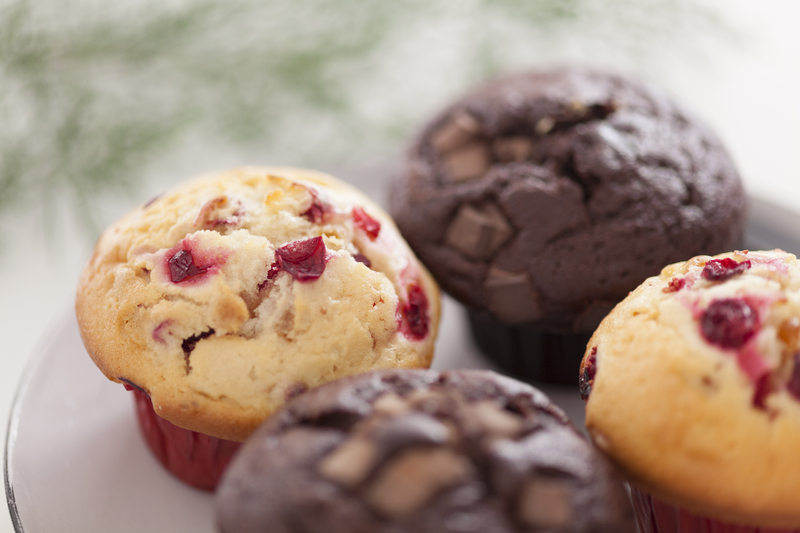


 Once your muffins come out of the oven, check for clues that the batter may have been overmixed. These signs can show up in the texture, the inside crumb, and the shape of the tops.
 You can catch potential mixing problems before the muffins go into the oven. Recognizing what overmixed batter looks like helps you evaluate your batter before baking.
 Extra mixing changes the structure of your batter at a chemical level. Understanding this baking chemistry helps explain why a few extra stirs can affect the final muffin.
 The key to good muffins is following the classic muffin method with a clear stopping point. Using the right mixing technique is essential for achieving an ideal muffin texture.
 While you cannot completely fix overmixed batter once excess gluten development occurs, you can still manage the outcome. If you wonder how to fix overmixed batter before putting it into the oven, the best response is gentle handling.
 Muffins can go wrong in two ways: the batter can be overmixed or undermixed. Each mistake leaves its own clues in the finished muffin.
 The three common signs of overmixed muffin batter are tough or dense muffins, a peaked or irregular top, and tunnels or large holes inside. Overmixing develops more gluten in the flour, which can give muffins a chewy texture instead of the soft, tender crumb you want.


