What Makes a Muffin a Muffin? Key Traits Explained
You bite into a muffin and see a round, dome-shaped baked good. But what actually makes it a muffin rather than something else, such as a cupcake?
A muffin is a single-serving baked good made from a batter, typically baked in a cup-shaped pan. It is generally classified as a quick bread because it uses baking powder, baking soda, or both instead of yeast for leavening.
This distinguishes muffins from yeast breads, which require fermentation and usually time to rise. Muffins can be sweet, such as blueberry or chocolate chip varieties, or savory, such as cheese or cornbread muffins.
Understanding what sets a muffin apart from other baked goods can change the way you think about breakfast and snacks. You will see why texture, ingredients, and baking method all play a part in defining a muffin.
What Defines a Quick-Bread Muffin?
A muffin gets its identity from a few basic traits: a thick batter, chemical leavening from baking powder or baking soda, and individual portions typically baked in a muffin tin.
A Thick Batter Rather Than Kneaded Dough
When you make a muffin, you are working with muffin batter, not dough. This batter is usually thick and moist, and you stir it only until the ingredients are combined.
You do not knead it. Kneading develops gluten, the network of proteins that gives many yeast breads their stretchy, chewy structure. King Arthur Baking explains that kneading strengthens and organizes gluten strands into a network that helps bread rise and develop its characteristic texture.
A muffin batter skips this step. You mix the wet and dry ingredients with a few gentle strokes, and then you stop. This limits gluten development, helping the muffin stay tender. If you overmix the batter, the muffins can become tough or develop elongated tunnels instead of a more tender crumb.
This mixing method helps distinguish the American muffin from yeast breads, which commonly require kneading or other forms of dough development to build structure. King Arthur Baking explains that kneading develops gluten in yeast dough, while muffins and quick breads are mixed differently to help maintain a tender texture.
Individual Portions and Characteristic Shape
You bake muffins in muffin tins, which give them individual portions and often a rounded or domed top. Each cup holds one portion, so you get single servings instead of one large loaf.
This makes muffins easy to grab and eat on the go. You might use paper liners in your muffin tin to help prevent sticking and make cleanup easier.
The liners also help you remove each muffin without breaking it. Some bakers skip liners and grease the tin instead, but the basic portioned shape remains the same.
This portion size is one of the clearest ways you can tell a muffin apart from other quick breads, which are commonly baked as loaves and sliced after cooling.
Quick Chemical Leavening and a Tender Crumb
Muffins rise because of leavening agents such as baking powder and baking soda. These ingredients produce carbon dioxide gas through chemical reactions, and the expanding gas helps lift and aerate the batter as it bakes. University of Illinois Extension explains that baking soda reacts with acids to produce carbon dioxide, which causes baked goods to rise.
You do not need yeast or a separate proofing period for the batter to rise. This is why muffins fall under the category of quick bread: you can generally mix and bake them without the fermentation and proofing required for yeast bread.
The result is often a tender, slightly coarse crumb rather than the fine, uniform crumb associated with many cakes. This texture comes from the way the batter is mixed, the recipe’s ratio of ingredients, and how the chemical leaveners work.
Utah State University Extension explains that less mixing limits gluten development in muffins and cakes, while leavening agents contribute to the structure and texture of baked goods. You can notice this texture difference in the crumb of a well-made muffin.
What Are the Core Muffin Ingredients and Their Roles?
Every muffin you bake relies on a small group of ingredients. Each one has a job to do, and knowing what each one does helps you understand why your muffins turn out soft, sweet, or fluffy.
Flour, Sugar, and Salt
Flour gives your muffin structure. When you mix flour with liquid, its proteins interact with the water and form a gluten structure that helps hold the ingredients together and provides a framework for the baked product.
University of Nebraska–Lincoln explains that gluten forms when flour proteins interact with water, creating an elastic framework that helps baked products rise and hold their structure.
Sugar does more than add sweetness. It also promotes browning and helps retain moisture as the muffins bake. Salt might seem like a small addition, but it plays an important role. It enhances the flavor of the other ingredients and balances the sweetness so your muffin does not taste flat.
Together, these three ingredients form part of the batter’s foundation. You need the right amounts of each to get a muffin that tastes good and holds its shape.
Eggs, Milk, Butter, and Vegetable Oil
Eggs help bind the batter together. They also contribute structure, moisture, and, when incorporated effectively, some lift, helping create a soft, tender crumb.
Milk adds moisture and helps the dry ingredients combine smoothly. It can also make the batter easier to portion into your muffin pan.
Butter and vegetable oil both add fat to your batter, but they work somewhat differently. Butter provides a richer flavor, while vegetable oil often produces a moist texture.
You can use one or the other, or even combine them, depending on the texture and flavor you want. Fat helps tenderize the crumb and can help prevent a muffin from turning out dry or tough.
How Do Baking Powder and Baking Soda Create Lift?
Baking powder and baking soda are both chemical leavening agents. Their job is to produce gas bubbles in the batter, which expand during baking and help the muffin rise.
Baking soda needs an acidic ingredient, such as buttermilk, yogurt, or lemon juice, to react effectively. Baking powder contains both an acid and a base, so it can provide leavening when it is moistened and heated.
Many recipes use both. This can provide additional leavening and help balance the recipe’s acidity, flavor, and browning.
Without enough leavening, your muffin may be flat and dense. Using too much can leave an unpleasant alkaline or bitter taste and may cause the muffin to rise quickly and then collapse. Yale University explains that too little leavening can leave baked goods flat and dense, while excessive leavening can cause the batter to overexpand and collapse.
How Do Muffins Compare With Cupcakes, Bread, and English Muffins?
You might group muffins with cupcakes, bread, or English muffins based on looks alone. But each item has its own mixing method, ingredients, and cooking process that set it apart.
Muffins Versus Cupcakes
You can often identify a cupcake by its sweet flavor, light texture, and frosting. A muffin typically skips the frosting and may contain less sugar and fat, although recipes vary and the categories can overlap.
Both start with flour, sugar, and fat as base ingredients, but the similarities mostly end there. Muffins commonly use the muffin method of mixing, in which wet and dry ingredients are combined quickly and gently. Cupcakes often use the creaming method, in which butter and sugar are beaten together before the remaining ingredients are added.
This can change the final texture. Your muffin will often have a coarser crumb, while your cupcake will usually feel softer and more cake-like. The amount of sugar and fat in each recipe also plays a major role in the texture difference.
You’ll also notice size and shape differences. Muffins may be larger than cupcakes, and a muffin’s top often rises into a pronounced, rounded dome rather than the flatter surface of a frosted cupcake. These are common tendencies, not absolute rules.
Muffins Versus Yeast Breads
Yeast bread relies on yeast fermentation to rise, which takes time and often includes kneading. A muffin is a type of quick bread that uses baking powder or baking soda instead, so it can be mixed and baked without a separate yeast-proofing period.
This changes how you make each one. Bread dough is commonly kneaded to develop gluten, giving it a chewy, elastic bite. Muffin batter stays thick but usually pourable or scoopable, and you do not knead it.
The taste and texture differ too. Yeast bread may have a fermented flavor and chewy bite, while a muffin usually has a tender, slightly coarse crumb. Muffins can also bake more quickly than yeast loaves because they do not require a separate proofing stage. Exact baking times depend on the recipe, portion size, and oven.
American Muffins Versus English Muffins
American muffins and English muffins share a name but differ in ingredients, preparation, and texture. An American muffin is made from a quick-bread batter and baked in a muffin tin, giving it a rounded, often domed shape.
An English muffin starts as a yeast-leavened dough that is typically cooked on a griddle or heated surface instead of baked in an oven. This creates a flat, round shape rather than a domed top. English muffins are usually less sweet than American muffins and have a chewy, bread-like texture.
You’ll often see English muffins split and toasted, then topped with butter, jam, or eggs. They developed in England, where they’re sometimes called “muffins” or “breakfast muffins” to distinguish them from the American style.
People sometimes confuse English muffins with crumpets because both are griddle-cooked baked goods associated with England. The main difference is the crumb and surface: a crumpet has open holes visible on top, while an English muffin’s holes are mainly revealed when it is split.
From English Griddle Cakes to American Baking
The muffin you know today has two distinct family lines. One developed in England as a yeast-leavened bread cooked on a griddle, while the other took shape in America after bakers adopted chemical leaveners such as baking powder and baking soda.
Muffins in England During the 18th Century
If you had eaten a muffin in England during the 18th century, it would not have looked like the muffin on your breakfast plate today. It was a small, flat bread made with yeast and cooked on a griddle instead of in an oven.
Recipes for muffins appeared in British cookbooks by at least 1747, including Hannah Glasse’s The Art of Cookery Made Plain and Easy. Glasse described the interior of muffins as resembling a honeycomb, with a light, open structure. The Oxford Companion to Food confirms that the muffin-making method appeared as early as 1747 and specifically notes Glasse’s description of the honeycomb-like interior.
People often confused muffins with other griddle breads such as crumpets and pikelets. The mix-up made sense because all three were cooked on a griddle and could look somewhat alike. The differences involved the batter or dough, thickness, and location of the holes.
The Muffin Man and Street-Sold Muffins
By the mid-1700s, you could buy a muffin from your doorstep. Traveling sellers called muffin men carried trays of muffins through neighborhoods, ringing a bell to let people know they had arrived.
This was useful because many homes did not have their own ovens. Buying a muffin from a street vendor was often easier than baking one at home.
The bell-ringing became so common that the Metropolitan Police Act 1839 prohibited the use of noisy instruments for hawking goods in the streets. The restriction was largely ineffective, however, and muffin sellers continued ringing their bells. Henry Mayhew reported in 1861 that the muffin bell still “tinkles along the streets” and was rung vigorously in the suburbs. English Heritage confirms that the 1839 Act banned the ringing of muffin bells. Henry Mayhew provides the contemporary 1861 account of the continuing practice.
By 1861, a good-sized muffin sold by London street vendors typically cost a halfpenny, according to Henry Mayhew’s contemporary account in London Labour and the London Poor. Mayhew recorded the activities of London’s muffin and crumpet sellers and noted that the regular price of a good-sized muffin was a halfpenny, while crumpets were sold at four for a penny.
Door-to-door muffin selling continued well into the 19th and early 20th centuries, and the tradition became closely associated with the English nursery rhyme “The Muffin Man,” which refers to a muffin seller living on Drury Lane. Henry Mayhew records the 1861 halfpenny price, while the Wilson Museum documents the historical tradition and early published references to the Muffin Man.
How 19th-Century Leavening Shaped American Muffins
Once the muffin crossed the Atlantic, it changed substantially. American bakers in the 1800s and early 1900s increasingly used baking powder or baking soda instead of yeast in muffin-style quick breads.
This change in leavening affected the muffin’s structure and preparation. Here is what shifted:
Leavening agent: Yeast was replaced in many American muffin recipes by baking powder or baking soda
Cooking method: Griddle cooking gave way to oven baking
Texture: A porous, bread-like crumb became a softer, more cake-like crumb
Speed: Batches could be made faster because the batter did not require yeast fermentation and proofing
This new style of muffin became known as a quick bread because it did not require yeast to rise. Chemical leaveners can shorten preparation, although the batter still needs careful mixing because overmixing can make muffins tough. This helped the American muffin spread across bakeries and home kitchens.
Sweet and Savory Styles
You can find muffins made with almost any ingredient, from sweet fruit to salty bacon. The basic batter method stays similar, but what you mix in changes the flavor, moisture, and texture.
Fruit, Bran, and Nut Varieties
If you like fruit, you have plenty of options. A blueberry muffin is one of the most common choices, and other berry muffin varieties use raspberries or strawberries instead.
Blueberries add sweetness, acidity, and moisture to the batter. You can also try a banana muffin, which often has a dense, moist crumb because of the mashed fruit.
Bran is another popular mix-in. A bran muffin uses wheat bran, which contributes dietary fiber and a heartier texture than a plain sweet muffin. USDA lists wheat bran as a rich source of dietary fiber, with crude wheat bran containing about 42.8 grams of total dietary fiber per 100 grams.
You might also see nuts such as walnuts or pecans added for crunch. Some bakers top muffins with poppy seeds or a streusel crumble to add texture and flavor.
Chocolate and Dessert-Style Add-Ins
If you want something closer to dessert, look for muffins with chocolate mixed in. A chocolate chip muffin is one of the most popular options, with chocolate chips folded into the batter.
These muffins often have more sugar than fruit-based ones. Sugar contributes sweetness and can help create a softer, more tender crumb, depending on the recipe.
You’ll also notice that dessert-style muffins may include a glaze or topping. This makes them taste more like a treat you’d eat after a meal instead of a simple breakfast item.
Cheese, Herbs, Vegetables, and Bacon
Savory muffins offer a different option if you don’t want something sweet. These recipes use little or no sugar and include ingredients such as cheese instead.
You can also find muffins with herbs such as rosemary or chives mixed into the batter. Adding vegetables, like shredded zucchini or corn, provides texture and moisture.
Some savory muffins include bacon for a smoky, salty flavor. These muffins can pair well with soup or salad instead of coffee or tea.
The comparison between savory and sweet muffins notes that savory versions typically use cheese, herbs, and vegetables to create a heartier flavor profile than their sweet counterparts.
Baking Practices That Preserve Muffin Texture
How you handle your muffin batter and pan before baking affects the final texture as much as the ingredient list. Small choices, such as how much you stir and when you fill the pan, help determine whether you get a light muffin or a tough one.
Mixing the Batter Just Until Combined
When you make muffin batter, mix the wet and dry ingredients separately first. Then combine them with as few strokes as possible. Stop stirring as soon as you no longer see dry flour. The batter should still look lumpy and slightly rough. This matters because excessive mixing develops gluten, which can make muffins tough and chewy rather than tender.
Iowa State University specifically recommends stopping when the dry ingredients are just moistened and notes that the batter should remain lumpy. Baking powder and baking soda begin reacting when they contact liquid, although the timing and extent depend on the formula. If you stir too long or let the batter sit too long before baking, the muffins may lose some lift.
Mix gently and bake the batter according to the recipe’s instructions. A professional baking text recommends that muffin batter be baked without delay after the wet and dry ingredients are combined because extended holding can result in loss of volume. Professional Baking.
Preparing Pans and Filling the Cups
Before you add the batter, prepare your muffin tin. You can grease the tin directly with butter or vegetable oil, or use paper liners for easier cleanup.
Both options work, but liners make it simpler to remove muffins without breaking their edges. Fill each cup about two-thirds to three-quarters full, unless the recipe specifies otherwise. This gives the batter room to rise without spilling over the top or producing a flat, misshapen muffin.
Filling every muffin-tin cup evenly also helps the muffins bake at a similar rate. If one cup has much more batter than another, the muffins may finish baking at different times.
Using a Preheated Oven and Knowing When Muffins Are Done
Always start with a preheated oven. If you put muffin batter into a cold or partially heated oven, the muffins may rise more slowly and become dense or flat instead of domed.
A properly heated oven helps chemical leaveners produce and expand gas during baking, supporting the muffins’ rise. Check your muffins a few minutes before the recipe’s suggested baking time, since oven temperatures can vary from the dial setting. King Arthur Baking recommends a fully preheated oven and notes that high oven heat works with baking powder to produce taller muffin domes.
You’ll know they’re done when the tops spring back after a light touch. A toothpick inserted in the center should come out with a few moist crumbs, not wet batter. Avoid overbaking, which can make muffins dry and less tender.
Serving, Storage, and Everyday Uses
Muffins fit into your day in many ways. You can enjoy them fresh from the oven or save them for later while preserving much of their flavor and texture.
Serving Fresh Muffins With Simple Toppings
Fresh muffins taste best when they are still slightly warm. You can split one open and add a simple topping to make it even better. Butter is a classic choice. It melts into the warm muffin and adds rich flavor.
Honey works well too, especially on plain or bran muffins. It adds sweetness without covering up the muffin’s other flavors. If you have a savory muffin, try adding cheese on top. Some people also enjoy a slice of bacon on the side for a heartier meal.
An English muffin is distinct from an American quick-bread muffin: it is yeast-leavened, cooked on a griddle, split, and toasted.
Keeping Muffins Fresh and Freezing Extras
Muffins stay fresh longest when stored properly. Let them cool fully before you put them away. Store muffins in an airtight container at room temperature for up to three days.
A paper towel inside the container can absorb excess moisture and help keep the tops from becoming sticky. University of Minnesota Extension recommends storing baked goods in airtight containers to maintain freshness and notes that moisture exposure can contribute to spoilage and changes in texture.
If you want to keep muffins longer, freezing works well. Wrap each one separately, then place them in a freezer bag. When you’re ready to eat a frozen muffin, let it thaw at room temperature or warm it in the microwave. This helps the texture remain close to fresh-baked.
Breakfast and Snack Pairings
Muffins make a convenient breakfast or snack. Pair one with coffee, tea, or juice for a simple morning meal. For a more filling breakfast, serve a muffin with eggs and bacon on the side. Adding protein can make the meal more substantial.
Muffins are also easy to pack and eat on the go. Place one in a lunchbox or take it with you when leaving home. Because muffins are a popular alternative to pastries such as doughnuts, they can fit into a variety of meals and routines throughout the day.
FAQ: What Makes a Muffin a Muffin?
A muffin is generally a small, individual baked quick bread made from a relatively simple batter. What distinguishes a muffin from a cake is not one specific ingredient, but rather the ingredient proportions, mixing method, texture, and intended style.
What Is the Difference Between a Muffin and a Cake?
The biggest differences are usually texture, sweetness, and preparation method. Muffins tend to be less sweet and have a more substantial crumb, while cakes are generally lighter, sweeter, and often made using techniques such as creaming butter and sugar.
Are Muffins a Type of Bread?
Muffins are generally considered quick breads because they are commonly leavened with baking powder or baking soda rather than yeast. They can be sweet or savory and do not require the kneading and fermentation associated with yeast breads.
Do Muffins Need Yeast?
No. Most muffins use baking powder, baking soda, or both as their leavening agents. These chemical leaveners produce gas that expands during baking and gives muffins their characteristic rise.
What Texture Should a Muffin Have?
A properly made muffin usually has a tender but slightly coarse crumb with enough structure to hold its shape. Depending on the recipe, muffins can range from light and fluffy to dense and moist.
Why Are Muffins Mixed Differently From Cakes?
Many traditional muffin recipes use the muffin method, in which the dry and wet ingredients are mixed separately and then combined briefly. This minimizes gluten development and helps produce the characteristic muffin texture.
Should Muffin Batter Be Lumpy?
Yes, slightly. Muffin batter does not need to be completely smooth. Small lumps of flour are generally acceptable, and trying to eliminate every lump can lead to overmixing and tougher muffins.
What Makes Muffins Rise?
Muffins usually rise because of baking powder, baking soda, steam, and expanding air bubbles. The gases produced during baking expand inside the batter, while the flour and egg proteins help the structure set.
Why Do Muffins Have a Domed Top?
A domed muffin top develops when the batter rises rapidly before the structure sets. A relatively hot oven and properly proportioned leavening can encourage this characteristic rise.
Are Muffins Supposed to Be Sweet?
Not necessarily. Sweet muffins are common, but muffins can also be savory, containing ingredients such as cheese, herbs, vegetables, or meat.
What Ingredients Can Be Added to Muffins?
Muffin batter can contain a wide variety of additions, including:
Blueberries and other fresh fruit
Chocolate chips
Nuts and seeds
Dried fruit
Spices
Lemon or orange zest
Cheese
Vegetables
Herbs
What Is the Secret to a Good Muffin?
The most important rule is not to overmix the batter. Combine the wet and dry ingredients only until they are incorporated, then portion the batter and bake it promptly.
What Makes a Muffin Different From a Cupcake?
Cupcakes are essentially small cakes, while muffins are generally treated as quick breads. Cupcakes tend to be sweeter, softer, and more commonly decorated with frosting, whereas muffins usually have a more substantial crumb and can be sweet or savory.
What Is the Main Characteristic of a Muffin?
The defining characteristics are its quick-bread batter, individual portion size, chemical leavening, and relatively simple mixing method. There is no single ingredient that makes something a muffin—the overall formula and preparation determine its character.
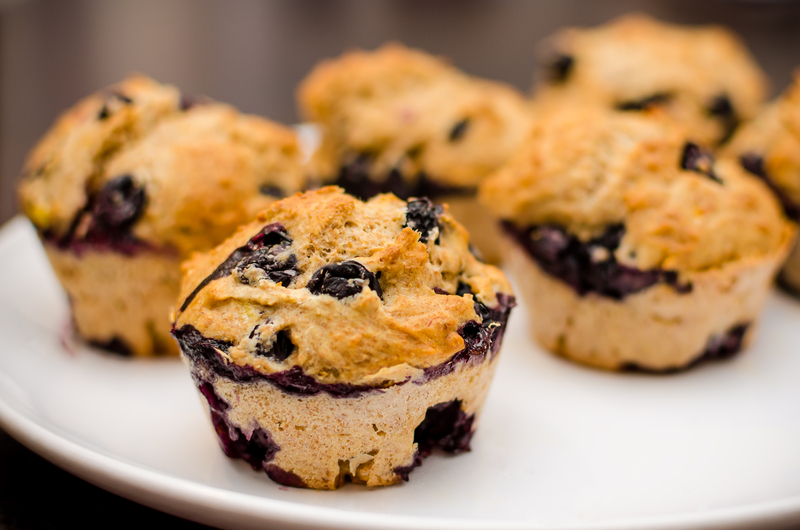


 A muffin gets its identity from a few basic traits: a thick batter, chemical leavening from baking powder or baking soda, and individual portions typically baked in a muffin tin.
 Every muffin you bake relies on a small group of ingredients. Each one has a job to do, and knowing what each one does helps you understand why your muffins turn out soft, sweet, or fluffy.
 You might group muffins with cupcakes, bread, or English muffins based on looks alone. But each item has its own mixing method, ingredients, and cooking process that set it apart.
 The muffin you know today has two distinct family lines. One developed in England as a yeast-leavened bread cooked on a griddle, while the other took shape in America after bakers adopted chemical leaveners such as baking powder and baking soda.
 You can find muffins made with almost any ingredient, from sweet fruit to salty bacon. The basic batter method stays similar, but what you mix in changes the flavor, moisture, and texture.
 How you handle your muffin batter and pan before baking affects the final texture as much as the ingredient list. Small choices, such as how much you stir and when you fill the pan, help determine whether you get a light muffin or a tough one.
 Muffins fit into your day in many ways. You can enjoy them fresh from the oven or save them for later while preserving much of their flavor and texture.
 A muffin is generally a small, individual baked quick bread made from a relatively simple batter. What distinguishes a muffin from a cake is not one specific ingredient, but rather the ingredient proportions, mixing method, texture, and intended style.


