Is Baking Yeast Dangerous? – A Guide For Home Bakers
Baking yeast is a kitchen staple all over the world, making bread rise and pastries puff up just right. Still, some home bakers wonder if this familiar ingredient could actually be risky. It’s not uncommon for folks to question yeast safety—especially when they’re new to bread making or if they notice their stomach feels different after eating homemade loaves.
For the vast majority, baking yeast is totally fine to use and eat as long as you handle it right and bake it through. Once bread’s in the oven, the heat kills off the yeast cells, turning them into nutrients that help with flavor and texture. Actual health concerns are pretty rare, and usually come up if you eat raw dough, have a yeast allergy, or deal with specific health conditions.
This guide digs into how yeast does its thing in baking, what happens when you eat it, and those rare cases where it might cause issues. You’ll get a look at different yeast types, how to spot allergic reactions, smart handling tips, and a few fixes for common yeast mishaps in baking.
How Baking Yeast Works and Its Types
Baking yeast is a living microorganism that munches on sugars in dough and releases carbon dioxide gas, which is what makes bread rise. The main types you’ll see are active dry yeast, instant yeast, and fresh yeast—they all have their quirks, but the end result is pretty similar.
Understanding Yeast’s Role in Baking
Yeast is actually a single-celled fungus called Saccharomyces cerevisiae, and it’s the classic leavening agent in bread and other baked goods. Mix it into your dough, and it starts gobbling up the sugars from the flour.
As it works, yeast produces carbon dioxide gas, alcohol, and organic acids. The carbon dioxide gets trapped in the dough’s gluten, creating those lovely air pockets that make bread light instead of dense. Alcohol and acids mostly evaporate in the oven, but they leave behind flavor—honestly, that’s a big part of why good bread tastes so good.
Yeast needs four things to do its job: food (from sugar or starch), moisture, warmth, and time. It’s happiest between 70°F and 100°F. Go hotter than 139°F and you’ll kill it; colder than 70°F and it just gets sluggish.
Add too much yeast and your dough might rise way too fast, with a strong alcohol smell. The yeast burns through the sugars quickly, which can mess up the gluten and make bread collapse. Not ideal.
Different Forms of Baker’s Yeast
Usually, you’ll run into three types at the store—each is processed a bit differently, but they’re all the same species underneath.
Active dry yeast comes as small granules. It used to be dried at high temps (which killed a lot of it), but these days, manufacturing is gentler. You don’t always have to dissolve it in warm water first. It works slower than instant yeast, giving your dough more time to ferment and develop flavor.
Instant yeast is finer, dissolves fast, and gets to work right away. You can toss it directly into your flour—no proofing needed. It’s a bit speedier than active dry, but you can swap them one-for-one in most recipes.
Fresh yeast (sometimes called cake or compressed yeast) is moist, soft, and spoils quickly. It needs refrigeration and doesn’t last long. Pros love it, but honestly, most home bakers stick with dry yeast for convenience.
One standard yeast packet has about 2¼ teaspoons, which is enough for bread recipes using 3–4 cups of flour.
The Fermentation Process in Dough
Fermentation kicks off when yeast starts eating the sugars in your dough. If there’s sugar in the recipe, it’ll chomp that first. After that, enzymes in the flour break down starches into simpler sugars for the yeast to keep feeding on.
As fermentation goes on, carbon dioxide builds up and stretches the gluten, kind of like blowing up a balloon. That’s what makes dough expand. It’s not instant—usually takes 1 to 2 hours for the first rise, depending on your kitchen’s temp and how much yeast you used.
Once yeast is in dough, it doesn’t reproduce much since there’s not enough oxygen. It just keeps eating and making gas until it runs out of food or gets killed in the oven.
Salt and lots of sugar (think more than ¼ cup per 3 cups flour) slow yeast down by pulling moisture away. Cinnamon can also put the brakes on yeast if you use more than a teaspoon per 3 cups flour.
Health Effects of Consuming Baking Yeast
Baking yeast is safe when it’s cooked into bread and other baked stuff, but eating it raw or in big amounts can mess with your digestive system and cause other health problems. Most people get the nutritional perks without any issues.
Is Eating Yeast Harmful?
Cooked baking yeast? Not a problem for most folks. Baking kills the yeast, so it’s safe to eat. The trouble starts if you eat raw or active yeast.
Raw yeast can keep fermenting in your gut, which means gas, bloating, and stomach pain. Basically, it keeps feeding on sugars in your stomach, pumping out carbon dioxide and alcohol.
If your immune system is weak, you’re at higher risk. Raw yeast can sometimes harbor bacteria that might cause infections. And if you have a yeast allergy, even baked yeast can set off reactions like hives, itching, or trouble breathing.
Don’t eat dry yeast straight from the packet. It’s rough on your stomach and just not a great idea.
Bread Yeast Side Effects
Most yeast-related side effects happen if you eat a lot of active yeast or eat it raw. Digestive complaints are the big one: bloating, gas, stomach cramps—none of them fun.
Sometimes people get “yeast overgrowth” in their gut, meaning the yeast multiplies too much and throws off your gut bacteria balance.
Eating a normal slice of bread? That’s not going to hurt you. Issues pop up if you eat a ton of active yeast or have sensitivities. Baked bread just has dead yeast—your body handles it like any other food ingredient.
Nutritional Benefits of Yeast
Baking yeast has some solid nutritional value. B vitamins are plentiful—think B1, B2, B3, B6, and sometimes B12.
These help your body turn food into energy and keep your nervous system humming. Nutritional yeast (a cousin to baking yeast) is also packed with protein, including all the essential amino acids.
Some of the good stuff in yeast:
Protein: For muscle and tissue repair
Selenium: Antioxidant, helps your thyroid
Chromium: Supports blood sugar control
Fiber: Good for digestion
There’s also a bit of zinc, magnesium, and iron. The nutrients in yeast bread stick around after baking, so bread isn’t just empty carbs—it’s got beneficial nutrients too.
Dangers of Eating Raw or Excess Yeast
Eating raw yeast or too much of it can cause digestive upset, discomfort, and sometimes more serious problems. Uncooked yeast is still alive, and if it gets into your digestive system, it’ll ferment sugars and make gas and alcohol—nobody wants that.
What Happens If You Eat Yeast and Sugar
Eat yeast and sugar together, and the yeast has a field day in your stomach. It feeds on the sugar, producing carbon dioxide and alcohol. Gas builds up, leading to bloating, cramps, and, well, discomfort.
Your gut basically turns into a mini fermentation tank. The alcohol can even end up in your bloodstream, so you might feel a little woozy or nauseous.
If there’s plenty of sugar, the yeast multiplies fast, making the symptoms worse and dragging them out for hours until your body gets rid of the yeast.
What you might notice:
Stomach pain or cramps
Lots of gas and bloating
Nausea or vomiting
Light-headedness or a weird “drunk” feeling
Risks of Consuming Raw Yeast Dough
Raw yeast dough is a bad idea. The warmth and moisture in your stomach are perfect for the yeast to keep rising. The dough can expand inside you, causing pain or even blockages—yes, really.
The yeast keeps fermenting the flour and sugars, cranking out gas and alcohol right in your digestive tract.
Kids and pets are especially at risk with raw dough. Their smaller bodies mean even a little expanding dough can cause big problems. Sometimes, it’s serious enough to need a doctor’s help.
Don’t forget—the raw flour in dough can carry bacteria too, leading to food poisoning.
Symptoms of Overconsumption
Too much yeast in bread or other baked goods can make you feel lousy, even though most yeast is killed during baking. The problem is when there’s leftover excess yeast that wasn’t fully neutralized.
What you might feel:
Bloating and gas
Stomach pains or cramps
Diarrhea
Nausea, maybe vomiting
Headaches
You could also feel unusually tired. The fermentation process can mess with how your body absorbs nutrients, since yeast enzymes compete with your own digestive enzymes.
If you have a weak immune system or a yeast allergy, you’re at greater risk. You might develop infections or allergic reactions that need antifungal meds. If you’re throwing up a lot, get dehydrated, or show signs of alcohol poisoning after eating yeast, don’t wait—get medical help.
Allergic Reactions and Sensitivities
Baking yeast can sometimes set off immune responses, from mild skin irritation to pretty serious breathing trouble. True yeast allergies aren’t common, but sensitivities and fungal-related issues are a bit more widespread than most people realize.
Yeast Allergies and Intolerance
Your body can react to baking yeast in a couple of ways: either with a genuine allergy or just plain intolerance. If you have a yeast allergy, your immune system basically gets confused and treats yeast proteins like some kind of threat. That’s when you might break out in hives, get itchy, swell up, or—though this is rare—deal with something serious like anaphylaxis.
Yeast intolerance is a different beast. You won’t get that dramatic immune response, but you might notice your stomach acting up, bloating, or maybe even headaches after eating foods with yeast. It’s more of a slow burn than an immediate reaction.
Common symptoms of yeast reactions include:
Skin rashes or eczema
Nasal congestion and sneezing
Stomach cramping and gas
Difficulty breathing (in severe allergies)
If yeast is on your radar as a problem, it’s best to see an allergist—they can run skin prick tests or check your blood to see if it’s a real allergy. Honestly, guessing on your own often just leads to cutting out foods for no good reason. If you do have a confirmed allergy, you’ll need to steer clear of bread, baked goods, beer, wine, and probably some fermented foods too.
Candidiasis and Overgrowth Risks
Candida is a yeast that lives in your body naturally, but it’s not the same as baker’s yeast. Eating baking yeast doesn’t cause candida overgrowth, despite what you might hear. Still, there are folks who believe that for some people, dietary yeast could make fungal issues worse if you’re already prone to them.
Candida tends to get out of hand if your immune system is down or you’ve taken antibiotics. You might feel wiped out all the time, get yeast infections that keep coming back, or struggle with digestive issues. But honestly, the science linking eating baker’s yeast to these problems is pretty shaky and debated.
If you’ve actually been diagnosed with a candida problem, your doctor might suggest backing off on yeast and sugar for a while. There’s not a ton of research behind this, but some people say it helps. For most healthy folks, though, baking yeast isn’t going to set off a fungal takeover.
Contact, Handling, and Safety Measures
Baking yeast is generally safe to touch and use at home if you store it right and keep things clean. Most people won’t have any issues working with yeast, but a few groups should be a bit more careful.
Is Yeast Dangerous to Touch?
In short: nope, not for most people. The yeast you use for baking, Saccharomyces cerevisiae, is considered a Biosafety Level 1 organism. That’s science-speak for “hardly a risk” to healthy folks.
Go ahead and handle dry yeast, instant yeast, or fresh yeast with your bare hands. The yeast cells in the package are dormant, so they’re not going to do anything to your skin.
Once in a while, someone with sensitive skin might notice a little irritation if they’re handling a lot of dry yeast. If your hands get red or itchy, just wash up with soap and water. It’s not common and usually not a big deal.
Basic handling guidelines:
Wash your hands before and after working with yeast
Try not to breathe in yeast dust when you open the package
Keep yeast away from your eyes and nose
Use clean utensils for measuring
Safe Storage and Use in the Kitchen
Storing yeast properly helps keep it fresh and out of trouble. Unopened dry yeast can just hang out in your pantry, somewhere cool and dry. After you open it, toss it in an airtight container and stick it in the fridge.
Fresh yeast is a bit fussier—it needs refrigeration and doesn’t last more than two weeks. Keep it wrapped up tight, and if it starts looking weird (dark spots, funky smells, or gets slimy), just throw it out.
Storage temperatures:
Yeast Type
Storage Location
Shelf Life
Active Dry (unopened)
Pantry
1-2 years
Active Dry (opened)
Refrigerator
4-6 months
Instant (unopened)
Pantry
1-2 years
Instant (opened)
Refrigerator
4-6 months
Fresh
Refrigerator
2 weeks
Always glance at the expiration date before using yeast. Old yeast probably won’t make you sick, but it just won’t do its job in your dough.
Precautions for Vulnerable Populations
People with weakened immune systems should be a bit more cautious with yeast. If you’re going through chemo, have had an organ transplant, or are living with HIV/AIDS, you might be more prone to yeast-related infections.
Pregnant women can use baking yeast as usual for recipes, but eating raw dough isn’t a good idea—mainly because of the risks from uncooked flour and a little alcohol that forms during fermentation.
Kids can definitely help with baking, just make sure they wash their hands after touching yeast and don’t put their fingers in their mouths or eyes while you’re at it.
Special considerations:
Check with your doctor if your immune system is compromised
Don’t eat raw dough or batter with yeast
Keep yeast away from open cuts or wounds
Store yeast where pets and little kids can’t get into it
If you know you’re allergic or sensitive to yeast, you’ll probably want to avoid baking with it or maybe wear gloves—better safe than sorry.
Troubleshooting Yeast in Baking
Getting the yeast amount right can mean the difference between a perfect loaf and a baking flop. Too much yeast makes dough rise too fast and can leave you with funky flavors or weird textures, while measuring carefully keeps things consistent and safe.
How to Fix Too Much Yeast in Bread
Once yeast is mixed into your dough, you can’t exactly take it out. Your bread’s probably going to rise too quickly and might pick up a strong, almost boozy smell.
The finished loaf could taste bitter or just overly yeasty. That’s thanks to excess fermentation—too much alcohol and gas from all that yeast working overtime.
If you catch your mistake early enough, you can try diluting the dough. Just add more flour, water, and the rest of your ingredients to even things out. You’ll end up with a bigger batch, but at least the yeast ratio will be right.
Or, if you only added a bit too much yeast, slowing things down by popping the dough in the fridge can help. Cold temps chill out the yeast, so you get a little more control over rising.
If you’ve really gone overboard with the yeast, honestly, starting over is usually less hassle. Sometimes it’s just not worth trying to rescue a dough that’s gone off the rails.
Achieving the Right Yeast Balance for Safe Baking
Most bread recipes use about 1 to 2 teaspoons of yeast for every 3 to 4 cups of flour. That’s usually enough for good fermentation—without the dough getting out of control.
It’s worth grabbing proper measuring spoons for yeast, not just a regular spoon from the drawer. Leveling off with a knife or something straight helps, but honestly, a tiny bit extra probably won’t ruin your loaf.
Water temperature really matters for yeast. Try to keep liquids between 105°F and 115°F for active dry yeast. If it’s too hot, the yeast dies; too cold, and it just sits there doing nothing. Annoying, right?
Always check the expiration date—old yeast can be stubborn or just plain useless. After opening, stash it in the fridge or somewhere cool and dry if you want it to last.
Adding a mountain of yeast won’t poison you, but it’ll make bread that tastes and smells pretty weird. Honestly, your body can handle the yeast in a normal loaf just fine.
FAQ: Is Baking Yeast Dangerous?
Yeast is a common ingredient used in bread, pizza dough, and other baked goods. It is generally safe to use in cooking, but like any ingredient, people sometimes wonder about its safety.
Is Baking Yeast Dangerous?
No, baking yeast is not dangerous. It is a safe, natural microorganism used to help dough rise by producing carbon dioxide.
What Is Yeast Used for in Baking?
Yeast is used to:
Ferment sugars in dough
Produce gas that makes dough rise
Improve texture and flavor in bread
Can Yeast Make You Sick?
No, yeast used in baking does not cause illness when cooked properly. It is killed during baking and becomes inactive.
Is Eating Raw Yeast Dangerous?
Eating large amounts of raw yeast is not recommended, as it can cause digestive discomfort and bloating, but small accidental amounts are generally not harmful.
Can Yeast Cause Allergies?
Yeast allergies are rare, but some individuals may experience sensitivity or digestive reactions.
Is Yeast Safe for Everyone?
For most people, yes. However, individuals with certain medical conditions or sensitivities should consult a healthcare professional if unsure.
Does Yeast Survive Baking?
No, yeast is destroyed during the baking process due to high heat.
What Happens If You Use Too Much Yeast?
Excess yeast can cause:
Over-rising dough
Strong yeasty taste
Unstable bread structure
Is Yeast Natural or Artificial?
Yeast is a naturally occurring fungus that has been used in baking for thousands of years.
What Is the Main Safety Concern With Yeast?
The main concern is not toxicity, but improper fermentation or misuse in raw form, which can affect digestion or recipe results.
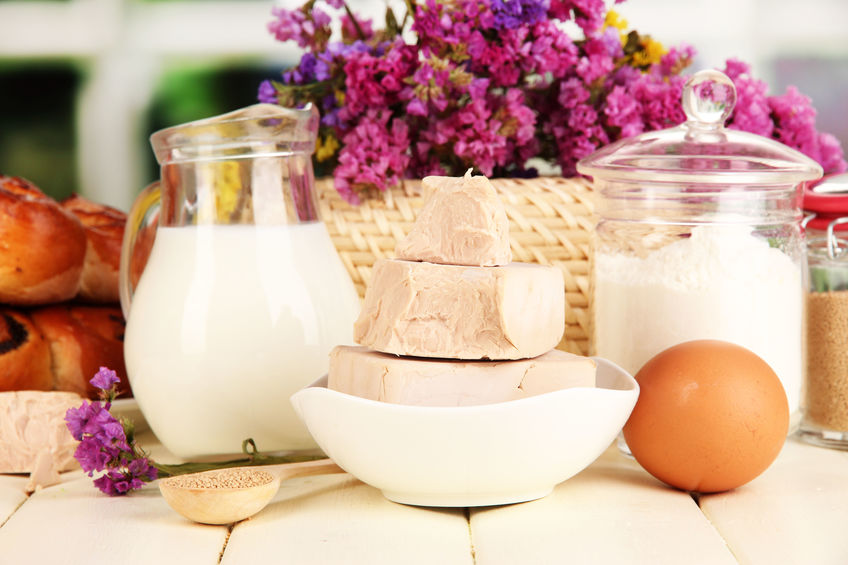


 Baking yeast is a living microorganism that munches on sugars in dough and releases carbon dioxide gas, which is what makes bread rise. The main types you’ll see are active dry yeast, instant yeast, and fresh yeast—they all have their quirks, but the end result is pretty similar.
 Baking yeast is safe when it’s cooked into bread and other baked stuff, but eating it raw or in big amounts can mess with your digestive system and cause other health problems. Most people get the nutritional perks without any issues.
 Eating raw yeast or too much of it can cause digestive upset, discomfort, and sometimes more serious problems. Uncooked yeast is still alive, and if it gets into your digestive system, it’ll ferment sugars and make gas and alcohol—nobody wants that.
 Baking yeast can sometimes set off immune responses, from mild skin irritation to pretty serious breathing trouble. True yeast allergies aren’t common, but sensitivities and fungal-related issues are a bit more widespread than most people realize.
 Baking yeast is generally safe to touch and use at home if you store it right and keep things clean. Most people won’t have any issues working with yeast, but a few groups should be a bit more careful.
 Getting the yeast amount right can mean the difference between a perfect loaf and a baking flop. Too much yeast makes dough rise too fast and can leave you with funky flavors or weird textures, while measuring carefully keeps things consistent and safe.
 Yeast is a common ingredient used in bread, pizza dough, and other baked goods. It is generally safe to use in cooking, but like any ingredient, people sometimes wonder about its safety.


