How Do I Bake a Cake in the Oven? A Step-by-Step Guide for Perfect Results
Baking a cake in the oven is a simple process that starts with mixing basic ingredients like flour, sugar, eggs, and butter, then pouring the batter into a prepared pan and baking at the right temperature until done.
To bake a cake, you need to gather your ingredients, mix them in the correct order, prepare your pan, preheat your oven to 350°F, and bake for 25 to 35 minutes depending on the recipe.
Once you understand these basic steps, you can create everything from simple birthday cakes to more complex layered desserts.
Many people avoid baking cakes because they think it requires special skills or expensive equipment. The truth is that you probably already have most of what you need in your kitchen. A mixing bowl, measuring cups, a cake pan, and your oven are enough to get started.
This guide walks you through every step of the cake baking process. You’ll learn which ingredients matter most, how to mix your batter properly, and how to avoid common mistakes that lead to dry or sunken cakes. You’ll also discover different mixing methods, how to test if your cake is done, and tips for decorating your finished creation.
Understanding Essential Cake Ingredients
Each ingredient in a cake recipe performs a specific job that affects texture, rise, and flavor. Flour provides structure, leavening agents create lift, fats add moisture, and eggs bind everything together.
The Role of Flour Types in Baking
All-purpose flour works for most cake recipes because it contains a moderate amount of protein. This protein forms gluten when mixed with liquid, giving your cake structure.
Cake flour has less protein than all-purpose flour. It creates a lighter, more delicate texture with smaller air pockets. You’ll notice the difference in white cakes and layer cakes where a fine crumb matters most.
When you measure flour, don’t pack it down. Too much flour makes your cake dry and dense. Use the scoop and sweep method: spoon flour into your measuring cup, then level it off with a knife.
Key differences between flour types:
All-purpose flour: 10-12% protein, versatile for most recipes
Self-rising flour: includes baking powder and salt already mixed in
Choosing and Using Leavening Agents
Baking powder and baking soda make your cake rise by creating gas bubbles in the batter. These ingredients are not the same and can’t always be swapped.
Baking powder contains both an acid and a base. It activates twice: once when mixed with liquid and again when heated. Most cake recipes use baking powder as the main leavening agent.
Baking soda needs an acidic ingredient like buttermilk, yogurt, or brown sugar to work. It’s stronger than baking powder, so you need less of it. Some recipes use both to balance flavor and achieve the right amount of lift.
Check expiration dates on your leavening agents. Old baking powder won’t give you enough rise, leaving you with a flat, dense cake.
Importance of Eggs, Dairy, and Fat
Eggs give your cake structure and help it set during baking. When eggs cook, they coagulate and turn your liquid batter into a solid cake. Room temperature eggs mix more easily into your batter.
Whole milk adds moisture and richness to cake recipes. The fat in milk helps create a tender texture. Some recipes call for buttermilk, which adds tanginess and reacts with baking soda.
Unsalted butter lets you control the salt level in your recipe. Butter should be at room temperature (65-70 degrees) for proper mixing. Cold butter won’t incorporate well, and melted butter changes the texture.
Selecting the Right Flavorings and Extracts
Vanilla extract is the most common flavoring in cake recipes. Use pure vanilla extract rather than imitation for better flavor. One to two teaspoons enhances other flavors without overpowering them.
Granulated sugar does more than add sweetness. It helps trap air when mixed with butter, creating a lighter texture. Sugar also keeps cakes moist and helps them brown properly.
Other extracts like almond, lemon, or coconut change your cake’s flavor profile. Start with half the amount called for vanilla, since these flavors are stronger. You can always add more, but you can’t remove it once mixed in.
Salt balances sweetness and strengthens the flour’s protein structure. Even though it seems like a small amount, don’t skip it in your cake recipe.
Gathering and Preparing Equipment
The right tools make baking easier and help you get better results. Having everything ready before you start saves time and prevents mistakes.
Essential Baking Tools
You need several basic tools to bake a cake successfully. Mixing bowls in different sizes let you separate wet and dry ingredients before combining them. A set of at least three bowls works well for most recipes.
Measuring cups help you add the correct amount of each ingredient. Get both dry and liquid measuring cups because they measure differently. Measuring spoons are also important for small amounts like baking powder or vanilla extract.
Astand mixeror hand mixer makes mixing batter faster and smoother. These tools blend ingredients more evenly than stirring by hand. You can mix by hand with a whisk, but electric mixers give you lighter, fluffier cakes.
Spatulas help you scrape batter from bowls so nothing goes to waste. Rubber or silicone spatulas work best because they’re flexible. A bench scraper is useful for cleaning your work surface and dividing dough if needed.
Selecting the Right Cake Pans
Your cake pans affect how your cake bakes and looks. Round pans are common for layer cakes, while square or rectangular pans work for sheet cakes. Metal pans conduct heat better than glass, which means more even baking.
The pan size matters because recipes are written for specific sizes. Using the wrong size changes baking time and how thick your cake turns out. Common sizes are 8-inch and 9-inch round pans.
Dark pans absorb more heat than light-colored pans. This can make the edges of your cake cook too fast. If you use dark pans, lower your oven temperature by 25°F.
Benefits of Kitchen Scales and Oven Thermometers
A kitchen scale gives you more accurate measurements than cups. Baking is like science, and exact amounts matter. Weighing ingredients in grams or ounces removes guesswork about whether you packed flour too tightly or not enough.
Professional bakers prefer scales because they’re faster and cleaner. You can put your bowl on the scale and add ingredients directly without dirtying multiple measuring cups.
An oven thermometer shows your oven’s real temperature. Many ovens run hotter or cooler than the dial says. This difference can ruin your cake by baking it too fast or too slow. Place the thermometer inside your oven and check it against the temperature you set.
The Purpose of Parchment Paper and Greasing Tools
Parchment paper lines the bottom of your pan so cakes don’t stick. Cut a circle or rectangle that fits your pan. You still need to grease the sides, but parchment makes removing the cake much easier.
Greasing prevents sticking and helps cakes release cleanly. Butter, oil, or baking spray all work. A pastry brush spreads butter evenly in all the corners of your pan.
Some bakers use the “grease and flour” method. After greasing, they sprinkle flour in the pan and tap out the excess. This creates a barrier between the batter and pan. For chocolate cakes, use cocoa powder instead of flour so you don’t see white spots on the finished cake.
Prepping Your Ingredients and Workspace
Getting your ingredients to the right temperature and organizing your workspace before you start mixing will help your cake bake evenly and turn out light and fluffy. Cold ingredients can cause problems with mixing, while proper measuring ensures the right texture every time.
Bringing Ingredients to Room Temperature
Room temperature ingredients mix together more easily and create a better cake texture. Cold eggs can cause butter to seize up into hard chunks, which destroys the air bubbles you need for a light cake.
Take your eggs, butter, and milk out of the fridge 30 to 60 minutes before you start baking. Butter should feel slightly soft when you press it but still hold its shape. If you forgot to take eggs out early, place them in a bowl of warm water for 5 to 10 minutes.
Room temperature ingredients blend into a smooth batter faster. This creates more air pockets in your batter, which means your cake will rise higher in the oven. Cold ingredients lead to overmixing as you try to get everything combined.
Proper Measuring and Sifting Methods
Accurate measuring makes the difference between a perfect cake and a dry or dense one. Too much flour is the most common reason cakes turn out dry and heavy.
Use measuring cups designed for dry ingredients when measuring flour. Spoon the flour into the cup and level it off with a knife instead of scooping directly from the bag. Scooping packs in extra flour you don’t need.
A kitchen scale gives you the most accurate measurements.Cake flourweighs about 120 grams per cup, while all-purpose flourweighs 125 to 130 grams per cup. Sift your flour after measuring to remove lumps and add air.
Organizing for Efficiency
Set out all your ingredients and tools before you start mixing. This prevents you from searching for items while your batter sits or your oven preheats empty.
Line up your ingredients in the order you’ll use them. Grease and line your pans before you mix the batter so you can pour it in right away. A prepared workspace helps you work faster and avoid mistakes.
Place your mixing bowls, whisk, spatula, and pans where you can reach them easily. Read through the entire recipe once before starting. This helps you catch any steps that need advance prep, like toasting nuts or melting chocolate.
Mastering Cake Mixing Techniques
The way you mix your cake batter affects the final texture more than most bakers realize. Different mixing methods create different crumb structures, and knowing when to stop mixing prevents dense, tough cakes.
Creaming Method Explained
The creaming method starts by beating butter and sugar together until the mixture becomes light and fluffy. This process creates tiny air pockets in the butter that expand during baking, giving your cake lift and a tender crumb.
You should beat room temperature butter with sugar for 3 to 5 minutes using a stand mixer or hand mixer. The mixture will change from yellow and grainy to pale and smooth. This color change tells you that air has been properly incorporated.
Cold butter won’t cream properly because it’s too firm to trap air bubbles. If you add cold eggs to creamed butter and sugar, the butter can seize up into hard chunks. This breaks down the air suspension you just created, resulting in a dense cake with poor rise.
Add eggs one at a time after creaming, beating well after each addition. Then alternate adding your dry ingredients and liquids, starting and ending with the dry ingredients. This keeps the batter stable and prevents overmixing.
Alternatives: Reverse Creaming Method
The reverse creaming method flips the traditional process by mixing the fat directly into the dry ingredients first. You coat the flour particles with butter before adding any liquid.
This technique creates a tighter, more velvety crumb with a finer texture. Your cake will be more tender because the fat coating prevents gluten development when you add the wet ingredients.
To use this method, combine your dry ingredients in mixing bowls. Cut softened butter into the flour mixture until it looks like coarse sand. Then add your wet ingredients in stages, mixing just until combined.
Best uses for reverse creaming:
Sheet cakes
Layer cakes that need extra stability
Cakes with high moisture content
Recipes calling for oil that you want to convert to butter
This method is more forgiving than traditional creaming because you’re less likely to overmix the batter.
Mixing Wet and Dry Ingredients
Combine your dry ingredients separately from your wet ingredients before bringing them together. This ensures even distribution of leavening agents and prevents pockets of flour or baking powder in your finished cake.
Whisk together flour, baking powder, baking soda, and salt in one bowl. Mix eggs, milk, vanilla, and other liquids in another bowl. When you’re ready to combine them, add the dry ingredients to the wet in two or three portions.
Mix on low speed or fold by hand with a spatula using gentle strokes. Stop as soon as you no longer see streaks of flour. Small lumps are fine and will disappear during baking.
Some recipes call for alternating wet and dry ingredients, which keeps the batter smooth and prevents the flour from clumping.
Avoiding Overmixing for a Tender Cake
Overmixing develops gluten strands in the flour, turning a potentially light cake into a tough, chewy one. You want just enough mixing to combine ingredients without activating excess gluten.
Stop mixing the moment your batter looks uniform. The batter should still have a slightly rough texture rather than being perfectly smooth. You might see a few small lumps, which is normal and actually preferred.
Signs you’ve overmixed your cake batter:
Batter appears very smooth and elastic
Cake rises in a dome with a peak in the center
Texture is dense and chewy instead of tender
Cake has visible tunnels or holes inside
Use a stand mixer on low speed or mix by hand for better control. Hand mixing with a whisk or spatula gives you the most control over texture. If using a mixer, watch the batter closely and stop before it looks perfect.
Preparing Cake Pans for the Oven
Properly prepared cake pans prevent sticking and create clean edges on your finished cake. The two most reliable methods are greasing and flouring your pans or using parchment paper as a barrier between the batter and the pan surface.
Greasing and Flouring Procedures
Use softened butter to coat your cake pans because it spreads more evenly than oil or melted butter. Apply a thin layer with your fingers or a pastry brush to cover every surface the batter will touch.
After greasing, add one to two tablespoons of flour to the pan. Tilt and tap the pan in all directions so flour sticks to the greased surface. Turn the pan upside down over your sink and tap out excess flour.
The flour creates a barrier that keeps the grease in place rather than getting absorbed into your batter. Without this barrier, the fat soaks into the cake and loses its non-stick properties.
Never grease angel food cake pans. These cakes need to cling to the pan sides to rise properly and maintain their height while cooling upside down.
Proper Use of Parchment Paper
Cut a circle or rectangle of parchment paper to fit the bottom of your pan. Grease the pan first so the paper sticks in place when you press it down.
You don’t need to grease parchment paper itself. The coating already prevents sticking for most recipes.
For brownies or very sticky batters, combine both methods. Grease and flour the pan sides, then line the bottom with parchment paper. This setup makes removal foolproof even with gooey or delicate cakes.
Skip parchment paper for bundt pans with intricate designs since the paper won’t conform to the detailed ridges. Stick with thorough greasing and flouring for these pans instead.
Setting Up and Preheating the Oven
Getting your oven ready the right way makes a big difference in how your cake turns out. The temperature needs to be exact, and your pan position affects how evenly everything bakes.
Ideal Oven Temperatures for Cakes
Most cakes bake best at 350°F (175°C). This temperature gives you enough heat to cook the cake through without burning the outside.
Some recipes need different temperatures. Dense cakes like pound cake sometimes work better at 325°F (165°C). Light, airy cakes might need 375°F (190°C).
You should always check your recipe first. The ingredients and pan size affect what temperature works best.
Start preheating the oven 10-15 minutes before you plan to bake. This gives the oven enough time to reach the right temperature throughout the entire space, not just at the heating element.
Using an Oven Thermometer
Your oven’s built-in temperature display is often wrong. Many ovens run 25°F hotter or cooler than what they show.
An oven thermometer costs around $5-10 and tells you the real temperature inside. Place it on the middle rack where you’ll bake your cake.
Check the thermometer after preheating the oven. If it shows a different number than your oven setting, adjust accordingly. Your oven might say 350°F but actually be at 325°F or 375°F.
This small tool prevents burned edges and raw centers. It takes the guesswork out of baking time and helps you get consistent results every time you bake.
How to Position Pans in the Oven
Place your cake pan on the center rack. This spot gets the most even heat from both the top and bottom heating elements.
Keep the pan in the middle of the rack too, not pushed to one side. Air needs to flow around all sides of the pan for even baking.
If you’re baking two layers at once, space them apart on the same rack. Leave at least 2 inches between pans and 2 inches from the oven walls.
Never put pans directly on the oven floor or top rack. The bottom gets too much direct heat and burns the cake. The top rack sits too close to the heating element and browns the surface too fast.
Baking the Cake: Techniques for Success
Getting your cake batter into the oven correctly makes the difference between a flat, uneven cake and one that bakes up tall and level. How you fill your pans, control heat distribution, and track timing all affect your final results.
Filling and Leveling the Pans
Fill your cake pans about two-thirds full with batter. This gives the cake room to rise without spilling over the edges.
Use a kitchen scale to divide batter evenly between multiple pans. Equal amounts of batter in each pan mean your layers will bake at the same rate and finish at the same height. If you don’t have a scale, fill each pan to the same depth and eyeball it carefully.
Tap each filled pan gently on your counter three to four times. This releases air bubbles trapped in the batter that could create holes in your finished cake.
Spread the batter to the edges with a spatula before placing pans in the oven. The batter should sit level in the pan with no dips or peaks.
Avoiding a Cake Dome
Your cake develops a dome when the edges set faster than the center, pushing the middle upward as it bakes. Lower your oven temperature by 25°F if you consistently get domed cakes.
Place your pans on the center rack with at least two inches of space between them and the oven walls. Good air circulation helps cakes bake evenly.
Wrap the outside of your pan with damp cake strips or wet towels secured with aluminum foil. This technique keeps the pan edges cooler so the entire cake rises at the same rate. The strips need to stay damp throughout baking.
Monitoring Baking Time
Start checking your cake five minutes before the recipe’s suggested time. Ovens vary in temperature accuracy, and your cake might finish early.
Look for these signs that your cake is done: the edges pull away slightly from the pan, the top springs back when touched lightly, and a toothpick inserted in the center comes out clean or with a few moist crumbs.
Your cake will continue baking from residual heat after you remove it from the oven. Take it out when it’s just done, not when it’s dry. An overbaked cake turns out crumbly and tough instead of moist and tender.
Set a timer for the minimum baking time listed in your recipe. Check the cake then, and add two to three minutes at a time if it needs longer.
Testing for Doneness and Cooling
Your cake needs proper testing before you remove it from the oven, and cooling it correctly prevents sogginess or cracking. The toothpick method confirms the center is baked through, while controlled cooling preserves texture and makes removal easier.
Center Comes Out Clean Method
Insert a toothpick or paring knife into the center of your cake when the baking time is almost complete. Pull it straight out and examine what clings to it.
A clean tester or one with just a few moist crumbs means your cake is done. The crumbs should be dry and light, not wet batter. If you see wet, glossy batter on the tester, your cake needs 3 to 5 more minutes in the oven.
A paring knife works better than a toothpick for thick batters like pound cake. The larger surface area shows you more clearly what the interior texture looks like. Always test in the center since the edges bake faster than the middle.
You can also press the top gently with your fingers. The surface should spring back immediately without leaving an indent. This physical test for doneness works well alongside the toothpick method to give you confidence the cake is ready.
Timing the Cooling Process
Leave your cake in the pan for 10 to 15 minutes after removing it from the oven. This initial cooling period lets the structure set so the cake doesn’t fall apart when you flip it.
Place the pan on a wire rack during this time. The elevated position allows air to circulate underneath, which prevents the bottom from getting soggy from trapped steam.
Don’t leave the cake in the pan longer than 15 minutes for most recipes. The residual heat continues baking the cake, and extended time in a hot pan can dry out the edges. Butter cakes and layer cakes follow this timing, while denser cakes like cheesecake need longer cooling in the pan.
Transferring From Pan to Rack
Run a thin knife or offset spatula around the edges of the pan after the initial cooling time. Slide it between the cake and pan sides to release any stuck spots.
Place your wire rack on top of the cake pan. Hold both firmly and flip them together in one quick motion. Lift the pan straight up and off the cake.
Peel off parchment paper immediately if you lined the pan bottom. The paper removes more easily while the cake is still warm. Let the cake cool completely on the rack before frosting, which takes 1 to 2 hours depending on cake thickness.
Layering, Crumb Coating, and Finishing Touches
A crumb coat seals in loose crumbs and creates a smooth base for your final frosting layer. This thin initial layer of frosting makes decorating easier and gives your cake a professional look.
Creating a Smooth Crumb Coat
A crumb coat is a very thin layer of frosting that locks crumbs in place before you apply your final coat. You need to spread a small amount of frosting over the entire cake using an offset spatula.
Start by placing your first cake layer on a cake board or serving plate. Add your filling, whether it’s American buttercream, cream cheese frosting, or another type. Stack the next layer on top and press down gently.
Apply a thin layer of frosting to the sides and top of your stacked cake. Don’t worry if you can see the cake through the frosting. Use a bench scraper to smooth the sides by holding it at a 90-degree angle to the cake while rotating your turntable.
Refrigerate the cake for 30 minutes after applying the crumb coat. This chilling time lets the frosting firm up and makes the final coat much easier to apply.
Applying Frosting Evenly
Your final frosting layer should go on once the crumb coat is cold and set. Use more frosting than you think you need for the top and sides.
Spread frosting generously across the top of the cake first. Push some frosting over the edges to help cover the sides completely. Then add frosting to the sides in thick patches.
Hold your bench scraper against the side of the cake at a slight angle. Rotate your turntable in one smooth motion while keeping the scraper steady. Remove excess frosting that builds up on the scraper between passes.
For the top, hold your offset spatula flat and pull it across from edge to edge. You can also angle your bench scraper slightly inward as you rotate the cake to create a clean edge where the top meets the sides.
Tools for Decorating Cakes
The right tools make decorating easier and help you get better results. An offset spatula gives you control when spreading frosting and helps you reach all areas of your cake.
Essential decorating tools:
Offset spatulas in small and large sizes
Metal bench scraper for smooth sides
Revolving cake turntable
Piping bags and tips for borders and details
Cake boards for support and easy moving
A turntable lets you rotate your cake smoothly while you work. This rotation makes it easier to apply even pressure with your spatula or bench scraper.
Piping bags with different tips let you add decorative borders, rosettes, or writing. You can use the same frosting from your crumb coat and final layer for these finishing touches.
Popular Cake Varieties to Try
Vanilla cake offers a versatile base that works for any occasion, while chocolate cake recipes deliver rich flavor that satisfies most dessert lovers. Confetti cake brings color and fun to celebrations, and mastering layer cake techniques helps you create impressive desserts with professional-looking results.
Classic Vanilla Cake
Vanilla cake is the foundation of cake baking that every baker should master first. You’ll need basic ingredients like all-purpose flour, granulated sugar, butter, eggs, milk, and pure vanilla extract. The key to a great vanilla cake is using quality vanilla extract rather than imitation flavoring.
Mix your butter and sugar together until light and fluffy before adding eggs one at a time. This process creates air pockets that make your cake rise properly. Alternate adding your dry ingredients and milk to prevent overmixing.
Bake vanilla cake at 350°F for 25-30 minutes in round pans or 35-40 minutes for a 9×13 inch pan. You can dress it up with buttercream frosting or serve it plain with fresh berries.
This cake works well for birthdays, weddings, and everyday desserts. The neutral flavor pairs with almost any frosting or filling you choose.
Moist Chocolate Cake Recipe
A chocolate cake recipe should produce a tender crumb with deep chocolate flavor. Use both cocoa powder and hot coffee or water in your batter. The liquid helps bloom the cocoa and intensifies the chocolate taste.
Room temperature ingredients mix more evenly in chocolate cakes. Your eggs, milk, and butter should sit out for 30-60 minutes before baking. Add sour cream or buttermilk to keep the cake moist for several days.
Chocolate cakes bake at the same 350°F temperature as vanilla. Check doneness with a toothpick inserted in the center – it should come out with just a few moist crumbs. Don’t overbake or your cake will turn dry.
Frost chocolate cake with chocolate buttercream, cream cheese frosting, or chocolate ganache. Each option complements the rich chocolate base without overwhelming it.
Confetti Cake for Celebrations
Confetti cake brings festive color to any party with rainbow sprinkles mixed throughout the batter. Start with a basic vanilla cake recipe and fold in 1/2 to 3/4 cup of jimmies or nonpareil sprinkles before baking. Use traditional sprinkles rather than sanding sugar, which will melt and bleed color.
Add sprinkles at the very end of mixing to prevent color bleeding into your white batter. Stir gently by hand rather than using a mixer. The sprinkles will lose some color during baking but still create colorful specks throughout.
Your confetti cake needs a complementary frosting. Vanilla buttercream lets the colorful cake shine through. Top with additional sprinkles for extra celebration appeal.
This cake suits birthday parties, baby showers, and graduation celebrations. Kids especially enjoy the surprise of colorful dots in every slice.
Exploring Layer Cake Techniques
Layer cake techniques transform simple cake recipes into impressive desserts. You need to bake two or three cake layers in separate pans of the same size. Let each layer cool completely before assembly to prevent frosting from melting.
Level your cake layers by slicing off any domed tops with a serrated knife. This creates stable, flat surfaces that stack evenly. Place your first layer on a cake board or serving plate lined with parchment strips for clean edges.
Spread frosting on the first layer, then add the second layer on top. Apply a thin crumb coat of frosting over the entire cake to seal in loose crumbs. Refrigerate for 15-20 minutes before adding the final frosting layer.
You can fill layers with buttercream, jam, cream cheese frosting, or chocolate ganache. Each filling adds different flavor and moisture to your finished cake.
Advanced Tips for Consistently Great Results
Even experienced bakers face problems with cakes that sink, dry out, or bake unevenly. Mastering a few expert cake baking tips will help you solve common issues and improve your results every time you use the oven.
Troubleshooting Common Cake Baking Issues
Sinking or dense cakes usually happen when you open the oven door too early or don’t measure ingredients correctly. Wait at least 20 minutes before checking your cake. Use a kitchen scale to weigh flour instead of measuring by volume, since a cup can vary by 20 to 30 grams depending on how you scoop it.
Dry or crumbly texture means you either overbaked the cake or used too much flour. Start testing for doneness 5 minutes before the recipe’s suggested time. Insert a toothpick into the center—it should come out with a few moist crumbs, not completely clean.
Uneven baking or domed tops occur when your oven has hot spots or the temperature is wrong. Place an oven thermometer inside to check if your oven runs hot or cold. Rotate your cake pan halfway through baking if one side rises faster than the other.
Cakes sticking to the pan can ruin your hard work. Grease your pan with butter using a pastry brush, then line the bottom with parchment paper. For bundt pans, use baker’s spray and coat every ridge and corner before adding batter.
Expert Cake Baking Tips and Techniques
Room temperature ingredients are essential for proper mixing and texture. Butter at 65-68°F holds air better when creamed with sugar. Place cold eggs in hot water for 5 minutes to warm them quickly before adding to your batter.
Proper mixing technique affects your cake’s final texture. Scrape down the bowl sides every 30 seconds when creaming butter and sugar. Beat for the full time listed in the recipe to add enough air. Stop the mixer and finish with a few hand stirs using a spatula to catch any unmixed ingredients at the bottom.
Filling pans correctly ensures even layers. Use a kitchen scale to divide batter equally between pans, or count ice cream scoops as you portion it out. Fill each pan only two-thirds full to give the cake room to rise without overflowing.
Testing for doneness requires more than just following the timer. Your cake is ready when it pulls away slightly from the pan edges and springs back when you press the center gently. A bamboo skewer inserted in the middle should have a few moist crumbs but no wet batter.
FAQ: How Do I Bake a Cake in the Oven?
Baking a cake in the oven involves preparing the batter, using the correct temperature, and baking until the cake is fully set.
How Do You Bake a Cake in the Oven?
To bake a cake:
Preheat the oven
Prepare the cake batter
Grease and fill the cake pan
Bake at the recommended temperature
Cool before serving or decorating
What Temperature Should You Bake a Cake At?
Most cakes are baked at 180°C (350°F), which provides even baking and proper rising.
Why Is Preheating the Oven Important?
Preheating ensures the cake begins baking immediately, helping it rise properly and bake evenly.
How Full Should a Cake Pan Be?
Cake pans are usually filled about half to two-thirds full to allow room for the cake to rise.
How Long Does a Cake Take to Bake?
Most cakes bake for 25–40 minutes, depending on size, thickness, and recipe type.
How Do You Know When a Cake Is Done?
A cake is usually ready when:
A toothpick inserted in the center comes out clean
The top springs back lightly when touched
The edges pull slightly away from the pan
Should You Open the Oven While Baking a Cake?
Avoid opening the oven too early because sudden temperature changes can cause the cake to sink.
Why Did My Cake Turn Out Dry?
Dry cake may result from:
Overbaking
Too much flour
Oven temperature that is too high
Do You Need to Grease the Cake Pan?
Yes, greasing or lining the pan helps prevent the cake from sticking.
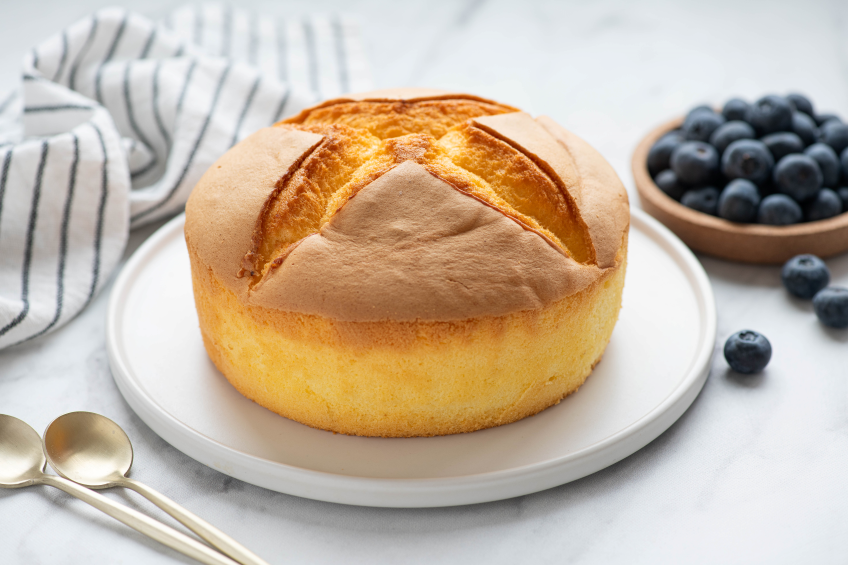

 Baking a cake in the oven is a simple process that starts with mixing basic ingredients like flour, sugar, eggs, and butter, then pouring the batter into a prepared pan and baking at the right temperature until done.
 Each ingredient in a cake recipe performs a specific job that affects texture, rise, and flavor. Flour provides structure, leavening agents create lift, fats add moisture, and eggs bind everything together.
 The right tools make baking easier and help you get better results. Having everything ready before you start saves time and prevents mistakes.
 Getting your ingredients to the right temperature and organizing your workspace before you start mixing will help your cake bake evenly and turn out light and fluffy. Cold ingredients can cause problems with mixing, while proper measuring ensures the right texture every time.
 The way you mix your cake batter affects the final texture more than most bakers realize. Different mixing methods create different crumb structures, and knowing when to stop mixing prevents dense, tough cakes.
 Properly prepared cake pans prevent sticking and create clean edges on your finished cake. The two most reliable methods are greasing and flouring your pans or using parchment paper as a barrier between the batter and the pan surface.
 Getting your oven ready the right way makes a big difference in how your cake turns out. The temperature needs to be exact, and your pan position affects how evenly everything bakes.
 Getting your cake batter into the oven correctly makes the difference between a flat, uneven cake and one that bakes up tall and level. How you fill your pans, control heat distribution, and track timing all affect your final results.
 Your cake needs proper testing before you remove it from the oven, and cooling it correctly prevents sogginess or cracking. The toothpick method confirms the center is baked through, while controlled cooling preserves texture and makes removal easier.
 A crumb coat seals in loose crumbs and creates a smooth base for your final frosting layer. This thin initial layer of frosting makes decorating easier and gives your cake a professional look.
 Vanilla cake offers a versatile base that works for any occasion, while chocolate cake recipes deliver rich flavor that satisfies most dessert lovers. Confetti cake brings color and fun to celebrations, and mastering layer cake techniques helps you create impressive desserts with professional-looking results.
 Even experienced bakers face problems with cakes that sink, dry out, or bake unevenly. Mastering a few expert cake baking tips will help you solve common issues and improve your results every time you use the oven.
 Baking a cake in the oven involves preparing the batter, using the correct temperature, and baking until the cake is fully set.


