Greasing with butter can impart a rich taste to the crust, enhancing the final product.
Additionally, a properly greased pan can ensure even heat distribution, which leads to uniform baking.
For cakes with high sugar content, greasing helps manage caramelization.
This may prevent excessive sticking while encouraging a golden crust. In recipes requiring precision, greasing can be essential for maintaining texture.
Cons of Greasing Aluminium Cake Pans
On the other hand, some bakers advocate against greasing aluminium pans.
One reason is the potential impact on the cake’s texture.
Certain cakes, especially those that rely on batter adhesion, might not rise as intended if greased.
Excess grease can also lead to a greasy or overly moist finish, detracting from the cake’s overall flavor.
Furthermore, enthusiast bakers often emphasize using bare aluminium pans for optimal browning, which helps develop a desirable crust.
Another consideration is the possibility of introducing unwanted flavors.
Oils or sprays that aren’t neutral may affect the cake’s taste.
For cakes needing a clean release, some bakers prefer alternatives such as parchment paper to control sticking without the need for grease.
Preparing Aluminium Cake Pans
Proper preparation of aluminium cake pans contributes significantly to successful baking.
This involves knowing when to grease the pan and exploring alternatives that can help prevent sticking.
When to Grease
Greasing an aluminium cake pan is often recommended when baking recipes that require a delicate structure, such as sponge cakes or cheesecakes.
The grease forms a barrier, helping to release baked goods without breaking.
For best results, apply a thin layer of butter or oil using a brush or paper towel.
This ensures even coverage.
Additionally, using flour after greasing creates a non-stick surface.
It may not be necessary to grease pans when using non-stick spray or when baking denser items, such as pound cakes.
It’s essential to always check the specific recipe for guidance regarding greasing.
Alternatives to Greasing
Bakers can use several alternatives to greasing when preparing aluminium cake pans.
One popular method includes lining the pan with parchment paper.
This provides a non-stick surface and allows for easy removal after baking.
These mats are reusable and provide a non-stick surface that works well for various baked goods.
For those who prefer a healthier approach, lightly dusting the pan with flour or cocoa powder after greasing can enhance non-stick properties without excessive fat.
Additionally, using a well-seasoned aluminium pan can improve its non-stick qualities over time, requiring less grease during preparation.
Applying Grease to Aluminium Cake Pans
Properly greasing aluminium cake pans is essential for ensuring easy release and a well-baked cake.
The choice of grease and the method of application play crucial roles in achieving the desired results.
Types of Grease
When selecting grease for aluminium cake pans, several options are available.
Butter: Offers flavor but can brown and possibly burn, so it is not always ideal.
Shortening: A popular choice, it creates a solid barrier without altering flavor, making it a reliable option.
Oil: Can work effectively, but it may leave a residue, which might affect the cake’s texture.
Different applications may require different greases.
In some cases, non-stick spray can also be useful.
It’s often formulated specifically for baking and allows for a quick and even coat.
Each type of grease may yield different characteristics in the final product.
Techniques for Greasing Evenly
To ensure even grease distribution, specific techniques should be followed.
Use a pastry brush or paper towel: This helps spread the grease uniformly across the pan’s surface.
Start from the center and work outward: This avoids clumping in any particular area.
Cover corners and edges thoroughly: Often, cakes stick at these points if not greased properly.
If using shortening or butter, softening them slightly at room temperature will help in spreading.
For non-stick spray, simply spray an even coat from a distance.
The goal is to create a thin, even layer that prevents sticking without overdoing it.
After Baking: Cleanup and Maintenance
Proper cleanup and maintenance of aluminium cake pans is essential for their longevity and performance.
Following these guidelines will help ensure that the pans remain in good condition for future baking endeavors.
Cleaning Greased Aluminium Pans
After baking, it is important to clean greased aluminium pans promptly.
Start by allowing the pan to cool down completely. This helps prevent warping and makes it safer to handle.
For cleaning, use warm soapy water and a soft sponge.
Avoid abrasive scrubbers, as they can scratch the surface.
If there are stubborn residues, soak the pan for a few minutes before scrubbing.
For stains, a paste of baking soda and water can be effective.
Rinse the pan thoroughly and dry it completely to prevent water spots.
Storing Aluminium Cake Pans
Proper storage extends the life of aluminium cake pans.
Ensure that the pans are completely dry before stacking or storing them.
This prevents moisture build-up and potential rust, even though aluminium is resistant.
It’s beneficial to store the pans nested or stacked with cloth or paper towels in between to avoid scratches.
Keeping them in a cool, dry area out of direct sunlight will help maintain their integrity.
Using airtight storage solutions can further protect against dust and contaminants.
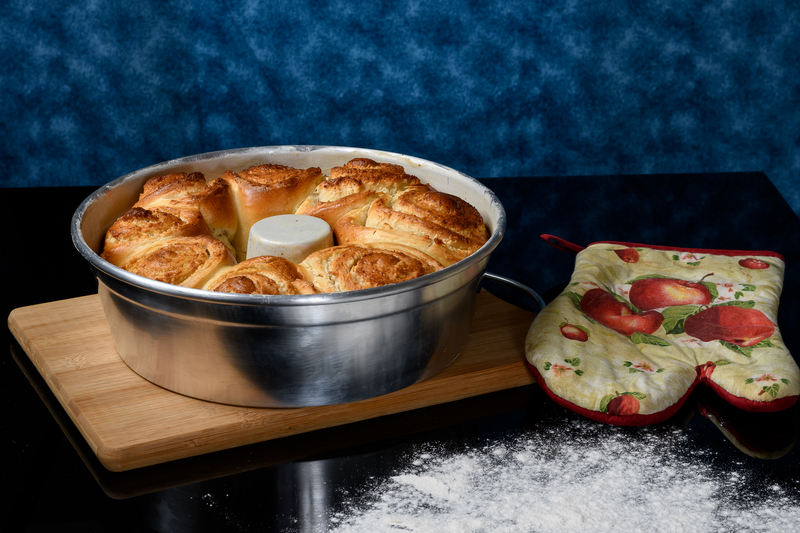


 Aluminium cake pans are popular for their unique properties that enhance baking results.
  The decision to grease aluminium cake pans is a topic of contention among bakers.
 Properly greasing aluminium cake pans is essential for ensuring easy release and a well-baked cake.
  Proper cleanup and maintenance of aluminium cake pans is essential for their longevity and performance.


