What Are the 7 Basic Ingredients in All Cookies? A Complete Guide for Home Bakers
Cookies are one of the most popular baked goods in the world, but every recipe relies on the same core components.
The seven basic ingredients in all cookies are flour, sugar, butter or fat, eggs, leavening agents, salt, and vanilla or flavorings.
These ingredients work together to create the structure, sweetness, texture, and taste that define a cookie.
Each ingredient serves a specific purpose in the baking process. Flour provides the foundation and structure. Sugar adds sweetness and affects texture. Butter creates richness and tenderness.
Eggs bind ingredients together and add moisture. Leavening agents like baking soda or baking powder help cookies rise. Salt balances flavors. Vanilla or other flavorings enhance the overall taste.
Understanding how these ingredients work will help you bake better cookies. This guide breaks down each ingredient, explains its role, and shows you how to use it effectively. You’ll learn about the science behind cookie baking and discover how small changes to these basic ingredients can create different types of cookies.
Building Blocks: The Fundamental Ingredients Behind Every Cookie
The seven basic ingredients in all cookies are flour, sugar, butter, eggs, leavening agents, salt, and vanilla extract. These components form the foundation of every basic cookie recipe, from chocolate chip to sugar cookies to oatmeal varieties.
Overview of Essential Cookie Components
Flour provides the structural framework for cookies. Sugar adds sweetness and affects texture through moisture retention. Butter contributes fat content that influences spread and richness.
Eggs bind ingredients together and add moisture. Leavening agents like baking soda or baking powder create rise. Salt balances sweetness and enhances flavor depth. Vanilla extract adds aromatic complexity.
Why Each Ingredient Matters
Flour determines cookie structure and whether you achieve crispy, chewy, or cakey results. Sugar controls both sweetness level and texture—brown sugar creates chewier cookies while granulated sugar produces crispier edges.
Butter affects how much cookies spread during baking. Eggs control moisture content and binding strength. Leavening agents determine thickness and lift. Salt prevents one-dimensional sweetness. Vanilla rounds out flavor profiles.
How Their Roles Interact During Baking
Butter melts first, allowing sugar to dissolve and cookies to spread. Eggs set as temperature rises, creating structure alongside flour proteins. Leavening agents release carbon dioxide gas that creates air pockets.
Salt slows gluten development in flour. Sugar caramelizes at high heat, producing browning and flavor depth. These interactions determine whether you produce the three main types of cookies: drop cookies, rolled cookies, or molded cookies.
Flour: The Foundation of Structure and Texture
Flour provides the structural framework in cookies by forming a gluten network when mixed with liquids. The protein content in flour determines whether cookies turn out soft, chewy, or crisp.
All-Purpose vs. Cake vs. Bread Flour
All-purpose flour contains 10-12% protein and creates a balance between chewiness and tenderness in cookies. Cake flour has 7-9% protein, which produces minimal gluten development and results in delicate, tender cookies. Bread flour contains 12-14% protein and creates a chewier, denser cookie structure.
The protein percentage directly controls gluten formation when you mix flour with wet ingredients. More protein means more gluten, which creates stronger structure and chewiness.
Gluten-Free Flour Options
Almond flour adds a nutty flavor and creates denser cookies with a slightly grainy texture. Coconut flour absorbs significant moisture and requires you to increase liquid ingredients by 25-50% compared to wheat flour. Rice flour works well in blends but produces gritty cookies when used alone.
You need to combine multiple gluten-free flours with xanthan gum or guar gum to replicate the binding properties of wheat gluten.
Protein Content and Cookie Consistency
Higher protein flour develops more gluten strands when mixed, creating chewier cookies that spread less during baking. Lower protein flour produces tender, crumbly cookies that spread more. Using too much flour makes cookies dry and crumbly, while too little creates flat, greasy cookies.
Sweetness and More: The Role of Sugar
Sugar controls cookie texture, spread rate, and browning while providing sweetness. Granulated sugar creates crisp, thin cookies, while brown sugar produces chewy, moist results with caramel notes.
Types of Sugar Used in Cookies
Granulated white sugar contains pure sucrose with a neutral pH. It produces thin, crisp cookies with even spread and light color.
Brown sugar combines white sugar with molasses, adding 3.5% moisture. Light brown sugar contains 3.5% molasses, while dark brown sugar contains 6.5% molasses. The molasses makes brown sugar acidic and hygroscopic, absorbing moisture from cookie dough.
Impact on Spread, Browning, and Texture
Sugar melts during baking and allows cookies to spread before the dough sets. Granulated sugar spreads more because it doesn’t interfere with gluten development as quickly.
Sugar caramelizes at 320°F, creating golden-brown color on cookie edges and bottoms. Brown sugar browns faster due to its molasses content and acidic pH.
Sugar Ratios and Results
A 1:1 ratio of granulated to brown sugar creates balanced cookies with moderate chewiness and spread. Using 100% granulated sugar yields thin, crispy cookies. Using 100% brown sugar produces thick, soft cookies with minimal spread. Sugar also attracts and holds moisture in dough, slowing gluten formation for tender results.
Butter and Fats: Creating Tenderness and Richness
The seven basic ingredients in all cookies include flour, fat, sugar, eggs, leavening agents, salt, and flavorings. Fat creates tenderness by coating flour particles and preventing gluten strands from developing. Butter provides rich flavor, shortening creates crispness, and oils produce moist texture.
Butter vs. Shortening in Cookies
Butter contains about 80% fat and 20% water, which creates steam during baking. This steam helps cookies spread and develop a chewy texture with crisp edges. The milk solids in butter brown during baking, producing a nutty, caramelized flavor.
Shortening is 100% fat with no water content. Your cookies will hold their shape better and develop a uniform, tender crumb when you use shortening. Cookies made with shortening spread less and maintain a paler color because shortening lacks the milk solids that promote browning.
How Fat Influences Texture
Fat coats flour proteins and blocks water from reaching them. This prevents long gluten strands from forming, which keeps your cookies tender rather than tough. The melting point of fat determines how much your cookies spread. Butter melts at a lower temperature than shortening, causing cookies to spread more before they set in the oven.
Alternatives for Dairy-Free Baking
Coconut oil works as a butter replacement at a 1:1 ratio. Your cookies will have a subtle coconut flavor and a texture similar to butter-based cookies. Vegetable oils create very soft, moist cookies but produce more spread during baking. Vegan butter substitutes contain similar fat and water ratios to dairy butter, making them reliable replacements in most recipes.
Eggs: Binding, Moisture, and Lift
Eggs serve three primary functions in cookie dough: binding ingredients together, adding moisture, and contributing to rise. The proteins in eggs create structure, while the water content provides hydration and the lecithin in yolks acts as an emulsifier.
Eggs’ Functions in Baking
Eggs bind cookie ingredients into a cohesive dough through protein coagulation when heated. The proteins set during baking and hold the cookie’s final shape. Eggs add moisture through their 75% water content, affecting texture and chewiness. The fat in egg yolks contributes to tenderness and richness in your cookies.
Whole Eggs, Yolks, and Whites
Egg whites create crisp, lighter cookies with more lift because they contain only protein and water. Egg yolks produce chewy, dense cookies with a fudgy texture due to their fat and emulsifiers.
Whole eggs balance both properties for standard cookie texture. Using extra yolks makes cookies more brownie-like. Adding extra whites results in cakier, puffier cookies.
Common Egg Substitutes
Flax eggs (1 tablespoon ground flaxseed + 3 tablespoons water) provide binding but reduce rise. Applesauce adds moisture but creates softer, cake-like cookies.
Commercial egg replacers work for binding but lack the fat and richness of real eggs. These substitutes change texture and spread, so you should expect different results than traditional egg-based recipes.
Leavening Agents: Baking Soda and Baking Powder Explained
Leavening agents create the gas bubbles that make cookies rise and achieve their texture. Baking soda requires an acid to activate, while baking powder contains both acid and base.
How Leavening Agents Work
Baking soda is sodium bicarbonate, a base that produces carbon dioxide when it meets an acid like brown sugar, molasses, or buttermilk. You need ¼ teaspoon of baking soda per cup of flour as a starting point.
Baking powder contains baking soda plus an acid (usually cream of tartar) and cornstarch. Most baking powders are double-acting: they release gas when liquid is added and again when heated. Use 1 teaspoon of baking powder per cup of flour.
Choosing the Right Agent for Your Cookies
Use baking soda when your recipe contains acidic ingredients like brown sugar, honey, or chocolate. Use baking powder in recipes with no natural acids, like sugar cookies made with only white sugar and butter. Some recipes use both agents to balance acidity and provide enough lift for the flour amount.
Troubleshooting Flat or Dense Cookies
Flat cookies result from too little leavening agent or expired products that have lost potency. Dense cookies occur when you undermix the dough, preventing proper gas distribution. Check expiration dates on your leavening agents every six months. Old baking powder fails the bubble test: stir 1 teaspoon into hot water and watch for immediate fizzing.
The Role of Salt: Balancing Flavors in Cookies
Salt balances sweetness, strengthens dough structure, and enhances browning in cookies. It interacts with your taste buds to reduce excessive sweetness and amplify flavors from chocolate, butter, and vanilla.
Why Salt is Essential
Salt prevents cookies from tasting one-dimensional or overly sweet. When you add salt to cookie dough, it activates taste receptors that suppress bitter notes and enhance sweetness perception.
Most cookie recipes use ¼ to ½ teaspoon of salt per cup of flour. Without salt, your cookies will taste flat and lack depth. Professional bakers measure salt at 1-1.5% of flour weight for consistent results.
Types of Salt Used in Baking
Table salt dissolves quickly and distributes evenly in cookie dough due to its fine crystals. Kosher salt features coarser crystals that work well when sprinkled on top before baking. Sea salt contains trace minerals that add subtle flavor complexity.
You can use any variety in your dough, but flaky sea salt works best as a finishing touch. If you use salted butter, reduce added salt by ⅛ teaspoon per stick to avoid over-salting.
Salt’s Influence on Sweetness and Texture
Salt strengthens gluten networks in your cookie dough, creating firmer structure and reducing stickiness. It also promotes the Maillard reaction, which produces golden-brown color and deeper flavors during baking.
Your cookies retain moisture better with salt, staying soft longer instead of becoming dry. Salt helps control spread during baking by tightening the dough structure.
Vanilla and Flavorings: Elevating Simple Doughs
Vanilla extract and other flavorings add depth to cookies beyond what flour, sugar, butter, eggs, leavening agents, and salt provide alone. You can transform basic dough into distinct varieties using extracts, spices, and mix-ins.
Common Cookie Flavor Boosters
Vanilla extract ranks as the most widely used cookie flavoring. You need 1-2 teaspoons per standard batch to enhance sweetness without adding sugar.
Almond extract provides a nutty profile at half the amount of vanilla. Peppermint extract works well in chocolate cookies at 1/4 teaspoon per batch. Cinnamon adds warmth at 1-2 teaspoons per recipe. Cocoa powder creates chocolate cookies when you substitute 1/4 cup for an equal amount of flour.
How and When to Add Flavorings
You should add liquid extracts when you cream butter and sugar together. This timing distributes flavor evenly throughout the dough. Mix vanilla, almond, or other liquid extracts directly into wet ingredients before adding dry ones.
Add spices like cinnamon or nutmeg with your dry ingredients. Sift them with flour to prevent clumping. Fold chocolate chips, nuts, or dried fruit into dough after you combine wet and dry ingredients. This prevents overmixing and maintains texture.
Building on the Basics: Three Main Types of Cookies and Recipe Variations
The seven basic ingredients in all cookies are flour, sugar, butter, eggs, leavening agents, salt, and vanilla extract. Once you understand these core components, you can create any cookie variation by adjusting techniques and ratios.
Drop Cookies, Rolled Cookies, and Bar Cookies
Drop cookies use a softer dough that you scoop and place directly onto baking sheets. Chocolate chip cookies and oatmeal cookies are classic drop cookie examples. The dough spreads during baking to create the final shape.
Rolled cookies require a firmer dough that you roll flat and cut into shapes with cookie cutters. Sugar cookies and gingerbread cookies fall into this category. You need more flour to prevent sticking during the rolling process.
Bar cookies bake in a single pan and get cut into squares or rectangles after cooling. Brownies and lemon bars are popular bar cookies. This method saves time because you skip individual portioning.
How Ingredient Ratios Influence Outcome
The ratio of flour to fat determines cookie texture. More butter creates a tender, crumbly cookie. More flour produces a drier, crisper result.
Brown sugar contains molasses, which adds moisture and creates chewier cookies. Granulated sugar makes cookies spread more and develop crispy edges. A 50-50 mix of both sugars balances chewiness and crispness.
Baking soda makes cookies spread flat and brown faster. Baking powder creates a puffier, cake-like texture. Using both gives you moderate spread with slight lift.
Adapting the Basic Recipe for New Flavors
You can swap vanilla extract for almond, peppermint, or maple extract to change flavor profiles. Each extract requires the same measurement as vanilla.
Add-ins like chocolate chips, nuts, dried fruit, or coconut should replace no more than 2 cups per standard batch. Mix-ins affect texture by interrupting gluten formation.
Replace up to half the all-purpose flour with cocoa powder, whole wheat flour, or almond flour. You may need to add 1-2 tablespoons of liquid to maintain proper dough consistency.
FAQ: What Are the 7 Basic Ingredients in All Cookies?
Cookies may come in many varieties, but most recipes are built around the same core ingredients. Each ingredient plays a specific role in texture, flavor, and structure.
What Are the 7 Basic Ingredients in All Cookies?
The seven basic cookie ingredients are:
Flour
Sugar
Butter or fat
Eggs
Leavening agents
Salt
Flavorings
These ingredients form the foundation of most traditional cookie recipes.
Why Is Flour Important in Cookies?
Flour provides structure and stability, helping cookies hold their shape during baking.
What Does Sugar Do in Cookie Dough?
Sugar adds sweetness while also affecting:
Texture
Moisture retention
Browning and crispness
Why Is Butter Used in Cookies?
Butter contributes flavor, tenderness, and richness. It also affects how much cookies spread during baking.
What Role Do Eggs Play in Cookies?
Eggs help bind ingredients together and add moisture and structure to the dough.
What Are Leavening Agents in Cookies?
Leavening agents such as baking soda or baking powder help cookies rise slightly and influence texture.
Why Is Salt Added to Cookies?
Salt balances sweetness and enhances the overall flavor of the cookies.
What Are Common Flavorings in Cookies?
Popular flavorings include:
Vanilla extract
Chocolate
Cinnamon
Nuts or dried fruit
Can Cookies Be Made Without Eggs or Butter?
Yes, substitutions can be used, but they may change the texture, flavor, and consistency of the final cookies.
Why Are Ingredient Ratios Important in Cookies?
The balance of ingredients affects whether cookies turn out chewy, soft, crisp, thick, or thin.
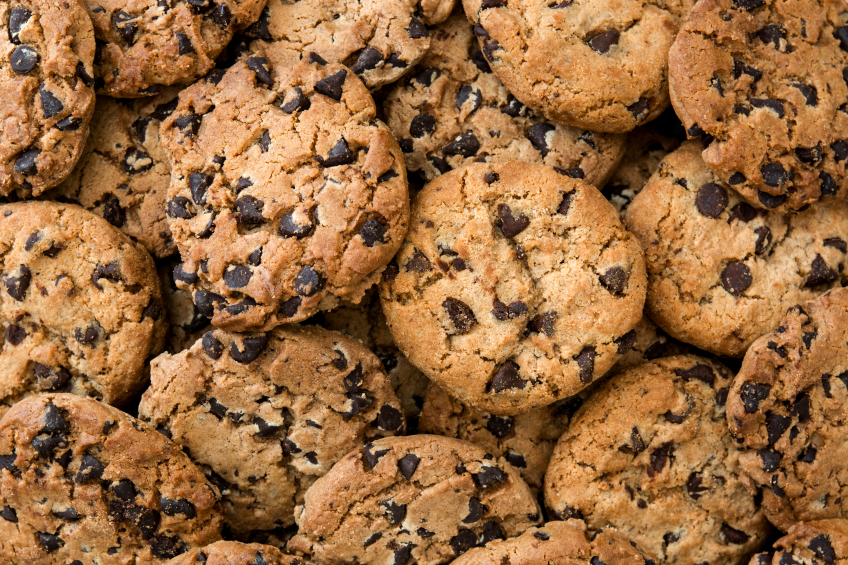

 Cookies are one of the most popular baked goods in the world, but every recipe relies on the same core components.
 The seven basic ingredients in all cookies are flour, sugar, butter, eggs, leavening agents, salt, and vanilla extract. These components form the foundation of every basic cookie recipe, from chocolate chip to sugar cookies to oatmeal varieties.
 Flour provides the structural framework in cookies by forming a gluten network when mixed with liquids. The protein content in flour determines whether cookies turn out soft, chewy, or crisp.
 Sugar controls cookie texture, spread rate, and browning while providing sweetness. Granulated sugar creates crisp, thin cookies, while brown sugar produces chewy, moist results with caramel notes.
 The seven basic ingredients in all cookies include flour, fat, sugar, eggs, leavening agents, salt, and flavorings. Fat creates tenderness by coating flour particles and preventing gluten strands from developing. Butter provides rich flavor, shortening creates crispness, and oils produce moist texture.
 Eggs serve three primary functions in cookie dough: binding ingredients together, adding moisture, and contributing to rise. The proteins in eggs create structure, while the water content provides hydration and the lecithin in yolks acts as an emulsifier.
 Leavening agents create the gas bubbles that make cookies rise and achieve their texture. Baking soda requires an acid to activate, while baking powder contains both acid and base.
 Salt balances sweetness, strengthens dough structure, and enhances browning in cookies. It interacts with your taste buds to reduce excessive sweetness and amplify flavors from chocolate, butter, and vanilla.
 Vanilla extract and other flavorings add depth to cookies beyond what flour, sugar, butter, eggs, leavening agents, and salt provide alone. You can transform basic dough into distinct varieties using extracts, spices, and mix-ins.
 The seven basic ingredients in all cookies are flour, sugar, butter, eggs, leavening agents, salt, and vanilla extract. Once you understand these core components, you can create any cookie variation by adjusting techniques and ratios.
 Cookies may come in many varieties, but most recipes are built around the same core ingredients. Each ingredient plays a specific role in texture, flavor, and structure.


