What Happens If You Don’t Add Salt to Cookies? Effects and Fixes
You forgot the salt in your cookies, and now you are wondering if the batch is ruined. Skipping salt will not stop your cookies from baking, but it can make them taste flat or overly sweet. It may also subtly affect their texture and appearance.
Salt does more than add flavor. The role of salt in baking is to balance sweetness and bring out other flavors. In cookie dough, it can also have a subtle effect on gluten development and spread. Without it, your cookies might taste dull or overly sweet, though their texture may be similar to that of cookies made with salt.
If you already baked a batch without salt, you are not out of options. You can improve the flavor after baking, and take simple steps next time to make sure you do not forget this small but important ingredient.
How Cookies Turn Out Without Salt
Baking cookies without salt most noticeably changes their overall flavor profile. Any effects on spread, browning, and texture are usually subtle and depend on the recipe and other ingredients.
The Most Noticeable Change: Flat or Overly Sweet Flavor
If you forgot salt in your cookies, the first thing you’ll notice is a change in taste. Salt balances sweetness, so without it, your cookies may taste one-note and overly sweet.
You may also notice that flavors like chocolate, vanilla, or citrus zest seem muted. Salt helps bring out these flavors, so leaving it out can make them seem less pronounced.
Your cookies won’t taste “bad” exactly. They’ll just taste flat and less complex, like something is missing even if you can’t name it right away. This is one reason salt enhances and balances sweetness in baked goods. It works with other ingredients, not just on its own.
Will the Texture, Spread, or Browning Change?
Texture and appearance may shift slightly when you omit salt, but the effect is usually small in cookies. Salt can strengthen gluten, though cookie dough typically contains enough fat and sugar to limit gluten development. Without salt, your cookies are not necessarily softer or more cake-like.
Spread can also vary, but omitting salt alone is unlikely to cause a major change. Ingredients such as baking powder and baking soda have a far greater effect on rise and spread than salt does.
Surface browning relies on the Maillard reaction between amino acids and reducing sugars, along with the caramelization of sugars under heat. An alkaline ingredient like baking soda can speed up the Maillard reaction and promote deeper caramelization, whereas salt plays only a minor role in surface color.
Because salt does not reliably control these reactions, cookies without it do not necessarily brown faster. Browning depends more on oven temperature, bake time, and leavening balance.
Factor
With Salt
Without Salt
Texture
Depends on the recipe
Usually similar
Spread
Depends on the recipe
Usually similar
Browning
Depends on the recipe and oven
Usually similar
These changes happen because salt affects both flavor and the chemistry of baking, though its structural effects in cookies are generally subtle.
Are Salt-Free Cookies Still Good to Eat?
Eating cookies without salt is completely safe. They just won’t have the same depth of flavor as a batch made with salt. You can still enjoy them, especially if you’re watching your sodium intake. But don’t expect the same balance between sweet and savory notes.
Texture is unlikely to change significantly from omitting salt alone. If you prefer a chewy cookie, its texture will depend more on the recipe and baking method than on whether you added salt.
Shelf life is another factor, but salt in a typical cookie recipe is not a reliable preservative. Cookies without added salt are not necessarily more likely to go stale faster; storage and moisture have a greater effect.
Which Recipes Make the Omission More Noticeable?
Some cookie recipes make a missing ingredient more noticeable than others. Simple recipes with few ingredients, like sugar cookies or shortbread, may show the absence of salt more clearly because there are fewer flavors to balance it.
Recipes with rich or sweet mix-ins, like chocolate chip or peanut butter cookies, may hide the change a bit better. Still, you may notice less depth in the chocolate or nutty flavors.
If you forgot to add salt to cookies in a recipe that already uses salted butter, the impact may be smaller. Salted butter adds some sodium, softening the difference.
Recipes that use unsalted butter and no other salty ingredients will show the biggest change in taste.
How to Fix Cookies When You Forgot the Salt
The right fix depends on how far along your dough is. Catching the mistake early gives you the best options, but there are still ways to improve the flavor of fully baked cookies.
If the Dough Is Still in the Bowl
This is the easiest stage to fix a mistake. If you forgot to add salt to cookie dough, you can mix it in now.
Use fine sea salt or table salt so it blends in easily. Add it a little at a time, and mix well after each addition. This helps distribute the salt evenly instead of leaving salty spots in some bites.
Start with half the amount your recipe calls for. Taste a small bit of dough only if it does not contain raw flour or eggs; otherwise, bake a small test cookie before adding more salt. Mixing salt in now helps distribute the flavor, though other ingredients and mixing have a greater effect on the cookies’ texture and spread.
If the Cookies Are Shaped but Not Baked
You can’t easily mix salt into dough once it’s shaped into balls or flattened onto a tray. Instead, sprinkle a small pinch of flaky sea salt on top of each cookie before baking.
This won’t fix the flavor inside the cookie, but it adds a salty bite on the outside. It’s a common trick used for chocolate chip cookies and other rich, buttery cookies.
Press the salt down gently so it sticks to the dough. Use a light hand, since too much salt on top can taste harsh. This method works best if you forgot salt in cookies that already have strong flavors, like chocolate or caramel, to help balance them out.
If the Cookies Are Already Baked
Once cookies are fully baked, you can’t change their texture or structure. But you can still improve the flavor.
Try one of these simple fixes:
Sprinkle flaky salt on top while the cookies are still warm, so it sticks to the surface.
Serve with a salty pairing, like a glass of milk or a scoop of salted caramel ice cream.
Crumble the cookies into a dessert like a trifle or parfait, then add a pinch of salt to the other layers.
These steps won’t fully fix the flavor imbalance, but they can help balance the sweetness. Save this batch as a lesson for next time, and double-check your ingredient list before mixing dough again.
Why Salt Matters in Cookie Dough
Salt does more than season your dough. It sharpens flavor and can have a small effect on the dough’s protein network, which helps explain why salt matters in cookie baking.
How Salt Balances Sweetness and Brings Out Other Flavors
Salt balances sugar’s sweetness so your cookies don’t taste flat or one-note. Without it, your dough can taste overly sugary with little depth.
Salt can also balance bitter flavors. Ingredients like cocoa powder, dark chocolate, and certain flours can taste sharp or bitter on their own. A small amount of salt helps balance these flavors and lets the others come through clearly.
This is part of the purpose of salt in baking cookies: it highlights the role of salt in baking by making complex flavors stand out. It helps accentuate the savory, toasted notes created by the Maillard reaction on the crust.
Vanilla tastes more pronounced, and butter tastes richer. Even brown sugar‘s caramelization notes come through better with salt in the mix, giving the cookie a well-rounded finish.
Why Its Effect on Structure Is Usually Subtle
You may have heard that salt strengthens gluten, the protein network in flour that gives baked goods their shape. In bread dough, salt slows yeast growth and helps regulate fermentation, but this effect is absent in cookie dough. The structural influence of salt on cookies is usually small.
Salt can help gluten strands hold together more tightly, but cookie dough’s high fat and sugar content limits gluten development. Any effect on spread during baking is usually subtle and depends on the recipe.
Instead, leaveners like baking soda and baking powder dictate how much the dough puffs or flattens. The broader role of salt in baking cookies remains centered on flavor modulation rather than structural support.
Most home bakers won’t notice a major texture shift from salt alone. Other factors, like butter temperature, flour type, and mixing time, have a bigger impact on how your cookies turn out.
Choosing and Measuring Salt for Cookies
The right amount and type of salt depends on your recipe, your other ingredients, and how you want the finished cookie to taste. Getting these details right helps you avoid cookies that taste flat or too salty.
Follow the Recipe’s Amount and Salt Type
Recipes are written for a specific type of salt, usually table salt or fine sea salt. Using a different type without adjusting the amount can throw off the flavor of the whole batch.
A general guideline is 0.8% to 1.5% of the flour weight. For 500 grams of flour, that works out to about 4 to 7 grams of salt.
Table salt is fine and dense, so a teaspoon contains more salt by weight than a teaspoon of most kosher salts. If your recipe calls for kosher salt and you only have table salt, use less than the recipe specifies.
When possible, measure salt by weight instead of volume. This reduces guesswork caused by differences in salt texture and crystal size.
Account for Salted Butter and Other Salty Ingredients
Many recipes are written for unsalted butter. If you use salted butter instead, you’re adding sodium that the recipe may not account for.
This can noticeably change the flavor balance of a batch of cookies, depending on the butter and recipe.
Other ingredients can also contribute sodium. For instance, baking soda consists of pure sodium bicarbonate, and certain brands of baking powder contain sodium compounds.
Be sure to check labels for sodium content in other common ingredients:
Leaveners like baking soda or sodium-based baking powder
Peanut butter or other nut butters
Pretzels, chips, or salted nuts mixed into the dough
Certain chocolate chips or caramel bits
If you’re using several salty add-ins, consider reducing the added salt slightly. This helps keep the final flavor balanced rather than sharp or overpowering.
When to Use Fine Salt or Flaky Finishing Salt
Fine salt, such as table salt or fine sea salt, works best mixed directly into the dough. It dissolves evenly and distributes its flavor throughout the cookie.
Flaky finishing salt is different. It’s meant to be added on top of the dough just before or after baking, not mixed in.
Because flaky salt doesn’t dissolve completely, it creates small bursts of saltiness in certain bites rather than an even flavor throughout. This works well with chocolate-heavy, caramel-based, or brown butter cookies.
Use a light hand with flaky salt. A few flakes per cookie are usually enough. Adding too much can make the topping taste harsh rather than balanced.
When You Want to Reduce or Omit Salt
Some diets require you to reduce sodium. When baking without salt, you can still get good results if you know what to expect and how to compensate for the missing flavor.
How to Adjust Flavor Expectations
When you leave out salt, your cookies will taste different. They may seem flat or one-note, since salt helps sweetness and other flavors stand out.
Your cookies might also look and feel slightly different. Understanding the role of salt in baking helps explain why: salt sharpens the flavors created during caramelization and baking. Without it, the rich crust may taste less distinct.
The texture may change too, since salt can affect cookie dough structure by strengthening proteins in flour, though leavening agents like baking powder still govern overall rise.
Expect these changes when you leave out salt. Don’t expect the same result as a fully salted recipe. Instead, aim for a cookie that is simply a little milder in taste.
Ways to Add Flavor Without Adding More Salt
You can boost flavor without adding more salt in several ways.
Use vanilla extract. A little extra vanilla can add depth and warmth to cookie dough.
Add spices. Cinnamon, nutmeg, or cardamom can bring extra flavor to plain dough.
Try citrus zest. Lemon or orange zest adds a bright, fresh taste.
Use salt substitutes. Some salt substitutes can reduce sodium while preserving some flavor balance, though they may slightly change the taste or texture.
Add mix-ins. Chocolate chips, nuts, or dried fruit add flavor and can make the missing saltiness less noticeable.
Try a small batch first to see how each option changes the taste before making a full batch.
What Happens If You Don’t Add Salt to Cookies? What the Experts Say
If you leave salt out of cookies, the cookies will usually still bake, but the finished flavor can be noticeably flatter and less balanced. Salt is not simply there to make cookies taste salty; it helps bring out the flavors of ingredients such as butter, sugar, chocolate, nuts, and vanilla.
King Arthur Baking explains that the type and amount of salt used in baking can affect the flavor of baked goods, while its cookie guidance notes that salt helps bring out the other flavors in a cookie. FDA guidance also identifies sodium as an ingredient used in baking and for enhancing the flavor of other ingredients.
For most standard cookie recipes, leaving out a small amount of salt is unlikely to prevent the cookies from baking properly. The main difference is usually taste rather than appearance or food safety. Depending on the recipe, the cookies may taste noticeably sweeter, less complex, or somewhat bland because there is no salt to balance the sweetness.
Salt also does not necessarily need to make a cookie taste salty to have an effect. King Arthur Baking recommends table salt in its recipes because its smaller crystals disperse more evenly throughout dough, helping provide consistent seasoning. This is particularly relevant in cookies where a relatively small amount of salt is distributed throughout a batch.
If you accidentally forgot the salt, there is generally no reason to throw the dough away. The cookies can still be baked, although they may not have the same balanced flavor intended by the recipe. If the dough has not yet been baked, the salt can usually be mixed in according to the original recipe amount, taking into account any salt already present in ingredients such as salted butter or chocolate.
FAQ: What Happens If You Don’t Add Salt to Cookies?
If you leave salt out of cookies, the biggest difference is usually flavor. Cookies may taste noticeably sweeter or flatter because salt helps balance sweetness and enhance other flavors, such as butter, chocolate, and vanilla.
Will Cookies Taste Bad Without Salt?
Not necessarily. Cookies can still bake properly without added salt, but they may taste less balanced and less flavorful, particularly when the recipe contains a lot of sugar.
Does Salt Make Cookies Rise?
Salt is not a primary leavening ingredient, so leaving it out will not normally prevent cookies from rising. Ingredients such as baking soda or baking powder are responsible for most of the chemical leavening.
Can You Leave Salt Out of a Cookie Recipe?
Yes, but the result may taste different from the intended recipe. If you accidentally forget the salt, the cookies are generally still usable, although they may lack some of the flavor contrast that salt provides.
Can You Add Salt After Baking Cookies?
You can add a small amount of finishing salt to freshly baked cookies, particularly chocolate chip or caramel cookies. However, it will not distribute through the dough in the same way as salt mixed into the recipe.
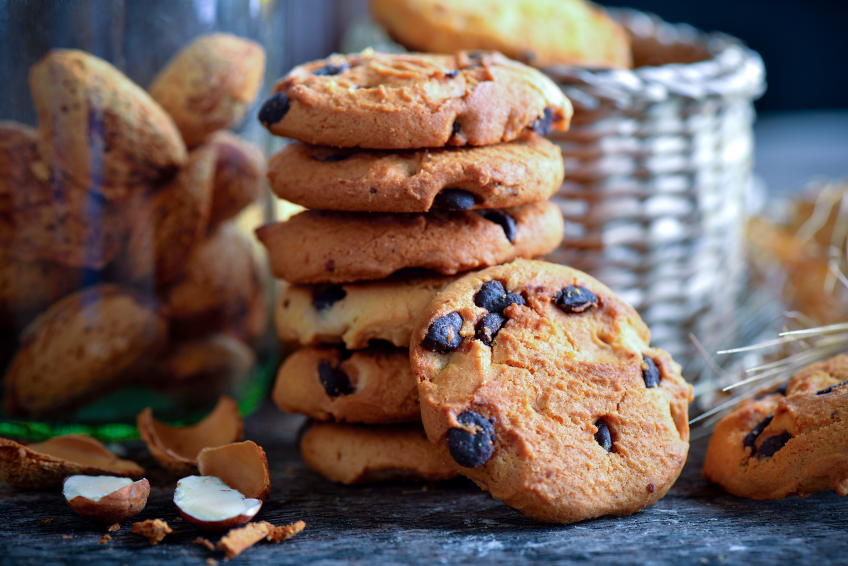


 Baking cookies without salt most noticeably changes their overall flavor profile. Any effects on spread, browning, and texture are usually subtle and depend on the recipe and other ingredients.
 The right fix depends on how far along your dough is. Catching the mistake early gives you the best options, but there are still ways to improve the flavor of fully baked cookies.
 Salt does more than season your dough. It sharpens flavor and can have a small effect on the dough’s protein network, which helps explain why salt matters in cookie baking.
 The right amount and type of salt depends on your recipe, your other ingredients, and how you want the finished cookie to taste. Getting these details right helps you avoid cookies that taste flat or too salty.
 Some diets require you to reduce sodium. When baking without salt, you can still get good results if you know what to expect and how to compensate for the missing flavor.
 If you leave salt out of cookies, the cookies will usually still bake, but the finished flavor can be noticeably flatter and less balanced. Salt is not simply there to make cookies taste salty; it helps bring out the flavors of ingredients such as butter, sugar, chocolate, nuts, and vanilla.
 If you leave salt out of cookies, the biggest difference is usually flavor. Cookies may taste noticeably sweeter or flatter because salt helps balance sweetness and enhance other flavors, such as butter, chocolate, and vanilla.


