What Does Baking Powder Do for Muffins? Understanding Its Role in Texture and Leavening
Have you ever wondered why some muffins puff up high while others stay flat? As with most quick breads, the answer often comes down to one small ingredient.
Baking powder makes muffins rise by releasing gas bubbles that expand the batter as it bakes. This process creates light and fluffy muffins instead of dense muffins with a heavy crumb. Without enough baking powder, muffins may turn out flat and lack the airy texture you expect.
Baking powder also affects how muffins bake, brown, and hold their shape. Once you understand how this ingredient works, you can adjust recipes with confidence and avoid common mistakes that affect texture.
How Baking Powder Makes Muffins Rise
Baking powder is a leavening agent in many muffin recipes. Like other chemical leaveners, it relies on chemical leavening through a chemical reaction that produces gas, which expands the batter as it bakes.
Understanding chemical leavening allows home bakers to control muffin texture and avoid sunken tops. It is essential across all tender baked goods that depend on quick lift in the oven.
Carbon Dioxide Bubbles and Oven Spring
The function of baking powder in muffins comes down to chemistry. It contains a base, usually sodium bicarbonate (or potassium bicarbonate in sodium-free baking powders), and one or more acid salts. When mixed with liquid, an acid-base reaction occurs and releases carbon dioxide gas.
This acid-base reaction must occur at the proper rate so gas does not escape before the crumb sets. The gas forms tiny carbon dioxide bubbles throughout the batter. As the muffins bake, heat causes the bubbles to expand.
This expansion is called oven spring. It happens during the early part of baking, producing an airy texture and helping muffins puff up to form beautifully rounded muffin tops.
Without enough gas production at the right time, muffins may turn out flat or dense. The bubbles need to form and expand while the batter’s structure sets from the heat.
Why Double-Acting Baking Powder Provides Two Stages of Lift
Most baking powder sold in stores is double-acting. It releases gas in two stages, helping muffins rise during mixing and baking.
The first reaction begins when dry monocalcium phosphate dissolves in liquid. Because monocalcium phosphate dissolves in cool liquid, this initial burst creates early aeration.
This is why baking powder is a chemical leavening agent that starts working when you combine wet and dry ingredients.
The second chemical reaction occurs when oven heat triggers an acid such as sodium aluminum sulfate. Traditional commercial powders rely on sodium aluminum sulfate because it releases gas only after the batter warms up, helping muffins rise further and hold their dome.
In contrast, single-acting baking powder reacts completely when hydrated. When using single-acting baking powder, the baker must work quickly before gas escapes the muffin batter.
The favorable reaction kinetics of double-acting powders allow gas release to align with oven heating.
Popular brands like Rumford and Bob’s Red Mill offer aluminum-free double-acting formulas that provide a clean taste and reliable lift. Using a trusted aluminum-free brand such as Rumford ensures muffins rise with a clean flavor and without any metallic aftertaste.
This two-stage process gives you some flexibility. You don’t have to rush the batter into the oven immediately after mixing, although it’s best not to leave it standing for too long.
The Effect on Height and Crumb
Baking powder affects both how tall muffins rise and overall muffin texture. The gas it releases helps shape the muffin’s internal structure as the batter heats and sets.
How Gas Bubbles Create a Tender Crumb
When baking powder mixes with liquid, it releases carbon dioxide gas, forming tiny bubbles throughout the batter. As the muffins bake, expanding carbon dioxide bubbles push against the batter to create small air pockets. In this way, baking powder builds the internal crumb structure that gives muffins a light, soft texture.
Preventing overmixing also protects these delicate gas cells. When bakers avoid overmixing, the crumb retains its open, tender quality without forming dense tunnels.
Without enough bubbles, muffins can turn out dense and heavy. Too many weaken the crumb structure, which can lead to a coarse texture or cause the muffins to collapse. The right amount of baking powder helps create a soft crumb that still holds together when sliced.
Why the Batter Must Set to Hold Its Rise
Gas bubbles alone don’t keep a muffin tall. The batter needs to set before the bubbles escape or collapse.
As the muffin heats, proteins in the flour and eggs firm up, while starches absorb moisture and thicken. The gas bubbles expand against the developing gluten network, and this setting process traps them in place.
If the batter sets too quickly, the muffin may be short and tight. If it sets too slowly, gas can escape before the structure firms up, leaving a flat top. The timing matters: baking powder produces gas while the batter’s ingredients set, helping create a tall dome and an even crumb.
Baking Powder vs. Baking Soda
Baking powder and baking soda are distinct chemical leaveners, and knowing the difference helps explain what makes muffins rise. While both chemical leaveners generate lift, baking soda needs an acid to produce carbon dioxide, while baking powder contains its own acid.
Why Baking Soda Needs an Acidic Ingredient
Baking soda is sodium bicarbonate. It needs an acidic ingredient in the batter to produce carbon dioxide.
Common acidic ingredients include buttermilk, yogurt, sour cream, honey, molasses, brown sugar, and lemon juice. When baking soda meets an acid in a wet batter, an immediate acid-base reaction creates carbon dioxide gas, which helps the batter rise.
This is what baking soda does in muffins: it reacts quickly. For the best rise, bake the batter soon after mixing. If you wait too long, some gas may escape before the muffins reach the oven.
Without enough acid in the recipe, baking soda can leave a bitter or soapy taste.
When Baking Powder Is the Better Choice
Baking powder contains baking soda, an acid, and usually cornstarch to keep the ingredients dry. The cornstarch acts as a buffer and moisture barrier to prevent premature reactions during storage.
Because it contains its own acid, baking powder doesn’t depend on other acidic ingredients in the recipe. Moisture starts the reaction, and oven heat triggers an additional reaction in double-acting baking powder, which is the type most commonly sold in stores. It reacts once when wet and again when heated.
When choosing between baking powder or baking soda for muffins, baking powder can be a reliable option if the recipe doesn’t contain enough acid to balance baking soda. It provides lift without relying on an acidic ingredient.
Double-acting baking powder also allows some flexibility in timing. You can mix your batter and let it rest briefly before baking, though a long wait can reduce its leavening effect.
Baking soda raises the batter pH, which accelerates the Maillard reaction and speeds up browning. It may give muffins a deeper color and a more caramelized flavor. Too much baking soda can create a metallic or bitter taste, so measure it carefully.
Baking powder has a milder effect on batter pH. Maintaining the correct pH balance ensures the muffins bake evenly without developing an off-flavor or excessive browning.
A balanced Maillard reaction creates appealing browning and aroma on the crust without causing burnt edges. Surface browning is also enhanced when batter contains butter, as dairy solids in melted butter caramelize alongside natural sugars.
When deciding whether to use baking soda or baking powder in muffins, consider the recipe’s acid content and the result you want. Many recipes use both to balance flavor, color, and texture.
Why Some Recipes Use Both Leaveners
Muffin recipes sometimes call for both baking soda and baking powder because each serves a different purpose. Baking soda reacts with acid in the batter, while baking powder provides additional lift.
Balancing Acidity With Baking Soda
Baking soda needs acid to react. When it’s mixed with buttermilk, yogurt, brown sugar, or citrus juice, it releases carbon dioxide gas. The gas forms bubbles that help muffins rise.
Use only enough baking soda to balance the acid in the recipe. Too much can make muffins taste bitter or soapy. This reaction also affects flavor and color. Baking soda can help muffins brown and, when paired with acidic ingredients, balance their flavor.
For example, dense gingerbread muffins rely on baking soda to temper sharp molasses acidity. In gingerbread muffins, pairing soda with baking powder gives the heavy batter enough lift to achieve high, rounded tops.
If a recipe contains acid but not enough baking soda to provide all the lift needed, baking powder can help.
Adding Lift With Baking Powder
Baking powder contains its own acid, so it doesn’t need other acidic ingredients to leaven the batter. It’s useful when the batter needs more lift than baking soda alone can provide.
Many bakers ask whether muffins need baking soda and baking powder. The answer depends on the recipe. If the batter contains only a small amount of acid, baking soda may balance some of it without providing enough lift.
Adding baking powder supplies the extra leavening power required for an airy texture without needing extra acid. Using both leaveners can also help preserve the flavor of muffins. If you rely only on baking soda, it may neutralize too much of the acid and reduce the tangy flavor, as in a buttermilk muffin. Baking powder can provide additional lift while retaining that flavor, helping create a good rise.
How Much Baking Powder to Use
Using the right amount can make the difference between a fluffy muffin and one that is flat or bitter. A basic ratio can provide a starting point, but follow the specific recipe for the best results.
A Starting Guideline per Cup of Flour
A common guideline for muffins is about 1 teaspoon of baking powder per cup of flour. This ratio works well for many standard muffin recipes and provides a useful baseline when exact measurements aren’t available.
Too little baking powder can leave muffins dense and flat. Too much can create a bitter taste and a chewy texture instead of a tender crumb.
Here is a quick reference:
Flour Amount
Baking Powder
1 cup
1 teaspoon
2 cups
2 teaspoons
3 cups
1 tablespoon
This guideline works for basic recipes, but muffins with heavier add-ins, such as fruit or nuts, may need slight adjustments for a consistent rise.
Why the Recipe Matters More Than a Fixed Ratio
A fixed ratio is only a starting point. The exact amount of baking powder for muffins depends on the other ingredients in the recipe, including acidic ingredients such as buttermilk, yogurt, or citrus juice.
These acids can react with baking soda if it’s also present, affecting the leavening balance. Recipes that use both baking soda and baking powder need a different balance than those that use baking powder alone. Batter thickness also plays a role. Thicker batters with more mix-ins may need a different leavening balance to rise evenly.
Elevation is another consideration. In high-altitude baking, lower air pressure allows gas bubbles to expand faster, meaning you may need slightly less leavener. Bakers adjusting for high-altitude baking often increase oven heat slightly to set the muffin structure before gas pockets burst.
Because these variables affect the result, follow your recipe’s specific measurements rather than relying only on a general ratio. A baking powder for muffins calculator can help estimate the amount based on the flour and other ingredients in your recipe.
What Happens If You Leave It Out
If you skip baking powder in a recipe that relies on it, your muffins may not rise as expected. You will notice the difference in their texture and appearance after baking.
Expected Changes in Rise and Texture
Without baking powder or another effective leavener, muffins are likely to turn out flat and dense. With less gas to expand the batter, they may stay short and heavy instead of developing a domed top.
The texture can also change. Instead of a light, airy texture with a fluffy crumb, the inside may feel tight and chewy, almost like a pancake.
This outcome is common when you forget baking powder in a recipe that depends on it for lift. The muffins may still taste fine, but their texture may differ from what the recipe intends.
When Another Ingredient Already Provides Leavening
Do you need baking powder for muffins in every recipe? Not always. Some recipes use baking soda with an acidic ingredient, such as buttermilk, yogurt, or lemon juice, to help the batter rise.
In these recipes, the acid reacts with baking soda to produce carbon dioxide. You can omit baking powder only if the recipe is specifically formulated to rely on that baking soda and acid combination.
So, do I need baking powder for muffins if my recipe calls for baking soda and buttermilk? Follow the recipe: if it uses those ingredients as its leavening system, it may not need baking powder.
However, if you swap baking soda in for baking powder without enough acid in the recipe, your muffins may not rise properly and may have a bitter, metallic taste. Baking soda needs an acidic ingredient to react effectively.
Alternatives When Baking Powder Is Unavailable
If you run out of baking powder, you have a few options. While baking soda alone helps spread chewy cookies, muffins need reliable vertical lift. You can use baking soda with an acid, check whether you have self-rising flour, or adjust your recipe to suit the ingredients available.
Using Baking Soda With a Suitable Acid
Baking soda needs an acid to react and help muffins rise. On its own, it won’t provide the same leavening action as baking powder.
You can use baking soda with an acidic ingredient such as buttermilk, yogurt, or lemon juice. As a rough substitution, use about a quarter teaspoon of baking soda for each teaspoon of baking powder, along with enough acid for the recipe. The result may differ, so a tested recipe is best.
Common acid choices include:
Buttermilk
Plain yogurt
Lemon juice
White vinegar
Cream of tartar
Mixing cream of tartar with sodium bicarbonate creates an effective homemade leavening agent. Two parts cream of tartar combined with one part baking soda acts as a single-acting powder. Because cream of tartar acts as a fast-acting dry acid, this blend starts releasing carbon dioxide as soon as it enters the muffin batter.
Each option works a bit differently. Liquid acids like buttermilk or yogurt add moisture, so you may need to reduce other liquids in the batter.
Checking Self-Rising Flour Before Adding More Leavener
Self-rising flour already contains baking powder and salt. Because its leavening power is already built in, check your recipe before adding more leavener. Check the ingredient list first. If it includes self-rising flour along with baking powder, the recipe may be doubling up on leavener.
To avoid excess leavening, adjust the separate baking powder and salt only if the recipe allows for it. Self-rising flour contains these ingredients in set proportions, so it may not be a direct substitute for all-purpose flour. If you’re unsure whether your flour is self-rising, check the package label before mixing.
Why Direct Swaps Can Change the Result
Not every substitute works exactly like baking powder. Each option has its own strengths and drawbacks, so consider how it may affect your muffins before using it. Molasses, for example, adds sweetness and liquid to the batter, as seen in spiced recipes like gingerbread muffins. If you use it as a substitute, you may need to adjust the sugar and other wet ingredients.
Vinegar can leave a faint taste in finished muffins, though white vinegar is relatively neutral. Whipped egg whites can add lift when beaten to stiff peaks, but the method and proportions need to suit the recipe.
Whichever substitute you choose, expect possible differences in texture, flavor, or rise. Test a small batch first if you’re unsure how a substitute will perform in your recipe.
Mixing and Baking for a Reliable Rise
Baking powder works best when handled correctly. Small adjustments during mixing and muffin baking can make a noticeable difference to your muffins. Consistent muffin baking requires careful control over mixing speed and oven conditions.
Distribute the Leavener Through the Dry Ingredients
Mix baking powder evenly into the flour before adding liquid. If it clumps in one spot, some muffins may rise more than others.
Whisk the baking powder with the flour, salt, and sugar for about 30 seconds to distribute it through the dry ingredients. Uneven distribution can lead to an uneven rise and dense spots. Aim to distribute the leavener throughout the dry mixture so each scoop of batter contains a similar amount.
This step takes only a few seconds and helps prevent uneven muffins.
Mix the Batter Just Until Combined
Once you add the wet ingredients, stir gently and stop as soon as you no longer see dry flour. Overmixing accelerates gluten development, creating an overly strong gluten network that can make muffin batter tough and chewy instead of soft.
Aggressive stirring often produces tough muffins with dense tunnels. A few lumps are normal and expected. Use a spatula to fold the ingredients together just until combined, rather than mixing on high speed. The goal is a batter that looks slightly rough, not smooth like cake batter.
Use a Preheated Oven and Avoid Unnecessary Delays
Baking powder begins reacting when it contacts liquid, so timing matters. Once you mix the batter, put it in the oven as soon as possible.
If your oven isn’t fully preheated, the batter may lose some of its leavening before it sets. Too much baking powder can also make muffins rise quickly and then collapse, so use the amount specified in the recipe. As baking powder increases muffin volume until it collapses, excess leavener can weaken the structure.
Set your oven to the correct temperature and let it fully preheat before baking. If you bake in a convection oven, consider lowering the temperature by 25°F so the tops do not set prematurely.
The circulating air in a convection oven accelerates surface drying, which can restrict expansion if the crust hardens too quickly. Fill your muffin cups promptly and place them in the oven right away for a reliable rise.
Ingredients That Change the Result
The other ingredients in muffin batter can affect how baking powder works and how the muffins turn out. Acidity, flour type, liquid amount, and heavy add-ins all influence rise and texture.
Acidic Dairy, Citrus, and Cocoa Powder
If your recipe includes buttermilk, yogurt, sour cream, or lemon juice, it contains acid and dairy fat. That acid can react with baking soda, but it does not replace baking powder in every recipe.
The type of cocoa powder also shifts batter acidity. Natural cocoa is acidic and reacts with baking soda, while Dutch-processed cocoa is treated with an alkali that neutralizes its acid.
When baking with Dutch-processed cocoa, recipes typically rely on baking powder for lift. In contrast, natural cocoa needs baking soda to balance its tartness and produce gas.
Many recipes use both leaveners. Baking soda reacts with acid in the batter, while double-acting baking powder releases gas when mixed with liquid and again as it heats in the oven.
This is one reason substituting baking powder for baking soda can leave muffins dense or off-tasting. Baking soda helps neutralize the acid. Without enough soda, muffins may taste sour; too much can leave a bitter or metallic flavor.
If you change the amount of acidic dairy, add fresh citrus juice, or swap in liquid sweeteners like honey, you may need to adjust the leavening agents. Too much acid without enough baking soda can affect both flavor and rise.
Flour Type, Liquids, and Heavy Add-Ins
Flour type affects how much lift your batter needs. While all-purpose flour is standard, using cake flour creates a delicate crumb that requires gentle mixing.
Whole wheat flour can produce denser muffins than all-purpose flour, but adding more baking powder is not always the solution. Follow a recipe formulated for the flour you use.
Dense batters such as corn muffins also present unique leavening challenges. Because cornmeal contains no gluten, corn muffins depend on adequate baking powder to lift the heavy grain.
Liquid amount and overall hydration matter too. Excessively thin batter may not hold gas bubbles as well as thicker batter, whereas balanced hydration allows starches to trap expanding gas effectively.
The choice of fat also impacts crumb softness and moisture. While melted butter provides rich flavor, recipes that cream softened butter with sugar trap extra air.
Using vegetable oil or butter introduces fat that coats flour proteins, interacting differently with the gluten network to shape the final crumb structure.
Using liquid oil creates an exceptionally tender crumb that stays soft at room temperature. Because oil remains liquid when cooled, oil-based muffins often stay moist longer than those made solely with solid fats.
Heavy add-ins can affect the rise as well.
Ingredients like:
Chocolate chips
Nuts
Dried fruit
Shredded vegetables (such as carrots or zucchini)
…add weight and moisture to the batter, which can affect the muffins’ rise even when you use the right amount of baking powder.
If you add a lot of mix-ins, keep to the recipe’s leavener measurements and avoid adding more baking powder unless the recipe recommends it.
Troubleshooting Flat or Collapsed Muffins
Flat or sunken muffins can result from problems with the leavening agent, mixing method, or oven temperature. Checking these factors can help you identify and fix the cause.
Too Little Leavener or Poor Distribution
If your muffins come out flat, your baking powder may be old, under-measured, or unevenly mixed into the batter. Baking powder loses strength over time, and expired baking powder can lead to flat muffins.
Always baking with fresh baking powder guarantees that your muffin batter generates sufficient gas pressure during oven spring. Check the expiration date before baking. You can also test baking powder by adding a small amount to hot water. If it fizzes vigorously, it is likely still active.
Poor mixing can also cause uneven results. If you don’t stir the dry ingredients well, the baking powder may not be distributed evenly through the batter. This can leave some muffins well-risen and others flat in the same batch. Whisk the dry ingredients together before adding the wet ingredients.
Too Much Baking Powder and Collapsed Tops
Adding too much baking powder can cause muffin tops to rise quickly and then fall in the middle as they cool.
This happens because too much baking powder can make cookies puff up instead of out, and the same issue can affect muffins. The batter rises rapidly, but its structure may not hold, causing the tops to cave in.
Excess baking powder can also create a coarse texture or a spongy crumb. In some cases, the batter becomes overly aerated and the middle collapses from overleavening.
Follow the amount specified in your recipe. The right amount depends on the recipe’s other ingredients and method, so there is no single ratio for every muffin recipe.
Other Causes of Dense Muffins
Not every flat muffin problem comes from the leavener. Overmixing is a common cause of dense muffins that turn out heavy and compact.
When you stir batter too much, you encourage excess gluten formation in the flour. Limiting gluten development keeps the crumb tender, whereas excessive gluten development leads to tough muffins and restricts their rise.
Batter consistency is another factor. If it is too thin, it may not hold air bubbles as well, so the muffins can sink rather than rise. Oven temperature matters too. If your oven runs cool or you open the door too early, the muffins may not set quickly enough to hold their shape as they rise.
Checking Baking Powder Freshness
Old baking powder is a common reason muffins come out flat and dense rather than light and fluffy. Using fresh baking powder provides predictable leavening, and a quick test can show whether your powder still has enough leavening power.
Keeping a can of fresh baking powder on hand ensures every batch of muffins achieves its maximum height and lightest texture.
How to Test Whether It Still Fizzes
The fizz test is a simple way to check your baking powder before baking. Stir 2 teaspoons of baking powder into 1 cup of hot tap water in a bowl.
Watch the mixture right away. If it bubbles vigorously, your baking powder is likely still active. If you see only weak bubbles or no reaction, the powder has lost its leavening power. Using it in muffins can result in a flat top and a dense crumb instead of an airy texture.
Hot water speeds up the reaction and can make the result easier to assess. For the most reliable check, follow the test method in a trusted baking resource, such as this guide to testing baking powder freshness. Test it if you’re unsure how long the container has been open, especially before baking a large batch of muffins.
How to Store Baking Powder to Preserve Its Strength
How you store baking powder affects how long it stays effective. Moisture and heat are the two biggest threats because they can trigger a reaction before the baking powder is added to a recipe.
Keep baking powder in a cool, dry place, away from the stove and sources of steam. A tightly sealed container works best, and the original tin is usually fine as long as its lid closes securely.
Always use a dry spoon to scoop it out. A wet spoon can introduce moisture and weaken the remaining baking powder over time. Opened baking powder has a limited shelf life and may lose strength after about six months, even if the printed date is later.
Checking its freshness regularly protects this shelf life and prevents muffins and other baked goods from failing to rise properly.
FAQ: What Baking Powder Does for Muffins
Baking powder releases carbon dioxide when it reacts with moisture and heat. The gas helps muffins rise and gives them a lighter, softer texture.
Does Baking Powder Make Muffins Rise?
Yes. Baking powder produces gas bubbles in the batter, causing muffins to expand as they bake.
What Happens If You Use Too Much Baking Powder in Muffins?
Too much baking powder can make muffins rise quickly and then collapse. It can also leave a bitter or unpleasant taste.
What Happens If You Don’t Use Enough Baking Powder?
Muffins may not rise properly and can become dense, heavy, or flat.
Can You Make Muffins Without Baking Powder?
Yes, but the recipe needs another suitable leavening agent, such as baking soda combined with an acidic ingredient. Without enough leavening, muffins are usually denser.
Is Baking Powder Better Than Baking Soda for Muffins?
Neither is always better. Baking powder already contains an acid, while baking soda needs an acidic ingredient to produce the reaction that helps muffins rise.
Is Double-Acting Baking Powder Good for Muffins?
Yes. Double-acting baking powder releases some carbon dioxide when the batter is mixed and more when it is heated in the oven. This gives muffins additional lift during baking and helps produce a lighter texture.
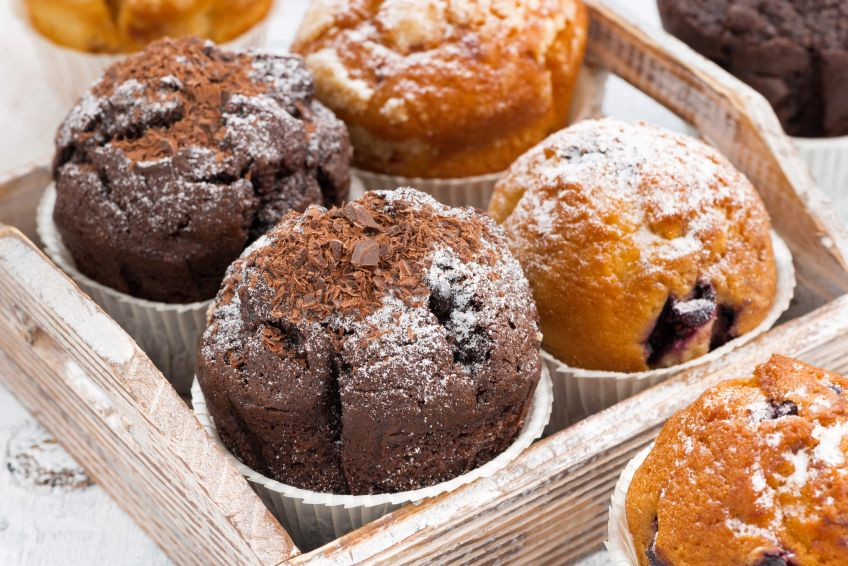

 Have you ever wondered why some muffins puff up high while others stay flat? As with most quick breads, the answer often comes down to one small ingredient.
 Baking powder is a leavening agent in many muffin recipes. Like other chemical leaveners, it relies on chemical leavening through a chemical reaction that produces gas, which expands the batter as it bakes.
 Baking powder affects both how tall muffins rise and overall muffin texture. The gas it releases helps shape the muffin’s internal structure as the batter heats and sets.
 Muffin recipes sometimes call for both baking soda and baking powder because each serves a different purpose. Baking soda reacts with acid in the batter, while baking powder provides additional lift.
 Using the right amount can make the difference between a fluffy muffin and one that is flat or bitter. A basic ratio can provide a starting point, but follow the specific recipe for the best results.
 If you skip baking powder in a recipe that relies on it, your muffins may not rise as expected. You will notice the difference in their texture and appearance after baking.
 If you run out of baking powder, you have a few options. While baking soda alone helps spread chewy cookies, muffins need reliable vertical lift. You can use baking soda with an acid, check whether you have self-rising flour, or adjust your recipe to suit the ingredients available.
 Baking powder works best when handled correctly. Small adjustments during mixing and muffin baking can make a noticeable difference to your muffins. Consistent muffin baking requires careful control over mixing speed and oven conditions.
 The other ingredients in muffin batter can affect how baking powder works and how the muffins turn out. Acidity, flour type, liquid amount, and heavy add-ins all influence rise and texture.
 Flat or sunken muffins can result from problems with the leavening agent, mixing method, or oven temperature. Checking these factors can help you identify and fix the cause.
 Old baking powder is a common reason muffins come out flat and dense rather than light and fluffy. Using fresh baking powder provides predictable leavening, and a quick test can show whether your powder still has enough leavening power.
 Baking powder releases carbon dioxide when it reacts with moisture and heat. The gas helps muffins rise and gives them a lighter, softer texture.


