How Healthy Is Baking? Exploring Benefits, Tips, and Comparisons
Baking can be a healthy cooking method, but it depends on the ingredients you use and what you’re making.
Whether baking is healthy comes down to your choice of flour, sweeteners, fats, and portion sizes—whole grain breads with natural sweeteners offer nutritional value, while cakes loaded with refined sugar and butter do not.
This means you have control over how nutritious your baked goods turn out.
Many people wonder if baking fits into a balanced diet. The truth is that baking uses dry heat and requires less fat than frying, which gives it an advantage over some cooking methods.
You can create treats that support your health goals by swapping refined ingredients for whole grains, reducing added sugars, and incorporating fruits or vegetables into your recipes.
This article will walk you through how baking compares to other cooking techniques, what nutrients baked goods provide, and how you can adjust recipes to make them healthier. You’ll also learn about the mental benefits of baking and practical tips for storing and enjoying your creations without overdoing it.
Is Baking a Healthy Cooking Method?
Baking is a healthy cooking method because it requires little to no added fat compared to frying. This cooking technique uses dry heat to prepare foods, which typically results in lower calorie content. Baking preserves vitamins and minerals better than boiling or deep-frying.
Overview of Baking as a Cooking Technique
Baking uses hot, dry air to cook food in an enclosed space like an oven. The heat transfers through convection, conduction, and radiation to cook food evenly.
You can bake proteins, vegetables, and grains without adding oil or butter. The method reaches temperatures between 300°F and 450°F, which kills harmful bacteria and pathogens. Baking creates texture and flavor through browning reactions without submerging food in fat.
Comparing Baking to Frying and Other Methods
Baking uses 75% less fat than frying on average. Fried foods absorb oil during cooking, which increases calorie density and saturated fat content.
Baked chicken retains more vitamin C and B vitamins than fried chicken. Steaming preserves slightly more water-soluble nutrients than baking, but baking offers better flavor development. Boiling causes nutrients to leach into cooking water, while baking keeps them in the food.
Factors Influencing the Healthiness of Baked Goods
The ingredients you choose determine how healthy your baked foods are. Whole grain flours provide more fiber than refined white flour. Added sugars, butter, and processed ingredients reduce nutritional value.
Baking temperature and time affect nutrient retention. Temperatures above 450°F can destroy heat-sensitive vitamins. Overcooking creates acrylamide in starchy foods, which may pose health risks. You maintain more nutrients by baking at lower temperatures for appropriate durations.
Nutritional Profile of Baked Goods
Baked goods provide carbohydrates as their primary energy source, with varying amounts of protein, fat, fiber, vitamins, and minerals depending on ingredient choices.
Whole grain flours increase fiber and micronutrient content compared to refined alternatives. Sugar type and quantity significantly affect caloric density and blood sugar response.
Macronutrients in Common Recipes
A typical slice of white bread contains approximately 15 grams of carbohydrates, 3 grams of protein, and 1 gram of fat. Pastries and cookies often contain higher fat levels from butter or oils, ranging from 10-20 grams per serving.
Protein content varies based on eggs, dairy, and flour type used in recipes. Whole wheat flour provides more protein than all-purpose flour. Fat content contributes to texture and moisture but increases caloric density when butter, oil, or cream are primary ingredients.
Whole Grains and Alternative Flours
Whole wheat flour retains bran, germ, and endosperm, delivering B vitamins, iron, magnesium, and dietary fiber. You get 3-4 grams of fiber per slice in whole grain bread versus 1 gram in white bread.
Alternative flours like almond flour add healthy fats and protein while reducing carbohydrates. Coconut flour increases fiber content significantly. These options accommodate dietary restrictions while improving nutrient density in baked products.
Role of Sugar and Natural Sweeteners
Refined white sugar adds calories without nutrients, typically 4 calories per gram. Many cookies contain 10-15 grams of added sugar per serving.
Natural sweeteners like honey and maple syrup provide trace minerals but similar caloric content to white sugar. Fruit purees reduce refined sugar needs while adding vitamins and moisture to recipes.
Optimizing Baking for Better Health
Baking becomes healthier when you replace refined ingredients with nutrient-dense alternatives and adjust preparation methods.
Reducing saturated fats, added sugars, and refined flours while adding fiber, protein, and vegetables improves the nutritional profile of baked goods without sacrificing taste.
Ingredient Substitutions for Nutritious Baking
You can reduce sugar by one-third in most recipes without affecting texture. Fruit purees like applesauce, mashed banana, or pureed dates provide natural sweetness and moisture while adding vitamins and fiber.
Replace half the white flour with whole wheat, almond, or oat flour to increase fiber content. Add ground flaxseeds, chia seeds, or wheat bran to boost omega-3 fatty acids and digestive health benefits.
Substitute butter with vegetable oils like olive oil or canola oil, or replace up to three-quarters of fat with fruit or vegetable purees such as pumpkin, sweet potato, or applesauce.
Greek yogurt works as a protein-rich replacement for sour cream or heavy cream in most cake and muffin recipes.
Incorporating Superfoods and Functional Ingredients
Greek yogurt adds 15-20 grams of protein per cup to muffins and breads while maintaining moisture. Ricotta and cottage cheese provide similar protein benefits when folded into pancakes or quick breads.
Ground nuts, seeds, and textured vegetable protein increase protein and healthy fats. You can add pureed vegetables like beets, carrots, or zucchini to boost vitamins A, C, and K without altering sweetness. Spices like cinnamon, ginger, and nutmeg enhance flavor while reducing the need for added sugar.
Healthier Baking Techniques and Tools
Line pans with parchment paper or silicone mats instead of greasing with butter. This eliminates unnecessary saturated fat from your recipes.
Use non-stick baking sheets and muffin tins to reduce oil requirements. Measure ingredients precisely to avoid excess sugar or fat. Fold whipped egg whites into reduced-fat batters to maintain light texture and structure in cakes and muffins.
Mental and Emotional Benefits of Baking
Baking supports mental health by reducing stress, promoting mindfulness, and strengthening social bonds. The activity provides measurable psychological benefits through focused attention, creative expression, and shared experiences.
Baking as a Stress-Relieving Activity
You engage in a form of active meditation when you measure ingredients and follow recipe steps. This focused attention shifts your mind away from past worries or future anxiety. Your brain releases endorphins during the physical movements of mixing, kneading, and stirring.
The process creates a clear beginning and end, which gives you a sense of accomplishment. You can see tangible results from your effort, unlike many daily tasks that feel incomplete.
Mindful Home Baking Projects
Baking activates all five senses simultaneously. You touch dough, smell vanilla, see colors change, hear timers, and taste results. This sensory engagement keeps you present in the current moment.
You don’t need to create perfect results to gain benefits. The act of trying something new builds resilience. Small creative choices like adding spices or adjusting sweetness let you express yourself without requiring artistic training.
Social and Family Connections through Baking
You create opportunities for connection when you share baked goods with neighbors, coworkers, or family members. Baking traditional recipes links you to cultural heritage and family history. You can use your grandmother’s cookie recipe to feel connected to positive memories and loved ones.
The act of baking for others demonstrates care in a concrete way. You strengthen relationships through the simple gesture of homemade food.
Creative Ways to Bake Healthier Treats
Baking becomes healthier when you replace refined ingredients with whole food alternatives and adjust cooking methods to preserve nutrients. You can transform traditional recipes by substituting butter with nut butters or healthy oils, using whole wheat flour instead of white flour, and reducing sugar through natural sweeteners. These swaps maintain flavor while adding fiber, protein, and beneficial fats to your baked goods.
Revamping Classic Recipes
You can replace all-purpose flour with almond flour, oat flour, or whole wheat flour to increase fiber and protein content. Swap refined sugar for mashed bananas, applesauce, dates, or maple syrup to add natural sweetness and nutrients.
Replace butter with Greek yogurt, mashed avocado, or nut butters to reduce saturated fat while maintaining moisture. Use dark chocolate chips instead of milk chocolate to increase antioxidants and reduce added sugar.
Common ingredient swaps:
1 cup white flour = 1 cup whole wheat flour or ¾ cup almond flour
1 cup sugar = ½ cup honey or ¾ cup mashed banana
1 cup butter = ½ cup Greek yogurt plus ¼ cup coconut oil
Developing Balanced Sweet and Savory Bakes
You should combine protein sources like nuts, seeds, or Greek yogurt with whole grains to create satisfying baked goods. Add vegetables like zucchini, sweet potato, or pumpkin to increase nutrient density without compromising taste.
Savory muffins with cheese, herbs, and vegetables provide balanced nutrition for breakfast or snacks. Sweet treats benefit from added oats, which provide sustained energy through complex carbohydrates.
Favorite Healthy Baked Goods to Try
Oatmeal-based bars with peanut butter and banana require minimal ingredients and no refined flour. Greek yogurt fruit tarts use protein-rich filling on nut-based crusts for nutrient-dense desserts.
Baked apples with oat toppings deliver the satisfaction of apple crisp with natural fruit sweetness. Flourless almond butter cookies need only five ingredients and provide protein from nuts.
Storing and Enjoying Baked Goods Responsibly
Baking becomes healthier when you control portions and store items properly to prevent waste and overconsumption. Proper storage extends freshness without adding preservatives, while portion control helps you enjoy treats without excess calories.
Portion Control and Moderation Tips
You should pre-portion baked goods immediately after cooling to avoid eating directly from large containers. Cut cakes and brownies into single servings and wrap them individually in plastic wrap.
Store cookies in containers with dividers to count portions easily. Freeze individual portions to create a barrier between you and immediate consumption.
Keep a maximum of two to three days’ worth of treats at room temperature. Move the rest to your freezer. This prevents baked goods from sitting on your counter and tempting you throughout the day.
Storage Methods for Maintaining Freshness
Store cookies and brownies at room temperature in airtight containers for up to five days. Keep crisp items separate from chewy ones to maintain texture.
Unfrosted cakes last one to two days wrapped in plastic wrap at room temperature. Frosted cakes need refrigeration for up to seven days in airtight containers.
Store bread in paper bags at room temperature for one day or airtight containers for two to three days. Refrigerate fruit-filled breads immediately.
Freeze cakes, cookies, and bread in airtight freezer bags for up to three months. Press out excess air before sealing to prevent freezer burn and maintain quality.
FAQ: How Healthy Is Baking?
Baking can be both healthy and less healthy depending on ingredients, portion size, and preparation methods. Here’s a clear FAQ explaining its nutritional impact.
How Healthy Is Baking?
Baking can be relatively healthy because it often uses less oil than frying, but the overall healthiness depends on ingredients like sugar, refined flour, and fats.
Is Baking Healthier Than Frying?
Yes, baking is generally healthier than frying because it requires less added fat and reduces calorie density from oils.
What Makes Baking Less Healthy?
Baking can become less healthy when recipes include:
High amounts of sugar
Refined white flour
Saturated fats like butter in excess
Can Baking Be Part of a Healthy Diet?
Yes, baked foods can fit into a balanced diet when consumed in moderation and made with nutrient-dense ingredients.
Are Homemade Baked Goods Healthier Than Store-Bought?
Often yes, because home baking allows control over ingredients, portion sizes, and additives such as preservatives or artificial flavors.
How Can You Make Baking Healthier?
Healthier baking adjustments include:
Using whole grain flours
Reducing sugar content
Replacing butter with healthier oils
Adding fruits, nuts, or seeds
Do Baked Foods Lose Nutrients?
Some heat-sensitive vitamins may decrease during baking, but minerals and fiber generally remain stable.
Is Baking Bread Healthy?
Bread can be healthy, especially whole grain or sourdough varieties, which provide fiber and better nutrient profiles than refined white bread.
Are Desserts Considered Unhealthy Baking?
Many desserts are high in sugar and fats, but portion control and ingredient choices can make them more balanced.
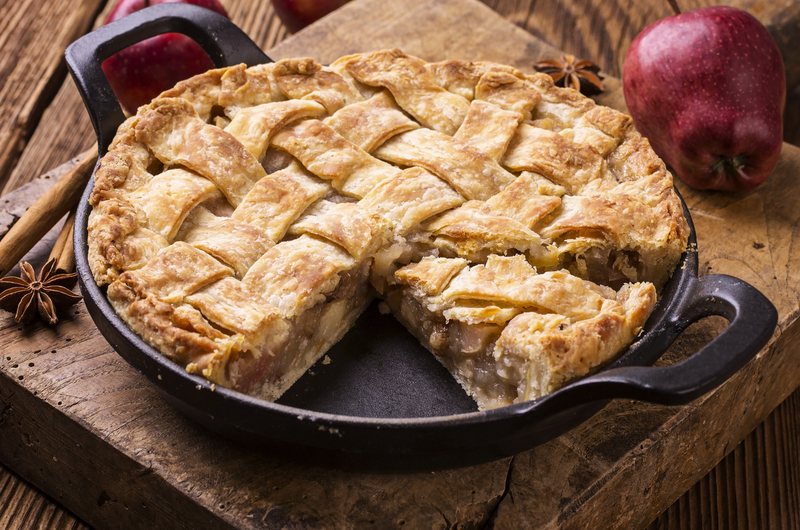


 Baking is a healthy cooking method because it requires little to no added fat compared to frying. This cooking technique uses dry heat to prepare foods, which typically results in lower calorie content. Baking preserves vitamins and minerals better than boiling or deep-frying.

 Baking supports mental health by reducing stress, promoting mindfulness, and strengthening social bonds. The activity provides measurable psychological benefits through focused attention, creative expression, and shared experiences.
 Baking becomes healthier when you replace refined ingredients with whole food alternatives and adjust cooking methods to preserve nutrients. You can transform traditional recipes by substituting butter with nut butters or healthy oils, using whole wheat flour instead of white flour, and reducing sugar through natural sweeteners. These swaps maintain flavor while adding fiber, protein, and beneficial fats to your baked goods.
 Baking becomes healthier when you control portions and store items properly to prevent waste and overconsumption. Proper storage extends freshness without adding preservatives, while portion control helps you enjoy treats without excess calories.
 Baking can be both healthy and less healthy depending on ingredients, portion size, and preparation methods. Here’s a clear FAQ explaining its nutritional impact.


