How Long Should Chilled Cookie Dough Sit Out Before Baking? Tips for Perfect Cookies Every Time
Chilled cookie dough is a convenient way to have fresh-baked cookies whenever you want them. However, one question that often arises is how long should chilled cookie dough sit out before baking?
The answer to this question can vary depending on a few factors. Firstly, it’s important to consider the ingredients in the cookie dough.
If the dough contains ingredients that can spoil quickly, such as eggs or dairy, it’s best to bake the cookies as soon as possible after taking the dough out of the refrigerator.
On the other hand, if the dough is made with ingredients that have a longer shelf life, such as sugar and flour, it may be safe to let the dough sit out for a longer period of time before baking. Another factor to consider is the temperature of the dough. If the dough is very cold, it may need to sit out for a few minutes to warm up slightly before it can be shaped and baked.
However, if the dough is already at room temperature, it may be ready to bake right away. Overall, the length of time that chilled cookie dough should sit out before baking can vary depending on the ingredients and temperature of the dough. It’s important to use good judgment and follow basic food safety guidelines to ensure that the cookies are safe and delicious.
Understanding Chilled Cookie Dough Behavior
Impact of Dough Temperature on Baking Results
Cold dough spreads 30-40% less than room temperature dough during baking. The butter in chilled dough takes longer to melt, which allows the cookie structure to set before spreading occurs.
Room temperature dough starts spreading immediately when it hits the hot oven. This creates thin, crispy edges and sometimes burnt spots. Chilled cookie dough bakes more evenly because the outside and inside cook at similar rates.
Temperature ranges affect results differently:
35-40°F: Maximum thickness, minimal spread, chewy center
Dough at 40°F requires 15-20 minutes at room temperature before baking for optimal results.
Differences in Dough Consistency After Chilling
Chilled dough becomes firm and difficult to scoop directly from the refrigerator. The butter solidifies completely at temperatures below 65°F, which changes how the dough handles.
You’ll notice the dough is harder to shape and may crack when rolled. This firmness is temporary and resolves as the dough warms. Letting chilled cookie dough sit for 10-15 minutes softens it enough for easy portioning without losing its structural benefits.
The flour in refrigerated dough absorbs more moisture over time. This creates a drier surface that browns better during baking. Dough chilled for 24 hours develops a different consistency than dough chilled for two hours because of this moisture absorption.
Consistent cookie dough chilling gives the flour ample time to hydrate completely. This hydration directly contributes to better texture and less greasy cookies.
Factors Affecting Chill Time Needed
When deciding how long to chill cookie dough, butter content is the primary factor. Recipes with more butter need longer chilling periods to solidify properly.
If you are unsure how long should you chill cookie dough, most standard recipes recommend at least 1 to 2 hours. Knowing how long to chill cookie dough before baking ensures fats firm up properly.
General guidelines for how long to refrigerate cookie dough suggest at least two hours for drop cookies. Storing the mixture in an airtight container protects against moisture loss during refrigeration.
Determining how long to refrigerate cookie dough before baking depends heavily on the recipe. For bakers asking how long should you chill cookie dough before baking, batch size and dough thickness also play important roles.
Room temperature: 70°F rooms warm dough faster than 65°F spaces
Batch size: Large portions stay cold longer than small scoops
Sugar type also matters because brown sugar retains more moisture than white sugar. Dough with brown sugar stays softer when chilled and comes to room temperature faster.
Recommended Sit-Out Times for Different Cookie Types
Most chilled cookie dough should sit out for 10 to 15 minutes before baking. Denser doughs or cut-out cookies may need 20 to 30 minutes to soften enough for easy handling and shaping.
Chocolate Chip Cookies
Chocolate chip cookies need 10 to 15 minutes at room temperature after refrigeration. This timeframe allows the dough to soften slightly while maintaining the firm structure that prevents excessive spreading.
If your dough was chilled for just 30 to 45 minutes, 10 minutes of sit-out time works well. For dough refrigerated overnight or up to 24 hours, aim for 15 minutes.
The butter in your dough should still feel cool to the touch but not rock-hard. You want the dough pliable enough to scoop without cracking but firm enough to hold its shape on the baking sheet.
Quick test: Press your finger into the dough. It should leave an indent without the dough sticking to your finger or feeling greasy.
Sugar Cookies and Cut-Out Varieties
Sugar cookies and cut-out varieties require 20 to 30 minutes of sit-out time. These recipes use higher-moisture dough that becomes very firm when chilled for the recommended 2 hours or longer.
The extended rest period makes rolling and cutting easier. Dough that’s too cold will crack when you roll it out and won’t release cleanly from cookie cutters.
For thick cut-out cookies, wait until the dough bends slightly when you lift an edge. Thin rolled cookies need less time—around 15 to 20 minutes works better to maintain clean edges during cutting.
Work with half your dough at a time. Keep the other half refrigerated until you’re ready to use it.
Other Popular Cookie Recipes
Thin, crisp cookies like lace cookies or florentines don’t need sit-out time because they’re designed to spread. Bake these directly from the refrigerator or skip chilling entirely.
Shortbread cookies, with their high butter content, often need 15 to 20 minutes to soften slightly after chilling so they do not crumble when sliced. This rest period helps them bake evenly with golden, crisp edges and tender centers.
Cake-like cookies, including those used for whoopie pies, can go straight into the oven after mixing. The soft texture depends on immediate baking without any firming from refrigeration.
Most drop cookies other than chocolate chip typically need 10 minutes of rest time. Drop cookies such as oatmeal raisin, peanut butter, and snickerdoodles benefit from brief softening for easier scooping.
Frozen cookie dough requires 25 to 30 minutes at room temperature before baking for even cooking throughout.
Best Techniques for Letting Dough Sit Before Baking
Properly warmed cookie dough reaches 65-68°F before baking, which allows for even spreading and optimal texture. You should shape dough into portioned balls before chilling to reduce warming time and ensure consistent results.
How to Assess Dough Readiness
Press your finger gently into the dough surface to check readiness. The dough should yield slightly without cracking or feeling rock-hard. A properly warmed dough ball will maintain its shape when lifted but won’t be sticky to touch.
Use an instant-read thermometer to measure internal dough temperature. Insert the probe into the center of a dough ball. Cold dough straight from the refrigerator sits at 35-40°F and needs 5-10 minutes at room temperature to reach the ideal 65-68°F range.
Watch for visible moisture on the dough surface. Small beads of condensation indicate the dough is warming too quickly or has reached room temperature. If you see this, place the dough back in the refrigerator for 2-3 minutes before baking.
Best Practices for Shaping and Handling
Form dough into uniform balls using a cookie scoop before chilling. This step reduces handling time after refrigeration and prevents warming the entire batch. Place pre-portioned dough on a parchment-lined sheet pan, in an airtight container, or in a resealable bag.
Remove only the number of dough balls you plan to bake immediately. Keep remaining portions refrigerated until ready to use. This maintains the firm fat structure needed for chewy cookies with minimal spread.
Line your baking sheets with parchment paper before arranging the dough portions. Using parchment paper prevents sticking, protects bottoms from scorching, and promotes even spreading.
Work quickly when placing chilled cookie dough on baking sheets. Space dough balls 2-3 inches apart to allow for expansion. Avoid reshaping or pressing down cold dough unless your recipe specifically requires it, as this can cause uneven baking.
If you are unsure whether the dough is warm enough, bake a single test cookie first. Checking a test cookie lets you see the spread and texture before baking a full tray.
Food Safety and Ingredient Considerations
Cookie dough containing eggs or dairy should sit out for no more than 10-15 minutes before baking to prevent bacterial growth, while doughs made with shelf-stable ingredients can safely remain at room temperature for up to 30 minutes.
Managing Dairy and Egg-Based Doughs
Raw eggs and dairy products create food safety risks if left at room temperature beyond 2 hours. Bacteria multiply rapidly between 40°F and 140°F, the danger zone for perishable foods.
You should remove egg-based cookie dough from the refrigerator only when ready to portion and bake. Let the dough sit for 10-15 minutes maximum before placing it in a preheated oven.
Doughs containing butter, milk, cream cheese, or sour cream require the same caution as egg-based recipes. These ingredients spoil faster than flour and sugar mixtures.
Use pasteurized eggs in recipes if you want added safety protection. Heat-treated flour eliminates potential E. coli contamination from raw flour particles.
Keep your workspace clean and wash hands thoroughly when handling raw dough. Transfer any unused portions back to the refrigerator within 15 minutes of removal.
Guidelines for Avoiding Spoilage
A practical concern is how long can you refrigerate cookie dough safely. Most homemade dough stays fresh in the refrigerator for 3 to 5 days when stored in an airtight container.
Check your dough’s temperature before extended room-temperature exposure. Dough stored at 35-40°F in your refrigerator can safely warm to 60-65°F for easier handling.
Monitor the time your chilled cookie dough remains outside refrigeration. Set a timer for 15 minutes when you begin portioning to track exposure time accurately.
Doughs without eggs or dairy tolerate longer sit-out times of 20-30 minutes. Sugar and flour-based recipes have lower spoilage risks but still require proper handling.
Discard any dough that develops an off smell, unusual color, or slimy texture. These signs indicate bacterial contamination regardless of ingredients used.
Work in batches if preparing large quantities of cookies. Keep remaining dough refrigerated while baking each tray to maintain safe temperatures throughout the process.
Common Challenges With Chilling and Sitting Out
Dough that’s too hard to scoop or cookies that spread too much are the two most common problems when chilling cookie dough and letting it sit out before baking.
Overcoming Sticky or Hard Dough
Sticky dough happens when you pull it from the fridge too early or when the butter hasn’t fully chilled. Hard dough occurs when you chill cookie dough for more than 2 hours without letting it warm up.
Let the dough sit at room temperature for 5 to 10 minutes if it feels rock-solid. This makes scooping easier without warming the butter too much.
If your dough is still sticky after chilling, dust your hands or scoop with a small amount of flour. You can also freeze the dough for 10 to 15 minutes to firm it up quickly.
Roll sticky dough between two sheets of parchment paper to avoid adding extra flour. Too much flour changes the texture and makes cookies dry.
For dough chilled overnight, check the firmness by pressing it with your finger. If it doesn’t give at all, it needs more time at room temperature.
Preventing Excess Spreading or Flat Cookies
Cookies spread too much when the dough is too warm before baking. This happens if you let chilled dough sit out for longer than 15 to 20 minutes in a warm kitchen.
Keep your dough cold until right before baking. If your kitchen is hot, place scooped dough balls back in the fridge for 10 minutes before putting them in the oven.
Use a baking sheet that’s cool to the touch. Hot or warm baking sheets cause butter to melt faster and lead to flat cookies.
Make sure your oven is fully preheated to the correct temperature. An oven that’s too cool gives the butter more time to melt before the dough sets.
Chill your cookie dough for at least 1 to 2 hours before baking to reduce spreading. Sugar cookies and doughs with high butter content need longer chilling times.
Tips for Maximizing Flavor and Texture
Chilled cookie dough performs best when it sits at room temperature for 5–10 minutes before baking. This brief rest period allows easier scooping while maintaining the structural benefits of cold butter, which prevents excessive spreading and produces thick, bakery-style cookies with enhanced caramelization.
Timing for Optimal Chewy Cookies
Let chilled cookie dough rest for 5–10 minutes at room temperature before portioning and baking. This softening period makes the dough workable without warming the butter too much.
If your dough was chilled for 1–2 hours, 5 minutes is enough. For overnight-chilled dough, allow 8–10 minutes.
Timing Guidelines:
1–2 hour chill: 5 minutes at room temp
Overnight chill: 8–10 minutes at room temp
Frozen dough: Bake directly or thaw 15 minutes
Do not let dough sit longer than 15 minutes. Warm butter causes cookies to spread flat during baking.
Use a cookie scoop to portion dough while it’s still cold for uniform size. Roll portions into smooth balls after the brief rest.
Enhancing Cookie Taste With Chilling
If you are wondering how long should i chill cookie dough for peak flavor, aim for 12–24 hours. Extended chilling allows flour to fully hydrate and sugar to dissolve into the fats, creating richer flavor compounds during baking.
Most cookie recipes improve with at least 1 hour of chilling. Sugar cookies and chocolate chip varieties benefit most from overnight rests.
Flavor Development Timeline:
30 minutes: Slight improvement
1–2 hours: Noticeable richness
12–24 hours: Maximum flavor depth
The butter firms during chilling, which slows spread in the oven and creates thicker cookies with chewier centers. Cold dough also caramelizes more evenly, producing golden edges and complex sweetness.
Wrap dough tightly in plastic wrap or store in airtight containers to prevent drying. Exposed dough loses moisture and develops off-flavors after 48 hours.
FAQ: How Long Should Chilled Cookie Dough Sit Out Before Baking?
Chilled cookie dough is often firmer and harder to scoop straight from the fridge. Letting it sit at room temperature briefly helps improve texture and baking consistency.
How Long Should Chilled Cookie Dough Sit Out Before Baking?
Most chilled cookie dough should sit out for 10–30 minutes before baking, depending on how firm it is and the room temperature.
Why Should You Let Cookie Dough Warm Slightly?
Allowing dough to sit out helps:
Soften butter for easier scooping
Improve even spreading in the oven
Create better texture and consistency
Does All Cookie Dough Need to Be Warmed Before Baking?
No, some recipes are designed to be baked straight from the fridge, especially doughs meant to reduce spreading and create thicker cookies.
What Happens If You Bake Cookie Dough Straight From the Fridge?
Cold dough often results in:
Thicker cookies
Less spread
Slightly longer baking time
What Happens If Cookie Dough Gets Too Warm?
If dough sits out too long, it may:
Spread too much in the oven
Lose structure
Become greasy
Does Room Temperature Affect Resting Time?
Yes, warmer kitchens require less resting time, while colder environments may require a bit longer.
Should You Always Chill Cookie Dough Before Baking?
Not always, but chilling is often recommended because it:
Improves flavor development
Controls spreading
Enhances texture
Can You Bake Cookie Dough Without Letting It Sit Out?
Yes, but you may need to adjust baking time slightly depending on dough firmness.
What Is the Ideal Dough Texture Before Baking?
The dough should be soft enough to scoop easily but still firm enough to hold its shape.
Does Resting Dough Improve Flavor?
Yes, resting allows ingredients to hydrate and flavors to develop more fully over time.
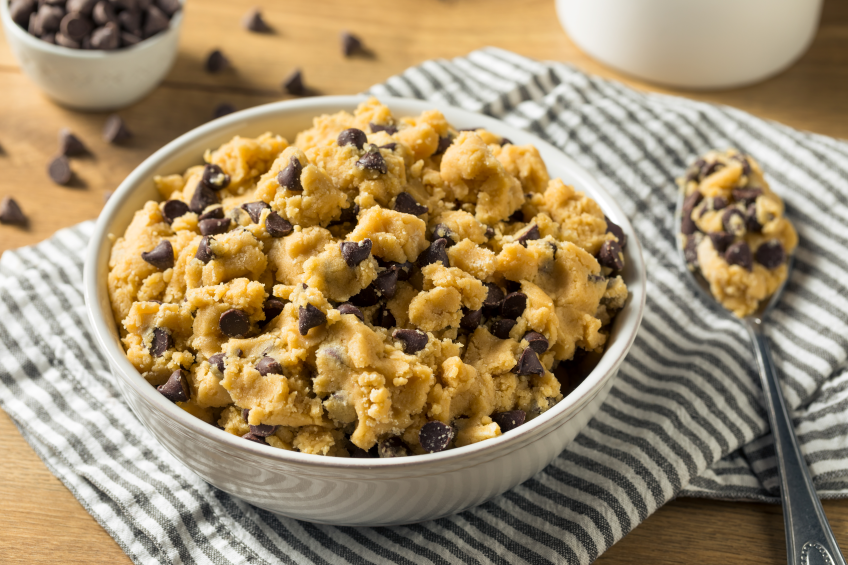

 Chilled cookie dough is a convenient way to have fresh-baked cookies whenever you want them. However, one question that often arises is how long should chilled cookie dough sit out before baking?
 Most chilled cookie dough should sit out for 10 to 15 minutes before baking. Denser doughs or cut-out cookies may need 20 to 30 minutes to soften enough for easy handling and shaping.
 Properly warmed cookie dough reaches 65-68°F before baking, which allows for even spreading and optimal texture. You should shape dough into portioned balls before chilling to reduce warming time and ensure consistent results.
 Cookie dough containing eggs or dairy should sit out for no more than 10-15 minutes before baking to prevent bacterial growth, while doughs made with shelf-stable ingredients can safely remain at room temperature for up to 30 minutes.
 Dough that’s too hard to scoop or cookies that spread too much are the two most common problems when chilling cookie dough and letting it sit out before baking.
 Chilled cookie dough performs best when it sits at room temperature for 5–10 minutes before baking. This brief rest period allows easier scooping while maintaining the structural benefits of cold butter, which prevents excessive spreading and produces thick, bakery-style cookies with enhanced caramelization.
 Chilled cookie dough is often firmer and harder to scoop straight from the fridge. Letting it sit at room temperature briefly helps improve texture and baking consistency.


