What Does Baking Soda Do in Baking? Science, Substitutions, and Uses
Baking soda is that familiar white powder you probably have tucked away in your kitchen cabinet. When you mix it with acidic ingredients like buttermilk, yogurt, or vinegar, it creates carbon dioxide gas.
This gas forms bubbles in your batter or dough, which expand as they bake, giving your treats their light, fluffy texture. Without baking soda, your cookies would be dense and your cakes would be flat.
Baking soda also helps your baked goods brown beautifully by making the environment more alkaline, which triggers the Maillard reaction. This is what gives your treats that irresistible golden crust and rich flavor.
But be careful—too much baking soda can leave a soapy or bitter taste, while too little means your bakes might not rise enough.
This article will break down how baking soda works on a chemical level and how it’s different from baking powder. You’ll discover what happens when you add baking soda to different recipes, how to swap one leavening agent for another, and some other handy ways to use baking soda in your kitchen (and beyond).
The Chemistry of Baking Soda in Baking
Baking soda releases carbon dioxide gas through acid-base reactions when it meets acidic ingredients and moisture. This process is what makes batters and doughs puff up and rise as they bake.
Leavening Process and Carbon Dioxide Release
When baking soda reacts with acidic ingredients in your batter or dough, it produces carbon dioxide gas. The basic formula for this is: sodium bicarbonate (NaHCO₃) + acid → carbon dioxide (CO₂) + water + salt.
Those bubbles of carbon dioxide get trapped in your batter, and as they heat up in the oven, they expand—lifting your baked goods as they go.
The reaction starts as soon as baking soda touches both liquid and acid. That’s why it’s important to get your batter into the oven quickly after mixing, so you don’t lose that precious rise.
If there’s no acid, baking soda will still break down when heated, but it won’t produce as much gas—and it can leave behind a bitter, soapy taste you definitely don’t want in your final product.
Role of Acid-Base Reactions
Baking soda is a base, and it neutralizes acids in your recipe. Common acidic ingredients that trigger this reaction include buttermilk, yogurt, sour cream, lemon juice, vinegar, brown sugar, molasses, honey, and natural cocoa powder.
How much baking soda you use depends on the amount of acid in your recipe. As a general rule, you’ll need about ½ teaspoon of baking soda for every cup of acidic ingredient.
Using too much baking soda without enough acid throws things out of balance. The leftover sodium carbonate gives your baked goods a metallic, soapy flavor—and can even turn them yellow.
Baking powder is different: it contains both baking soda and built-in acids like cream of tartar or monocalcium phosphate. That means it can work even if your recipe doesn’t have any acidic ingredients.
Influence on pH, Browning, and Texture
Baking soda raises the pH of your batter, making it more alkaline. This change in pH affects both the color and the texture of your finished bake.
When the pH is higher, the Maillard browning reactions speed up, giving you a darker crust and richer flavors. That’s why pretzels, which are dipped in a baking soda solution before baking, have such a deep golden color.
The alkaline environment also weakens gluten, making your bakes more tender. In chocolate cakes, it can even turn cocoa powder a reddish-brown, which is how devil’s food cake gets its signature look.
If you use too much baking soda, you might notice blueberries turning greenish-blue or chocolate taking on a red tint—signs that your recipe is too alkaline.
The pH level also affects how quickly sugars on the surface caramelize. A more alkaline batter means faster, deeper browning, even at lower oven temperatures.
Baking Soda vs. Baking Powder: Key Differences
Baking soda needs both an acid and liquid to get going, while baking powder comes with its own acid, ready to rise when you are. Which one you use depends on how much acid is in your recipe and when you want your baked goods to rise.
Composition and Activation Mechanisms
Baking soda is pure sodium bicarbonate—a white, crystalline, alkaline powder. To activate it, you need something acidic like buttermilk, yogurt, lemon juice, vinegar, brown sugar, or chocolate. When the acid meets the sodium bicarbonate, you get a fizzy chemical reaction that releases carbon dioxide right away.
Baking powder, on the other hand, contains sodium bicarbonate plus an acid (usually cream of tartar) and a moisture-absorbing starch like cornstarch. The starch keeps everything stable until you’re ready to bake. Double-acting baking powder gives you two rises: one when you mix the batter, and another when it heats up in the oven.
Single-acting baking powder, which is less common in home kitchens, releases all its gas as soon as it’s mixed with liquid and is usually found in commercial settings.
Impact on Rise and Texture
Baking soda works fast. Once it’s combined with acid and liquid, it starts producing carbon dioxide immediately. That means you need to get your batter or dough into the oven quickly, or you’ll lose the lift before your bake is done.
Baking powder’s double-acting formula gives you more flexibility. The first rise happens during mixing, and the second in the oven, so you have a little more time to work with your batter before baking.
Baking soda is three to four times stronger than baking powder. You’ll need about 1/4 teaspoon of baking soda to match the leavening power of 1 teaspoon of baking powder. Using too much baking soda can make your baked goods taste soapy or metallic and cause them to spread too much.
When to Use Each Leavening Agent
Use baking soda when your recipe features acidic ingredients like buttermilk, sour cream, citrus juice, molasses, honey, or cocoa powder. These acids activate the baking soda and help balance its alkaline taste. Baking soda also gives your bakes a lovely golden-brown color.
Use baking powder when your recipe doesn’t have enough acid to activate baking soda. Cakes made with milk, water, or other neutral ingredients need baking powder because it brings its own acid to the party.
Some recipes use both baking soda and baking powder. This is usually because there’s some acid, but not enough to fully leaven the batter, or because you want a specific flavor or texture. The baking soda neutralizes excess acid, while the baking powder gives your bake an extra lift.
Practical Effects of Baking Soda in Popular Baked Goods
Baking soda changes how cookies spread, helps cakes rise, and affects the texture of quick breads and pancakes. Each type of baked good reacts a little differently, depending on the recipe’s acidity and ingredient balance.
Cookies: Spread, Browning, and Flavor
Baking soda makes cookies spread more by raising the pH of your dough. The alkaline environment weakens gluten, so your cookies flatten out as they bake. That’s why cookies made with baking soda are typically wider and thinner than those made with baking powder.
The golden-brown color on cookies comes from the Maillard reaction, which speeds up in alkaline doughs. Baking soda gives chocolate chip and sugar cookies a deeper color and richer flavor, especially at temperatures above 285°F.
You can’t just swap baking soda for baking powder in cookies unless your recipe already has acidic ingredients like brown sugar, honey, or molasses. Baking soda needs acid to work. Baking powder has its own acid and works in neutral doughs.
In small amounts, baking soda can add a subtle tangy, salty flavor. Most cookie recipes only need about 1/4 teaspoon of baking soda per cup of flour. Too much, and you’ll notice a bitter, soapy taste and a chalky residue.
Cakes: Moisture, Tenderness, and Rise
Baking soda helps cakes rise when it reacts with acidic ingredients like buttermilk, yogurt, sour cream, or vinegar. The carbon dioxide bubbles make your cake light and airy, but the reaction starts as soon as you mix wet and dry ingredients.
Baking soda won’t work in place of baking powder in cake recipes that don’t have enough acid. Classic yellow or white cakes made with milk are too neutral, so baking soda alone won’t give them a proper rise. You’ll end up with a dense cake and a metallic aftertaste.
Baking soda also helps tenderize cakes by weakening gluten, making the crumb softer and less chewy—especially when paired with an acid source.
Because baking soda reacts quickly, it’s best to get your cake batter in the oven within 15-20 minutes of mixing. Wait too long, and you’ll lose the lift and end up with a flat, dense cake.
Quick Breads and Pancakes: Texture and Color
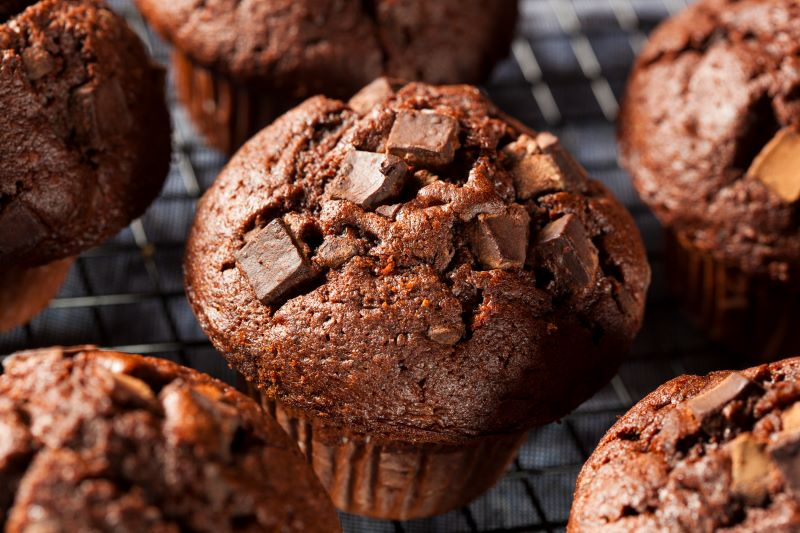
Baking soda creates a tender, open crumb in banana bread, zucchini bread, and muffins. These recipes usually have acidic ingredients like ripe bananas, brown sugar, or honey that activate the baking soda. The quick release of gas makes for those lovely air pockets inside your loaf.
You can use baking soda in banana bread because ripe bananas have enough natural acidity. The usual rule is 1 teaspoon of baking soda for every 2-3 cups of flour if your bananas are very ripe. If they’re less ripe, you might need to add something extra acidic, like buttermilk or yogurt.
Pancakes brown faster and deeper with baking soda in the mix. The alkaline batter speeds up browning on the griddle, so you get golden pancakes in just a couple of minutes per side—quicker than with baking powder alone.
You can’t use only baking soda instead of baking powder in pancakes made with regular milk. Those recipes need baking powder for lift, unless you swap in buttermilk or add a little lemon juice for acidity. For buttermilk pancakes, use 1/2 teaspoon baking soda per cup of flour, plus the acidic buttermilk to activate it.
Substituting Baking Soda for Baking Powder: What to Expect
If you want to swap baking soda for baking powder, use about three times less baking soda and be sure to add an acidic ingredient like vinegar or lemon juice. This switch will change both the taste and texture of your baked goods, so experiment carefully and taste as you go.
How Substitutions Alter Taste and Structure
When you swap baking soda for baking powder, you’ll need to add some acid to get the leavening reaction going. For every tablespoon of baking powder your recipe calls for, use one teaspoon of baking soda and add two teaspoons of vinegar or lemon juice.
Baking soda is about three times stronger than baking powder. If you use too much, your baked goods can end up with a metallic or soapy taste. You’ll also notice changes in color—baking soda makes batters more alkaline, so your treats may brown faster and come out darker.
The texture will change depending on what you’re making. Cakes made with baking soda instead of baking powder can turn out denser if you don’t get the acid balance just right. Cookies may spread more and have crispier edges. Pancakes might develop a slightly different crumb and brown more quickly on the griddle.
Banana bread is a good fit for this substitution since bananas bring some natural acidity to the mix. Remember, the leavening reaction starts as soon as you combine wet and dry ingredients, so get your batter into the oven right away.
Common Scenarios and Success Tips
When using baking soda as a replacement, you’ll need to work quickly. The leavening action kicks in as soon as the baking soda meets acid and moisture, so mix your batter and get it in the oven within a few minutes.
For cakes, add buttermilk, yogurt, or sour cream to give baking soda the acid it needs. These ingredients also add moisture and help keep away any metallic taste. If your recipe already has acidic ingredients, you might only need to reduce the baking powder rather than swap it out entirely.
Cookies can really benefit from baking soda if you want them to spread more and get those delicious crispy edges. The extra alkalinity helps them brown nicely. Try adding a tablespoon of lemon juice or using brown sugar, which contains molasses and brings its own acidity.
To make sure your baking soda is still fresh, test it by adding a small amount to vinegar. Fresh baking soda will bubble up. If nothing much happens, it’s time for a new box—old baking soda won’t help your baked goods rise.
When you’re experimenting with substitutions, jot down your measurements. It’s the best way to repeat your successes and avoid making the same mistake twice.
Best Practices for Using Baking Soda in Baking
Getting the right measurement and timing can mean the difference between a beautifully risen treat and something that tastes soapy or has brown spots.
Measuring and Timing for Maximum Effect
Always measure baking soda with proper measuring spoons made for dry ingredients—not your regular kitchen spoons. As a general rule, use 1.25 mL (¼ teaspoon) of baking soda per 125 grams (1 cup) of all-purpose flour. If your recipe includes acidic ingredients like buttermilk, yogurt, or sour cream, you can bump it up to 2.5 mL (½ teaspoon) per cup of acid.
Level off your measuring spoon with a straight edge to avoid adding too much. Even a small extra amount can change the texture and taste of your baked goods.
Mix your dry ingredients well before adding them to the wet ones. This helps prevent clumps of baking soda, which can cause brown spots or bitter bites. Once you combine baking soda with acid, the reaction happens fast, releasing carbon dioxide gas to help your treats rise.
Bake your batter within 10-15 minutes of mixing. If you wait too long, the gas escapes and you end up with a dense, flat result.
Troubleshooting Common Issues
Soapy taste means there’s too much baking soda in your recipe. Try cutting the amount in half or adding more acidic ingredients to balance things out.
Excessive browning happens when the pH gets too high and the Maillard reaction speeds up. Lower your oven by 25°F or reduce the baking soda by an eighth of a teaspoon.
Dense, flat baked goods usually mean you didn’t use enough baking soda or it’s expired. Test it by adding ¼ teaspoon to 2 tablespoons of vinegar—it should fizz up right away.
If your baking soda is clumpy, toss it out and get a fresh box. Clumps lead to uneven mixing and can leave bitter, brown patches in your finished product. Keep your baking soda in a tightly sealed container in a cool, dry spot to avoid moisture and clumping.
Beyond Baking: Additional Uses and Benefits
Baking soda isn’t just for baking—it’s also great for neutralizing odors, removing stains, and even tenderizing meat. Around the house, it’s a mild abrasive cleaner and a handy way to adjust pH.
Cleaning and Household Applications
Baking soda easily removes grease and food residue from kitchen surfaces without scratching. Just sprinkle it on countertops, stovetops, or cutting boards and scrub with a damp cloth.
It’s also a champion at eliminating odors by neutralizing both acidic and basic smells. Place an open box in your fridge to keep food smells at bay for up to three months. You can sprinkle it in trash cans, on carpets, or in pet bedding to keep things fresh.
Popular cleaning uses:
Mix with water to make a paste for scrubbing sinks and tubs
Add to dishwater for extra cleaning power
Sprinkle on burnt pans and let soak overnight
Clean coffee pots and thermoses by swirling with warm water
The gentle abrasiveness of baking soda lifts dirt without harming surfaces, making it safe for stainless steel, ceramic, and glass.
Food Preparation and Cooking Tips
Baking soda is a handy kitchen staple that can help tenderize meat by raising the pH level on the surface. For best results, rub about 1 teaspoon per pound of meat over the exterior, let it rest for 15 minutes, then rinse it off before cooking. You’ll notice the meat turns out more tender and juicy.
Baking soda also helps beans cook faster and become softer. Just add 1/4 teaspoon per cup of dried beans to the cooking water. This simple trick breaks down the pectin in bean skins, making them perfectly tender.
Other ways to use baking soda in the kitchen:
Add a pinch to tomato sauce to mellow out acidity
Sprinkle a little on chicken skin before roasting for extra crispiness
Mix a small amount into ground beef for juicier, more flavorful burgers
Add to boiling water when blanching green vegetables to keep their color bright and vibrant
Remember, you only need a small amount when cooking. Using too much can make your food taste soapy or bitter, so a light touch goes a long way.
FAQ: What Does Baking Soda Do in Baking?
Baking soda is a key ingredient in many baked goods, especially cookies, cakes, and quick breads. It plays an important chemical role that affects texture, rise, and browning.
What Does Baking Soda Do in Baking?
Baking soda acts as a leavening agent, helping baked goods rise by producing carbon dioxide gas when it reacts with acidic ingredients.
How Does Baking Soda Work Chemically?
Baking soda (sodium bicarbonate) reacts with acids such as:
Buttermilk
Yogurt
Lemon juice
Brown sugar This reaction releases carbon dioxide bubbles that expand the batter or dough.
Why Is Baking Soda Important in Cookies and Cakes?
It helps create:
Light and airy texture
Proper spread in cookies
Soft crumb in cakes
What Happens If You Don’t Use Baking Soda?
Without baking soda, baked goods may turn out:
Dense
Flat
Less tender
Can You Taste Baking Soda in Baking?
Yes, if too much is used or it is not properly balanced with acid, it can leave a bitter or soapy taste.
What Is the Difference Between Baking Soda and Baking Powder?
Baking soda needs an acid to activate
Baking powder already contains acid and activates with moisture and heat
Does Baking Soda Help with Browning?
Yes, it raises pH levels, which encourages browning through the Maillard reaction, especially in cookies.
When Should You Use Baking Soda Instead of Baking Powder?
Use baking soda when the recipe includes acidic ingredients that can activate it properly.
Can Too Much Baking Soda Ruin Baking?
Yes, excess baking soda can cause:
Bitter taste
Over-browning
Weak structure
Is Baking Soda Necessary for All Recipes?
No, it is only used in recipes that require leavening and have enough acid to activate it.

 Baking soda is that familiar white powder you probably have tucked away in your kitchen cabinet. When you mix it with acidic ingredients like buttermilk, yogurt, or vinegar, it creates carbon dioxide gas.
 Baking soda releases carbon dioxide gas through acid-base reactions when it meets acidic ingredients and moisture. This process is what makes batters and doughs puff up and rise as they bake.
 Baking soda needs both an acid and liquid to get going, while baking powder comes with its own acid, ready to rise when you are. Which one you use depends on how much acid is in your recipe and when you want your baked goods to rise.
 Baking soda changes how cookies spread, helps cakes rise, and affects the texture of quick breads and pancakes. Each type of baked good reacts a little differently, depending on the recipe’s acidity and ingredient balance.
 If you want to swap baking soda for baking powder, use about three times less baking soda and be sure to add an acidic ingredient like vinegar or lemon juice. This switch will change both the taste and texture of your baked goods, so experiment carefully and taste as you go.
 Getting the right measurement and timing can mean the difference between a beautifully risen treat and something that tastes soapy or has brown spots.
 Baking soda isn’t just for baking—it’s also great for neutralizing odors, removing stains, and even tenderizing meat. Around the house, it’s a mild abrasive cleaner and a handy way to adjust pH.
 Baking soda is a key ingredient in many baked goods, especially cookies, cakes, and quick breads. It plays an important chemical role that affects texture, rise, and browning.


