What Is the Chemistry Behind Baking Cookies? Science Explained
Baking cookies involves a series of chemical reactions that transform simple ingredients into a finished treat.
When you mix butter, sugar, flour, eggs, and leavening agents, then apply heat, proteins coagulate, starches gelatinize, fats melt, sugars caramelize, and gases expand to create the texture and flavor you recognize as a cookie.
Each ingredient plays a specific role in these reactions.
Understanding the chemistry behind cookies helps you control the final result. The ratio of white sugar to brown sugar affects whether your cookies turn out crispy or chewy.
The type of flour you use changes the protein content and texture. How you mix the dough and the temperature of your ingredients determine how much your cookies spread in the oven.
This article explains the chemical processes that occur when you bake cookies. You will learn how ingredients interact, what happens during baking, and how to adjust your technique to achieve your desired texture. You will also discover why common mistakes happen and how to avoid them using basic chemistry principles.
Understanding Cookie Chemistry
Cookie chemistry involves chemical reactions between ingredients like flour, sugar, fat, and leavening agents that transform raw dough into baked cookies through heat-activated processes.
Baking soda and baking powder create gas bubbles that cause spreading and rising, while sugar caramelization and protein coagulation determine texture and color.
The Science Behind Cookies
When you mix cookie ingredients, proteins in flour form gluten networks that provide structure. Fats coat flour particles and limit gluten development, creating tender textures. Sugars dissolve during baking and caramelize at temperatures above 320°F, producing brown colors and complex flavors.
Leavening agents produce carbon dioxide gas through chemical reactions. Baking soda requires acidic ingredients like brown sugar or molasses to activate. Baking powder contains built-in acids and activates with heat alone.
Eggs contribute proteins that coagulate at 160°F and bind ingredients together. Water in dough turns to steam, creating lift. The Maillard reaction between proteins and sugars begins at 285°F, generating hundreds of flavor compounds and the characteristic cookie aroma.
What Is the Golden Rule in Baking Cookies?
The golden rule in baking cookies is to measure ingredients accurately and maintain proper oven temperature. A difference of 25°F changes cookie spread, texture, and doneness significantly.
You should cream butter and sugar for 2-3 minutes to incorporate air bubbles that expand during baking. Overmixing flour after addition develops excess gluten, making cookies tough instead of tender.
Chilling dough for 30 minutes prevents excessive spreading by solidifying fats. This allows proteins to set before fats melt completely, creating thicker cookies with better texture.
How Ingredients Interact in Dough
Cookie chemistry begins when you combine ingredients to form dough. Flour proteins bond with water to create gluten networks that provide structure. Sugars dissolve in moisture from eggs and affect both sweetness and texture. Fats coat flour particles to limit gluten development and control spread during baking.
Role of Flour and Gluten Formation
Flour contains two proteins called glutenin and gliadin. When you add moisture and mix the dough, these proteins bond together to form gluten. Gluten creates an elastic network that traps gas bubbles and holds cookie dough together.
All-purpose flour contains moderate protein levels that produce cookies with balanced texture. The amount of mixing affects gluten development directly. Overmixing creates tough, chewy cookies because excessive gluten forms. Undermixing leaves weak structure that causes cookies to crumble.
Sugar Types and Their Effects
Granulated sugar is pure sucrose that creates crisp cookies with significant spread. Brown sugar contains molasses, which adds moisture and acidity to your dough. The extra moisture in brown sugar produces softer, chewier cookies.
Sugar dissolves in the liquid from eggs during mixing. This dissolved sugar reduces the size of sugar crystals in your final cookies. The type of sugar you choose changes both texture and flavor in the chemistry of cookies.
Impacts of Fats and Butter
Butter contains approximately 80% fat and 15% water. The fat coats flour particles to prevent complete gluten formation. This coating action creates tender cookies instead of tough ones.
Butter melts at 90-95 degrees Fahrenheit, which affects cookie spread. Room temperature butter creams easily with sugar to incorporate air pockets. These air pockets expand during baking to affect final texture.
Different fats have different melting points that change cookie behavior. Butter provides flavor that other fats cannot match.
Eggs as Binders and Emulsifiers
Eggs contain water, protein, fat, and lecithin in their structure. Egg whites provide albumin protein that coagulates during baking to set cookie structure. Egg yolks contain lecithin, which acts as an emulsifier to blend fat and water ingredients.
The proteins in eggs denature when heated, creating firm texture. One large egg adds specific moisture and binding properties to your dough. Egg size matters because it affects the ratio of wet to dry ingredients in cookie chemistry.
Key Chemical Reactions During Baking
Cookie chemistry involves four primary reactions that transform raw dough into finished cookies: sodium bicarbonate decomposition produces gas bubbles, amino acids and sugars form brown crusts through the Maillard reaction, sugar breaks down into caramel, and water evaporates to set the final texture.
Leavening and Gas Formation
Baking soda (sodium bicarbonate) decomposes when heated, releasing carbon dioxide gas and water vapor. The chemical equation is 2NaHCO₃ → Na₂CO₃ + H₂O + CO₂.
These gas bubbles expand throughout your dough, creating space between ingredients and preventing dense cookies. Salt controls this decomposition rate, preventing bubbles from growing too large and causing structural collapse. The carbon dioxide creates small holes that make cookies light rather than heavy.
The Maillard Reaction
Proteins from eggs and flour react with reducing sugars at temperatures above 280°F. This reaction produces hundreds of new flavor compounds and brown pigments called melanoidins. Your cookies develop their characteristic golden-brown color and complex savory-sweet taste from this process, not just from caramelization.
Caramelization
Sucrose breaks into glucose and fructose when heated above 320°F. These simple sugars then form new compounds that create shiny, brown surfaces and sweet, nutty flavors. Brown sugar already contains some caramelized compounds, adding deeper flavor notes to your cookies.
Evaporation and Texture Changes
Water from eggs and butter converts to steam during baking, escaping through the cookie surface. This moisture loss concentrates flavors and firms up the cookie structure as gluten proteins and egg albumin set into permanent shapes.
Temperature and Timing: Effects on Cookie Structure
Temperature and timing control chemical reactions that determine cookie texture, spread, and structural integrity. Oven heat activates leavening agents, melts fats, and triggers Maillard reactions that create color and flavor.
The Importance of Oven Preheating
Your oven must reach the target temperature before baking begins. Cold ovens cause cookies to spread excessively as butter melts slowly before structural proteins set.
Proper preheating creates immediate surface heat that sets the cookie edges quickly. This quick setting controls spread and creates the desired thickness.
Most cookies require 350°F-375°F for balanced browning and texture development. Higher temperatures (375°F-400°F) set the exterior rapidly while keeping interiors soft.
Ingredient Temperature Impact
Room temperature butter (65°F-68°F) incorporates air during creaming, creating lighter cookie structures. Cold butter produces denser cookies with less spread.
Melted butter dissolves sugar crystals completely, resulting in chewier textures and flatter shapes. The water in butter evaporates faster when ingredients start warm, concentrating sugars earlier in the baking process.
Eggs at room temperature emulsify better with fats and sugars. Cold eggs create uneven mixing and inconsistent dough temperature.
Timing for Texture Control
Baking time determines moisture content and final texture. Shorter baking times (8-10 minutes) retain moisture for soft, chewy cookies.
Extended baking (12-15 minutes) evaporates more water, creating crispy textures. You must remove cookies when edges set but centers look slightly underdone, as carryover heat continues cooking.
Overbaking triggers excessive Maillard reactions and caramelization, producing bitter flavors and hard textures.
Techniques for Perfect Cookie Textures
Cookie texture depends on ingredient ratios, mixing methods, and dough temperature before baking. You control whether cookies turn out chewy or crispy by adjusting fat content, moisture levels, and baking time.
Methods for Chewy vs. Crispy Cookies
You create chewy cookies by using more brown sugar than white sugar and adding an extra egg yolk. Brown sugar contains molasses, which retains moisture during baking.
For crispy cookies, you increase white granulated sugar and reduce eggs. White sugar creates crispness because it caramelizes at higher temperatures. You also bake crispy cookies at lower temperatures for longer periods to remove more moisture.
Key differences:
Chewy: Higher fat-to-flour ratio, more moisture, underbake by 1-2 minutes
Crispy: Less moisture, thinner dough, bake until edges are golden brown
Butter Preparation and Mixing
Room temperature butter blends evenly with sugar and creates uniform cookie texture. Cold butter produces denser cookies, while melted butter creates flatter, crispier results.
You cream butter with sugar to incorporate air bubbles, which expand during baking. This process takes 2-3 minutes and lightens the butter’s color. Over-mixing develops too much gluten, making cookies tough.
Chilling Dough for Consistency
Chilled dough spreads less during baking because cold fat takes longer to melt. You refrigerate dough for 30 minutes to 24 hours to control cookie thickness.
Cold dough also allows flour to fully hydrate, which strengthens gluten networks. This creates more structured cookies with defined edges.
The Science of Cookie Crispiness
Crispy cookies result from reduced moisture content, extended baking times, and proper cooling that allows sugar structures to harden. You achieve crispiness by controlling three variables: the ratio of granulated sugar to brown sugar, the baking duration relative to cookie thickness, and the crystallization process during cooling.
Sugar and Moisture Content
Granulated sugar creates crispier cookies than brown sugar because it contains no molasses. Brown sugar adds moisture and creates softer textures due to its molasses content.
You should use all granulated sugar when you want maximum crispiness. The dryness of white sugar removes excess moisture during baking, which allows the cookie structure to become brittle and crunchy.
Butter adds water and milk solids that soften cookies. Vegetable shortening contains less moisture than butter, producing crunchier results.
Baking Time and Thickness
Thin cookies become crisp while thick cookies turn crunchy. You perceive thickness as the main difference between these two textures.
Baking cookies longer at lower temperatures drives out more moisture. A 30-minute bake at 325°F produces crispier cookies than a 14-minute bake at the same temperature.
Butter causes cookies to spread more than shortening because butter melts at a lower temperature. Your cookies spread before their structure sets, creating thinner and crispier results.
Cooling and Setting
Sugar crystallizes as cookies cool, forming rigid structures that create crispness. The cooling process locks moisture out of the cookie structure.
You must cool cookies completely on the baking sheet to achieve maximum crispiness. Moving hot cookies breaks their delicate structure before sugar crystallization completes.
Ingredient Substitutions and Their Effects
Cookie chemistry changes significantly when you substitute core ingredients. Each replacement alters protein structure, moisture content, or leavening reactions that determine final texture and rise.
Flour Variations
All-purpose flour contains 10-12% protein and produces chewy cookies through moderate gluten development. Bread flour has 12-14% protein, which creates tougher cookies with denser texture due to stronger gluten networks. Cake flour contains 7-9% protein and yields soft, crumbly cookies that lack structural integrity.
Gluten-free flour blends require binding agents like xanthan gum because they lack gluten proteins entirely. Your cookies will spread more without gluten’s structural framework.
Alternate Fats and Sugars
White sugar creates crispy cookies through crystallization during cooling. Brown sugar contains 3-10% molasses, adding moisture that produces softer, chewier textures.
Melted butter results in fudgier cookies because liquid fat spreads before proteins set. Solid butter creamed with sugar traps air pockets that expand during baking, creating lighter texture.
Egg Replacements
Eggs provide lecithin for emulsification and proteins that coagulate at 140-160°F to set cookie structure. Flax eggs (1 tablespoon ground flax plus 3 tablespoons water) bind ingredients but lack protein for structural support.
Applesauce adds moisture but produces cake-like cookies without egg proteins. Commercial egg replacers contain starches and leavening agents that mimic binding but alter spread rates.
Common Mistakes and How to Use Chemistry for Improvement
Baking mistakes stem from disrupting chemical reactions that control cookie structure, texture, and rise. Overmixing develops excess gluten, incorrect measurements alter ingredient ratios, and environmental factors like humidity affect both baking and storage.
Overmixing and Texture Issues
When you overmix cookie dough after adding flour, you develop too much gluten protein. Gluten forms a strong mesh network that makes cookies tough and chewy instead of tender. The mechanical action of extended mixing creates longer gluten strands.
Mix dry ingredients only until combined. Stop when flour streaks disappear to limit gluten development and preserve a softer texture.
Incorrect Measurements
Cookie chemistry depends on precise ingredient ratios. Too much flour creates dry, dense cookies because the gluten-to-fat ratio increases. Excess baking soda produces flat cookies with metallic taste as sodium bicarbonate decomposes too rapidly.
Use weight measurements instead of volume for accuracy. One cup of flour can vary by 30 grams depending on how you scoop it, which significantly alters the dough structure.
Baking Environment Factors
Room temperature ingredients mix more evenly because cold butter won’t cream properly with sugar. Cold eggs prevent proper emulsification, creating uneven dough. A too-cool oven allows dough to spread before structure sets.
Humidity affects both baking and storage. Dry air pulls moisture from baked cookies, making them hard. High humidity adds moisture, softening them after cooling.
Applying the Science: Tips for Better Home Baking
Applying baking chemistry principles improves cookie texture, consistency, and flavor through controlled mixing, ingredient ratios, and temperature management.
Proper technique manipulation directly affects gluten development, fat distribution, and sugar crystallization in cookie dough.
Optimizing Mixing Methods
The creaming method aerates dough by beating fat and sugar together first, creating air pockets that expand during baking. You should cream butter and sugar for 3-5 minutes until the mixture turns pale and fluffy.
The muffin method combines dry and wet ingredients separately before mixing them together in minimal strokes. This technique reduces gluten formation and produces tender cookies. Overmixing after adding flour develops excess gluten networks, resulting in tough, cake-like cookies instead of tender ones.
Fine-Tuning Recipes by Texture
For chewy cookies: Use more brown sugar than white sugar, add an extra egg yolk, and slightly underbake by 1-2 minutes.
For crispy cookies: Increase white sugar, use all butter instead of shortening, and bake at 375°F until edges brown completely. Lower moisture content creates crunchier textures through increased sugar caramelization.
The golden rule in baking cookies requires measuring ingredients by weight rather than volume for consistent results.
Safety and Food Science Considerations
Eggs must reach 160°F internal temperature to eliminate salmonella bacteria. You should avoid consuming raw cookie dough containing uncooked eggs or untreated flour.
Flour carries E. coli risk and requires heat treatment before use in no-bake applications. Store cookies in airtight containers at room temperature for 3-5 days maximum to prevent rancidity from fat oxidation.
FAQ: What Is the Chemistry Behind Baking Cookies?
Cookie baking is driven by a series of chemical reactions that affect texture, flavor, color, and structure. Understanding the science behind cookies helps explain why recipes require precise ingredients and measurements.
What Is the Chemistry Behind Baking Cookies?
The chemistry of cookies involves reactions between ingredients during mixing and baking, including gluten formation, fat melting, sugar caramelization, and leavening.
Why Is Baking Cookies Considered Chemistry?
Cookies depend on controlled chemical reactions. Changes in ingredient ratios, temperature, or baking time can significantly affect the final texture and appearance.
What Happens to Butter During Cookie Baking?
Butter melts as cookies bake, helping the dough spread and contributing to texture, flavor, and moisture.
How Does Flour Affect Cookie Structure?
Flour contains proteins that form gluten when mixed with liquid. Gluten provides structure and determines whether cookies become soft, chewy, or firm.
What Role Does Sugar Play in Cookie Chemistry?
Sugar contributes to:
Sweetness
Moisture retention
Browning through caramelization
Texture and spread
How Do Eggs Affect Cookies?
Eggs help bind ingredients together and provide moisture and structure through protein coagulation during baking.
What Do Baking Soda and Baking Powder Do in Cookies?
These leavening agents release gases that affect cookie rise, spread, and texture.
What Is the Maillard Reaction in Cookies?
The Maillard reaction is a chemical process between sugars and proteins that creates browning, aroma, and complex flavors during baking.
Why Do Cookies Spread in the Oven?
Cookies spread because fats melt and sugars dissolve as heat increases. The balance between fat, flour, and temperature determines how much spreading occurs.
How Does Baking Time Affect Cookie Chemistry?
Baking time changes moisture levels, texture, and browning. Shorter baking creates softer cookies, while longer baking creates crispier textures.
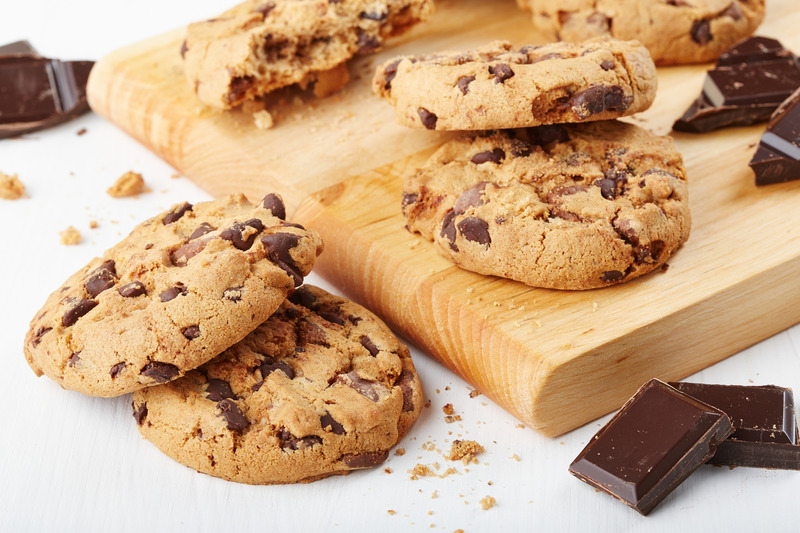


 Cookie chemistry begins when you combine ingredients to form dough. Flour proteins bond with water to create gluten networks that provide structure. Sugars dissolve in moisture from eggs and affect both sweetness and texture. Fats coat flour particles to limit gluten development and control spread during baking.
 Cookie chemistry involves four primary reactions that transform raw dough into finished cookies: sodium bicarbonate decomposition produces gas bubbles, amino acids and sugars form brown crusts through the Maillard reaction, sugar breaks down into caramel, and water evaporates to set the final texture.
 Temperature and timing control chemical reactions that determine cookie texture, spread, and structural integrity. Oven heat activates leavening agents, melts fats, and triggers Maillard reactions that create color and flavor.
 Cookie texture depends on ingredient ratios, mixing methods, and dough temperature before baking. You control whether cookies turn out chewy or crispy by adjusting fat content, moisture levels, and baking time.
 Crispy cookies result from reduced moisture content, extended baking times, and proper cooling that allows sugar structures to harden. You achieve crispiness by controlling three variables: the ratio of granulated sugar to brown sugar, the baking duration relative to cookie thickness, and the crystallization process during cooling.
 Cookie chemistry changes significantly when you substitute core ingredients. Each replacement alters protein structure, moisture content, or leavening reactions that determine final texture and rise.
 Baking mistakes stem from disrupting chemical reactions that control cookie structure, texture, and rise. Overmixing develops excess gluten, incorrect measurements alter ingredient ratios, and environmental factors like humidity affect both baking and storage.
 Applying baking chemistry principles improves cookie texture, consistency, and flavor through controlled mixing, ingredient ratios, and temperature management.
 Cookie baking is driven by a series of chemical reactions that affect texture, flavor, color, and structure. Understanding the science behind cookies helps explain why recipes require precise ingredients and measurements.


