What is the Most Important Ingredient in Bread? A Guide to Essential Components
Bread needs only a few essential ingredients: flour, water, salt, and yeast. If you ask which one matters most, the answer depends on what you value in your loaf.
Flour is the ingredient that provides bread’s primary structure. Its proteins form gluten, the network that traps fermentation gases and holds the dough together.
Without flour, the dough has no structural framework for the other ingredients to support. Water hydrates the flour, salt affects flavor and dough strength, and yeast produces carbon dioxide for leavening, but flour provides the foundation that makes wheat bread possible.
This article breaks down each ingredient’s role in bread making so you can see how they work together. You’ll also learn why some bakers argue that time, rather than any single ingredient, is what truly separates good bread from great bread.
The Short Answer: Flour Provides the Foundation
If you had to pick one bread ingredient that matters most, it’s flour. Flour supplies the starch and, in wheat bread, the proteins that help dough hold its shape and become bread.
Why Flour Is Essential to Bread Structure
Wheat flour contains two primary gluten-forming proteins called glutenin and gliadin. When you mix flour with water, these proteins interact during dough formation to form gluten.
Gluten creates an extensible network inside the dough. This network traps the carbon dioxide produced during fermentation, allowing bread to rise instead of remaining flat.
Flour’s protein content is a central factor in bread-making. Bread flour typically contains more protein than all-purpose flour, which can give dough greater strength and gas-holding capacity. Exact protein levels vary by brand and region.
Flour also supplies starch. During baking, starch absorbs water, swells, and helps set the loaf’s crumb. Without this combination of gluten-forming proteins and starch, wheat dough would not hold its shape or trap fermentation gases effectively.
Why No Single Ingredient Works Alone
Flour provides structure, but it cannot make bread by itself. Water hydrates the flour and allows gluten development and other dough reactions to occur.
Yeast ferments available sugars and produces carbon dioxide. The gluten network created from wheat flour helps retain that gas.
Salt contributes flavor and can strengthen dough while slowing yeast activity. Time allows hydration, gluten development, and fermentation to progress. Many bakers argue that patient handling of time during resting and proofing brings out the best in the other ingredients.
Each ingredient depends on the others. Flour builds the framework, while water, yeast, salt, and time influence how well that framework develops and performs.
How Flour Builds Structure and Texture
Flour does more than fill out a recipe. It gives dough shape, strength, and the ability to hold gas as it rises, shaping the crumb and chew of the finished loaf.
Glutenin and Gliadin Create Gluten
Wheat flour contains two key proteins: glutenin and gliadin. When you add water and mix, these proteins interact to form gluten.
Glutenin contributes strength and elasticity, while gliadin contributes extensibility, allowing dough to stretch without tearing.
Together, they create a network that traps gas bubbles produced by yeast or other leaveners. This network allows higher-protein wheat flour to build a structural lattice strong enough to hold bread’s shape as it bakes.
Without enough gluten-forming proteins, dough may struggle to retain gas and can collapse instead of rising properly.
Starch, Enzymes, Vitamins, and Minerals in Flour
Flour isn’t just protein. Most of it consists of starch and other carbohydrates, although the exact proportion varies by flour type.
During baking, starch absorbs water, swells, and helps set the dough’s final structure. This is part of how starch and protein work together to create the crumb you see once the bread cools.
Flour also contains small amounts of enzymes, vitamins, and minerals. Flour enzymes can help break down these carbohydrates into sugars that yeast uses during fermentation.
Vitamins and minerals in flour contribute to the loaf’s nutritional profile, although they are not the main factors controlling bread texture.
How Gluten Development Supports Dough Elasticity
Gluten development happens through mixing and kneading, as well as through resting and folding. As you work the dough, gluten proteins organize into a stronger, more elastic network.
This is why raw dough may start shaggy and loose but become smoother as you knead it. Appropriate gluten development helps dough stretch without breaking as gas builds inside it. Kneading longer is not always better, because excessive mixing can damage dough or create unwanted heat in some formulas.
If you use a higher-protein flour, you’ll often notice that the dough feels stronger and may require more water to reach the same consistency. On the other hand, insufficient mixing or folding can leave the gluten network weak, so the bread may turn out dense or flat instead of light and airy.
Choosing the Right Flour for Different Loaves
Your flour choice influences how much your bread rises, how chewy it feels, and how it tastes. In bread-making, protein content is an important factor because it affects the dough’s potential for gluten development, but hydration, mixing, fermentation, and the recipe also matter.
Bread Flour and High-Protein Doughs
If you want a strong, chewy loaf, bread flour is often a good option. Its protein content is typically higher than that of all-purpose flour, although the exact percentage varies by brand. This protein can support a stronger gluten network that retains fermentation gases, so bread flour provides a useful protein framework for a well-risen loaf.
You’ll notice the difference most in artisan loaves, bagels, and pizza dough. These bread types often benefit from extra dough strength to hold their shape and support a chewy bite.
Use bread flour when your recipe calls for a stronger dough, extended fermentation, or substantial shaping. The added strength can help the dough remain stable through fermentation and baking.
All-Purpose and Whole Wheat Flour
All-purpose flour generally has a moderate protein content, often around 10-12%, though values vary by brand. You can use it for many bread types, but the loaf may have less chew or strength than one made with higher-protein bread flour.
This flour works well for:
Soft sandwich bread
Rolls and buns
Quick breads that don’t rely on gluten development
Whole wheat flour changes dough in a different way. It includes the bran and germ from the wheat kernel, so whole wheat flour contains the bran and germ that are reduced or removed when flour is refined.
This adds fiber and can produce a denser texture because bran particles interfere with gluten development and absorb water. The suitable percentage depends on the recipe, flour, and desired loaf. Higher whole-wheat percentages usually require adjustments to hydration, mixing, and fermentation rather than a fixed limit.
Rye and Ancient Grain Options
Rye flour gives bread a distinct, earthy flavor, but rye dough relies less on wheat-style gluten for structure. You’ll often get better volume and handling when rye flour is mixed with wheat flour rather than used alone.
Ancient grains like spelt, kamut, and einkorn offer another way to add flavor and nutrients to loaves. These grains contain gluten, but their dough properties differ from modern bread wheat, so mixing, hydration, and fermentation may need adjustment.
Spelt works well blended with bread flour for a nuttier taste while retaining more structure. Kamut, a trademarked name commonly used for khorasan wheat, adds a buttery flavor and can work well in enriched doughs. Einkorn, one of the oldest cultivated wheat varieties, has a delicate dough structure that may suit flatbreads or shorter-fermentation recipes better than high-rise loaves.
If you need gluten-free bread, none of these gluten-containing grains is suitable. You’ll need a blend of gluten-free flours along with a binding agent like xanthan gum or another suitable binder to help mimic the structure gluten normally provides.
The Supporting Ingredients That Make Bread Rise
Flour provides bread’s main structure, but several other ingredients help it rise, develop texture, and taste right. In standard bread-making, each one plays a specific role.
Understanding how they interact can help you get better results throughout the bread making process.
Water and Hydration Levels
Water hydrates flour and initiates dough formation, allowing gluten development and enzyme activity to begin. Without it, your dough would remain a dry mixture of flour with no workable elasticity.
Your hydration level, meaning the ratio of water to flour by weight, changes the texture of bread. Higher-hydration doughs, such as those used for some ciabatta, can produce a more open crumb with larger holes. Lower-hydration doughs generally produce a tighter crumb, although flour type and handling also affect the result.
Water also affects yeast activity. If dough is too dry, yeast has less access to dissolved nutrients and the dough ferments more slowly. Getting the hydration level right sets the stage for the other processes that shape your dough.
Yeast Fermentation and Carbon Dioxide
Yeast makes many breads rise. During yeast fermentation, this living organism consumes available sugars in the dough and releases carbon dioxide and alcohol as byproducts. The gas becomes trapped in the gluten network, causing the dough to expand, as explained in this guide on what makes bread rise.
You have several yeast options to choose from:
Active dry yeast – can be dissolved in warm water before use, although many products can also be mixed directly into the flour
Instant yeast – can be mixed directly into the dry ingredients
Fresh yeast – has a shorter shelf life and is typically sold refrigerated
Wild yeast – naturally occurring yeast used in sourdough baking
Temperature affects how quickly yeast ferments. Warmer dough generally ferments faster, while cooler dough slows fermentation and can support more flavor development.
Salt, Sugar, and Other Sweeteners
Salt does more than add flavor to bread. It strengthens the dough by tightening the gluten network and slows yeast activity, giving you more control over fermentation. Excessive salt can inhibit yeast, so measuring it carefully matters.
Sugar and other sweeteners provide yeast with fermentable sugars, although yeast also obtains sugars from starch breakdown in the flour. Sweeteners can speed fermentation when used in sufficient amounts and add sweetness to the finished loaf. Honey and molasses also contribute moisture and flavor, while their concentration can affect how quickly dough rises.
You should balance salt and sugar carefully. Too little salt can produce a fast rise and bland flavor, while a high concentration of sugar can slow fermentation by competing with yeast for available water.
Sourdough and Chemical Leavening
Not all leavened bread relies on commercial yeast. Sourdough bread uses a sourdough starter, a mixture of flour and water that contains wild yeast and lactic-acid bacteria. The starter ferments the dough, contributing carbon dioxide, acidity, and flavor. The resulting texture depends on the recipe and fermentation process.
Chemical leavening agents work differently. Baking soda reacts with acidic ingredients to produce carbon dioxide. Baking powder contains both a base and one or more dry acids, so it needs moisture and, depending on the formula, heat to activate.
You’ll find chemical leavening in quick breads such as banana bread and biscuits, where a rapid rise is useful. Yeast-based methods take longer but can build more complex flavor through extended fermentation.
How Technique Turns Ingredients Into a Loaf
Good ingredients only get you so far in bread-making. How you mix, proof, and bake the dough determines whether you end up with a dense loaf or bread with a light, open crumb.
Mixing and Kneading for Strength
When you mix flour and water, two proteins called glutenin and gliadin begin to form gluten. Kneading accelerates the development of this network.
As you knead, you stretch and fold the dough repeatedly. This organizes the gluten proteins into a network that can retain fermentation gases. The gluten matrix becomes stronger and more elastic as the dough develops, although excessive mixing can damage some doughs.
You don’t have to knead by hand or for a long time to build strength. Resting the dough and using folds can also develop gluten over time, while an electric mixer speeds up the process for heavier doughs such as challah.
How much water you use also matters:
More water makes dough wetter and harder to shape, but generally more extensible.
Less water makes dough stiffer and easier to handle, but less extensible.
Proofing for Flavor and Volume
Proofing is a vital stage in bread-making that gives your dough time to rise before baking. During this stage, yeast consumes fermentable sugars and releases carbon dioxide and alcohol.
This process is called fermentation. It helps bread rise and builds flavor as fermentation byproducts and organic acids develop in the dough.
Temperature controls the speed of fermentation. Warmer dough generally ferments faster, while cooler dough ferments more slowly and can develop more flavor over a longer period.
The type and amount of yeast also affect the timeline. Instant yeast and active dry yeast can perform similarly when used correctly, but their recommended amounts, mixing methods, and proofing times may differ by product.
Judging when dough is fully proofed takes practice. Underproofed dough may have limited oven spring, while overproofed dough can weaken and collapse.
Baking, Oven Spring, and Browning
Once your dough enters the oven, heat causes a rapid rise called oven spring. Gases inside the dough expand, and yeast may continue producing carbon dioxide briefly until the rising temperature inactivates it.
At the same time, water inside the dough turns to steam. This increases internal pressure and helps the dough expand before the crumb structure sets.
As baking continues, the surface of the dough dries and browns. Browning results from several reactions, including the Maillard reaction, a chemical reaction between reducing sugars and amino acids, as well as caramelization.
The Maillard reaction produces deep golden color along with rich crust flavors. The exact temperature depends on moisture and surface conditions, so a single threshold does not apply to every loaf.
Inside the loaf, starch granules absorb water and swell, then gelatinize as the bread heats. This helps form the final crumb structure and gives the bread its texture as it cools.
When Enrichments Change the Result
Adding fats, milk, eggs, and sugar to dough changes the finished bread. These ingredients affect crumb softness, moisture retention, browning, shelf life, and which recipes work best with the dough.
Fats for Softness and Shelf Life
When you add fat to dough, you generally get a softer crumb and a loaf that stays palatable longer. Butter, oil, and lard all work, but each changes the bread’s flavor, texture, and handling properties.
Butter adds flavor along with fat, which is why it appears in recipes such as brioche. Olive oil also gives bread a softer bite, but its flavor works better in some breads than others.
You need to watch how much fat you add. Too little may provide less tenderness, while too much can interfere with gluten development and weaken the dough, potentially producing a dense or poorly structured loaf.
Milk and Eggs in Enriched Dough
Milk and eggs both add moisture and richness to dough, but they work in different ways. Milk contributes water, milk sugar, protein, and, depending on the type, fat, helping create a tender crumb with more complex flavor than water alone.
Eggs contribute water, fat, protein, emulsifiers, color, and structure. Their emulsifying properties can help distribute fat and water, while the proteins set during baking. Eggs also add color and richness, which is why they appear in recipes for brioche and challah.
If you use milk powder instead of liquid milk, you get more control over hydration. Just remember to add the water that the liquid milk would have provided and account for the milk powder’s additional solids.
Matching Ingredients to Bread Recipes
Choose enrichments based on the bread style and the texture you want. Enriched breads use ingredients such as butter, eggs, milk, sugar, or oil for a softer crumb, richer flavor, and improved browning, while lean breads rely mainly on flour, water, salt, and yeast.
Bread Type
Common Enrichments
Result
Brioche
Butter, eggs, sugar
Rich, soft, buttery crumb
Challah
Eggs, oil, sugar
Tender crumb, golden color
White sandwich bread
Milk, sugar, small amount of fat
Soft, mild flavor
Lean bread (baguette)
None
Crackly crust, open crumb
Sweeter, richer breads often need more time to rise because high amounts of sugar can slow yeast fermentation by drawing moisture away from the yeast, while fat can slow gluten development and fermentation. King Arthur Baking explains that enriched doughs containing substantial amounts of sugar and fat generally require longer fermentation and kneading times.
If you’re baking a lean bread, keep the formula simple with flour, water, salt, and yeast. These ingredients provide the basic structure and fermentation needed for a traditional lean bread. King Arthur Baking provides further information on the role of yeast in bread making.
Pick your ingredients based on the texture you want. A soft dinner roll needs different treatment than a crusty artisan loaf.
What Is the Most Important Ingredient in Bread? Expert Baking Explanation
The most important ingredient in bread is usually flour, because it provides the starch and proteins needed to create the loaf’s structure. When flour is mixed with water, its gluten-forming proteins—gliadin and glutenin—combine to form an elastic network. This network traps the carbon dioxide produced by yeast, allowing the dough to rise and giving the finished bread its shape and chewy texture. King Arthur Baking explains the role of gluten in bread.
However, flour cannot create good bread on its own. Bread depends on a balance of flour, water, yeast, and salt, with each ingredient performing a different job. King Arthur Baking’s yeast-bread guide identifies flour, liquid, and yeast as the basic components of yeast bread, while salt is commonly added for flavour and fermentation control.
Why Is Flour So Important in Bread?
Flour is the foundation of most bread recipes. Its proteins develop gluten when hydrated and mixed, while its starch absorbs water and helps form the crumb during baking. Stronger bread flour generally contains more protein than softer flours, which can help produce a taller loaf with a chewier texture.
The University of Utah’s bakery and confectionery teaching material describes gluten as an important structure-building component in baked products. Without enough gluten development, yeast may produce gas, but the dough may not be able to hold that gas effectively, resulting in a dense or flat loaf.
Water is the ingredient that activates the flour. It hydrates the proteins, allows gluten to develop, dissolves salt, and helps yeast function. According to King Arthur Baking’s sourdough guide, water activates the gluten in flour and acts as a solvent that distributes the other ingredients throughout the dough.
Yeast is responsible for fermentation and rising. It consumes available sugars and releases carbon dioxide, which becomes trapped in the gluten network. Salt does not make the dough rise, but it adds flavour, strengthens the dough, and slows yeast activity so fermentation does not happen too quickly.[kingarthurbaking]
Is Flour Always the Most Important Ingredient?
Not necessarily. The answer depends on what you want the ingredient to do. Flour provides the bread’s basic structure, yeast creates the rise, water develops the dough, and salt controls flavour and fermentation. If one ingredient is missing or used incorrectly, the final loaf can be affected.
For example, a bread dough with strong flour but too little water may be stiff and difficult to mix. Too much yeast can cause the dough to over-ferment, while too little salt can produce bland bread with weak fermentation control. This is why experienced bakers consider the ingredients as a system rather than treating one ingredient as important in every situation.
In simple terms, flour is the structural foundation of bread, but water, yeast, and salt are essential partners. For a dependable loaf, use a suitable flour, measure the water accurately, allow enough time for fermentation, and add salt according to the recipe.
The exact result will also depend on the type of bread being made. Enriched breads may include milk, eggs, butter, oil, or sugar, while sourdough relies on a fermented starter instead of commercial yeast.
FAQ: What Is the Most Important Ingredient in Bread?
Flour is generally the most important ingredient in bread because it provides the structure needed to form the loaf. The proteins in wheat flour, particularly gluten-forming proteins, help create the network that traps carbon dioxide produced by yeast.
Why Is Flour Important in Bread?
Flour provides starch and proteins that form the foundation of the dough. When wheat flour is mixed with water and worked, gluten develops and gives the dough strength and elasticity.
Is Water Important in Bread?
Yes. Water hydrates the flour, allowing gluten to develop and helping enzymes and yeast function properly. The amount of water also affects the dough’s consistency and the texture of the finished bread.
Is Yeast the Most Important Ingredient in Bread?
Yeast is important for yeasted bread because it produces carbon dioxide during fermentation, which helps the dough rise. However, yeast cannot create the structure of the loaf without flour and the gluten network.
Can You Make Bread Without Flour?
Traditional bread generally requires some type of flour or meal to provide its structure, although alternative breads can use ingredients such as ground grains, nuts, seeds, or starches. The resulting texture and characteristics can be very different from conventional wheat bread.
What Are the Four Main Ingredients in Bread?
A basic yeast bread can be made with flour, water, yeast, and salt. Each has a different role: flour provides structure, water hydrates the dough, yeast provides leavening, and salt contributes flavor while also affecting fermentation and dough strength.
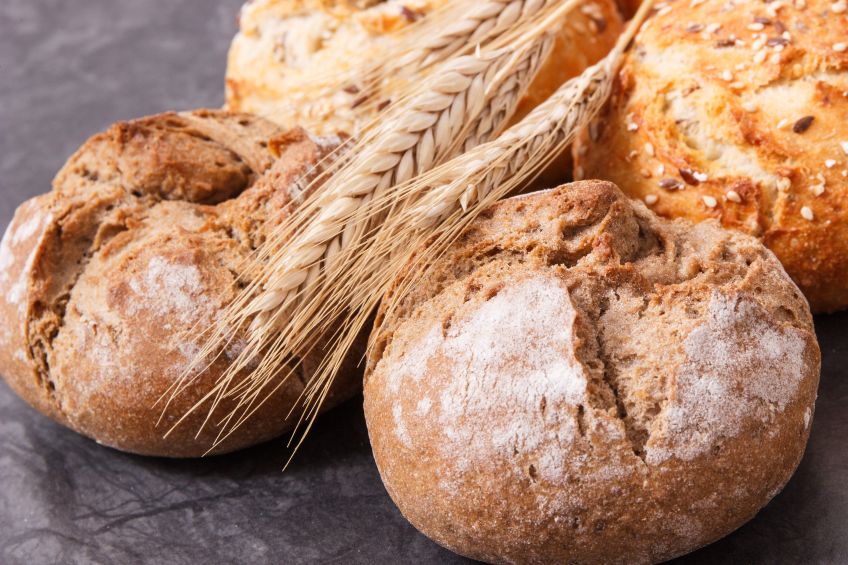


 Flour does more than fill out a recipe. It gives dough shape, strength, and the ability to hold gas as it rises, shaping the crumb and chew of the finished loaf.
 Your flour choice influences how much your bread rises, how chewy it feels, and how it tastes. In bread-making, protein content is an important factor because it affects the dough’s potential for gluten development, but hydration, mixing, fermentation, and the recipe also matter.
 Flour provides bread’s main structure, but several other ingredients help it rise, develop texture, and taste right. In standard bread-making, each one plays a specific role.
 Good ingredients only get you so far in bread-making. How you mix, proof, and bake the dough determines whether you end up with a dense loaf or bread with a light, open crumb.
 Adding fats, milk, eggs, and sugar to dough changes the finished bread. These ingredients affect crumb softness, moisture retention, browning, shelf life, and which recipes work best with the dough.
 The most important ingredient in bread is usually flour, because it provides the starch and proteins needed to create the loaf’s structure. When flour is mixed with water, its gluten-forming proteins—gliadin and glutenin—combine to form an elastic network. This network traps the carbon dioxide produced by yeast, allowing the dough to rise and giving the finished bread its shape and chewy texture. King Arthur Baking explains the role of gluten in bread.
 Flour is generally the most important ingredient in bread because it provides the structure needed to form the loaf. The proteins in wheat flour, particularly gluten-forming proteins, help create the network that traps carbon dioxide produced by yeast.


