What is the Science Behind Baking? Understanding the Chemistry of Your Favorite Treats
Baking looks simple on the surface, but a lot happens inside your oven that you can’t see.
Baking is a science because heat causes chemical reactions between flour, eggs, sugar, fat, and leavening agents that turn a liquid batter into a solid baked good.
Every ingredient you add plays a specific role in that transformation.
When you understand baking science, you stop guessing and start knowing why a recipe works. You’ll see why gluten forms structure, why sugar affects texture, and why the wrong amount of baking soda can ruin a cake. This knowledge helps you fix mistakes and adjust recipes with confidence.
This article breaks down the chemistry of baking in plain terms. You’ll learn what each ingredient does, how heat changes your batter or dough, and why small changes can lead to big differences in your results.
How Ingredients Build Structure, Texture, and Moisture
Every baked good depends on a balance between structure-builders and tenderizers. When you understand how flour, fat, sugar, eggs, and dairy interact, you can predict how a recipe will turn out before it even goes in the oven.
Flour, Water, and Gluten Development
Flour gives your baked goods their backbone. When flour meets water, two proteins called glutenin and gliadin link together to form gluten, a stretchy network that traps gas and holds your dough or batter together.
The amount of gluten you develop depends on your flour choice. Bread flour has more protein, so it builds strong gluten for chewy loaves. Cake flour has less protein, which keeps cakes soft and delicate. All-purpose flour sits in the middle and works for most everyday recipes.
Mixing time matters too. The more you stir or knead, the more gluten forms.
That’s why bread dough gets kneaded for several minutes, while cake batter is mixed just until combined.
Starches in flour also play a role. As your batter heats up, starch granules absorb liquid and swell, then set into a firm structure as the product bakes.
Sugar, Fats, and a Tender Crumb
Sugar and fat work together to keep your baked goods soft instead of tough. Both ingredients interfere with gluten formation, which limits how much structure builds in your dough or batter.
Fats like butter, oil, shortening, and lard coat flour proteins. This coating stops gluten strands from binding as tightly, so your final product turns out tender rather than chewy.
When you cream butter with sugar, sharp sugar crystals cut tiny air pockets into the fat. These pockets later fill with gas from your leavening agent, giving you a light, even crumb.
Different sugars affect texture in different ways:
Granulated sugar creates a light, even crumb and helps with browning.
Brown sugar adds moisture and a soft, dense texture because of its molasses content.
Liquid sweeteners like honey add moisture but can make baked goods denser.
Eggs and dairy add moisture, richness, and structure at the same time. Egg whites contain proteins that firm up as they heat, adding strength to your batter’s structure. Egg yolks bring fat, which softens texture and helps blend wet and dry ingredients evenly.
Milk and other dairy liquids add moisture while also contributing proteins and milk sugars that support browning. The water in milk activates gluten formation and helps dissolve sugar and salt evenly throughout your batter.
Your ratio of eggs to liquid affects the final texture directly. More eggs give you a firmer, more structured result, while more milk or cream produces a softer, more delicate crumb.
Getting your ingredient ratios right is what separates a dense, gummy cake from one with a light, even texture.
How Leavening Creates Rise and Airiness
Leavening agents create the gas bubbles that give bread, cakes, and other baked goods their light, airy texture. You can group these leaveners into three main types: yeast, baking soda, and baking powder, each working through a different process to produce carbon dioxide.
Yeast Fermentation in Bread Dough
Yeast is a living organism, and the type used in bread making is called Saccharomyces cerevisiae. When you mix yeast into dough, it starts to feed on the sugars and starches in the flour.
This feeding process is called fermentation. As yeast breaks down sugars, it releases carbon dioxide gas and small amounts of alcohol.
The gas gets trapped inside the dough’s gluten network. This is what causes your dough to rise and gives bread its open, airy crumb.
Fermentation takes time, often one to two hours or longer. You’ll notice the dough double in size as the yeast works. The alcohol produced mostly bakes off in the oven, though it adds subtle flavor to the finished loaf.
Baking Soda and Acidic Ingredients
Baking soda, also known as sodium bicarbonate, is a chemical leavener. It needs an acid to trigger a reaction.
When baking soda meets an acidic ingredient, it produces carbon dioxide gas almost right away. This reaction happens fast, so you usually need to bake the batter soon after mixing.
Common acidic ingredients that activate baking soda include:
Buttermilk
Yogurt
Lemon juice
Vinegar
Brown sugar
You’ll find this combination in recipes like pancakes, quick breads, and some cookies. If your recipe doesn’t include enough natural acid, the baking soda won’t fully react. This can leave a soapy or bitter taste in your finished product.
How Baking Powder Works
Baking powder is different from baking soda because it already contains its own acid. This acid is usually cream of tartar or a similar dry acidic compound.
Because the acid and base are combined in one product, baking powder only needs moisture to start working. You don’t need to add extra acidic ingredients like buttermilk or yogurt.
Most baking powders sold today are “double-acting.” This means they release gas twice: once when they get wet, and again when they’re exposed to heat in the oven.
This two-stage release gives your batter more time before baking and helps create a steady, reliable rise. You’ll typically use baking powder in cakes, muffins, and biscuits where you want a light texture without depending on acidic ingredients already in the recipe.
What Heat Does Inside the Oven
Heat inside your oven does three main jobs. It expands gas bubbles to make your baked goods rise, it changes the structure of starches and proteins so batter turns solid, and it builds a crust on the outside while setting a soft crumb inside.
Gas Expansion and Heat Transfer
Heat moves into your dough or batter through three paths: conduction from the pan, convection from hot air, and radiation from the oven walls. Each one plays a part in how your food cooks.
As the inside heats up, gas bubbles trapped in the batter start to expand. Carbon dioxide from yeast or baking powder grows larger as the temperature rises. Water also turns to steam, adding even more gas pressure inside the dough.
This expansion is what makes bread, cakes, and pastries rise. The gas pushes against the structure around it, stretching it outward.
Your baking time affects how much this expansion happens before the structure sets. Too short, and the gas hasn’t fully expanded. Too long, and the structure locks before it can rise further.
Starch Gelatinization and Protein Coagulation
Two changes happen at the same time inside your dough or batter. Starches absorb water and swell, a process called gelatinization. This starts around 140°F and continues as the temperature climbs higher.
At the same time, proteins in the dough or batter go through protein coagulation. Heat causes these proteins to unfold and link together, forming a solid network. This happens with egg proteins in cakes and gluten proteins in bread.
Both processes work together to turn a liquid batter or soft dough into something firm. Without them, your baked goods would never hold their shape once they leave the oven.
Setting the Crumb and Forming the Crust
The inside and outside of your baked goods cook differently. Inside, the crumb sets as gas bubbles stop expanding and the starch and protein network locks into place. This gives cakes and bread their soft, spongy texture.
Outside, the surface loses moisture faster than the inside. As water evaporates, sugars and proteins on the surface brown through a reaction called the Maillard reaction. This is what gives bread and pastries their golden-brown crust.
The difference between crumb and crust comes down to moisture and heat exposure. The crust dries out and browns because it sits closest to the oven’s heat. The crumb stays moist because the surrounding dough or batter protects it.
Once this structure sets, you can’t reverse it. Pulling your baked goods out early won’t undo overbaking, and leaving them in longer won’t fix an underbaked center.
Why Baked Goods Brown and Develop Flavor
Browning happens through two separate chemical processes, and both change how your baked goods taste and smell. Salt and dairy add another layer of flavor by working alongside these reactions rather than causing browning on their own.
The Maillard Reaction
The Maillard reaction happens when proteins and sugars in your dough or batter react to each other under heat. This reaction starts around 280°F to 330°F and creates hundreds of new flavor compounds. It’s why bread crusts turn golden-brown and why cookies get that toasted, slightly nutty smell.
You’ll see this reaction happen fastest on the surface of your baked goods, where heat is highest. Foods with more protein, like eggs or milk-based batters, brown faster than those without.
You can control this reaction with a few adjustments:
Raise oven temperature slightly for a deeper crust color
Add an egg wash to boost protein at the surface
Increase bake time to let color build without burning
If your baked goods stay pale, check your oven temperature first. Low heat is the most common reason browning doesn’t happen.
Caramelization of Sugars
Caramelization is a different process from the Maillard reaction, even though both cause browning. This one only involves sugar, not protein. When sugar gets hot enough, it breaks down and forms new compounds with a deep, slightly bitter, toasty flavor.
Caramelization needs higher heat than the Maillard reaction, usually above 320°F. You see it happen on cookie edges, pie crust tops, and any spot where sugar sits close to direct heat.
Brown sugar caramelizes a bit differently than white sugar because it already contains molasses. This gives baked goods like cookies a richer, deeper flavor even before caramelization fully kicks in.
If you want more caramelized flavor in your bakes, try these:
Use a slightly higher oven temperature for the last few minutes
Choose brown sugar over white sugar for deeper flavor
Let edges bake a little longer without burning the center
The Flavor Role of Salt and Dairy
Salt and dairy don’t cause browning, but they shape how your baked goods taste once browning happens. Salt controls sweetness and makes other flavors, including those from the Maillard reaction, stand out more clearly.
Butter and milk both contain proteins and natural sugars, which support the Maillard reaction at the surface of baked goods. This is one reason butter-based cookies often brown more evenly than those made with oil.
Dairy fat, especially from butter, also carries flavor compounds and helps create a tender texture. Milk proteins can react with sugars in the same way flour proteins do, adding to the golden color you see in enriched breads and cakes.
A pinch of salt in almost any recipe, from bread dough to cookie batter, sharpens flavor and balances sweetness from sugar or caramelized edges.
Mixing Methods and Measurement Control
The way you mix your ingredients and how carefully you measure them will decide if your baked goods turn out right. Small changes in technique or amounts can lead to big differences in texture and structure.
The Creaming Method and Air Incorporation
When you cream butter and sugar together, you create tiny air pockets in the mix. These pockets trap air and help your cake or cookies rise properly during baking.
You should beat butter and sugar until the mixture turns pale and fluffy. This usually takes three to five minutes with a stand mixer. If you stop too early, your batter won’t hold enough air.
Room temperature butter works best for this step. Cold butter won’t trap air well, and melted butter won’t hold any air at all.
Adding eggs one at a time also helps keep air in the batter. If you dump all your eggs in at once, you risk deflating the mixture you just worked to build.
Avoiding Excess Gluten Formation
Gluten forms when flour mixes with liquid and gets worked through mixing or kneading. Too much mixing builds too much gluten, which makes your baked goods tough and chewy instead of soft and tender.
This matters most for cakes, muffins, and quick breads. You want to mix these batters just until the flour disappears into the wet ingredients. Stop as soon as you don’t see dry flour anymore.
Bread dough is different. You want strong gluten formation here, since it gives bread its chewy texture and helps it hold its shape.
Here’s a quick guide for mixing based on what you’re making:
Baked Good
Mixing Goal
Gluten Level
Bread
Knead until smooth and elastic
High
Muffins
Mix until just combined
Low
Cakes
Mix until batter is smooth
Low to moderate
Pie crust
Mix minimally, keep butter cold
Very low
Overmixing egg whites can cause a different problem. If you beat them too long, they turn dry and clumpy instead of smooth and glossy.
Why Accurate Ratios Matter
Baking relies on exact ingredient ratios to work correctly. Unlike cooking, where you can adjust seasonings by taste, baking follows chemical reactions that need specific amounts to succeed.
Too much flour makes your dough dry and dense. Too little sugar can change how your baked good browns and holds moisture. Even a small shift in liquid amounts can throw off your final texture.
This is why a kitchen scale often works better than measuring cups. Cups can pack flour down differently depending on how you scoop it, but a scale gives you the exact same weight every time.
If you don’t own a scale, spoon flour into your measuring cup instead of scooping directly from the bag. Scooping compresses the flour and can add up to 20% more than the recipe calls for.
Following your recipe’s exact measurements, especially for flour, sugar, and liquids, keeps your results consistent every time you bake.
Using Baking Science to Troubleshoot Recipes
Most baking problems trace back to one of three causes: wrong ingredient ratios, incorrect oven temperature, or a mistake in how leavening agents were used. When you understand what each ingredient does, you can look at a failed bake and figure out exactly what went wrong.
Dense, Tough, or Dry Results
Dense or tough baked goods usually mean too much gluten formed in your dough or batter. This happens when you overmix flour with liquid, which builds strong gluten strands. Gluten gives bread its chew, but in cakes and cookies, too much of it creates a heavy, rubbery texture.
Dry results often point to a different issue: too much flour or not enough fat and liquid. Ingredient ratios matter here. Fat coats flour particles and limits gluten formation, while liquid supports moisture retention during baking.
To fix these problems, try these steps:
Measure flour by weight, not by volume
Mix batter only until ingredients combine
Check that your fat-to-flour ratio matches the recipe
Collapsed Cakes and Poor Rise
A cake that collapses or fails to rise usually has a leavening problem. Baking soda and baking powder create carbon dioxide gas that gets trapped in the batter, causing dough rise. If you use too little, or if your baking powder is old, the cake won’t rise enough.
Too much leavening causes a different problem. The gas bubbles form too fast and too big, then collapse before the structure sets.
Yeast breads face a similar issue. If your yeast is inactive or your kitchen is too cold, the dough won’t rise properly. Always check expiration dates on leavening agents and proof yeast in warm water before use.
Uneven Baking and Browning
Uneven baking almost always comes down to heat transfer problems. Ovens often have hot spots, and actual temperatures can differ from what the dial shows.
An oven thermometer solves this issue quickly. Place one inside your oven to check the real temperature, then adjust your baking time or oven setting as needed.
Pan placement also affects browning. Cakes or cookies too close to the top or bottom heating element brown faster on one side. Rotating pans halfway through baking helps you get even color and texture across the whole batch.
FAQ: What Is the Science Behind Baking?
Baking is a combination of chemistry, physics, and precise technique. Heat transforms raw ingredients through a series of chemical and physical changes that create the structure, texture, flavor, color, and aroma of baked foods.
What Is the Science Behind Baking?
The science behind baking involves chemical and physical changes that occur when ingredients are mixed and heated. Flour, water, fats, sugars, eggs, and leavening agents interact to create the structure and characteristics of the finished product.
Why Is Baking Considered a Science?
Baking depends on accurate measurements, controlled temperatures, and specific ingredient ratios. Even small changes can affect how a baked product rises, sets, browns, spreads, or retains moisture.
What Chemical Reactions Happen During Baking?
Several important reactions take place during baking, including:
Leavening: Produces gases that help dough and batter rise.
Protein coagulation: Helps eggs and other proteins set and provide structure.
Starch gelatinization: Allows starches to absorb moisture and contribute to structure.
Caramelization: Causes sugars to develop deeper color and flavor.
Maillard reaction: Involves reactions between amino acids and reducing sugars that create browning and complex flavors.
How Does Heat Change Baked Goods?
Heat melts fats, expands gases, activates or accelerates leavening, evaporates moisture, and causes proteins and starches to set. Together, these changes transform soft dough or batter into a firm, structured baked product.
What Role Does Flour Play in Baking?
Flour provides much of the structure in baked goods. When flour is hydrated and mixed, certain proteins can form gluten, which gives dough elasticity and helps it retain gases produced during fermentation or chemical leavening.
How Do Baking Soda and Baking Powder Work?
Baking soda and baking powder are chemical leavening agents that can produce carbon dioxide gas. The gas forms bubbles within dough or batter, which expand during baking and contribute to a lighter texture.
Why Is Sugar Important in Baking Chemistry?
Sugar does more than provide sweetness. It affects moisture retention, tenderness, spreading, and browning, while also contributing to caramelization and certain browning reactions.
What Does Fat Do During Baking?
Fats such as butter and oil contribute to tenderness, moisture, flavor, and texture. Fat can also limit gluten development, helping create softer and less chewy baked goods.
Why Are Eggs Important in Baking?
Eggs contribute structure, moisture, emulsification, and richness. Their proteins coagulate when heated, helping the baked product set and maintain its shape.
Why Does Temperature Matter So Much in Baking?
Temperature controls the speed and timing of many reactions taking place in the oven. An oven that is too hot or too cool can cause problems such as uneven browning, poor rising, excessive dryness, or an undercooked center.
Is Baking Chemistry or Physics?
Baking involves both chemistry and physics. Chemistry explains reactions such as leavening, protein changes, and browning, while physics explains heat transfer, evaporation, melting, and the expansion and movement of gases.
Why Do Baked Foods Brown?
Browning mainly occurs through the Maillard reaction and caramelization. These processes help create the golden-brown color, distinctive aromas, and complex flavors associated with many baked foods.
Why Are Precise Measurements Important in Baking?
Precise measurements help maintain the intended balance between ingredients. Changing the amount of flour, liquid, fat, sugar, or leavening can alter the reactions taking place and significantly affect the structure, texture, rise, and appearance of the finished product.
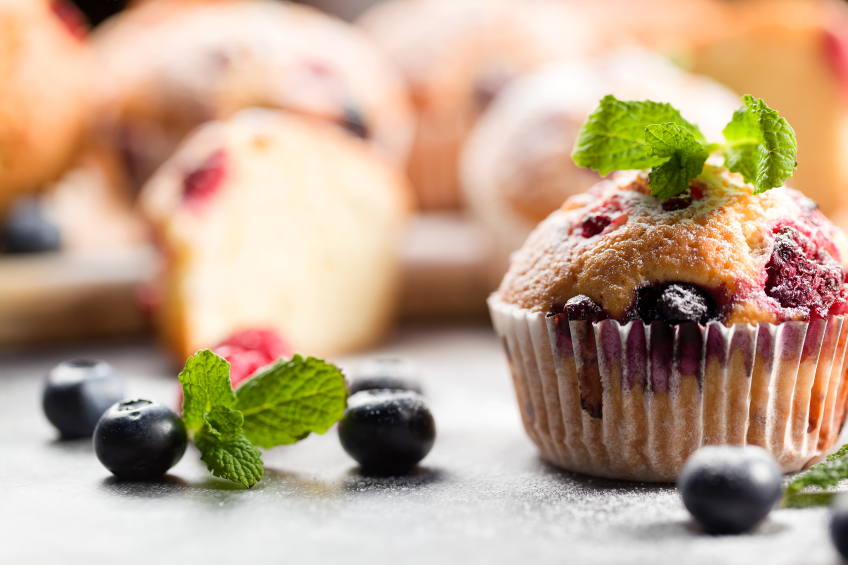


 Every baked good depends on a balance between structure-builders and tenderizers. When you understand how flour, fat, sugar, eggs, and dairy interact, you can predict how a recipe will turn out before it even goes in the oven.
 Leavening agents create the gas bubbles that give bread, cakes, and other baked goods their light, airy texture. You can group these leaveners into three main types: yeast, baking soda, and baking powder, each working through a different process to produce carbon dioxide.
 Heat inside your oven does three main jobs. It expands gas bubbles to make your baked goods rise, it changes the structure of starches and proteins so batter turns solid, and it builds a crust on the outside while setting a soft crumb inside.
 Browning happens through two separate chemical processes, and both change how your baked goods taste and smell. Salt and dairy add another layer of flavor by working alongside these reactions rather than causing browning on their own.
 The way you mix your ingredients and how carefully you measure them will decide if your baked goods turn out right. Small changes in technique or amounts can lead to big differences in texture and structure.
 Most baking problems trace back to one of three causes: wrong ingredient ratios, incorrect oven temperature, or a mistake in how leavening agents were used. When you understand what each ingredient does, you can look at a failed bake and figure out exactly what went wrong.


