How Many Eggs Should Be Used in a Cake? A Baking Guide
Most standard cake recipes use two to four large eggs per batch, depending on the type and size of the cake. The right number of eggs is crucial for structure, moisture, and texture, so always follow your recipe’s guidance for best results.
Eggs are a foundational ingredient in cake baking. They provide structure, moisture, and act as a binding agent for other ingredients.
The quantity of eggs directly influences the cake’s texture—too few can result in a dense or crumbly cake, while too many may make it rubbery or overly moist.
Different cake styles require different egg ratios. For example, a classic butter cake uses fewer eggs than a delicate sponge cake. Understanding the function of eggs in your specific recipe helps you achieve the desired crumb and rise every time you bake.
Quick Egg Count Guidelines by Cake Type
Egg amounts vary by cake style. Dense cakes, airy cakes, and boxed mixes each have optimal egg quantities for best texture and rise.
Standard Homemade Cakes
For most homemade cakes, including basic vanilla, chocolate, and spice cakes, use two to four large eggs per recipe. This range is typical for cakes using 1–3 cups of flour.
As a general guideline, use one large egg per cup of flour. Eggs provide structure and moisture, so reducing eggs can lead to a dry or fragile cake.
Always follow the egg count specified in a reliable recipe to maintain consistent texture and rise.
Butter and Layer Cakes
Butter cakes and layer cakes generally require two to three large eggs per layer or per single-batch recipe. This applies to both homemade batters and scratch-made mixes.
Eggs emulsify fat and liquid, creating a smooth, cohesive batter. Proper egg quantity ensures each cake layer is sturdy enough for stacking and frosting.
When baking multi-layer cakes, match the egg count to the intended pan size and number of layers to ensure structural integrity.
Pound Cakes and Other Rich Cakes
Pound cakes typically use a higher egg count, often four to six large eggs per recipe. Whole eggs are mixed directly into the butter and sugar, resulting in a dense, tender crumb.
The additional eggs add richness and help the cake hold its shape without relying heavily on chemical leaveners. This is characteristic of pound cakes and other rich cakes like fruit cakes and bundt cakes, which depend on eggs for both structure and flavor.
Sponge, Chiffon, and Angel Food Cakes
Sponge cakes require a high egg-to-flour ratio, often using three to four large eggs per cup of flour to achieve their signature light, airy texture.
Chiffon cakes are similar but include oil for extra moisture. Eggs are essential for trapping air and providing rise, especially since these cakes use minimal chemical leaveners.
Angel food cakes rely almost entirely on egg whites—typically about 12 per cake—with no yolks or added fat. The whipped egg whites create the structure and lift for these exceptionally light cakes. [Cite: King Arthur Baking or university food science resources]
Boxed Mixes and Pan Size Considerations
Boxed cake mixes usually require two to three large eggs, regardless of flavor. This standardization ensures consistent results across brands.
Pan size influences how eggs perform in the batter. Standard 9-inch round pans work well with the typical egg count, but larger pans may require recipe adjustments to maintain proper structure.
If increasing the recipe size for larger cakes or more layers, scale the egg count proportionally to preserve texture and moisture balance. Always consult the recipe before making changes, as adjusting eggs without modifying other ingredients can affect the final outcome.
Why Eggs Matter in Cake Batter
Eggs are essential in cake batter for structure, moisture, emulsification, and leavening. They help cakes rise, hold their shape, and develop a tender, moist crumb.
Structure, Binding, and Cake Rise
Egg proteins coagulate during baking, setting the cake’s structure and holding ingredients together. Eggs act as a binding agent, preventing separation of flour, sugar, and fat.
Insufficient eggs can cause cakes to crumble or collapse; excess eggs can make the cake dense or custard-like. The right amount supports proper rise by trapping air as the cake bakes.
Moisture, Tenderness, and Richness
Eggs add significant moisture to cake batter. Both yolks and whites are mostly water, which turns to steam in the oven, helping to keep cakes moist.
Egg yolks contribute fat, resulting in a richer, more tender crumb. Some recipes use extra yolks for enhanced richness, especially in pound cakes and custard-based desserts.
Egg whites provide moisture and structure without additional fat, helping keep cakes light while retaining moisture.
Emulsification for a Smooth Crumb
Egg yolks contain lecithin, a natural emulsifier that helps fat and water-based ingredients blend smoothly. Proper emulsification produces a fine, even crumb.
This is why recipes often direct you to add eggs one at a time and mix thoroughly after each addition. Adding eggs too quickly or skipping this step can cause a curdled batter and uneven texture.
Whipped Eggs as Natural Leavening
Whipping eggs—especially egg whites—incorporates and traps air, allowing them to act as a natural leavening agent. During baking, the trapped air expands and helps give cakes such as sponge and angel food cake their light, airy texture, often without chemical leaveners. King Arthur Baking.
Proper whipping technique is crucial; overmixing or undermixing can deflate the batter, resulting in a denser cake.
Choosing the Right Egg Size and Form
Egg size and whether you use whole eggs or separated eggs both impact the balance of liquid, protein, and fat in your cake, directly affecting texture and rise.
Why Recipes Usually Specify Large Eggs
Most cake recipes are standardized for large eggs, which provide a consistent amount of liquid, protein, and fat. A large egg weighs about 50 grams (33 grams white, 17 grams yolk). If a recipe lists “3 eggs” without specifying size, assume large eggs unless otherwise noted.
Using different egg sizes without adjustment can alter the cake’s structure, especially in recipes where eggs are a primary ingredient.
Converting Medium and Extra-Large Eggs
If you have only medium or extra-large eggs, adjust for weight differences:
Medium eggs (44g): Add one extra egg for every 4–5 large eggs required.
Extra-large eggs (56g): Use one fewer egg for every 4–5 large eggs listed.
For precision: Weigh your eggs and match the total weight to the recipe’s large egg equivalent.
Weighing eggs is especially important in delicate, egg-rich cakes such as sponges and custards, where precise ingredient proportions can have a significant effect on structure and texture. For recipes using multiple eggs, weighing them can provide greater accuracy and consistency than relying on egg size alone. King Arthur Baking
Whole Eggs Compared With Separated Eggs
Whole eggs provide a balance of yolk fat and white protein, ideal for most standard cakes seeking a moist, tender crumb.
Some recipes require separating eggs. Whipped egg whites add lift and lightness to cakes like angel food or chiffon, while yolks contribute richness and color. Recipes that call for extra yolks, such as pound cakes, aim for a denser, more tender texture.
Do not substitute whole eggs for separated eggs unless the recipe has been tested for such changes, as this can alter both structure and texture.
Fresh eggs and proper egg measurement are essential for achieving the best cake texture and structure. Room-temperature eggs blend more evenly and whip to greater volume, while the right egg quantity ensures your cake is neither dry nor dense. Adjusting egg amounts or using substitutes requires balancing other ingredients for consistent results.
Freshness and Room-Temperature Preparation
Fresh eggs significantly impact cake quality. Fresh egg whites whip to higher volume and hold air more effectively, which is crucial for cakes that rely on whipped eggs for leavening and structure. King Arthur Baking.
Egg temperature is also important. Room-temperature eggs incorporate more smoothly into batter and whip to greater volume than cold eggs, resulting in a lighter crumb.
Using cold eggs can cause creamed butter and sugar to seize or curdle, leading to a denser, uneven cake. If you forget to bring eggs to room temperature, place whole eggs in a bowl of warm (not hot) water for 5 to 10 minutes before using them. King Arthur Baking.
How to Adjust a Recipe Without Hurting the Crumb
Adjusting the number of eggs in a cake recipe affects more than just measurements. It changes moisture, fat content, and the batter’s ability to trap air—all of which influence the cake’s crumb and texture.
Scaling Eggs When Doubling or Halving a Recipe
When doubling a cake recipe, double the eggs as well (e.g., two eggs become four). Eggs are one of the few ingredients that scale linearly, unlike leaveners or salt. Cook’s Illustrated.
Halving recipes can be tricky with eggs. If a recipe calls for one egg and you’re halving it, beat the egg and measure out half by weight or volume. One large egg is about 50g, so use approximately 25g of beaten egg for half a large egg. This method maintains the correct yolk-to-white ratio and ensures proper texture.
Balancing Eggs With Flour, Fat, and Liquid
Eggs interact with flour, fat, and liquid to create cake structure and retain moisture. Adding an extra egg without adjusting other ingredients can result in a wetter, denser crumb.
As a guideline: for each extra egg added, reduce another liquid (milk, water, or melted butter) by about 2 to 3 tablespoons to maintain the right batter consistency. King Arthur Baking.
Monitor your flour-to-fat ratio as well. Eggs add both water and fat; increasing eggs without adjusting flour may make your batter too loose to hold its shape during baking.
Ingredient
Role in Balance
Flour
Provides structure to support added moisture
Butter
Adds fat and richness; reduce slightly if eggs increase
Sugar
Helps retain moisture; usually remains unchanged
Liquid
Reduce when eggs increase to prevent excess wetness
When an Extra Yolk or White Makes Sense
Adding just a yolk or a white can fine-tune texture without throwing off the recipe’s balance.
Extra egg yolk increases fat and richness. Yolks contain lecithin, a natural emulsifier, which helps blend fat and water in the batter, resulting in a softer, more tender crumb.Cook’s Illustrated.
Extra egg white adds protein and structure without additional fat, helping the cake rise and set with a lighter crumb.
If your cake is too dense, try adding an extra yolk next time. If it’s too heavy or greasy, try an extra white. Small adjustments like these can improve texture without changing the entire recipe.
Mixing Methods That Preserve Air and Structure
How you incorporate eggs into batter is as important as the quantity used. Overmixing can deflate air bubbles, resulting in a flat or tough cake.
Whip whole eggs or egg whites gently until light and foamy before folding them in to trap air, which helps the cake rise. King Arthur Baking.
Add eggs one at a time when creaming butter and sugar. This keeps the mixture smooth and ensures even fat distribution for a fine crumb.
Fold in flour and eggs gently at the end of mixing. Overmixing at this stage can develop gluten, leading to a chewy rather than soft cake.
Diagnosing Too Few or Too Many Eggs
The appearance of your batter and finished cake can help you identify if the egg quantity is off. Recognizing these signs allows you to adjust before baking again.
Signs the Batter Needs More Egg
If your batter is thick, dry, or crumbly before baking, it may need more egg. Cakes with insufficient egg often fall apart when sliced.
Batter that doesn’t hold together or appears grainy after adding dry ingredients is another sign.
Common indicators of too little egg:
Crumbly texture that falls apart easily
Dry taste, even when freshly baked
Flat cake rise, since egg proteins help trap air
Dense cake with a tight, heavy crumb
If you notice these issues, add one more egg the next time you bake the recipe.
Problems Caused by Excess Egg
Excess eggs can cause cakes to become rubbery or tough instead of soft and tender.
This occurs because egg proteins set firmly during baking. Too many eggs can stiffen the cake’s structure.
Too much egg also adds extra liquid, which can make your cake:
Heavy and dense despite rising
Overly moist, resembling a custard
Eggy in taste and aroma
Slow to bake through in the center
A rubbery texture, especially at the edges, is often the clearest sign of too much egg.
Preventing a Dense, Dry, or Tough Result
Prevent these issues by measuring eggs accurately and matching the egg size to your recipe. Most standard 9-inch cake recipes use two to four large eggs.
Egg size is important. A recipe developed for large eggs will not yield the same results if extra-large or jumbo eggs are used. USDA.
To ensure the best texture:
Use the egg size specified in the recipe
Crack eggs into a separate bowl to check for shell fragments
Bring eggs to room temperature before mixing
Mix only until just combined to avoid overworking the batter
Room-temperature eggs blend more evenly and help the cake rise with a uniform crumb.
What Can and Cannot Be Fixed Before Baking
Some issues can be corrected before baking. If your batter is too thick, you can whisk in an extra egg to loosen it.
If the batter is too thin or eggy, add a spoonful of flour to help balance the moisture. While this may not fully resolve the issue, it can help improve texture.
However, once the cake is baked, structural issues caused by incorrect egg amounts cannot be fixed:
Problem
Fixable Before Baking?
Batter too thick
Yes, add egg
Batter too thin
Yes, add flour
Already baked and dense
No
Already baked and rubbery
No
Once baked, egg proteins are permanently set. At that point, the only solution is to start over with the correct egg quantity.
Egg-Free Options and Practical Substitutions
You can bake successful cakes without eggs by choosing substitutes that match the egg’s function in your recipe.
Selecting Substitutes by Egg Function
Eggs provide binding, moisture, and leavening in cakes. Identify which function is most important in your recipe before selecting a substitute.
For binding, use flaxseed, chia seeds, or arrowroot powder. For moisture, try applesauce, mashed banana, or yogurt. For leavening, use vinegar with baking soda, aquafaba, or commercial egg replacers.
Many cakes require more than one function, so combining substitutes is often necessary.
Leavening: vinegar with baking soda, aquafaba, commercial egg replacers
Using Yogurt and Applesauce for Moisture
Yogurt and applesauce are convenient egg substitutes for moisture. Use about ¼ cup of plain yogurt or unsweetened applesauce to replace one egg. Yogurt works well in denser cakes and adds a subtle tang, complementing citrus or spice flavors.
Applesauce is milder and works best in cakes with spices like cinnamon or nutmeg. Note that neither yogurt nor applesauce provides leavening, so add an extra ¼ teaspoon of baking powder if the recipe relies on eggs for rise. King Arthur Baking.
Commercial Replacers for Binding and Lift
Commercial egg replacers, such as Bob’s Red Mill or Ener-G, are designed to mimic eggs’ binding and leavening properties. These products usually contain a blend of starches and leavening agents.
They are especially effective in recipes where eggs provide structure, such as sponge cakes. Follow the package instructions for the correct ratio, as formulations may vary. Typically, the powder is mixed with water before being added to the batter.
Commercial egg replacers work best in cakes with mild flavors, as they do not impart any taste of their own.
When to Use a Tested Eggless Recipe Instead
For cakes that rely heavily on eggs for structure and texture—such as chiffon or angel food cakes—using a tested eggless recipe is the most reliable option. Eggless recipes are specifically developed to achieve the right rise, crumb, and moisture without eggs.
These recipes incorporate carefully balanced substitutes, such as applesauce, vinegar, or plant-based milk, so you can avoid the guesswork and inconsistent results that come from modifying traditional recipes.
Search for trusted eggless cake recipes from reputable sources, which clearly list substitute amounts and tested methods. This approach improves your chances of success and helps prevent common problems like dense or flat cakes. For best results, refer to recipes tested by established baking organizations or culinary experts. See all King Arthur Baking Cake Recipes.
FAQ: How Many Eggs Should Be Used in a Cake?
The number of eggs needed for a cake depends on the size and type of cake and the proportions of the other ingredients. As a general guide, a standard 8- or 9-inch cake often uses 2–4 large eggs.
How Many Eggs Should Be Used in a Cake?
A typical homemade cake uses 2–4 large eggs. Smaller cakes may need only 1–2 eggs, while larger or richer cakes can require 4 or more.
How Many Eggs for an 8-Inch Cake?
A standard 8-inch round cake commonly uses 2–3 large eggs. The exact amount depends on the recipe and the desired texture.
How Many Eggs for a 9×13 Cake?
A typical 9×13-inch cake may use approximately 3–4 large eggs. However, the recipe’s flour, fat, sugar, and liquid quantities also need to be balanced with the eggs.
What Do Eggs Do in a Cake?
Eggs perform several important functions. They provide structure, moisture, richness, emulsification, and color, while beaten eggs can also incorporate air and contribute to the cake’s rise.
Do More Eggs Make a Cake Fluffier?
Not necessarily. Eggs can contribute to structure and volume, but adding extra eggs to a recipe can make the cake dense, rubbery, or overly rich if the other ingredients aren’t adjusted accordingly.
Can Too Many Eggs Ruin a Cake?
Yes. Excess eggs can make a cake dense, chewy, rubbery, or overly moist. They can also alter the flavor and prevent the cake from having the intended crumb.
What Happens If You Use Too Few Eggs?
Too few eggs can result in a cake that is crumbly, dry, weak, or difficult to hold together. The cake may also have less richness and moisture.
Do Eggs Make Cake Rise?
They can. When eggs are beaten, they trap air that expands during baking. Egg proteins then coagulate as the cake heats, helping maintain the structure created during baking.
Should You Use Whole Eggs or Egg Yolks?
It depends on the recipe. Whole eggs provide both the structure of the whites and the richness and emulsifying properties of the yolks. Recipes calling for extra yolks generally produce a richer and more tender cake.
Does Egg Size Matter in Cake Recipes?
Yes. Using different-sized eggs can change the amount of liquid and protein in the batter. Large eggs are the standard size used in most baking recipes, so use the specified size whenever possible.
How Do You Know if a Cake Has Enough Eggs?
The safest approach is to follow a tested recipe rather than adding eggs based on the desired height or moisture. Cake recipes are formulated around a specific balance of flour, eggs, sugar, fat, liquid, and leavening.
What Is the Best Number of Eggs for a Cake?
There is no universal number. For a typical 8- or 9-inch cake, 2–4 large eggs is a useful general range, but the correct amount is ultimately determined by the specific recipe and the type of cake you’re making.
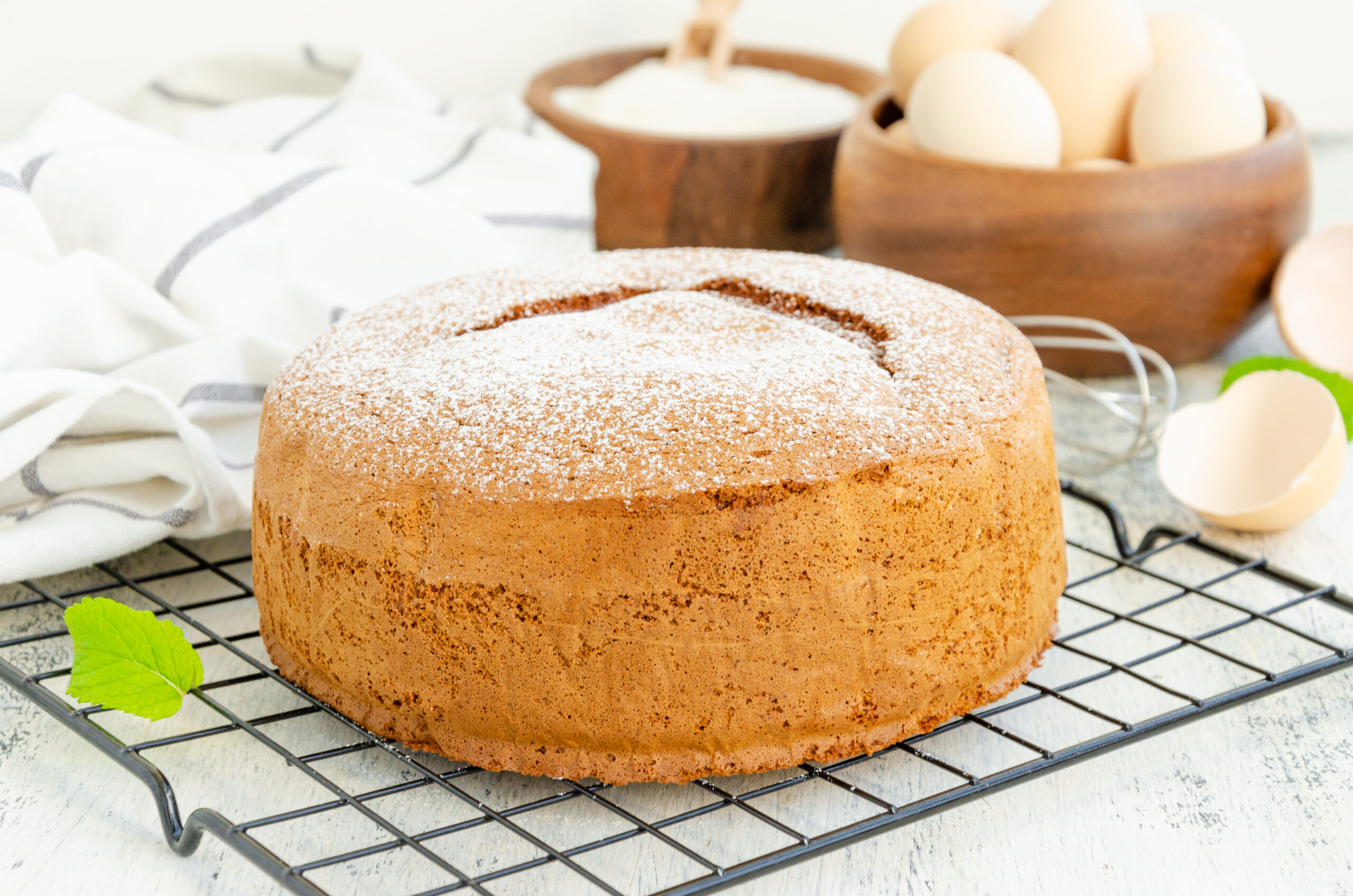

 Most standard cake recipes use two to four large eggs per batch, depending on the type and size of the cake. The right number of eggs is crucial for structure, moisture, and texture, so always follow your recipe’s guidance for best results.
 Egg amounts vary by cake style. Dense cakes, airy cakes, and boxed mixes each have optimal egg quantities for best texture and rise.
 Eggs are essential in cake batter for structure, moisture, emulsification, and leavening. They help cakes rise, hold their shape, and develop a tender, moist crumb.
 Egg size and whether you use whole eggs or separated eggs both impact the balance of liquid, protein, and fat in your cake, directly affecting texture and rise.
 Adjusting the number of eggs in a cake recipe affects more than just measurements. It changes moisture, fat content, and the batter’s ability to trap air—all of which influence the cake’s crumb and texture.
 The appearance of your batter and finished cake can help you identify if the egg quantity is off. Recognizing these signs allows you to adjust before baking again.
 Some issues can be corrected before baking. If your batter is too thick, you can whisk in an extra egg to loosen it.
 You can bake successful cakes without eggs by choosing substitutes that match the egg’s function in your recipe.
 The number of eggs needed for a cake depends on the size and type of cake and the proportions of the other ingredients. As a general guide, a standard 8- or 9-inch cake often uses 2–4 large eggs.


