A homemade cake rises higher when you get four things right: fresh leavening agents, a proper creaming method, room temperature eggs, and the correct oven temperature.
Each of these factors adds air to your batter or helps trap the air that’s already there, which is what gives your cake its light, airy texture instead of a flat cake.
Skip a step or measure wrong, and you risk a dense cake that falls short of your expectations.
Baking a cake that rises well isn’t about luck. It’s about understanding how each ingredient and technique works together. Small mistakes, like using old baking powder or cold eggs, can quietly ruin your results before you even open the oven door.
This guide breaks down what actually makes a cake rise higher, so you can fix common problems and bake with more confidence.
The Science Behind a Taller Cake
A tall cake depends on two things working together: gas that expands to lift the batter, and structure that forms fast enough to hold that lift in place. If either piece fails, your cake will end up flat, dense, or sunken in the middle.
How Gas, Air, and Steam Create Lift
Three forces push your cake batter upward as it bakes.
Carbon dioxide comes from chemical leaveners like baking soda and baking powder. When these ingredients mix with liquid, they release gas that forms tiny bubbles throughout the batter.
Air bubbles get worked into the batter during mixing. Creaming butter and sugar together, or beating eggs, traps air that expands once heat hits it.
Steam forms as the water in your batter heats up. This steam pushes against the batter walls and adds extra lift alongside the gas from your leavening agents.
All three work at the same time. As your oven heats the batter, the trapped air expands, the leavening agents release more carbon dioxide, and steam builds pressure. Together, they stretch the batter upward before it has fully set.
When the Cake Structure Sets
Gas and steam only create height if the batter can hold its new shape. This happens when heat causes proteins in the eggs and flour to firm up, and starches in the flour absorb moisture and swell.
This setting process needs to happen at the right pace. If your oven temperature is too low, the structure sets too slowly, and gas escapes before the cake can trap it. If the temperature is too high, the outside sets before the inside finishes rising, which can cause cracking or an uneven shape.
Once the structure firms up, the cake locks in its height. This is why opening the oven door too early can cause a cake to collapse. The structure hasn’t set yet, and any drop in temperature or air pressure disrupts the gas trapped inside. As King Arthur Baking’s test kitchen notes, a cake that’s “rising beautifully in the oven” can still fall if it’s “taken out of the oven a little too soon, before the cake structure has set up entirely.”
Choose and Measure Leavening Correctly
The type and amount of leavening agent you use directly affects how tall your cake bakes up. Small mistakes with baking powder, baking soda, or acid ratios can leave your cake flat or cause it to collapse.
Baking Powder Versus Baking Soda
Baking powder and baking soda are both chemical leaveners, but they don’t work the same way. Baking soda is pure sodium bicarbonate. It needs an acid, like buttermilk or lemon juice, to react and release carbon dioxide.
Baking powder already contains an acid and a base. This means it can react on its own once it hits liquid and heat. Most cake recipes use baking powder because it doesn’t depend on other acidic ingredients to work.
Some recipes use both. This happens when a recipe has acidic ingredients that need neutralizing, plus extra lift from baking powder. Always use the exact amount listed in your recipe. Too little won’t give you enough rise, and too much can cause your cake to rise fast, then fall.
Matching Baking Soda With Acid
If your recipe calls for baking soda, it needs an acidic partner to activate.
Common acidic ingredients include:
Buttermilk
Sour cream
Yogurt
Brown sugar
Cocoa powder
Lemon juice or vinegar
Without enough acid, baking soda won’t fully react. This leaves a soapy or metallic taste behind, and your cake won’t rise as much as it should.
Check your recipe to make sure the acid and baking soda amounts are balanced. If you swap out an acidic ingredient, like using milk instead of buttermilk, you may need to add baking powder to make up for the lost acid. Substituting ingredients without adjusting your leavener can throw off the whole recipe.
Why Fresh Leaveners Matter
Baking powder and baking soda lose strength over time. Once they weaken, they can’t produce enough carbon dioxide to lift your batter properly.
Baking soda typically lasts about two years unopened. Baking powder usually lasts six months to a year after opening. Test baking powder by adding a spoonful to hot water; if it bubbles right away, it’s still active. Test baking soda by adding a small amount to vinegar and watching for a fast fizzing reaction.
Store both in a cool, dry place with the lid sealed tight. If you’re not sure how old your leavening agents are, it’s safer to replace them before you bake. A flat cake is often caused by weak leaveners, not a mistake in your technique.
Build Air Into the Batter
Air pockets formed during mixing act like tiny balloons in your batter. When they expand in the oven, they push the cake upward, so how you handle butter, sugar, and eggs matters as much as your leavening agents.
Master the Creaming Method
Creaming means beating butter (or shortening) and sugar together until the mixture turns pale and fluffy. As the sugar crystals cut through the fat, they leave behind tiny air pockets. Those pockets act as a base for your cake’s structure.
This step usually takes 3 to 5 minutes with a hand or stand mixer. Don’t rush it. If you stop too soon, the batter won’t hold enough air, and your cake will bake up flat and dense.
Room temperature butter is key here. Butter that’s too cold won’t trap air well, while melted butter can’t hold a structure at all. Aim for butter that’s soft enough to leave a slight dent when pressed, but not greasy or shiny.
Use Eggs and Whipped Egg Whites Effectively
Eggs do more than add moisture and flavor. Their proteins help trap air and give the batter structure as it bakes.
Add eggs one at a time, beating each one in fully before adding the next. This helps the egg blend smoothly into the butter and sugar mixture instead of causing it to separate. Use room temperature eggs, since cold eggs can cause the fat to seize up and lose some of the air you just worked to add.
For cakes that need extra lift, like angel food or chiffon cake, whip egg whites separately until they form soft or stiff peaks. This creates a foam full of small air bubbles. Fold the whipped whites into the rest of the batter gently, using a spatula in a slow, sweeping motion. This keeps as much air in the mixture as possible.
Avoid Deflating the Batter
All that trapped air can escape just as easily as it was added. Once you’ve creamed your butter and sugar or whipped your egg whites, handle the batter with care.
Fold in dry ingredients like flour using a light hand. Stir just until you no longer see streaks of flour. Overmixing at this stage builds too much gluten, which can trap gas bubbles too tightly and lead to a tough, less airy cake.
Here are a few habits that protect the air in your batter:
Fold, don’t stir once whipped egg whites are added
Pour batter into the pan right away after mixing, since air bubbles start to escape the longer batter sits
Avoid slamming the pan on the counter, which knocks air bubbles out
Skip opening the oven door early in baking, since sudden temperature changes can cause the batter to sink before it sets
Small mistakes at this stage can undo the work you put into creaming and whipping earlier.
Balance Ingredients for Structure and Tenderness
A tall cake needs strong support from flour and eggs, but it also needs enough sugar, fat, and liquid to stay soft. If you get this balance wrong, your cake will either collapse under its own weight or turn out tough and dry.
Select the Right Flour
Your flour choice controls how much gluten forms in the batter. Cake flour has less protein than all-purpose flour, so it produces less gluten and gives you a softer, more delicate crumb.
Less gluten means the batter can expand more easily as it bakes. This lets your cake rise higher without the structure holding it back too much.
If you use all-purpose flour instead, your cake may turn out denser and shorter. This happens because the extra protein creates more gluten formation, which makes the batter stiffer and harder to stretch.
For most layer cakes, stick with cake flour unless the recipe calls for something else.
Balance Liquid, Fat, and Sugar
Liquid, fat, and sugar work together to keep your cake moist while still letting it rise properly. Milk or buttermilk adds water that helps dissolve sugar and activate leavening agents like baking powder.
Buttermilk also adds acidity, which reacts with baking soda to create extra lift. This is why many recipes pair the two ingredients together.
Your fat choice matters too:
Butter adds flavor and helps trap air during mixing.
Oil keeps cakes moist longer since it stays liquid at room temperature.
Shortening creates a very tender crumb because it doesn’t contain water.
Too much sugar or fat without enough flour or eggs can weaken the batter’s structure, causing your cake to sink in the middle.
Mix Only Until Combined
How long you mix your cake batter affects how high it rises. Overmixing develops too much gluten, which makes the batter tight and elastic instead of light and airy.
This extra gluten traps gas bubbles unevenly, so your cake may rise unevenly or fall after baking. It can also create a chewy or rubbery texture instead of a soft one.
Mix your batter only until the ingredients are combined and no dry flour streaks remain. Stop as soon as everything looks smooth, especially after adding flour to a butter-and-sugar mixture.
For best results, scrape down the sides of your bowl once or twice during mixing instead of mixing longer to fully incorporate ingredients.
Control the Pan and Oven Environment
The pan you choose and the way your oven heats can make or break your cake’s rise. Small changes, like picking the right pan size or checking your oven’s real temperature, often fix problems that look like recipe mistakes.
Use the Correct Cake Pan Size and Fill Level
The size of your cake pan changes how your batter rises. If the pan is too small, the batter has nowhere to go but up, which can cause a tall dome or a cake that overflows. If the pan is too large, the batter spreads thin and may not rise much at all.
Fill your cake pan about two-thirds full. This gives the batter room to expand without spilling over the edges.
Check your recipe or cake mix box for the recommended pan size. If you switch pan sizes, you may also need to adjust your baking time.
Preheat and Verify Oven Temperature
Always preheat your oven before you put the cake in. A cold oven delays the reactions that make your cake rise, which can lead to a dense or flat result.
Most ovens run hotter or cooler than the number on the dial. This happens more often than people expect. An oven thermometer placed inside your oven shows you the real temperature, not just the setting.
If your oven runs hot, your cake’s edges may set before the center finishes rising. If it runs cool, your batter may spread out instead of rising up. Checking your oven temperature with a thermometer removes the guesswork.
Prevent Uneven Baking and Early Edge Setting
Many ovens have hot spots, or areas that heat faster than others. These uneven spots can cause one side of your cake to rise more than the other.
To reduce this problem:
Rotate the pan halfway through baking, but only after the cake has set enough to avoid collapsing.
Use insulated baking strips around the pan to slow down heat at the edges. This helps the edges and center bake at a closer rate.
Avoid opening the oven door too often. Each time you open it, heat escapes and the temperature drops, which can affect how evenly the cake rises.
If the edges of your cake set too fast, the center keeps pushing up and forms a dome. Lowering your oven temperature slightly, or using baking strips, helps prevent this.
Troubleshoot Flat, Dense, or Sunken Cakes
A cake that won’t rise, sinks in the middle, or comes out heavy usually points to a problem with your leavening, mixing, or oven setup. Once you know what to check, you can often trace the cause back to one simple mistake.
Why Cakes Fail to Rise
Your cake most likely won’t rise because your leavening agent is weak or missing. Baking powder and baking soda lose their strength over time, so old boxes often fail to create enough lift.
Check the expiration date, or test baking powder by dropping a spoonful into hot water. It should fizz right away.
Other common causes include:
Overmixing the batter after adding flour, which knocks out air
Using a cake pan that’s too large, so the batter spreads thin instead of rising
Not preheating your oven fully before baking
Opening the oven door too early in the bake
Mix your batter only until the ingredients are combined. Stop as soon as you no longer see streaks of flour.
Why Cakes Dome or Collapse
Doming and sinking both come down to uneven or incorrect oven temperature. If your oven runs hot, the outside of the cake sets before the middle finishes rising, which pushes the center up into a dome.
If your oven has cool spots or runs too low, the cake rises slowly, then collapses once you take it out. Many home ovens have hot spots that bake one side faster than the other.
An oven thermometer helps you check the real temperature instead of trusting the dial. You can also rotate your cake pan halfway through baking to even out the heat.
A sunken center often means the cake batter was underbaked. Always check the center with a skewer before removing the cake from the oven.
Practical Adjustments for the Next Bake
Small changes to your process can fix most rise problems.
Use this table as a quick reference:
Problem
Likely Cause
Fix
Flat cake
Expired baking powder or baking soda
Use fresh leavening and check dates
Dense cake
Overmixing or cold ingredients
Mix gently; use room-temperature butter and eggs
Domed top
Oven too hot
Lower temperature by 10-20°F
Sunken middle
Underbaked center
Test with a skewer before removing from oven
Weigh your flour with a kitchen scale instead of scooping it with a cup. This keeps your cake batter ratio accurate every time.
If a recipe calls for yeast instead of baking powder or baking soda, give the dough enough time to proof fully. Rushing this step limits how much your cake can rise later in the oven.
FAQ: What Makes a Cake Rise Higher?
The main factors are chemical leavening, incorporated air, and proper cake structure. Using the correct amount of baking powder or baking soda, properly creaming butter and sugar, and avoiding overmixing can all help produce a taller cake.
Does Baking Powder Make Cake Rise Higher?
Yes. Baking powder produces carbon dioxide gas when activated by moisture and heat. These gas bubbles expand in the oven, helping the batter rise.
Does Baking Soda Make Cake Rise?
Yes, but baking soda needs an acidic ingredient to produce carbon dioxide. Buttermilk, yogurt, lemon juice, and some types of cocoa are examples of acidic ingredients that can react with baking soda.
Do Eggs Help Cake Rise?
Yes. Beaten eggs can incorporate air into the batter, while egg proteins help the cake set and maintain its structure as it bakes. This is particularly important in sponge and foam-style cakes.
Does Creaming Butter and Sugar Help a Cake Rise?
Yes. When softened butter and sugar are properly creamed, the process incorporates small air pockets into the mixture. These pockets expand during baking and contribute to cake volume.
Does Sifting Flour Make a Cake Higher?
Sifting can help distribute flour and other dry ingredients evenly, but it is not a major factor in cake height by itself. Accurate ingredient ratios and proper mixing are more important.
Can Too Much Baking Powder Make a Cake Rise Higher?
Not necessarily. Excess baking powder can make a cake rise rapidly and then collapse, and it can also produce an unpleasant taste. More leavening does not automatically mean a taller cake.
Can Too Much Flour Stop a Cake From Rising?
Yes. Too much flour can make the batter thick and heavy, which can restrict expansion and produce a dense cake.
Does Overmixing Stop a Cake From Rising?
It can contribute to a dense cake. Once flour is added, excessive mixing can develop more gluten than desired, making the cake tougher and potentially reducing its light texture.
Does Oven Temperature Affect Cake Height?
Yes. The oven must be hot enough for gases to expand and for the cake structure to set properly. An oven that is too cool can result in poor rise, while excessive heat can cause the outside to set too quickly and the cake to collapse or remain undercooked in the center.
Does Fresh Baking Powder Make a Difference?
Yes. Baking powder becomes less effective as it ages, particularly when exposed to moisture. Using fresh baking powder helps ensure adequate leavening.
What Is the Secret to Making a Cake Rise High?
There is no single ingredient that guarantees a higher cake. Accurate measurements, fresh leavening agents, properly incorporated air, gentle mixing, and the correct baking temperature work together to produce the best rise.
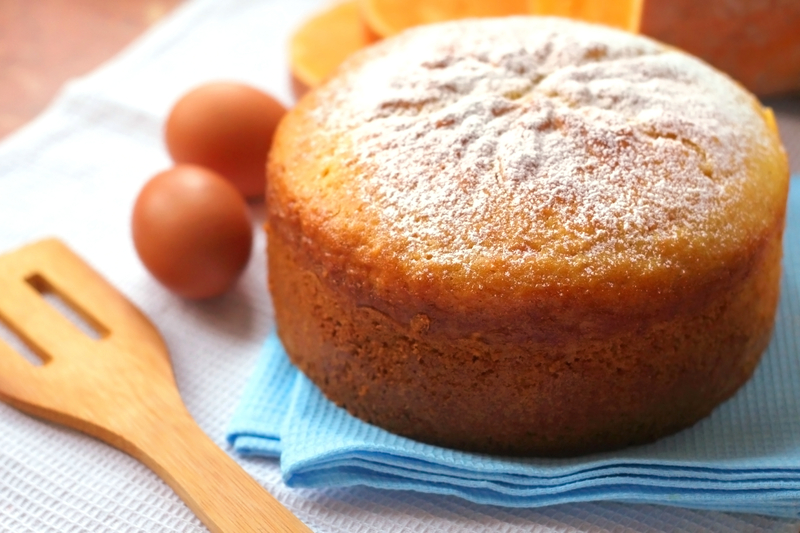


 A tall cake depends on two things working together: gas that expands to lift the batter, and structure that forms fast enough to hold that lift in place. If either piece fails, your cake will end up flat, dense, or sunken in the middle.
 The type and amount of leavening agent you use directly affects how tall your cake bakes up. Small mistakes with baking powder, baking soda, or acid ratios can leave your cake flat or cause it to collapse.
 Air pockets formed during mixing act like tiny balloons in your batter. When they expand in the oven, they push the cake upward, so how you handle butter, sugar, and eggs matters as much as your leavening agents.
 A tall cake needs strong support from flour and eggs, but it also needs enough sugar, fat, and liquid to stay soft. If you get this balance wrong, your cake will either collapse under its own weight or turn out tough and dry.
 The pan you choose and the way your oven heats can make or break your cake’s rise. Small changes, like picking the right pan size or checking your oven’s real temperature, often fix problems that look like recipe mistakes.
 A cake that won’t rise, sinks in the middle, or comes out heavy usually points to a problem with your leavening, mixing, or oven setup. Once you know what to check, you can often trace the cause back to one simple mistake.


