Why are my Twice Baked Potatoes Gummy? Understanding Common Mistakes and Solutions
Twice baked potatoes are supposed to be light, fluffy, and creamy. When they come out dense and sticky, well, it’s just a letdown. This kitchen mishap plagues a lot of home cooks—even folks who follow recipes to the letter end up with disappointing results more often than you’d think.
The main culprit behind gummy twice baked potatoes is overworking the potato flesh—all that mashing breaks down the starches, and suddenly you’re dealing with a gluey, sticky mess.
Using the wrong potato, adding too much liquid, or just not handling things right in the kitchen can make it worse. Knowing what’s going on here is half the battle.
This guide digs into everything that messes with the texture of twice baked potatoes. You’ll find out which potatoes actually work, how to prep them without ruining the texture, and which mixing tricks keep things creamy (not gummy). There are also some ideas for fixing mistakes and ways to make this classic side dish turn out better next time around.
Understanding Potato Varieties and Their Textures
Your potato choice can make or break your twice baked potatoes. Starchy potatoes like russets give you that fluffy, cloud-like texture, while waxy types hang onto moisture and end up dense and sticky.
Starchy vs. Waxy Potatoes
Starchy potatoes have lots of starch and not much moisture. When you bake them, the starch soaks up liquid and makes the insides dry and fluffy—basically the dream for mashing and mixing without things turning gummy.
Waxy potatoes (think red potatoes or new potatoes) are a different story. These guys have less starch, more moisture, and hold their shape—great for salads, not so much for twice baked potatoes.
The cell structure is different, too. Starchy potatoes fall apart nicely when cooked, giving you that fluffiness you want. Waxy potatoes? Their cells cling together, which leads to a dense, sticky mash.
If you use waxy potatoes for twice baked potatoes, you’re fighting an uphill battle. The filling gets heavy and pasty, not creamy and light.
Why Russet and Yukon Gold Potatoes Excel
Russets are really the go-to for twice baked potatoes. With about 18-22% starch, they deliver the fluffiest results, and their thick skins hold up during both rounds of baking.
Their dry, mealy texture means they soak up butter and cream without turning watery. That way, you get richness without the dreaded gumminess.
Yukon golds are a solid second choice. They’re a bit more moist than russets but still have enough starch to work if you handle them right. Plus, they’ve got a naturally buttery flavor, which is always a win.
Both types respond well to gentle mashing. Their starch content lets you get a smooth, creamy result without overdoing it and ending up with potato glue.
Role of Idaho Potatoes in Texture
Idaho potatoes are basically russets grown in Idaho’s volcanic soil. The conditions there give them a consistent starch level and lower moisture, which is exactly what you want for twice baked potatoes.
The climate and soil help produce potatoes with a uniform texture. You know what you’re getting every time.
Idaho russets tend to have even more starch than russets grown elsewhere, which means fluffier potatoes with a sturdier shell for your filling. The thicker skins are a nice bonus.
When you’re picking Idaho potatoes, go for firm ones without soft spots or sprouts. Their reliability cuts down on surprises (and gummy disasters) in the final dish.
Key Preparation Steps Impacting Texture
How you handle your potatoes before the second bake really decides whether they’ll be fluffy or gummy. Temperature, gentle scooping, and solid cooking technique all matter more than you might expect.
Baking Potatoes Properly
Baking at the right temp sets you up for success. Crank your oven to 400°F for even cooking—this gets the inside tender and the skin nice and crisp.
Poke each potato a few times with a fork first. That lets steam escape and keeps things from getting soggy inside.
Russets are your best bet thanks to their high starch. They’ll turn out light and fluffy when baked right.
Bake them straight on the oven rack, not wrapped in foil. Foil traps moisture and steams the potato, which is exactly what you don’t want. Aim for an internal temp of 210°F.
Check with a fork in the center. If it slides in easily, you’re good. A well-baked potato is the base for avoiding gumminess later.
Scooping and Cooling Techniques
Let baked potatoes cool for 10-15 minutes after they come out. This gives the starches time to set up and makes them less prone to turning gummy when you scoop them.
Slice each potato lengthwise and gently scoop out the flesh, leaving about a quarter-inch attached to the skin so the shell doesn’t fall apart.
Be gentle here—digging too aggressively can mess up the cell structure and release extra starch. Take your time; it’s worth it.
Drop the scooped potato flesh into a warm bowl. Cold bowls can stiffen the starches and make mashing a headache. The warmth helps keep the texture workable without making things sticky.
The Boiling Process for Fluffy Interiors
Some swear by boiling before the second bake. If you go this route, start with cold, salted water and bring it to a gentle boil.
Cut potatoes into even pieces so they cook at the same rate. Smaller chunks cook fast but can soak up too much water, which is a recipe for gumminess.
Once they’re fork-tender, drain them well—seriously, don’t skip this. Too much moisture is a big reason for gummy twice baked potatoes.
Put the drained potatoes back in the hot pot for a minute or two over low heat. This extra step dries them out a bit more, setting you up for a fluffier filling that holds up through the second bake.
Mashing and Mixing Methods to Avoid Gumminess
How you mash and mix makes all the difference between creamy twice baked potatoes and a sticky, paste-like mess. The right tools and a light touch keep the starch from turning against you.
Choosing and Using a Potato Masher
A potato masher is your friend here. It breaks up the potato without pulverizing the starches. You don’t need anything fancy—just a simple, handheld tool does the trick.
Skip the electric mixer, food processor, or blender for this job. Those gadgets can turn your filling into glue in no time by breaking open too many starch cells.
If you want to get fancy, a potato ricer is even better. It pushes the potato through small holes, so you get fluffy, light strands without overworking things. The texture is hard to beat.
Whatever tool you use, go slow and steady. Press firmly but don’t go wild with back-and-forth motions. Less is more.
Avoiding Overmixing and Overworking the Flesh
Overmixing is the number one way to end up with gluey potatoes. Mash just until things are mostly smooth—some small lumps are totally fine and actually make the dish feel more homemade.
When you add butter, sour cream, or cheese, fold them in gently. You want to stop mixing as soon as everything looks combined. The whole process after adding dairy shouldn’t take more than about 30 to 45 seconds.
If the filling starts looking shiny or sticky, or it suddenly feels like paste, that’s your sign you’ve gone too far.
Balancing Ingredients for Creaminess
Getting the right amount of dairy is key. Too much and you’ll drown the potatoes, too little and they’re dry. Start with 3 to 4 tablespoons of butter and 1/4 cup of sour cream for every two large potatoes.
Use warm (not cold) ingredients. Cold butter or sour cream can make the starches seize up and turn everything dense. Room temp or gently warmed dairy blends in easier and keeps the filling creamy.
Greek yogurt is a nice sub for sour cream if you want a thicker, tangy result. Cream cheese is another option for a rich, smooth texture that won’t get gummy as easily.
Season with salt and pepper as you go. If you wait until the end and have to mix again, you risk overworking the potatoes.
Ingredient Selection and Its Effects on Texture
What you add to your filling can tip the scales toward fluffy or gummy. The type and amount of dairy, how much liquid you use, and any extras all play a part in the final texture.
Dairy and Cheese: Finding the Right Ratios
Butter and sour cream are the backbone of creamy twice baked potatoes, but too much of a good thing can make them soggy and heavy.
For large russets, start with two tablespoons of butter and a quarter cup of sour cream. Warm them up a bit before mixing—cold dairy just doesn’t play nice with potato starch.
Cheese matters, too. Hard cheeses like cheddar or Parmesan add flavor and help soak up moisture. Cream cheese is delicious, but too much can make the filling too wet. Stick to about half a cup of shredded cheese for every two potatoes.
Greek yogurt is a good swap for sour cream if you want less water content. It keeps things tangy and creamy while lowering the risk of gumminess.
Managing Liquid Content
Extra liquid is a major reason potatoes go gummy. Be stingy with milk—add it a tablespoon at a time and stop as soon as you hit the right consistency. Whole milk is best since the fat helps keep things creamy, not gluey. Never go over a quarter cup of milk per potato.
If the filling looks too wet, just stop. You can thicken it with a tablespoon of instant potato flakes or a bit of shredded cheese—both soak up extra moisture without messing up the taste.
If you boiled your potatoes, drain them really well and let them rest for five minutes so the steam escapes. It’s a small step, but it can save you from a gummy disaster.
Seasoning and Enhancers
Salt, pepper, and garlic powder do a great job boosting flavor, and they won’t mess with the texture if you use them right. Best to sprinkle these dry seasonings on before adding anything wet, so everything gets mixed in evenly.
Bacon bits, chives, and green onions bring a nice crunch and a bit of color, but they don’t really add moisture. That’s part of why they’re so popular—they don’t make the potatoes gummy. Toss these on after mashing so they keep their bite.
It’s tempting to pour in things like liquid smoke or Worcestershire sauce, but go easy. A couple drops can be good, but more than a teaspoon? Suddenly you’ve got too much liquid. If you want that flavor without the risk, powdered versions give you more control and pretty much the same taste.
Common Mistakes and How to Prevent or Fix Them
Twice baked potatoes can go gummy for a few reasons: overworking the potato flesh, not cooking them right, or letting too much moisture sneak in. Knowing where things go wrong (and how to fix them) makes all the difference if you’re after that fluffy, light texture.
Overcooking or Undercooking
It’s surprisingly easy to mess up the texture by overcooking or undercooking. Too long in the oven and the potatoes soak up extra moisture, the starch goes wild, and suddenly you’re dealing with sticky, gluey insides. The cells break down too much, and there’s just no coming back from that.
On the flip side, if you don’t cook them enough, the inside stays firm. The starches won’t mash up, so you end up with lumpy, dense filling that, honestly, still feels kind of gummy after baking again.
Give your potatoes the fork test before taking them out: the fork should slide in with zero resistance. If you want to get technical, you’re aiming for an internal temp of 210°F.
If you cut into them and realize they’re not quite done, just pop them back in the oven for another 10-15 minutes. Better to check again than to rush into mashing.
Handling Moisture and Steam
Moisture is a sneaky culprit when it comes to gummy twice baked potatoes. People often cut them open right after baking and scoop out the filling, but that just traps steam and adds water you don’t want.
Let the potatoes hang out for 5-10 minutes before slicing. This gives the steam a chance to escape. And when you scoop out the insides, leave the bowl uncovered so the steam doesn’t get trapped. Airflow helps dry things out a bit.
Some easy ways to keep moisture in check:
Drain boiled potatoes really well if you’re going that route
Don’t add cold dairy to hot potatoes—let it warm up first
Try Greek yogurt instead of regular sour cream for a thicker, less watery result
Add liquids little by little, not all at once
Pat the potato skins dry before stuffing them again. Any water left on the skins can sneak back into the filling during the second bake, and nobody wants that.
What to Do if Potatoes Turn Gummy
If you’ve already got gummy potatoes, don’t panic. The last thing you want to do is keep mixing—trust me, that’ll only make it worse by releasing more starch.
Instead, try adding things that soak up moisture and give a bit of structure. Grated cheese is great because it melts in without needing much stirring. Some breadcrumbs or panko can also help and add a little crunch.
Quick fixes for gummy potatoes:
Gently fold in about 1/4 cup shredded cheddar or parmesan per potato
Mix in 2-3 tablespoons of cream cheese for extra richness
Add crispy bacon bits for a little crunch
Top with breadcrumbs before the second bake for a better texture
Put the potatoes back in a 375°F oven for 15-20 minutes. That extra bake helps dry things out a bit, and you’ll get a golden, slightly crispy top—honestly, that goes a long way, even if the inside isn’t perfect.
Creative Variations and Serving Tips
Once you’ve figured out how to avoid gummy potatoes, it’s way more fun to get creative with ingredients and serving. The right combos and a little flair can turn basic twice baked potatoes into something you’d happily pay for at a restaurant.
Upgrading Classic Twice Baked Potatoes
Using better ingredients is the easiest way to level up. Sharp cheddar, gruyere, or parmesan deliver way more flavor than the usual mild cheese. Cream cheese adds richness without making things watery, which is honestly a game changer.
Crispy bacon bits, caramelized onions, or roasted garlic bring some serious savory depth. Toss in fresh herbs like chives, rosemary, or thyme for a brighter, fresher vibe. If you’re feeling it, fold in some steamed broccoli or sautéed mushrooms for extra nutrition and texture.
If you want to go all out, pile on pulled pork, shredded chicken, or even chili before the second bake. Greek yogurt is a solid swap for sour cream if you want something lighter but still creamy. Smoked paprika, cayenne, or a sprinkle of truffle salt can really set things apart.
For a crispy finish, mix panko breadcrumbs with a bit of melted butter and sprinkle over the tops before baking. That last 10 minutes in the oven gives you a golden, crunchy topping that’s hard to beat.
Serving Suggestions for Perfect Texture
Honestly, these twice baked potatoes are best when you serve them straight from the oven after that second bake—the contrast between the crisp skin and the creamy inside is just unbeatable. If they sit around too long, the steam does them no favors and you’ll lose that crunch.
They’re great with grilled steak, roasted chicken, or even baked salmon if you’re feeling a little fancy. Since they’re pretty hearty, they really round out lighter proteins. I like to throw in a crisp salad or some steamed veggies to keep things from getting too heavy.
If you’re entertaining, you can totally prep the filled potato halves a few hours ahead—just stash them in the fridge. Let them hang out at room temp for about 15 minutes before you finish baking. That way, you get a little breathing room to juggle other dishes without sacrificing quality.
For dinner parties, individual halves look tidy on a plate, but if you’re serving buffet style, you can scoop the filling into smaller bites for easy grabbing. Right before serving, go wild with extra cheese, fresh herbs, or a dollop of sour cream—makes them look and taste even better.
FAQ: Why Are My Twice Baked Potatoes Gummy?
Twice baked potatoes should be fluffy, creamy, and light inside. If they turn gummy or gluey, it usually comes down to how the potatoes were cooked or mixed.
Why Are My Twice Baked Potatoes Gummy?
The most common reason is overmixing the potato filling, which releases too much starch and creates a gluey texture.
How Does Overmixing Cause Gummy Potatoes?
When potatoes are overworked, the starch cells break down and become sticky instead of fluffy, resulting in a dense, gummy texture.
Does the Type of Potato Matter?
Yes, starchy potatoes like Russets are best. Waxy potatoes (like red or new potatoes) contain more moisture and can turn dense or gummy when mashed.
Can Too Much Liquid Make Potatoes Gummy?
Yes, adding too much milk, cream, or butter can overwhelm the starch structure and lead to a heavy texture.
Does Undercooking Potatoes Cause Gummy Texture?
Yes, undercooked potatoes don’t break down properly, which can lead to uneven, dense, or sticky filling.
Should You Use a Mixer for Twice Baked Potatoes?
No, electric mixers often overwork the potatoes. A hand masher or ricer is preferred for a light texture.
Does Cooling Potatoes Before Mixing Help?
Yes, letting potatoes cool slightly helps reduce moisture buildup and improves texture control during mixing.
Can Overbaking the Second Time Cause Problems?
Yes, overheating during the second bake can dry out the exterior while making the inside dense.
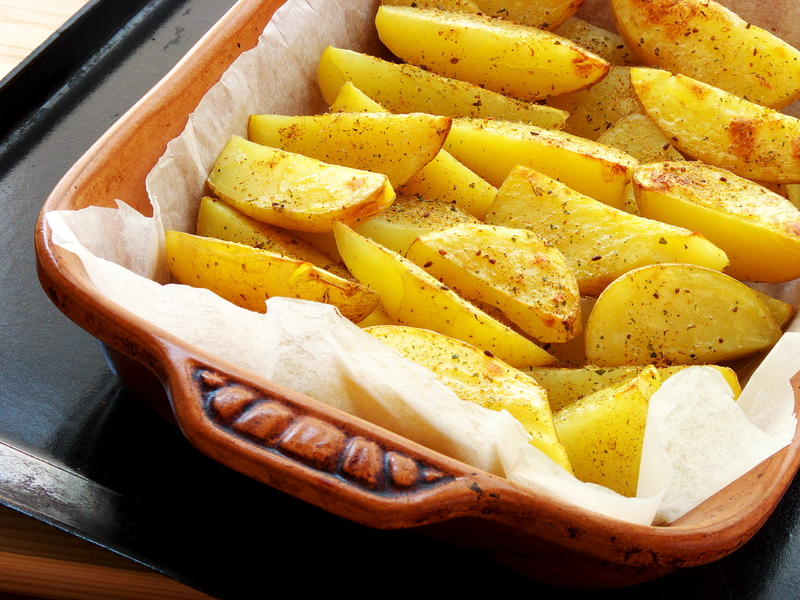


 Your potato choice can make or break your twice baked potatoes. Starchy potatoes like russets give you that fluffy, cloud-like texture, while waxy types hang onto moisture and end up dense and sticky.
 How you handle your potatoes before the second bake really decides whether they’ll be fluffy or gummy. Temperature, gentle scooping, and solid cooking technique all matter more than you might expect.
 How you mash and mix makes all the difference between creamy twice baked potatoes and a sticky, paste-like mess. The right tools and a light touch keep the starch from turning against you.
 What you add to your filling can tip the scales toward fluffy or gummy. The type and amount of dairy, how much liquid you use, and any extras all play a part in the final texture.
 Twice baked potatoes can go gummy for a few reasons: overworking the potato flesh, not cooking them right, or letting too much moisture sneak in. Knowing where things go wrong (and how to fix them) makes all the difference if you’re after that fluffy, light texture.
 Once you’ve figured out how to avoid gummy potatoes, it’s way more fun to get creative with ingredients and serving. The right combos and a little flair can turn basic twice baked potatoes into something you’d happily pay for at a restaurant.
 Twice baked potatoes should be fluffy, creamy, and light inside. If they turn gummy or gluey, it usually comes down to how the potatoes were cooked or mixed.


