Is Baking Healthier Than Buying? Comparing Nutrition and Ingredients
So, is baking at home really healthier than buying those tempting store-bought baked goodies? Well, it can be—but honestly, it depends a lot on what you toss into your mixing bowl.
Store-bought treats usually pack in a bunch of added sugars, weird fats, preservatives, and all sorts of artificial stuff meant to keep them fresh forever (or at least until you forget you bought them). When you bake at home, you’re the boss of what goes in.
Home baking hands you total control over ingredients. That means you can swap whole grain flours for the white stuff, dial back the sugar, pick healthier fats, and skip those chemical preservatives altogether.
This flexibility lets you adjust recipes for your own health goals—pretty handy, right? But let’s be real: just because it’s homemade doesn’t mean it’s automatically healthy. Loading up on butter, sugar, and white flour at home isn’t much better than grabbing a pastry from the bakery aisle.
The health comparison between baking and buying isn’t just about ingredients. You’ve got to think about nutrition, price, environmental impact, and, honestly, how much time you want to spend messing with flour and dough.
This article digs into ingredient transparency, how different flours stack up, what’s up with all those additives and preservatives, and some practical stuff to help you figure out when baking at home actually makes sense for your health and your schedule.
Ingredient Transparency and Control
Baking at home gives you the power to ditch artificial additives and pick nutrient-dense ingredients that you just won’t find in most store-bought stuff. You get to choose whole grain flours, natural sweeteners, and better fats, while commercial bakeries keep adding preservatives to make their products last longer on the shelf.
Choosing Whole Grain Flours and Healthy Fats
Whole wheat flour’s got the entire grain kernel, so there’s more fiber and protein compared to the refined stuff. The bran and germ stick around in whole grain flours, but store-bought baked goods usually lose them somewhere along the way.
You’re also in charge of the fat. Want to use olive oil, avocado oil, or coconut oil? Go for it. These are way better than the trans fats or margarine that pop up in commercial products. Store-bought snacks often sneak in partially hydrogenated oils, which just hike up the saturated fat content.
Natural Sweeteners vs. Added Sugars
Honey and maple syrup aren’t just sweet—they’ve got trace minerals and antioxidants, too. And here’s a tip: you can usually cut the sugar in most recipes by about 25-30% and nobody will even notice the difference in texture.
Commercial goods? They’re big on high-fructose corn syrup and artificial sweeteners because, well, it’s cheaper. But those added sugars are just empty calories—nothing much to offer your body.
Avoiding Preservatives and Additives
Store-bought baked stuff is loaded with things like calcium propionate, sodium benzoate, and potassium sorbate to keep mold away. When you bake at home, you can skip all those chemicals.
You also avoid artificial colors, flavors, and dough conditioners that show up in packaged goods. Sure, your homemade treats only stay fresh for two or three days, but that just means you’re eating fresher food—probably not a bad thing.
Nutritional Content and Health Impact
Baking at home is usually healthier simply because you’re choosing what goes in—and you can avoid preservatives, excess sodium, and added sugars if you want. The nutrition really depends on your ingredient picks: fiber, protein, and fat content can swing a lot based on what you use.
Fiber Content and Essential Nutrients
Homemade baked goods make it easy to bump up fiber—just use whole wheat flour, oats, or toss in some seeds and nuts. Whole grain flour can give you 3-4 grams of fiber per slice, while white bread usually has only about 1 gram. Extra protein? Add eggs, Greek yogurt, or nut butters.
Store-bought stuff usually sticks with refined flour, which is lower in fiber and nutrients. Sometimes they’ll add synthetic vitamins back in, but honestly, it’s not the same as what’s naturally in whole grains. When you bake at home with whole grains, you keep more of those B vitamins, iron, and magnesium.
Sodium, Fats, and Sugars in Baked Goods
Commercial breads can have 150-250 mg of sodium per slice—that’s just to keep them from going stale. Homemade bread? You can get away with just a quarter teaspoon of salt for the whole loaf, so each slice ends up with only 80-100 mg. Store-bought baked goods also come with 3-8 grams of added sugars per serving.
At home, you control saturated fats—use oils instead of butter or stick to healthy fats like olive oil. Commercial products often rely on hydrogenated oils and a lot of sugar for flavor and shelf life.
Homemade vs. Commercial Bread Nutrition
Take a homemade loaf with whole wheat flour: you’re looking at about 4 grams of protein and 3 grams of fiber per slice. White bread from the store?
Maybe 2 grams of protein and just 1 gram of fiber. And check the label—commercial bread can have 15-20 ingredients, including preservatives, emulsifiers, and high fructose corn syrup.
Homemade bread? All you really need is flour, water, yeast, and salt. Simple.
Additives, Preservatives, and Shelf Life
Store-bought baked goods last for weeks thanks to chemical preservatives, while homemade stuff usually stays good for just 2-3 days—unless you freeze it or get creative with storage.
Common Preservatives in Store-Bought Baked Goods
Commercial bread often uses calcium propionate to keep mold away for a week or two at room temp.
Sodium benzoate shows up in baked goods with acidic ingredients—basically, it stops yeast and bacteria from growing when the pH is low.
Potassium sorbate is another one, used mostly in sweet stuff like cakes and pastries to block mold and yeast.
And don’t forget the dough conditioners and emulsifiers—monoglycerides, diglycerides, sodium stearoyl lactylate, and so on. They’re there to keep the texture nice and soft, and to help bread survive the journey from factory to store shelf.
The Role of Additives in Flavor and Freshness
Store-bought baked goods use additives for two reasons: to hold in moisture and boost the flavor. Emulsifiers, for example, help keep bread from drying out by locking in water.
With homemade baked goods, you don’t get those chemicals—so yeah, they dry out a bit faster. But you’re just working with flour, water, salt, and yeast (or whatever you decide to add).
Commercial products also tend to pile on the sweeteners—sometimes just to cover up the taste of preservatives or to make them seem fresher than they really are.
There are natural ways to keep bread fresh, like using essential oils or fermented ingredients, but those cost more and aren’t nearly as common in mass-produced goods.
Choosing Flours and Special Diet Alternatives
One of the best parts about baking at home? You get to pick the flour that fits your nutrition goals, unlike store-bought bread where you’re stuck with whatever they used. Whole grain flours are packed with fiber and nutrients, and there are tons of alternative flours for low-carb or gluten-free diets.
Comparing Whole Wheat, Almond, and Coconut Flours
Whole wheat flour’s got about 3-4 grams of fiber per quarter cup. Almond flour? That’s 6 grams of protein and 3 grams of fiber in the same amount. Coconut flour is a different beast—it soaks up a ton of liquid, so you’ll need to tweak your recipes.
Almond flour is great for paleo and keto diets because of its low carb count. You can usually swap almond flour for all-purpose flour one-to-one, but coconut flour is so absorbent you’ll only need a quarter to a third as much as you would with regular flour.
Understanding Refined vs. Whole Grain Flour
Refined flour goes through a process that strips out the bran and germ, leaving you with less fiber, fewer B vitamins, and not much in the way of minerals. White flour makes your blood sugar spike faster, too.
Whole grain flours hang on to all three parts of the grain, so you get steady energy and feel full longer. Refined flours, on the other hand, aren’t doing your body any favors and can even contribute to inflammation.
Utilizing Sourdough and Starters
Sourdough starter relies on wild yeast and good bacteria to ferment the flour. This process breaks down gluten and phytic acid, which can make the bread easier to digest for some folks.
Plus, sourdough fermentation lowers the bread’s glycemic impact compared to regular yeast bread. And all you need to keep a sourdough starter going is flour and water. Easy enough.
Environmental and Economic Considerations
Baking at home can cut packaging waste by about 90% compared to store-bought bread, and it’s usually a lot cheaper—sometimes 50-70% less per loaf. If you store it right, homemade bread can last almost as long as commercial stuff.
Reducing Packaging Waste Through Homemade Baking
Store-bought bread means more plastic bags, twist ties, and sometimes extra sleeves—none of which are great for the planet. Homemade bread? Just stash it in a reusable container and you’re good.
Commercial bakeries crank out 2-3 ounces of packaging waste per loaf. At home, if you use a bread box or reusable bags, you can basically skip all that waste.
And the money you save is pretty noticeable. Homemade bread costs about $0.50-$1.00 a loaf, while store-bought can run $2.50-$5.00. If your family goes through two loaves a week, that adds up to $100-$200 in savings every year.
Buying ingredients in bulk helps, too. A 25-pound bag of flour might set you back $10-$15, and you’ll get 30-35 loaves out of it.
Storing Bread: Bread Box and Freezing
A bread box keeps homemade bread fresh for 3-4 days at room temp by letting it breathe just enough. That’s about as long as store-bought bread lasts once it’s open.
If you want it to last longer, just freeze it—bread holds up for 3-6 months in the freezer. Pro tip: slice it before freezing so you can grab just what you need.
Bread boxes cost anywhere from $20-$50 and will last for ages. Freezer bags are cheap, maybe 5-10 cents per loaf you store.
Practical Aspects of Home Baking
Baking at home can be the healthier choice—if you’ve got the right tools and keep an eye on your portions. You don’t need a fancy setup to get started, but measuring servings matters if you want to avoid, you know, just eating the whole loaf fresh out of the oven.
Essential Tools: Mixing Bowls and Baking Pans
If you’re baking at home, you’ll want at least three mixing bowls in different sizes. I mean, sure, you could try to get by with less, but it’s way easier this way. Small bowls are handy for holding your pre-measured ingredients (think spices or baking powder).
Medium ones are great for mixing up your dry stuff. And then, of course, you need a big bowl to bring everything together—wet meets dry, and the magic happens.
Honestly, stainless steel bowls are tough to beat—they don’t stain or hold onto weird smells like plastic sometimes does. Glass bowls are nice too, especially if you like seeing all those layers build up. If you grab a set that nests together, you can usually find one for about $20 to $40, which isn’t too bad.
Baking pans are a whole other thing—they basically decide the shape and texture of whatever you’re making. A 9×13 inch rectangular pan is the classic for sheet cakes or brownies (and honestly, who doesn’t love brownies?).
If you’re into layer cakes, you’ll need two 9-inch round pans. And then there’s the trusty 12-cup muffin tin, which is kind of a must if you want cupcakes that actually look like cupcakes.
Oh, and here’s something people don’t always realize: dark pans soak up more heat, so your baked goods brown faster—sometimes too fast. Lighter aluminum pans tend to bake things more evenly, which is nice if you don’t want burnt edges.
Non-stick coating helps too; it means you can usually skip slathering on a ton of butter or oil. Makes cleanup less of a pain, honestly.
Tips for Portion Control at Home
When you bake at home, you’ve actually got the upper hand with portion sizes—way more control than with those store-bought treats.
If you’ve got a kitchen scale handy, try measuring out your servings in grams or ounces (honestly, it’s easier than eyeballing it). Usually, a slice of cake clocks in at about 2 to 3 ounces—give or take, depending on how generous you’re feeling.
Once your baked goods have cooled down, go ahead and slice them up right away. It’s tempting to just leave the whole thing out, but cutting them into equal pieces helps a lot.
I like to wrap each piece in parchment or plastic wrap—kind of like prepping for future snack attacks. If you toss those wrapped portions in the freezer, you’ll be less likely to polish off the whole batch in one sitting (not that I haven’t tried).
Using smaller baking pans can be a sneaky way to trick yourself into eating less, too. Mini muffin tins? Perfect for 1-ounce treats. And loaf pans usually give you about 12 to 16 slices per batch, which feels like plenty—unless you’re really hungry, I guess.
FAQ: Is Baking Healthier Than Buying?
Home baking can offer nutritional advantages over many store-bought baked goods, but the healthiness depends on ingredients, portion sizes, and preparation methods.
Is Baking Healthier Than Buying?
Often yes, because home baking allows greater control over ingredients, sugar levels, fats, and portion sizes compared to many commercially produced baked goods.
Why Are Homemade Baked Goods Often Healthier?
Home baking lets you:
Choose higher-quality ingredients
Reduce sugar and salt
Avoid preservatives and additives
Control portion sizes
Are Store-Bought Baked Goods Unhealthy?
Not always, but many packaged baked goods contain:
Added sugars
Refined flour
Preservatives
Artificial ingredients
Can You Make Healthier Desserts at Home?
Yes, home baking allows healthier substitutions such as:
Whole grain flour
Natural sweeteners
Healthier oils
Reduced sugar recipes
Does Home Baking Reduce Processed Ingredients?
Yes, homemade recipes usually contain fewer processed ingredients and additives than mass-produced baked products.
Is Homemade Bread Healthier Than Store-Bought Bread?
It can be, especially if made with whole grains and minimal additives. Store-bought bread often contains preservatives to extend shelf life.
Can Home Baking Still Be Unhealthy?
Yes, homemade baked goods can still be high in sugar, calories, and saturated fat depending on the recipe.
Is Portion Control Easier With Home Baking?
Often yes, because you decide serving sizes and ingredient amounts rather than relying on prepackaged portions.
Does Baking at Home Improve Ingredient Awareness?
Yes, baking from scratch increases awareness of what goes into food and encourages more mindful eating habits.
What Is the Main Health Advantage of Home Baking?
The biggest advantage is ingredient control, which allows better nutritional choices and fewer processed additives.
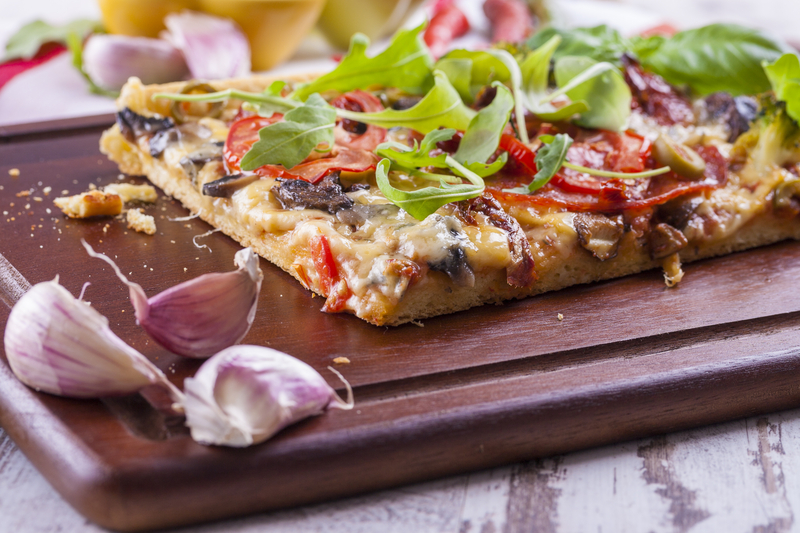


 Baking at home gives you the power to ditch artificial additives and pick nutrient-dense ingredients that you just won’t find in most store-bought stuff. You get to choose whole grain flours, natural sweeteners, and better fats, while commercial bakeries keep adding preservatives to make their products last longer on the shelf.
 Baking at home is usually healthier simply because you’re choosing what goes in—and you can avoid preservatives, excess sodium, and added sugars if you want. The nutrition really depends on your ingredient picks: fiber, protein, and fat content can swing a lot based on what you use.
 Store-bought baked goods last for weeks thanks to chemical preservatives, while homemade stuff usually stays good for just 2-3 days—unless you freeze it or get creative with storage.
 One of the best parts about baking at home? You get to pick the flour that fits your nutrition goals, unlike store-bought bread where you’re stuck with whatever they used. Whole grain flours are packed with fiber and nutrients, and there are tons of alternative flours for low-carb or gluten-free diets.
 Baking at home can cut packaging waste by about 90% compared to store-bought bread, and it’s usually a lot cheaper—sometimes 50-70% less per loaf. If you store it right, homemade bread can last almost as long as commercial stuff.
 Baking at home can be the healthier choice—if you’ve got the right tools and keep an eye on your portions. You don’t need a fancy setup to get started, but measuring servings matters if you want to avoid, you know, just eating the whole loaf fresh out of the oven.
 Home baking can offer nutritional advantages over many store-bought baked goods, but the healthiness depends on ingredients, portion sizes, and preparation methods.


