What Are the Two Types of Muffins? Varieties, Flavors, and Nutrition
Muffins show up everywhere—breakfast tables, coffee shops, you name it. But did you know they’re not all the same?
The two main types are quick bread muffins, which get their rise from baking powder or soda, and yeast-based muffins that lean on yeast for their classic texture.
Quick bread muffins are those sweet, cake-like ones you spot in bakeries, while yeast-based ones—think English muffins—are denser and chewier. They’re really not interchangeable, even if the word “muffin” gets tossed around for both.
Once you know the difference, you can pick the right muffin for your mood—or maybe even up your baking game. Each type calls for its own ingredients and technique, which totally changes the flavor and feel.
Quick bread muffins come together fast and bake up with those familiar domed tops. Yeast-based muffins? They need time to rise and usually cook up on a griddle, not in the oven.
This guide digs into what sets these muffins apart. There’s a bit of history, the lowdown on sweet versus savory, and a peek at why some flavors get all the love. You’ll also see what makes a muffin “healthy” (or not), and maybe pick up a few tips for baking your own, if you’re feeling ambitious.
Defining Muffins and Their Origins
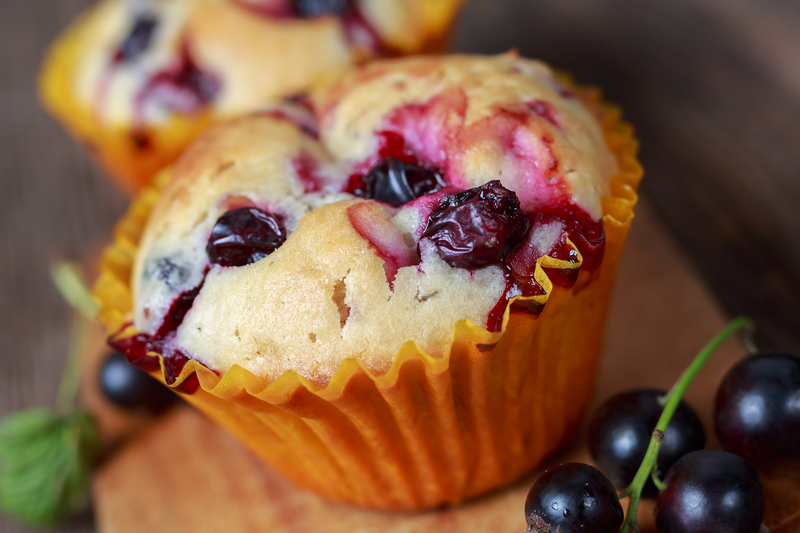
At its core, a muffin is an individual-sized baked good that comes in two main forms: the flat, round, yeast-raised English muffin (cooked on a griddle), and the sweet, quickbread American muffin (made with chemical leaveners and baked in a mold).
The word “muffin” probably comes from Old French “moufflet,” meaning soft bread—first written down as “moofin” in 1703. Language is weird, right?
Muffins vs. Other Baked Goods
What sets muffins apart from the rest? It’s mostly about how they’re made and their texture. American muffins use baking powder or soda for leavening, which gives you a quick bread with a moist, sometimes crumbly texture. No waiting around for dough to rise—just mix and bake.
Cupcakes and muffins might look similar, but cupcakes are basically mini cakes, often topped with icing. Muffins can go either way—sweet or savory—with mix-ins like cheese, cornmeal, fruit, or chocolate chips right in the batter.
English muffins, though, are a whole other thing. They’re flat, round, and yeast-leavened. Usually, you split and toast them, then pile on butter or maybe use them for eggs Benedict if you’re feeling fancy.
Historical Development
Muffins have been around for centuries. Back in 10th-century England, early versions were simple flatbreads, mostly eaten by working folks. By the 1700s, “muffin-men” were selling them on city streets—there’s even an old nursery rhyme about it.
Across the ocean, American quickbread muffins started popping up in 19th-century cookbooks. These swapped yeast for chemical leaveners, which made them faster and easier to whip up. The idea traveled over from Britain in the late 1800s, but Americans definitely put their own spin on it.
Muffins used to be a lot smaller, too. Those old-school 3-inch muffins? Just 120 to 160 calories. These days, bakery muffins are huge—sometimes 340 to 630 calories each, thanks to bigger sizes and, let’s be honest, more sugar and fat.
Key Ingredients and Preparation
For standard American muffins, you’ll need flour, eggs, some kind of leavening (baking powder or soda), oil or butter, and sugar. Dry stuff gets sifted together, then you add the wet ingredients and whatever flavorings you’re into.
Some classic muffin types:
Blueberry muffins – sweet batter, loaded with blueberries
Bran muffins – lots of bran, less flour, plus molasses and brown sugar
Chocolate chip muffins – you know the drill: chocolate chips everywhere
Corn muffins – savory, with cornmeal for a bit of grit
Poppyseed muffins – usually lemony, always good with tea
Store-bought muffins can have all sorts of extras—modified starches, corn syrup, gums to keep them moist for days. You just pour the batter into greased tins or paper cups and bake until the tops are nicely browned.
The Two Main Types: Quick Bread Muffins and Yeast-Based Muffins
Muffins really boil down to two main categories, depending on how they rise: quick bread muffins (using baking powder or soda) and yeast-based muffins, which ferment with yeast. The leavening method changes everything—texture, flavor, even how you make them.
Quick Bread Muffins (American Style)
These are the muffins you see piled high at coffee shops. They’re made with chemical leaveners, not yeast, so they’re fast—start to finish in about 30 minutes, give or take. There’s no waiting for the dough to rise. Usually, you mix the dry stuff in one bowl, wet in another, then combine with just a few stirs. Overmixing? Don’t do it.
Popular quick bread muffin flavors:
Blueberry
Banana nut
Chocolate chip
Corn
Bran
They’re tender and cake-like, perfect for breakfast or a snack. Add-ins like fruit, nuts, or chocolate are totally fair game.
Yeast-Based Muffins (English Muffins)
Then there are the yeast-based muffins—basically English muffins. These need yeast to rise, so you’re looking at a few hours, not minutes. First, you proof the yeast, then let the dough rise. There’s kneading involved to build up gluten, which gives that signature chew and those little holes inside.
Instead of baking, English muffins cook on a griddle or stovetop. They’re flat, round, and get a slightly crispy outside. Split one open with a fork and you’ll see all those nooks and crannies—perfect for butter or jam.
Thanks to fermentation, English muffins have a subtle tang you won’t get from quick breads.
Differences in Texture and Flavor
Quick bread muffins? They’re soft, moist, and almost cake-like. Sweet, crumbly, and consistent all the way through. English muffins are denser, chewier, and have that irregular, holey crumb—plus a bit of crunch on the outside.
Quick texture comparison:
Feature
Quick Bread Muffins
Yeast-Based Muffins
Crumb
Fine, uniform
Irregular, holey
Density
Light, cake-like
Chewy, denser
Exterior
Soft
Slightly crispy
Quick bread muffins are usually sweeter, often with fruit, chocolate, or spices. English muffins? More savory, with a gentle tang from the yeast.
How Leavening Impacts Muffin Types
Your leavening agent changes the whole game. Baking powder and soda create carbon dioxide bubbles fast—just add liquid and heat, and you’re good to go. That’s why you can mix and bake quick bread muffins right away. Just don’t overdo the stirring, or they’ll get tough and develop weird tunnels.
Yeast works differently—it’s alive, for one thing. It eats sugars and slowly releases gas, so you have to give it time and a bit of warmth. That slow fermentation builds more complex flavors and helps the gluten develop, which is why English muffins have that chewy bite and keep their shape when toasted.
Sweet vs. Savory: Popular Variations
Sweet muffins usually pack fruit, chocolate, or sugar—great for breakfast or dessert. Savory muffins lean on cheese, herbs, or veggies for something a little more filling.
Classic Sweet Muffins
Blueberry muffins are probably the most iconic in the U.S. They’ve got fresh or frozen berries scattered through a sweet, tender batter—each bite’s a little burst of fruit.
Chocolate chip muffins are basically dessert for breakfast, with chunks of chocolate in every bite. No shame in that.
Banana muffins make good use of overripe bananas, adding sweetness and moisture. A handful of walnuts or pecans never hurts for crunch.
Pumpkin spice muffins bring together pumpkin puree and warm spices like cinnamon and nutmeg. Super popular in fall, but honestly, who says you can’t have them year-round?
Other sweet favorites:
Lemon poppy seed
Bran with raisins
Apple cinnamon
Double chocolate
Strawberry
Top Savory Muffin Options
Cheese and herb muffins bring together sharp cheddar or parmesan with fresh herbs—think rosemary, thyme, or chives. They’re great next to a bowl of soup or a simple salad, making for a pretty satisfying meal.
Corn muffins have a subtle sweetness, which makes them a classic with chili or barbecue. Toss in some jalapeños and extra cheddar, and suddenly you’ve got a spicy, savory snack that disappears fast.
Bacon and cheese muffins? Oh, those are all about crispy bacon bits and gooey cheese. They’re kind of perfect for breakfast, especially if you catch them still warm from the oven.
Sun-dried tomato and feta muffins bring a bit of the Mediterranean to your kitchen. The salty, tangy feta cuts through the sweetness of the tomatoes in a way that just works.
Vegetable muffins sneak in zucchini, carrots, or spinach. These add nutrition while keeping everything moist and flavorful—never a bad thing in a muffin.
Most Popular Muffin Flavors Around the World
Blueberry muffins top global popularity rankings, but banana, chocolate chip, and bran aren’t far behind. These four seem to take over bakery displays and home kitchens—probably because they hit that sweet spot between taste, texture, and crowd-pleasing comfort.
Blueberry Muffins
Blueberry muffins are basically everywhere—most popular muffin flavor for a reason. Walk into any bakery, coffee shop, or grocery store in North America or Europe, and odds are you’ll find them.
There’s something about that mix of sweet batter and tart berries that just works. When the blueberries burst in the oven, you get little pockets of juicy flavor in every bite.
Minnesota even went so far as to name the blueberry muffin its official state muffin. That’s some serious love for a baked good.
At home, you can use fresh or frozen berries—no need to stress about what’s in season. Frozen berries do the job just fine, and they keep the muffins moist and naturally sweet, without piling on extra calories like chocolate-based ones.
Banana Muffins
Banana muffins are a go-to for anyone staring down a bunch of overripe bananas. Instead of tossing them, you get to turn them into something delicious.
The natural sugars in ripe bananas mean you can cut back on added sugar, so banana muffins feel a bit healthier than most sweet options.
They’re dense, moist, and stay fresh for days. Plus, bananas play well with just about anything—walnuts, chocolate chips, cinnamon, you name it.
Most bakeries keep banana muffins in the rotation, and honestly, they’re a safe bet for families—kids and adults both seem to love them.
Chocolate Chip Muffins
Chocolate chip muffins scratch that itch for something sweet but still feel like a muffin, not a cupcake. They’ve got a hearty crumb, not the fluffiness of cake.
Depending on the size, you’re looking at anywhere from 340 to 630 calories—big bakery versions are definitely more of an indulgence than homemade ones.
Melty chocolate chips scattered throughout make for some pretty great bites. Some folks go for mini chips for more even chocolate, others want big chunks for those rich, gooey pockets.
Honestly, chocolate chip muffins kind of blur the line between breakfast and dessert. They’re popular for a reason—even if they aren’t exactly low-calorie.
Carrot and Bran Muffins
Bran muffins are the healthier side of the muffin world. They swap in wheat bran for regular flour and get their sweetness from molasses and brown sugar.
With more fiber than most fruit muffins, bran muffins are a solid pick for breakfast. They’re not as sweet as blueberry or chocolate, but that’s kind of the point.
Carrot muffins lean on veggies and warm spices like cinnamon and nutmeg. The grated carrots keep things moist and add a gentle sweetness—think carrot cake, but less sugary and more portable.
Both carrot and bran muffins tend to attract folks looking for something more wholesome at breakfast. They’re filling, and you don’t feel like you’re eating dessert first thing in the morning.
What Makes a Muffin Healthy?
If you’re aiming for a healthy muffin, look for whole grains over refined flour, keep the added sugar in check, use plant oils or nuts for fat, and stick to a reasonable portion—about 2 ounces. Really, it’s the ingredients and how much you eat that decide if a muffin is a smart snack or just empty calories.
Healthiest Muffin Choices
Whole grain muffins with fruit and nuts are about as healthy as muffins get. Blueberry muffins made with whole wheat flour, oats, or almond flour have fiber and keep you full longer. Stick to a normal size and you’re looking at around 120 calories—compare that to the 470-calorie monsters at most coffee shops.
Banana nut muffins with whole wheat flour and walnuts bring heart-healthy fats and a bit of protein. Zucchini or carrot muffins are another good call—they sneak in veggies and don’t need much sugar. If you’re bored of sweet, savory muffins with jalapeños and cheddar or fresh herbs are a tasty switch-up.
The real difference between healthy and unhealthy muffins is the flour. Whole wheat pastry flour, white whole wheat, and cornmeal keep the bran and germ that refined flour strips away, so you get more fiber, vitamins, and minerals.
Ingredients for Nutritious Muffins
Whole grain flours should make up at least half your recipe. You’ve got options—whole wheat, buckwheat, rolled oats. Nut flours like almond meal can replace up to a quarter of the grain flour and add a little protein and healthy fat, too.
Plant-based oils are a better bet than butter or shortening. Canola, olive, or sunflower oil all give you those good fats, and you actually need less oil than butter since butter’s got water in it.
Sugar reduction is easier than you’d think. Most recipes can lose 25–50% of their sugar without tasting bland. Brown sugar, honey, or agave bring more flavor, so you can use less. Don’t forget, fruit and spices like cinnamon can sweeten things up naturally.
Greek yogurt or buttermilk keeps muffins moist without using heavy cream or whole milk. Beans and bean flours can sneak in extra fiber and protein, too.
Low-Calorie and Dietary Muffin Types
Honestly, most bakery muffins are huge. A standard muffin should be about 2 ounces—less than half the size you’ll find at the coffee shop. Just that little tweak can drop the calories way down. A right-sized blueberry muffin? About 120 calories, compared to a commercial one at 467.
Reduced sugar muffins keep added sugar to just 2–5 grams per serving, not the 40 grams you see in the big ones. It’s a simple way to avoid sugar crashes. Low-sodium tweaks might use egg whites for lift instead of leaning on baking powder and soda.
Grain-free muffins—think chickpea or other bean flours—work for folks skipping gluten or cutting carbs. They’re higher in protein and fiber than the usual recipes. Egg-based muffins with veggies are a solid high-protein, low-carb option if that’s your thing.
Whatever your diet, there’s probably a muffin for it. Vegan? Flax eggs or applesauce swap in for eggs. Paleo? Almond flour and coconut oil have you covered. Each tweak keeps the muffin vibe but fits your needs.
Tips for Baking and Customizing Muffin Types
Sweet or savory, muffins are super flexible. With a few ingredient swaps or a little creativity, you can make them fit just about any diet or occasion—way beyond the usual grab-and-go breakfast.
Adjusting for Dietary Preferences
It’s not hard to tweak muffin recipes for different diets. Trade out all-purpose flour for almond flour, whole wheat, or a gluten-free blend if you need to.
Dairy-free? Swap in almond milk, oat milk, or coconut milk, and use coconut or vegetable oil instead of butter. For egg-free baking, flax eggs (just ground flaxseed and water) or mashed banana do the trick.
Want less sugar? Use mashed dates, applesauce, or honey instead of the refined stuff. Toss in some protein powder, or add chia seeds and hemp hearts for a little boost.
If you’re making savory muffins, try vegetable broth instead of milk and toss in herbs like rosemary, thyme, or basil. Extra veggies—spinach, zucchini, bell peppers—never hurt, either.
Creative Ways to Enjoy Muffins
Muffins don’t have to be just a grab-and-go breakfast. Try splitting a sweet muffin, toasting it, and slathering on some nut butter or a swipe of cream cheese—honestly, it’s hard to go wrong there.
If you’ve got savory muffins, why not turn them into tiny sandwiches? Slice one open and stuff it with eggs, cheese, or whatever deli meat you’re craving. Leftover muffins? Crumble them over yogurt or even ice cream for a surprisingly great dessert topping.
Warm muffins are even better with a pat of something special—think honey butter, cinnamon butter, or if you’re feeling fancy, an herby spread for the savory ones. And, for sweet muffins, a quick glaze of powdered sugar and milk can make them feel a bit more indulgent. Streusel on top before baking? Absolutely, if you’re up for it.
Blueberry or banana muffins and a cup of coffee (or tea, if that’s your thing) make a solid afternoon snack. Corn muffins alongside chili or soup? Classic, honestly. And if you want to share the muffin love, wrap them up individually with a little ribbon—suddenly you’ve got a cute gift or party favor without much effort.
FAQ: What Are the Two Types of Muffins?
Muffins are generally grouped into two main categories based on how they are made and the mixing method used. Understanding these types helps explain differences in texture, rise, and flavor.
What Are the Two Types of Muffins?
The two main types of muffins are:
Quick bread muffins (American-style muffins)
English muffins (yeast-based muffins)
What Are Quick Bread Muffins?
Quick bread muffins are the most common type. They are made using baking powder or baking soda instead of yeast, which allows them to rise quickly in the oven.
They are typically:
Soft and cake-like
Sweet or savory
Mixed just until combined
What Are English Muffins?
English muffins are yeast-leavened and cooked on a griddle instead of baked in an oven. They are usually sliced and toasted before eating.
They are typically:
Chewy with a dense texture
Full of air pockets inside
Mild in flavor
How Do the Two Muffin Types Differ in Texture?
Quick muffins: soft, fluffy, cake-like
English muffins: chewy, dense, and slightly crisp when toasted
How Is the Leavening Different in Each Type?
Quick muffins use baking powder or baking soda
English muffins use yeast fermentation
Are English Muffins Baked in the Oven?
No, traditional English muffins are cooked on a skillet or griddle, not baked.
Which Type of Muffin Is More Common?
Quick bread muffins are more common in bakeries and home baking due to their simplicity and fast preparation.
Are Both Types Considered Muffins?
Yes, both are called muffins, but they differ significantly in preparation, texture, and cooking method.
Which Muffin Type Is Healthier?
It depends on ingredients. English muffins are often lower in sugar, while quick muffins vary widely depending on recipe.


 At its core, a muffin is an individual-sized baked good that comes in two main forms: the flat, round, yeast-raised English muffin (cooked on a griddle), and the sweet, quickbread American muffin (made with chemical leaveners and baked in a mold).
 Muffins really boil down to two main categories, depending on how they rise: quick bread muffins (using baking powder or soda) and yeast-based muffins, which ferment with yeast. The leavening method changes everything—texture, flavor, even how you make them.
 Sweet muffins usually pack fruit, chocolate, or sugar—great for breakfast or dessert. Savory muffins lean on cheese, herbs, or veggies for something a little more filling.
 Blueberry muffins top global popularity rankings, but banana, chocolate chip, and bran aren’t far behind. These four seem to take over bakery displays and home kitchens—probably because they hit that sweet spot between taste, texture, and crowd-pleasing comfort.
 If you’re aiming for a healthy muffin, look for whole grains over refined flour, keep the added sugar in check, use plant oils or nuts for fat, and stick to a reasonable portion—about 2 ounces. Really, it’s the ingredients and how much you eat that decide if a muffin is a smart snack or just empty calories.
 Sweet or savory, muffins are super flexible. With a few ingredient swaps or a little creativity, you can make them fit just about any diet or occasion—way beyond the usual grab-and-go breakfast.
 Muffins are generally grouped into two main categories based on how they are made and the mixing method used. Understanding these types helps explain differences in texture, rise, and flavor.


