Advantages of Baking Food: Healthier, Flavorful, and Versatile Cooking
Baking food offers numerous benefits that appeal to both home cooks and professional chefs.
One of its key advantages is the ability to control ingredients and portion sizes, which makes it easier to prepare healthier meals. This flexibility also allows recipes to be adjusted for specific dietary needs, ensuring baked goods can fit into various meal plans without compromising on taste.
In addition, baking is a highly creative and engaging cooking method. It encourages experimentation with different flavors, textures, and techniques, often resulting in unique and satisfying culinary creations. Many people also find the process itself enjoyable and therapeutic, offering a calming activity that can help reduce stress while producing something rewarding.
Another important benefit of baking is its practicality. Baked foods generally have a longer shelf life compared to those prepared using other cooking methods, which can help reduce food waste and save money over time. Overall, understanding these advantages highlights the value of baking as a versatile and beneficial part of everyday cooking routines.
Health Benefits of Baking
Baking food reduces fat content compared to frying, preserves vitamins and minerals better than boiling, and minimizes the formation of harmful compounds that appear in high-temperature cooking methods like deep frying or grilling.
Low-Fat Cooking Compared to Frying
Baking requires little to no added oil, while frying submerges food in fat. A baked chicken breast contains approximately 3 grams of fat per serving, whereas the same piece deep-fried absorbs 8-12 grams of additional fat from cooking oil. This difference reduces your calorie intake by 100-150 calories per serving.
You can season baked foods with herbs, spices, and marinades instead of relying on oil for flavor and moisture. The dry heat of an oven at 350-425°F creates a browned exterior through the Maillard reaction without fat absorption. Baked vegetables like potatoes, Brussels sprouts, and zucchini develop rich flavors using only a light coating of oil or none at all.
Preservation of Nutrients
Baking maintains more vitamins than boiling because nutrients don’t leach into water. Water-soluble vitamins like vitamin C and B vitamins remain in baked vegetables at 80-90% of their original levels. Boiling causes up to 50% loss of these vitamins as they dissolve into cooking liquid.
Baked sweet potatoes retain 95% of their beta-carotene content, while boiled versions lose 20-30%. The enclosed oven environment protects foods from oxygen exposure, which degrades sensitive nutrients. Baking at moderate temperatures between 325-375°F prevents vitamin breakdown that occurs at higher heat levels used in frying.
Reduced Risk of Harmful Compounds
Baking produces fewer harmful compounds than frying or grilling. Deep frying at 350-375°F creates acrylamide in starchy foods and trans fats when oils break down. Grilling at 400-500°F generates heterocyclic amines and polycyclic aromatic hydrocarbons from charring meat.
Baking keeps food temperatures below 400°F in most cases, limiting chemical reactions that form these substances. You control moisture levels in an oven, preventing the dry conditions that accelerate acrylamide formation in bread and potatoes. Covered baking dishes trap steam, keeping foods moist and reducing browning that produces potentially harmful compounds.
Nutritional Advantages of Oven Baking
Oven baking preserves more minerals than boiling and requires less added fat than frying. This method concentrates nutrients through moisture loss while keeping heat-sensitive vitamins more intact than high-temperature cooking techniques.
Retention of Vitamins and Minerals
Baking keeps minerals like calcium and iron stable because these nutrients resist heat degradation. When you bake vegetables or grains, minerals become more concentrated as water evaporates from the food.
Heat-sensitive vitamins like vitamin C and B vitamins decrease less in baking compared to boiling. Water-soluble vitamins stay in your food instead of leaching into discarded cooking water. Fat-soluble vitamins A, D, E, and K remain stable during standard baking temperatures between 325°F and 375°F.
You lose fewer nutrients when you bake at moderate temperatures for appropriate times. Quick baking at lower heat protects more vitamins than prolonged exposure above 400°F.
Promotion of Healthy Fat Profiles
Baking eliminates the need for deep-frying oils that add saturated and trans fats to your meals. You can cook chicken, fish, and vegetables with minimal oil using parchment paper or non-stick surfaces.
This cooking method reduces total calorie content by 30-50% compared to pan-frying the same foods. Your baked dishes contain only the natural fats present in ingredients plus small amounts you choose to add.
Baking at controlled temperatures prevents oil oxidation that creates harmful compounds in fried foods. You maintain healthier omega-3 fatty acids in fish when you bake instead of using high-heat methods.
Flavor Enrichment Through Baking
Baking transforms food through chemical reactions that create new flavors, intensify natural sugars, and develop complex aromatic compounds. The dry heat caramelizes sugars and browns proteins to produce depth unavailable through other cooking methods.
Enhanced Natural Sweetness
Baking concentrates and transforms the natural sugars in foods through caramelization. When you heat sugars above 320°F, they break down into hundreds of new compounds that taste sweeter and more complex than raw ingredients.
Vegetables like carrots, sweet potatoes, and onions develop 30-40% more perceived sweetness after baking for 25-30 minutes at 375°F. The heat evaporates water content while converting starches into simple sugars. Fruits become more flavorful as their pectin breaks down and sugar molecules concentrate.
You can use this advantage to reduce added sweeteners in recipes. Baked apples need less sugar than raw apples in desserts because the heating process amplifies their natural fructose content.
Development of Rich Aromas
The Maillard reaction begins at 285°F and creates over 1,000 different aroma compounds when amino acids react with reducing sugars. This chemical process gives bread its toasted smell and cookies their nutty fragrance.
Baking proteins like meat, fish, or legumes generates savory notes absent in boiled or steamed preparations. The dry oven environment allows surface temperatures to reach levels that trigger these reactions. You’ll notice the difference between boiled chicken and roasted chicken immediately through smell alone.
Herbs and spices release volatile oils during baking that permeate throughout your food rather than staying on the surface.
Improved Texture and Crust
Baking creates textural contrast through moisture removal from food surfaces. The outer layer becomes crispy while interior moisture stays trapped, producing a crust-to-center gradient you can’t achieve with wet cooking methods.
Bread develops a golden crust when surface starches convert to dextrin at temperatures above 300°F. Proteins coagulate and form a firm outer shell on baked goods. This barrier locks in internal moisture and flavor compounds.
You control texture by adjusting temperature and time. Higher heat (425-450°F) creates crunchier exteriors on vegetables and proteins. Lower heat (325-350°F) produces tender crusts on cakes and delicate pastries.
Even and Consistent Cooking Results
Baking delivers uniform heat distribution that cooks food evenly throughout, eliminating hot spots and cold areas that cause uneven doneness. This method reduces the risk of serving undercooked or burnt portions.
Uniform Heating and Doneness
Ovens surround food with hot air from all sides, creating consistent temperature exposure across the entire dish. This radial heat pattern ensures that a chicken breast cooks through at the same rate from edge to center. Large roasts reach safe internal temperatures without burning exterior surfaces.
Key benefits of uniform heating:
Casseroles cook through completely without raw centers
Vegetables soften evenly without mushy or hard pieces
Bread develops consistent crust color on all sides
You can bake multiple items on different racks simultaneously because modern ovens maintain stable temperatures throughout the cavity. A sheet of cookies on the top rack browns at the same rate as cookies on the bottom rack.
Prevention of Overcooking
Baking gives you precise temperature control that prevents food from burning or drying out. You set the exact degree needed for your recipe and the oven maintains that heat level without fluctuation.
Timer settings let you track cooking duration accurately. You can remove dishes at the optimal moment rather than guessing based on visual cues alone. This precision matters most for proteins like fish that become tough when overcooked by even two minutes.
The enclosed environment traps moisture, which keeps foods from drying out during long cooking times. Covered dishes retain steam that bastes food naturally.
Versatility of Baking Techniques
Baking works for both sweet desserts and savory meals while supporting efficient batch preparation that saves time and energy.
Sweet and Savory Applications
Baking handles sweet items like cookies, cakes, and pastries alongside savory foods such as roasted vegetables, casseroles, and bread. You can bake chicken breasts at 375°F for protein, then use the same oven temperature for apple crisp dessert. This method requires minimal equipment changes between different food types.
The dry heat environment creates crispy exteriors on both categories. Roasted root vegetables develop caramelized edges while maintaining tender interiors. Baked salmon produces a flaky texture similar to how muffins achieve a soft crumb structure.
You can prepare complete meals using one appliance. A sheet pan holds seasoned potatoes, chicken thighs, and Brussels sprouts that bake simultaneously at matching temperatures. This flexibility reduces cooking complexity and expands your menu options without learning separate techniques.
Batch Cooking Convenience
Batch baking lets you prepare multiple portions in one cooking session, reducing repeated oven use throughout the week. A standard oven accommodates 24 muffins, 4 chicken breasts, or 3 casserole dishes at once.
You save energy by heating the oven once instead of multiple times. Baked goods and prepared meals store well in refrigerators for 3-5 days or freeze for up to 3 months. This approach cuts down active cooking time during busy weekdays.
Common batch baking items:
Breakfast muffins and egg casseroles
Dinner proteins like baked chicken or meatloaf
Side dishes including roasted vegetables
Snacks such as granola bars or crackers
Pre-portioned containers keep baked meals organized and ready for quick reheating. You control ingredients across all servings, maintaining consistent nutrition values.
Convenience and Time-Saving Aspects
Baking reduces active cooking time by allowing the oven to work independently while you attend to other tasks. This method supports efficient meal preparation through batch cooking and minimal supervision requirements.
Hands-Off Cooking Process
Baking requires minimal active involvement once food enters the oven. You can prepare ingredients, place them in the oven, and set a timer without constant monitoring. This frees up 20 to 60 minutes depending on the recipe.
The oven maintains consistent temperature automatically. You don’t need to stir, flip, or adjust heat levels like stovetop cooking demands. This hands-off approach lets you complete other household tasks, work responsibilities, or meal components simultaneously.
A timer alerts you when baking completes. You can bake chicken breasts for 25 minutes, roast vegetables for 35 minutes, or prepare casseroles for 45 minutes without standing near the stove. This passive cooking method saves energy and attention for other activities.
Efficient Meal Preparation
Batch baking allows you to prepare multiple meals at once using your oven’s full capacity. You can bake three chicken breasts, two sheet pans of vegetables, and a lasagna simultaneously.
This approach reduces total cooking time per meal. Baking six servings takes roughly the same time as baking two servings. You can freeze portions for later use, eliminating daily cooking requirements.
One oven session can produce meals for three to five days. You save time on daily meal decisions, ingredient preparation, and cleanup. Baking multiple items together also reduces energy consumption compared to cooking separate meals throughout the week.
Extended Shelf Life of Baked Foods
Baking extends food shelf life by removing moisture and creating conditions that limit microbial growth. This preservation method reduces waste and maintains food quality for longer periods.
Reduced Spoilage
Baking reduces moisture content in foods to levels that prevent bacterial and mold growth. Water activity drops below 0.85 in most baked products, which stops microorganisms from multiplying. The heat during baking kills existing pathogens and spoilage bacteria.
You can store baked goods at room temperature for days or weeks without refrigeration. Bread typically lasts 5-7 days, while crackers and biscuits remain safe for months. The dry environment inside baked products makes them inhospitable to fungal contamination.
Proteins in baked goods bind water molecules during heating, which further limits moisture available for microbial activity. This protein transformation creates additional stability beyond simple moisture removal.
Food Waste Reduction
Baked foods address the 30-40% food waste rate in the United States food supply by staying edible longer. You reduce discarded food when products remain fresh past typical perishable food timeframes.
Commercial bakeries use emulsifiers and enzymes to extend shelf life from days to weeks. These ingredients maintain texture and prevent staleness without synthetic preservatives. Home bakers achieve similar results through proper storage in airtight containers.
Your baked goods require less frequent replacement compared to fresh produce or raw ingredients. This efficiency saves money and reduces environmental impact from food production. Frozen baked products extend shelf life to 3-6 months while maintaining nutritional value and taste quality.
Digestibility and Texture Improvements
Baking transforms raw ingredients through heat, breaking down complex starches into simpler forms that your body absorbs more easily. The process also softens food fibers and creates textures that require less effort to chew and swallow.
Enhanced Starch Breakdown
Baking causes starch gelatinization, which converts raw starch molecules into a digestible form. When you heat flour-based products between 130-150°C, the starch granules absorb water and swell.
This chemical change makes nutrients more accessible to your digestive enzymes. Your body breaks down gelatinized starch faster than raw starch, leading to better nutrient absorption. The heat also denatures proteins, making them easier for your stomach to process.
Baked goods reach optimal digestibility when the internal temperature stays consistent throughout cooking. Products like bread, cakes, and pastries become softer and more porous during baking, which helps digestive acids penetrate the food more effectively.
Better Chewing and Swallowing Experience
Baking creates a softer texture that reduces the physical effort needed to eat. The heat breaks down tough connective tissues and cell walls in ingredients, making food easier to bite through.
Baked items develop varied textures from crispy exteriors to tender interiors. This texture variety stimulates saliva production, which starts the digestive process in your mouth. The moisture released during baking also prevents dryness that can make swallowing difficult.
Properly baked foods maintain structural integrity while staying tender. You experience less jaw fatigue when eating baked items compared to raw or undercooked alternatives.
Creative Aspects of Baking
Baking engages both hands and mind in ways that reduce stress and create opportunities for personal expression. The process combines structured tasks with room for creative choices, making it both calming and rewarding.
Encouraging Creativity and Experimentation
Baking allows you to experiment with flavors, textures, and presentation styles while following basic recipes. You can substitute ingredients like using honey instead of sugar or adding spices to customize taste. Decorating cakes and cookies gives you space to express artistic ideas through colors and patterns.
The structure of recipes provides a foundation while leaving room for adjustments. You might try different flour types, add mix-ins like chocolate chips or nuts, or create your own flavor combinations. Each baking session teaches you how ingredients interact, building your confidence to modify recipes over time.
Stress Relief and Mindfulness
Baking keeps your attention on immediate tasks like measuring, stirring, and kneading. These repetitive movements help calm your nervous system and reduce anxiety. The sensory experience of touching dough, smelling vanilla, and hearing mixers creates focus on the present moment.
Research shows that creative activities like baking improve mood and emotional well-being. The rhythm of whisking and folding ingredients acts as a form of meditation. When you share what you bake with others, it strengthens social connections and adds purpose to the activity.
Accessibility and Required Equipment
Baking requires minimal specialized tools and adapts easily to different physical abilities and experience levels. Most recipes work with basic equipment found in standard kitchens, while modifications accommodate limitations.
Basic Tools Needed
You need an oven, mixing bowls, measuring cups, measuring spoons, and a baking pan to start baking. Standard ovens provide consistent heat distribution that cooks food evenly from all sides. A wooden spoon or whisk handles most mixing tasks without electricity.
Metal or glass baking pans conduct heat effectively for cookies, cakes, and breads. Measuring tools ensure accurate ingredient ratios, which determine recipe success. Parchment paper prevents sticking without added fats.
Most households already own these items, making baking more accessible than cooking methods requiring specialized equipment. You can begin with these tools and add items like stand mixers or pastry blenders as your skills develop.
Adaptability for Different Skill Levels
Baking accommodates physical limitations through modified tools and simplified techniques. Easy-grip spatulas with ergonomic handles assist those with limited hand strength or dexterity. One-handed mixing aids attach to bowl edges for stability.
Adjustable measuring cups reduce the number of tools needed for portion control. Stand mixers eliminate manual stirring for people with mobility restrictions. Pre-made dough options remove kneading requirements while still producing quality results.
Recipe modifications break complex processes into smaller steps you can complete at your own pace. Using stable equipment and electric appliances reduces physical strain while maintaining the same baking outcomes as traditional methods.
Sense of Achievement
Baking is more than just creating delicious treats—it is a rewarding process that builds a strong sense of accomplishment. Whether you are a beginner or an experienced baker, each successful bake reflects growth in skill, patience, and understanding.
Over time, improvements in technique and knowledge of baking science help strengthen confidence and highlight personal achievement in the kitchen.
Creativity and Problem-Solving in the Kitchen
Baking also provides a space for creativity and adaptability. From experimenting with flavours and decorations to adjusting recipes or solving unexpected challenges, every step encourages creative thinking.
Overcoming these obstacles not only improves the final result but also builds confidence, resilience, and a deeper appreciation for the baking process.
Tangible Results and Personal Growth
One of the most satisfying aspects of baking is the tangible outcome of your efforts. Seeing, smelling, and tasting freshly baked goods brings immediate joy, while sharing them with others adds even more meaning through their appreciation and enjoyment.
At the same time, baking supports continuous learning and personal growth, with each recipe offering new skills and experiences that build self-esteem and a lasting sense of achievement.
Baking in Comparison With Other Cooking Methods
Baking uses dry heat in an enclosed space, which affects nutrient retention and texture differently than methods like frying or steaming. The cooking technique you choose changes how much fat enters your food and how flavors develop.
Health Impacts vs Frying
Baking requires little to no added oil, while frying submerges food in fat or uses significant amounts for pan-frying. A baked chicken breast contains roughly 165 calories per 3.5 ounces, whereas the same portion fried can exceed 250 calories due to oil absorption.
Deep-fried foods absorb 8-25% of the cooking oil’s weight, adding saturated and trans fats to your meal. Baking eliminates this fat absorption entirely.
Key health differences:
Baked foods retain more vitamins B and C since no water leaches nutrients away
Frying creates acrylamide and other compounds at temperatures above 250°F
Baking at 350-400°F produces fewer harmful byproducts than frying at 350-375°F
Your risk of consuming excess calories drops when you bake instead of fry, making weight management easier.
Differences in Flavor and Texture
Baking creates a uniform crust through the Maillard reaction, which happens when proteins and sugars interact at 280-330°F. Frying produces a different texture because oil transfers heat faster than air, creating a thinner, crispier exterior in less time.
Baked vegetables develop concentrated sweetness as moisture evaporates slowly. Fried vegetables cook quickly but often taste oilier and less sweet.
The dry heat of baking intensifies natural flavors without adding grease. Roasted potatoes caramelize their starches into complex sugars, while fried potatoes absorb oil that can mask their natural taste.
Baking produces flakier pastries and bread with developed internal structure. Frying cannot replicate the airy crumb of baked goods because rapid cooking prevents proper rise and gluten development.
Potential Drawbacks and Considerations
Baking requires more time than stovetop methods, uses ingredients that may need modification for health goals, and often includes added fats or sugars that increase calorie content.
Longer Cooking Times
Baking takes 25 to 45 minutes for most recipes compared to 10 to 15 minutes for pan-frying or grilling. You cannot adjust temperatures mid-process without affecting the final texture. Bread needs 1 to 2 hours of rising time before baking begins.
Preheating adds 10 to 15 minutes to your total cooking time. You must wait for proper temperature before placing food in the oven.
Time requirements for common baked items:
Chicken breast: 25-30 minutes at 375°F
Vegetables: 20-40 minutes depending on size
Fish fillets: 12-15 minutes at 400°F
Casseroles: 45-60 minutes at 350°F
Cooling periods prevent immediate serving. Baked dishes need 5 to 10 minutes to set after removal from the oven.
Recipe Adjustments for Health
Standard baking recipes require modifications to reduce calories and increase nutrients. You must substitute whole wheat flour for refined white flour to add fiber and B vitamins. This changes texture and requires additional liquid.
Reducing sugar by more than 25% affects browning and moisture retention. Your baked goods turn out dry or pale without proper adjustments.
Oil replaces butter to lower saturated fat, but this changes flavor and creates denser textures. You need to test multiple batches to find acceptable results.
Possible Use of Added Sugars or Fats
Traditional baking depends on butter, oil, and sugar for proper texture and taste. A single muffin contains 15 to 25 grams of sugar and 10 to 15 grams of fat. These amounts equal 4 to 6 teaspoons of sugar per serving.
Butter creates flaky pastries through its water content and fat structure. Removing it requires alternative ingredients that perform similar functions.
Commercial baked products contain higher amounts than homemade versions. Store-bought cookies include extra sugar for shelf stability and enhanced flavor appeal.
Bottom Line – The Advantages of Baking
Embracing baking as a regular part of your culinary journey can contribute to a healthier and more balanced lifestyle. The advantages of baking make it a worthwhile cooking method to explore at home, offering both nutritional and personal benefits.
By baking more often, you gain greater control over the ingredients you use, allowing you to make healthier choices such as whole grains, natural sweeteners, and reduced amounts of saturated fats. This level of control supports more balanced eating habits and helps promote overall nutritional well-being.
In addition, baking can be an enjoyable and rewarding activity that encourages mindfulness and portion awareness. As you enjoy the results of your homemade creations, you can experience satisfaction without compromising your health. Over time, making baking a regular habit can lead to a more nourishing, enjoyable, and sustainable approach to everyday eating.
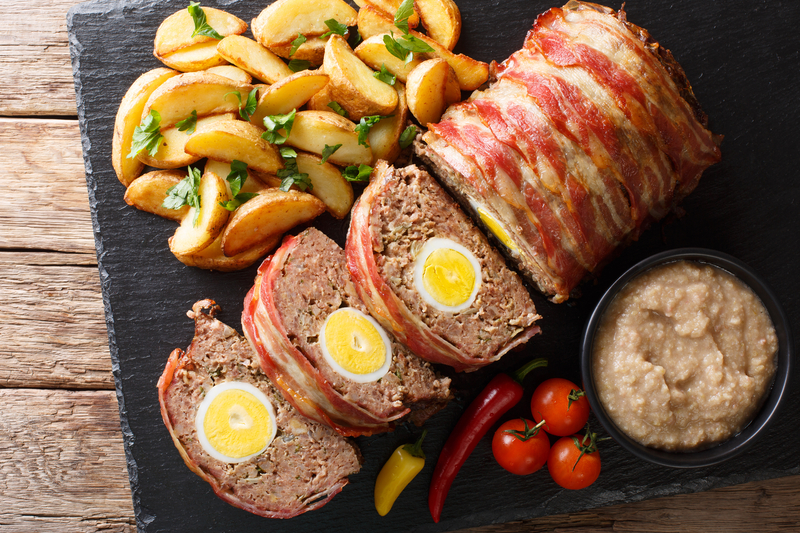


 Baking food reduces fat content compared to frying, preserves vitamins and minerals better than boiling, and minimizes the formation of harmful compounds that appear in high-temperature cooking methods like deep frying or grilling.
 Oven baking preserves more minerals than boiling and requires less added fat than frying. This method concentrates nutrients through moisture loss while keeping heat-sensitive vitamins more intact than high-temperature cooking techniques.
 Baking transforms food through chemical reactions that create new flavors, intensify natural sugars, and develop complex aromatic compounds. The dry heat caramelizes sugars and browns proteins to produce depth unavailable through other cooking methods.
 Baking delivers uniform heat distribution that cooks food evenly throughout, eliminating hot spots and cold areas that cause uneven doneness. This method reduces the risk of serving undercooked or burnt portions.
 Baking works for both sweet desserts and savory meals while supporting efficient batch preparation that saves time and energy.
 Baking reduces active cooking time by allowing the oven to work independently while you attend to other tasks. This method supports efficient meal preparation through batch cooking and minimal supervision requirements.
 Baking extends food shelf life by removing moisture and creating conditions that limit microbial growth. This preservation method reduces waste and maintains food quality for longer periods.
 Baking transforms raw ingredients through heat, breaking down complex starches into simpler forms that your body absorbs more easily. The process also softens food fibers and creates textures that require less effort to chew and swallow.
 Baking engages both hands and mind in ways that reduce stress and create opportunities for personal expression. The process combines structured tasks with room for creative choices, making it both calming and rewarding.
 Baking requires minimal specialized tools and adapts easily to different physical abilities and experience levels. Most recipes work with basic equipment found in standard kitchens, while modifications accommodate limitations.
 Baking uses dry heat in an enclosed space, which affects nutrient retention and texture differently than methods like frying or steaming. The cooking technique you choose changes how much fat enters your food and how flavors develop.
 Baking requires more time than stovetop methods, uses ingredients that may need modification for health goals, and often includes added fats or sugars that increase calorie content.
 Embracing baking as a regular part of your culinary journey can contribute to a healthier and more balanced lifestyle. The advantages of baking make it a worthwhile cooking method to explore at home, offering both nutritional and personal benefits.


