Is Baking a Form of Art? Exploring Creativity and Science
Baking is a form of art because it combines creative expression with technical skill to produce visually appealing and flavorful results.
When you bake, you make choices about flavors, textures, and presentation that reflect your personal style. These decisions transform basic ingredients into something that can be appreciated for both its beauty and taste.
The process involves more than following instructions. You adjust recipes based on your vision and experiment with new combinations. Baking requires you to understand both the science of how ingredients work together and the artistic elements of design and composition.
This article examines what makes baking artistic while exploring its scientific foundation. You’ll learn about the creative elements that define baking as art, how chemistry plays a role in success, and how modern bakers continue to push boundaries between craft and creativity.
Defining Baking: Art, Science, or Both?
Baking combines both scientific principles and artistic expression in equal measure. The process requires exact chemical reactions while also allowing for creative interpretation and personal style.
Understanding the Dual Nature of Baking
Baking operates as both an art and a science simultaneously. You follow specific chemical principles when you mix flour, water, yeast, and heat to create bread. The proteins in flour form gluten networks. The yeast produces carbon dioxide gas. The heat sets the structure through protein coagulation and starch gelatinization.
You also make creative decisions throughout the baking process, from selecting flavor combinations and shaping the dough to designing the final presentation.
Every baker starts with the same basic ingredients: flour, sugar, eggs, fats, and leavening agents. Your final product reflects your technical knowledge and creative vision. Two bakers can follow identical measurements and produce completely different results based on their techniques and choices.
Why Baking Requires Scientific Precision
You must measure ingredients accurately to achieve consistent results. A difference of 10 grams of flour can change your dough’s hydration level. Wrong oven temperatures prevent proper rise or cause burning.
Chemical reactions occur at specific temperatures and ratios. Baking powder activates at 140°F and again at 350°F. Egg proteins coagulate between 144°F and 158°F. Sugar caramelizes at 320°F.
You need to understand these reactions to troubleshoot problems. Dense cakes indicate too much mixing or insufficient leavening. Tough cookies result from excess gluten development. Flat bread means dead yeast or incorrect proofing temperature.
How Artistic Expression Shapes Baking
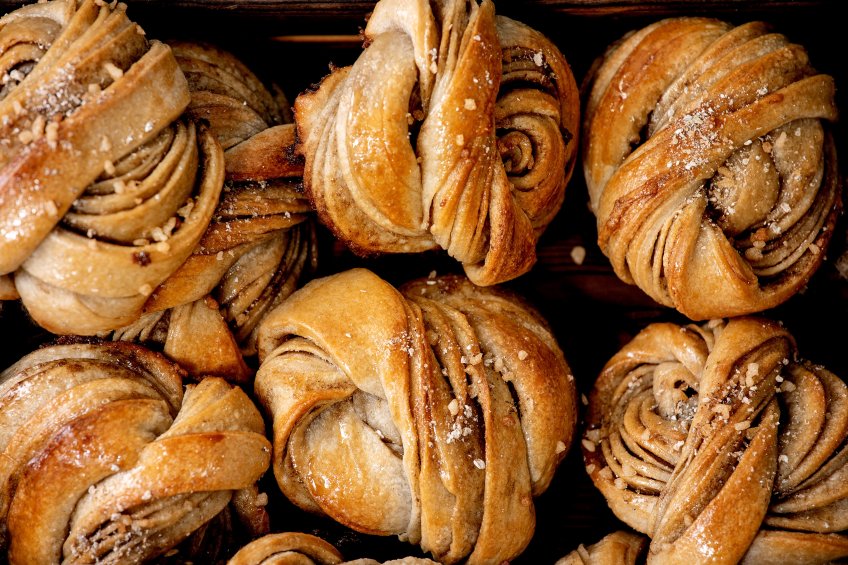
You express creativity through unique flavor combinations, contrasting textures, and artistic presentation. From choosing cardamom or cinnamon in the dough to crafting a crisp crust or soft finish, every detail reflects your personal baking style. Decorative scoring patterns and smooth finishes add the final visual touch.
Your personal philosophy influences your technique. You might prefer rustic presentations or refined finishes. You develop signature methods for folding dough or applying glazes.
The final product engages multiple senses beyond taste. You consider aroma, color, shape, and texture. Professional bakers create pieces that mark celebrations and become part of family traditions across generations.
Elements That Make Baking Artistic
Baking combines scientific precision with creative decision-making, making it both a technical skill and an art form. You express artistic vision through flavor choices, visual composition, and narrative elements in your baked goods.
Creativity in Flavor Pairings and Ingredient Selection
You make artistic choices when you select ingredients and combine flavors in baking. The decision to pair lavender with lemon or cardamom with orange demonstrates creative thinking beyond basic recipes.
You experiment with ingredient ratios to create unique textures and tastes. A baker might replace standard flour with almond flour or substitute honey for refined sugar to achieve different flavor profiles. These choices require imagination and sensory understanding.
You develop new recipes by testing unexpected combinations. Professional bakers blend savory elements like sea salt or olive oil into sweet preparations. Home bakers adapt traditional recipes with regional ingredients or seasonal produce to create original dishes.
Visual Design and Presentation
You create visual compositions through color, shape, and surface decoration on baked goods. The arrangement of fruit on a tart or the piping pattern on a cake requires spatial awareness and design principles similar to painting.
You apply techniques like glazing, dusting, and layering to build visual appeal. A skilled baker uses contrasting colors and textures to make desserts visually striking. Gold leaf, edible flowers, and chocolate work become decorative elements.
You shape dough and batter into sculptural forms. Breads can be braided into intricate patterns, while cakes are carved and stacked into three-dimensional structures. These physical forms require technical skill and artistic vision to execute properly.
Storytelling Through Edible Creations
You communicate themes and memories through baked items. A wedding cake reflects the couple’s personal story through design choices, while holiday cookies connect to cultural traditions and family history.
You convey emotions and occasions through your baking decisions. The choice of a specific flavor might reference childhood memories or cultural heritage. A baker might recreate a grandmother’s recipe to preserve family legacy.
You use baking to mark significant events and create shared experiences. Birthday cakes, celebration breads, and seasonal pastries carry meaning beyond their ingredients. Your creative input transforms basic food into symbolic objects that people remember.
The Role of Science in Successful Baking
Baking combines chemical reactions and physical processes that require precision to achieve consistent results. The science of baking involves specific ratios of ingredients, controlled temperatures, and exact timing to create the desired texture, rise, and flavor in baked goods.
The Chemistry Behind Baking Reactions
When you mix flour with water, gluten proteins form networks that give bread its structure. Heat causes starches to gelatinize and absorb moisture, creating the soft interior of cakes and breads.
Leavening agents like baking soda and baking powder release carbon dioxide gas when exposed to heat or acid. These gas bubbles expand in the oven, causing your batter or dough to rise. The Maillard reaction occurs when proteins and sugars heat above 300°F, creating the golden-brown color and complex flavors on bread crusts and cookie surfaces.
Eggs coagulate when heated, transforming from liquid to solid and providing structure to your baked goods. Fats coat flour particles and prevent excessive gluten formation, which results in tender, flaky textures in pastries and pie crusts.
Why Measurement and Technique Matter
You must measure ingredients accurately because baking relies on precise chemical ratios. Too much flour makes your cake dense, while too little sugar affects both sweetness and texture since sugar also retains moisture.
Temperature control determines the success of chemical reactions in your oven. A 25°F difference can cause cookies to spread too thin or stay thick and undercooked. You need to follow mixing methods in the correct order because the sequence affects how ingredients interact.
Overmixing develops excess gluten in cake batter, resulting in tough, chewy textures instead of light, fluffy ones. Room temperature ingredients blend more evenly than cold ones, ensuring uniform distribution of fats and liquids throughout your batter.
How Science Enables Creative Experimentation
Understanding chemical principles allows you to modify recipes successfully without random guessing. When you know that acidic ingredients activate baking soda, you can substitute buttermilk for regular milk and adjust leavening agents accordingly.
Your knowledge of how different flours contain varying protein levels helps you choose between cake flour for tender results or bread flour for chewy textures. You can experiment with sugar alternatives once you understand that sugar affects moisture retention and browning, not just sweetness.
Scientific principles provide the foundation that makes artistic expression possible in baking. You gain confidence to create new flavor combinations and techniques when you understand why ingredients behave as they do.
Education and Mastery: Learning the Art and Science of Baking
Baking is classified as both a culinary art and an applied science that requires formal training and continuous skill development. Mastery demands technical knowledge of chemistry alongside creative expression and consistent practice.
Baking and Pastry Arts Training
Professional baking programs teach ingredient chemistry, measurement techniques, and temperature control. You learn how proteins, starches, fats, and leavening agents interact during mixing and heating.
Formal training covers literacy in sciences, math, and food safety alongside hands-on skills. Programs include instruction on flour types, gluten development, sugar crystallization, and yeast fermentation. You study agricultural commodities, ingredient food sciences, and retail baking operations.
Most curricula require you to master measurement methods using scoops, spoons, and scales. Temperature monitoring is critical for yeast activation, ingredient preparation, and product doneness. Professional courses connect STEM concepts with practical kitchen applications.
Developing an Artistic Vision
You apply scientific knowledge to create unique dishes from basic ingredients. Your artistic vision shapes flavor combinations, texture variations, and visual presentation.
Creativity in baking requires understanding how ingredient ratios affect outcomes. You experiment with new recipes while maintaining chemical balance. Each finished product reflects your individual style and technical choices.
Professional bakers combine precision with creative expression to produce visually appealing results. You develop signature techniques through experimentation with colors, shapes, and decorative elements. Your vision transforms standard recipes into personal expressions.
Continuous Practice and Skill Building
Regular practice builds muscle memory for dough handling and decoration techniques. You refine your abilities through repeated execution of fundamental methods.
Skill progression requires troubleshooting failed attempts and adjusting variables. You track results using measurement charts and temperature logs to identify patterns. Professional development includes learning new grain varieties, flour types, and modern baking technologies.
Mastery grows through systematic practice of basic tasks before advancing to complex projects. You build competence by following detailed recipes with exactness, then gradually introducing creative modifications.
Historical Perspectives: Baking as a Creative Craft
Baking evolved from basic food preparation into a recognized craft through technological advances and cultural refinement across civilizations. Ancient bakers developed specialized techniques that transformed simple grain processing into skilled artistic expression.
Baking Traditions Through the Ages
Ancient Egyptians created the first intentional leavened bread around 2600 BCE using sour dough cultures. They developed over 50 bread varieties by changing shapes and adding flavorings like poppy seed, sesame, and camphor.
The Egyptians built the first ovens from baked Nile clay in cylindrical shapes. These ovens had two sections: a lower firebox and an upper baking chamber. You accessed the baking chamber through a hole in the top.
Romans introduced mechanical innovations including the first dough mixer around the 2nd century BCE. Marcus Vergilius Eurysaces designed a large stone basin with wooden paddles powered by horses that kneaded flour, leaven, and water together.
Medieval French bakers created 20 distinct bread varieties in the 13th century. Each variety differed in shape, flavoring, preparation method, and meal quality used.
The Rise of the Baker as an Artist
Professional bakers emerged in Rome during the 2nd century BCE as wealthy families sought alternatives to home baking. These bakers, often freed slaves, operated as independent artisans who shaped spheroidal loaves by hand.
Baker guilds formed during the Roman Empire and expanded throughout the Middle Ages. You needed several years of apprenticeship before guild admission, often passing through journeyman status before achieving master baker rank.
Guild regulations controlled bread size, quality, and production standards strictly. This institutional structure elevated baking from domestic work to a regulated craft requiring specialized knowledge.
Baking became classified as both a culinary art and a technical skill requiring mastery of fermentation, ingredient ratios, and heat control.
Modern Baking and Its Artistic Influence
Social media platforms have transformed baking into a visual art form, while professional collaborations blur the lines between culinary craft and fine art. Contemporary culture now treats baking as both scientific precision and creative expression.
The Impact of Social Media on Baking as Art
Instagram and Pinterest changed baking from a private kitchen activity into a public art showcase. You now see bakers creating works specifically designed to photograph well, with mirror glazes, geometric patterns, and bold color choices that attract visual attention.
Platforms like TikTok made baking techniques accessible through short video tutorials. This democratization lets you learn advanced artistic methods without formal training. The viral nature of these platforms pushes bakers to innovate constantly.
Visual trends spread rapidly across social media. When baker Dinara Kasko posted her architectural cakes inspired by 3D design, thousands of bakers adapted geometric techniques. You can track how a single artistic approach influences global baking trends within weeks.
The immediate feedback from online audiences shapes what bakers create. You receive validation not just for taste but for visual composition, color theory, and presentation. This shifts baking closer to traditional art forms where aesthetic appeal matters as much as function.
Collaborations Between Bakers and Artists
Professional bakers now partner with painters, sculptors, and graphic designers to create edible installations. These collaborations produce works displayed in galleries before being consumed. You see the boundary between food and art disappear in these projects.
Fashion brands commission custom cakes that mirror their design aesthetics. A baker might recreate fabric textures in buttercream or translate a clothing pattern into cake decoration. These partnerships validate baking as legitimate artistic expression.
Museums have featured pastry exhibitions alongside traditional art. The Victoria and Albert Museum in London included elaborate sugar work in their design collections. You can view these pieces as both craft objects and artistic statements.
Baking in Contemporary Culinary Culture
Modern restaurants treat desserts as the final artistic statement of a meal. Pastry chefs work with the same creative freedom as painters, choosing colors, shapes, textures, and composition to convey specific emotions.
Television competitions like “The Great British Bake Off” present baking as performance art. You watch contestants solve technical challenges while expressing personal creativity. These shows position baking as requiring both scientific knowledge and artistic vision.
Artisan bakeries reject mass production in favor of handcrafted pieces. Each loaf or pastry becomes unique through the baker’s individual choices. This movement treats baking as fine craft rather than industrial output.
The rise of custom cake designers demonstrates baking’s artistic status. You can commission pieces that tell personal stories through edible materials, similar to commissioning a portrait or sculpture.
FAQ: Is Baking a Form of Art?
Baking is often viewed as both a science and an art. While it requires precision and technique, it also allows for creativity, design, and personal expression.
Is Baking a Form of Art?
Yes, baking is widely considered a form of art because it combines creativity, presentation, flavor design, and personal expression.
Why Is Baking Considered Artistic?
Baking involves creative decisions such as:
Decorating cakes and pastries
Combining flavors
Designing textures and presentation
Developing original recipes
How Is Baking Different from Cooking as an Art?
Baking is generally more precise than cooking, but both allow artistic creativity. Baking often focuses heavily on visual presentation and detailed design.
Can Bakers Be Considered Artists?
Yes, many professional bakers and pastry chefs are considered culinary artists due to their craftsmanship and creativity.
What Types of Baking Are Most Artistic?
Highly artistic forms include:
Cake decorating
Pastry design
Artisan bread making
Chocolate and dessert work
Does Baking Require Creativity?
Yes, creativity is important for developing new recipes, decorating baked goods, and balancing flavors and textures.
Is Presentation Important in Baking?
Yes, visual appearance is a major part of baking, especially in professional bakeries, pastry shops, and competitions.
Can Baking Be Both Science and Art?
Yes, baking combines scientific precision with artistic creativity. Successful baking often requires both technical skill and design ability.
Why Do People Enjoy Baking Creatively?
Creative baking allows people to express individuality, experiment with flavors, and create visually appealing food.
Is Artistic Baking a Career?
Yes, artistic baking can lead to careers in pastry arts, cake decorating, bakery ownership, and culinary design.


 Baking combines both scientific principles and artistic expression in equal measure. The process requires exact chemical reactions while also allowing for creative interpretation and personal style.
 Baking combines scientific precision with creative decision-making, making it both a technical skill and an art form. You express artistic vision through flavor choices, visual composition, and narrative elements in your baked goods.
 Baking combines chemical reactions and physical processes that require precision to achieve consistent results. The science of baking involves specific ratios of ingredients, controlled temperatures, and exact timing to create the desired texture, rise, and flavor in baked goods.
 Baking is classified as both a culinary art and an applied science that requires formal training and continuous skill development. Mastery demands technical knowledge of chemistry alongside creative expression and consistent practice.
 Baking evolved from basic food preparation into a recognized craft through technological advances and cultural refinement across civilizations. Ancient bakers developed specialized techniques that transformed simple grain processing into skilled artistic expression.
 Social media platforms have transformed baking into a visual art form, while professional collaborations blur the lines between culinary craft and fine art. Contemporary culture now treats baking as both scientific precision and creative expression.
 Baking is often viewed as both a science and an art. While it requires precision and technique, it also allows for creativity, design, and personal expression.


