Is Baking Creative? Exploring Your Potential with Home Baking
Do you ever wonder if baking counts as a real creative outlet?
Yes, baking is creative because it lets you make choices about flavors, colors, and designs that show your own style.
Every time you pick a mix-in or decorate a cake, you are using creative expression just like an artist would with paint or clay.
Baking as an art goes beyond following a recipe card. You get to experiment, adjust, and add your own twist to something that started as a basic set of directions.
Many people see baking as a form of culinary art because it blends science with imagination. When you bake, you use both your brain and your creativity, and this post will show you exactly how that works.
Why Baking Is a Creative Pursuit
Baking gives you the chance to make small choices that turn a basic recipe into something that feels like your own. Every batch of baked goods can carry a piece of your personal style, from flavor picks to the final look.
Making Personal Choices Beyond the Recipe
A recipe gives you steps, but you decide how to follow them. You might swap vanilla for almond, add a pinch of cinnamon, or use less sugar than the recipe calls for. These small choices add up to a treat that tastes like your version, not just a copy of someone else’s.
Baking as art shows up in these tiny decisions more than people think. You are not just following instructions; you are shaping the outcome. Some bakers see this as artistic expression that comes through in how a cake tastes or how frosting is applied.
Even the way you plate or present a dessert reflects a personal touch. Two people can use the same recipe and end up with different results. That difference is what makes baking feel personal.
Turning Everyday Ingredients Into Original Baked Goods
Flour, sugar, eggs, and butter are common items found in most kitchens. But what you do with them can lead to endless variety. A baker can mix these basic parts into cookies, breads, cakes, or pastries that each taste and look different.
This is where creative baking comes into play. You can try new spice blends, mix unexpected fruits into a batter, or shape dough in new ways. Each choice changes the final product, even if the base ingredients stay the same.
Baking and art share this same idea: simple materials can become something new depending on the skill and ideas behind them. Culinary arts and pastry arts both rely on this kind of experimentation to create dishes that stand out. What starts as flour and sugar can become a completely original treat once you add your own ideas.
The Art and Science Behind Every Bake
Baking mixes clear rules with room for choice. You need to understand how ingredients work, but you also decide how to use that knowledge.
How Ingredient Functions Shape Results
Every ingredient you add to a baked good has a purpose. Flour provides structure, sugar affects sweetness, tenderness, moisture, and browning, fats contribute richness and tenderness, eggs can provide structure and emulsification, and leavening agents create volume.
Understanding these individual roles—and how the ingredients interact—is a fundamental part of the science of baking.
Here’s what common ingredients do:
Flour gives structure through gluten
Sugar adds sweetness and helps with browning
Butter adds flavor and creates tender texture
Eggs bind ingredients and add moisture
Milk adds liquid and helps with browning
Oil keeps baked goods moist
Baking powder and baking soda create rise through gas bubbles
Yeast ferments to make bread rise slowly
When you know what each ingredient does, you can make swaps or changes. You might choose oil over butter for a moister cake. That choice comes from knowledge, not just guessing.
Using Precision as a Creative Foundation
Good baking techniques set the stage for creative choices. Mixing, creaming, and folding each affect texture in different ways.
Creaming butter and sugar together traps air. This air helps cakes rise and stay light. Folding, on the other hand, keeps air bubbles intact when you add delicate ingredients like whipped egg whites.
Temperature control matters just as much. Oven heat and ingredient temperature change how your bake turns out. Butter that’s too warm won’t trap air well during creaming.
Baking time also shapes results. A few extra minutes can turn a moist cake dry. Once you master these basics, you have room to experiment with flavors, shapes, and designs. Precision gives you a safe base to build creative ideas on top of.
Building Skill Through Practice and Patience
Skill in baking grows through repeated practice. You learn how dough feels when it’s ready or how batter looks when it’s mixed enough.
Patience matters here too. Yeast bread needs sufficient time to ferment and rise as yeast produces carbon dioxide, which expands the dough and contributes to its structure.
Rushing the process can result in bread that is poorly developed, while proper proofing helps produce a lighter, better-structured loaf, as explained by King Arthur Baking’s guide to proofing bread.
Attention to detail helps you catch small issues before they become big problems. You might notice batter is too thick or an oven runs hot.
Over time, these skills become instinct. You stop needing to double-check every step. This freedom lets you focus more on creative choices, like flavor pairings or decoration, instead of basic technique.
Creative Choices in Flavor and Texture
Every time you bake, you make small decisions that shape the final taste and feel of your treat. These choices, from picking spices to swapping flours, give you room to put your own stamp on a recipe.
Developing Flavor Combinations
You can turn a plain recipe into something special by choosing which flavors to pair together. Some flavor combinations work because they balance sweet and savory notes, while others create contrast that makes each bite more interesting.
Cinnamon and nutmeg bring warmth to cookies, while cardamom adds a floral note to breads and pastries. You might try mixing citrus zest with vanilla extract, or pairing dark chocolate with a pinch of sea salt.
Herbs like rosemary or thyme can also work in sweet baking, especially in shortbread or fruit tarts. When you experiment with flavors, you learn which pairings feel balanced and which ones clash.
Experimenting With Flours, Add-Ins, and Substitutions
Switching up your flour changes both the taste and structure of your baked goods. Almond flour gives cookies a soft, slightly nutty flavor, while whole wheat flour adds a heartier texture to bread.
You can also swap in different sugars, like brown sugar for a deeper, caramel-like taste. Add-ins such as nuts, seeds, or chocolate chips let you control texture and flavor in every bite.
Add-In
Effect on Baked Goods
Almond flour
Softer texture, nutty flavor
Chocolate chips
Melty pockets of sweetness
Seeds (chia, flax)
Adds crunch and nutrition
Extracts (vanilla, almond)
Boosts overall flavor depth
Substitutions like these help you personalize recipes to fit your taste or dietary needs.
Balancing Texture, Aroma, and Taste
Good baking depends on more than just flavor. Texture and aroma play a big role in how a treat is enjoyed.
A cookie with a crisp edge and soft center feels more satisfying than one that is flat and dense throughout. Bread with a crackly crust and airy inside shows a balance of technique and ingredient choice.
Aroma also matters, since spices like cinnamon or extracts like vanilla can make a dessert smell inviting before it’s even tasted. When you focus on how texture, smell, and taste work together, you create baked goods that feel complete rather than one-dimensional.
Visual Design and Edible Art
Baking gives you a way to work with color, shape, and texture, turning simple ingredients into edible art. From frosting techniques to layered designs, every choice you make adds to the final look of your creation.
Decorating Cakes With Color, Shape, and Detail
Cake decoration lets you show your own style through color and shape. You can choose soft pastel tones for a calm look or bold colors for something more dramatic.
Small details matter too. Adding textures, patterns, or layers gives your cake depth and makes it stand out. Attention to detail is what turns a basic cake into a piece of visual art.
Think about:
Color combinations that match a theme or mood
Layer height to create visual interest
Edible decorations like flowers, fruit, or sprinkles
Every choice reflects your creativity, similar to how a painter chooses colors and shapes for a canvas.
Using Piping, Icing, and Glazing
Piping, icing, and glazing are some of the most hands-on ways to bring artistic expression into baking. Piping lets you create fine lines, borders, or intricate flowers using different tips and pressure control.
Icing adds smooth coverage and can be shaped into swirls, waves, or sharp edges depending on the tool you use. Glazing, on the other hand, gives cakes a shiny, polished finish that highlights color and reflects light.
Many bakers use mirror glazes to create a smooth, glass-like shine that can transform a cake into an eye-catching work of art. The glaze is typically poured over a chilled, frosted cake to create a reflective surface, and techniques such as full coverage, drips, and marbled effects allow bakers to create increasingly elaborate designs.
A birthday cake or wedding cake often becomes the centerpiece of an event, so visual presentation really counts. These cakes usually combine several techniques, like piping, layering, and color coordination, to create a strong focal point.
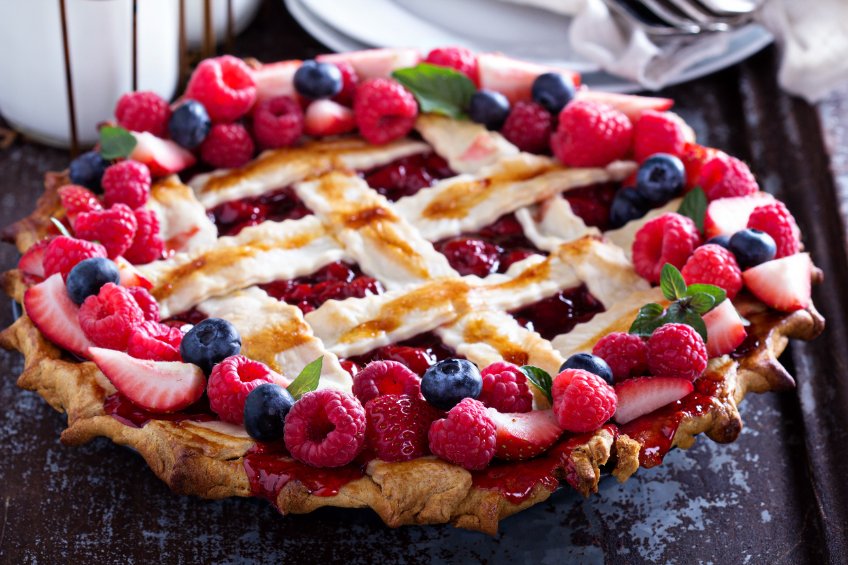
Even simpler bakes, like a pie crust with lattice or braided edges, can become a small work of edible art. Details like crimped edges or cutout designs add a personal touch.
Whether it’s a tiered wedding cake or a decorated pie, your artistic choices help set the tone for the occasion and make the dessert memorable before it’s even tasted.
Creative Baking Projects for Every Skill Level
You can find creative baking projects that match your comfort level, whether you’re just starting out or ready to test new skills. Simple treats, bread making, and classic recipes all give you a chance to explore your own style in the kitchen.
Easy Home Baking Projects for Beginners
If you’re new to baking, start with recipes that don’t require specialized equipment or advanced techniques.
Cookies are an excellent place to begin because many basic varieties use simple ingredients and straightforward methods, making them a practical way to learn essential baking skills.
Utah State University Extension’s beginner food curriculum describes several types of cookies as fun and easy to make. You can also try simple cakes, like a one-bowl chocolate cake or basic cupcakes. These recipes teach you the basics without too many steps.
Some other beginner-friendly ideas include:
No-chill cookie dough recipes
Basic muffins or quick breads
Simple pie crust with a store-bought filling
Many easy home baking projects also work well for kids, making them fun for family time too. Once you feel confident, you can try adding your own twist, like different mix-ins or toppings.
Bread and Pastry Challenges for Growing Bakers
Once you’ve mastered the basics, bread making offers a new kind of challenge. Working with yeast bread teaches you patience, since dough needs time to rise before baking.
Artisan bread is a good next step. It uses simple ingredients but requires attention to timing and technique.
If you want to push your skills further, try:
Croissants, which involve folding butter into dough for flaky layers
Homemade pastries like eclairs or cream puffs
Pie crust from scratch instead of store-bought
These projects take more time, but they help you understand how baking techniques affect texture and flavor. Finishing a tricky recipe, like your first batch of croissants, can give you a real sense of accomplishment.
Finding Inspiration in Traditions and New Ideas
Baking traditions can give you ideas for projects with real meaning. Many families pass down recipes for holidays or special occasions, and recreating those recipes connects you to that history.
You can also look at recipes from different cultures to try something new. This might mean baking bread styles you haven’t tried before, or learning decorating methods used in other countries.
Mixing tradition with new ideas keeps baking interesting. You might combine a classic pie crust with a modern filling, or add your own decoration to a traditional cake.
Trying creative baking projects from different sources can also help you build new techniques while staying connected to recipes that matter to you.
Baking as Connection, Wellness, and Community
Baking gives you more than a finished treat. It can support your wellness, connect you to other people, and give you a sense of accomplishment.
Finding a Mindful Creative Outlet
When you bake, you focus on the task in front of you. You measure, mix, and watch the dough change. This kind of focus can act as a creative outlet for your mind. It gives you a break from daily worries.
Research suggests that activities involving food preparation may support mood and help people manage stress. Baking also gives you opportunities to make small creative choices, such as adding fruit, changing a spice, or decorating a cake, providing a simple and low-pressure form of self-expression.
Research from the University of Minnesota has examined how food preparation and choice can influence stress and mood. Baking also gives you a sense of accomplishment. You start with simple ingredients. Then you end up with something you made with your own hands.
Sharing Bakes and Building Relationships
Baking often leads you to other people. You might bake to celebrate an event or comfort a friend. Many bakers say that sharing baked goods with friends and neighbors helps them feel connected. It can also help you build new relationships.
You may bake with family members and follow recipes passed down through baking traditions. These traditions link you to happy memories and to people you love. Being part of a baking community can also help you learn new skills. You might trade tips with other bakers, join a baking class, or even take lessons from a pastry chef.
Culinary schools also teach people how baking connects to cooking as an art, which shows how creative and technical baking can be at the same time.
Using Online Platforms for Ideas and Feedback
You can also connect with other bakers online. Many people use Instagram to share photos of their bakes and exchange practical tips.
You can post your own creations and see what other bakers are making. This can help you get new ideas and feedback on your work, such as suggestions about decorating, texture, or presentation.
Pinterest is another tool many bakers use. You can search for recipes, save ideas, and build boards based on your favorite styles. Check recipe sources carefully, and compare ingredient quantities, temperatures, and methods before baking.
These platforms let you learn from other bakers around the world. You do not need to attend culinary school or work as a pastry chef to find support, inspiration, and new ideas—you simply need an interest in baking and a willingness to share your work.
Yes, baking is a creative activity because it allows you to experiment with flavors, ingredients, shapes, decorations, and presentation. Although baking requires accurate measurements and controlled techniques, there is plenty of room for personal creativity.
How Is Baking Creative?
Bakers can experiment with different flavors, fillings, toppings, colors, shapes, and decorating techniques. Even small changes to ingredients or presentation can create a distinctive finished product.
Is Baking a Form of Art?
Yes, baking can be considered a form of culinary art. Cakes, pastries, breads, and decorated desserts can combine technical skill with creativity in their appearance, flavor, and presentation.
Can You Be Creative With Baking Recipes?
Absolutely. Once you understand how ingredients work, you can experiment with flavors and textures while making sensible adjustments to a recipe. However, major changes to ingredients such as flour, liquid, eggs, or leavening can affect the structure of baked goods.
Why Is Creativity Important in Baking?
Creativity allows bakers to develop new flavors, designs, and combinations rather than simply following established recipes. It also encourages experimentation and helps bakers develop their own style.
Does Baking Require Both Creativity and Science?
Yes. Baking combines creative decisions with scientific principles. Ingredients must be measured and balanced carefully, while creativity influences the flavors, shapes, decorations, and presentation of the final product.


 Baking gives you the chance to make small choices that turn a basic recipe into something that feels like your own. Every batch of baked goods can carry a piece of your personal style, from flavor picks to the final look.
 Baking mixes clear rules with room for choice. You need to understand how ingredients work, but you also decide how to use that knowledge.
 Every time you bake, you make small decisions that shape the final taste and feel of your treat. These choices, from picking spices to swapping flours, give you room to put your own stamp on a recipe.
 Baking gives you a way to work with color, shape, and texture, turning simple ingredients into edible art. From frosting techniques to layered designs, every choice you make adds to the final look of your creation.
 You can find creative baking projects that match your comfort level, whether you’re just starting out or ready to test new skills. Simple treats, bread making, and classic recipes all give you a chance to explore your own style in the kitchen.
 Baking gives you more than a finished treat. It can support your wellness, connect you to other people, and give you a sense of accomplishment.
 Yes, baking is a creative activity because it allows you to experiment with flavors, ingredients, shapes, decorations, and presentation. Although baking requires accurate measurements and controlled techniques, there is plenty of room for personal creativity.


