What are the Benefits of Learning Baking Skills? Reasons to Learn How to Bake
Learning to bake gives you practical cooking skills, a creative outlet, and a way to connect with others through shared food.
The benefits of learning baking skills go beyond producing baked goods; they include stress relief, sharper focus, and a sense of accomplishment that carries into other areas of your life.
Baking at home also teaches you patience and attention to detail, since measuring ingredients and following steps requires you to slow down and concentrate on the task in front of you.
Whether you’re just starting out or want to sharpen skills you already have, understanding why baking is worth your time can help you get more out of every session in the kitchen.
Practical Skills That Transfer Beyond the Kitchen
Baking teaches skills that apply directly to work, school, and daily responsibilities. The same habits that produce a good loaf of bread or a properly risen cake also strengthen your ability to plan, focus, and manage your time.
Precision, Measuring, and Following Instructions
Baking relies on exact measurements, unlike cooking, which allows more room for improvisation. You learn to use measuring cups and spoons correctly, distinguish between weight and volume, and understand why 200 grams of flour is not the same as 200 milliliters.
This attention to detail carries over into tasks that require accuracy, such as following a set of instructions at work or completing a technical assignment. You also develop the habit of reading a full set of directions before starting, rather than skipping ahead.
Small errors in baking show up immediately, so you learn to double-check your work. This builds a mindset that values precision over guesswork in other areas of life.
Planning, Patience, and Problem-Solving
Baking requires you to plan ahead. You need to check ingredient quantities, preheat the oven, and account for rise or cooling time before you even start mixing.
Recipes also demand patience. Dough needs time to proof, cakes need time to bake evenly, and rushing these steps often ruins the result.
When something goes wrong, such as a cake that sinks in the middle, you learn to troubleshoot: was the oven too hot, was the batter overmixed, or was the leavening agent expired? This process builds decision-making skills, since you have to weigh possible causes and choose a fix.
Over time, this trial-and-error approach improves your problem-solving ability in situations outside the kitchen, from managing a project timeline to fixing a scheduling conflict.
Building Independence and Everyday Cooking Ability
Learning to bake builds independence by giving you the confidence to prepare food without relying on store-bought items or takeout. Basic cooking skills often improve alongside baking skills, since both involve similar techniques like reading recipes, managing heat, and organizing steps in order.
Over time, you develop a stronger work ethic around food preparation:
Cleaning as you go
Prepping ingredients in advance
Sticking to a schedule when multiple items need to finish at the same time
These habits reduce reliance on others for meals and give you more control over your diet and budget. This independence also reduces stress when you need to prepare food for a gathering or manage a kitchen on your own.
Creativity, Confidence, and Personal Accomplishment
Baking gives you room to experiment while following a clear structure, and each finished batch of cookies or cake builds skills you can see and taste. Over time, this combination of creative freedom and repeated practice strengthens both your confidence and your sense of accomplishment.
Using Recipes as a Foundation for Creativity
Baking recipes give you a starting point, not a strict limit. Once you understand the basic ratios in a recipe, you can adjust flavors, swap ingredients, or change decorations to make the result your own.
You might add citrus zest to a vanilla cake or use cookie cutters to turn a basic dough into seasonal shapes. Small changes like these let you personalize homemade treats without needing advanced training.
Baking classes can help you learn the reasoning behind a recipe, such as why a specific ratio of flour to fat affects texture. This knowledge makes it easier to experiment with confidence instead of guessing.
How Practice Builds Confidence and Self-Esteem
Each time you bake, you practice specific techniques: measuring accurately, mixing at the right speed, or judging when a cake is fully baked. Repeating these steps builds real skill, not just familiarity.
As your results improve, so does your confidence in the kitchen. Successfully baking a batch of cupcakes that rise evenly or a loaf that browns correctly gives you visible proof of progress.
This progress supports self-esteem because it comes from your own effort and decision-making. You are not relying on luck; you are applying skills you have developed through repetition.
Learning From Mistakes and Improving Techniques
Baking mistakes are common and often easy to diagnose. A dense cake may mean overmixing, while a burnt bottom may point to oven temperature or pan placement.
Instead of viewing these outcomes as failures, treat them as feedback. Each mistake gives you specific information you can use to adjust your next attempt.
Reviewing what went wrong helps you refine your baking techniques over time. This process, more than any single successful bake, is what builds long-term skill and a steady sense of accomplishment.
Nutrition, Ingredient Control, and Cost Savings
Baking at home gives you direct control over what goes into your food and how much you spend on it. Once you understand ingredients, portions, and recipe costs, you can make choices that support both your health and your budget.
Making More Informed Ingredient Choices
When you bake at home, you decide exactly what goes into every batch. You can swap refined flour for whole grains, adjust sugar levels, or choose honey instead of processed sweeteners.
You also control the quality of butter, oil, eggs, and milk you use. This matters because commercial baked goods often rely on cheaper fats and preservatives to extend shelf life.
Reading labels and comparing ingredients teaches you how carbohydrates, fats, and sugars affect a recipe’s nutritional profile. Over time, you start recognizing which substitutions actually work and which ones change texture or flavor too much.
This knowledge carries over into everyday cooking decisions, not just baking.
Balancing Homemade Treats With Nutrition Goals
Homemade baked goods aren’t automatically healthier, but they let you adjust recipes to fit specific goals. You can reduce sugar gradually, add whole grains for fiber, or incorporate ingredients that provide vitamins and minerals, like fruit, nuts, or seeds.
Baking at home also helps with portion control. Store-bought items often come in larger, calorie-dense servings, while homemade batches let you decide exact serving sizes.
Simple adjustments that support nutrition goals:
Replace half the white flour with whole wheat flour
Use unsweetened applesauce to cut back on added sugar
Choose low-fat milk instead of cream in certain recipes
Add eggs for protein instead of relying solely on carbohydrates for texture
These changes let you enjoy treats without abandoning your nutrition priorities.
Using Baking for Budgeting and Meal Planning
Baking at home is often cheaper than buying pre-made goods, especially when you buy staple ingredients like flour, sugar, and oil in bulk. A batch of muffins or bread made at home typically costs less per serving than store-bought versions.
Meal planning becomes easier when you bake ahead. Items like granola bars, bread, or muffins can be prepared in advance and stored for the week, reducing the need for last-minute purchases.
Bulk baking also reduces food waste. You can freeze portions, use ingredients before they expire, and avoid throwing away partially used products from single-use packaged snacks.
Tracking ingredient costs over time helps you understand which recipes offer the best value for your household.
Learning Opportunities for Children and Families
Baking gives children a hands-on way to practice math, reading, and coordination while giving families a shared activity to enjoy together. The kitchen becomes a low-pressure classroom where skills develop naturally through repetition and real-world tasks.
Teaching Math, Reading, and Sequencing Through Recipes
Recipes are full of practical math lessons. When you measure ingredients with your child, you introduce concepts like fractions, volume, and counting in a way that feels relevant rather than abstract.
Reading a recipe also builds reading comprehension. Your child has to follow written steps in order, interpret instructions, and understand what each term means before moving forward.
This process reinforces sequencing skills, since baking only works when steps happen in the correct order. Skipping or reordering a step often changes the outcome, which helps children see cause and effect clearly.
A few specific skills recipes reinforce:
Fractions: Measuring 1/2 cup or 1/4 teaspoon
Counting: Tracking eggs, scoops, or minutes
Vocabulary: Learning terms like “fold,” “cream,” or “preheat”
Sequencing: Following steps in the correct order
Strengthening Fine Motor Skills and Kitchen Confidence
Baking tasks require small, controlled hand movements that support fine motor development. Pouring from a mixing bowl, using a whisk, and stirring batter all strengthen hand and wrist muscles.
Kneading dough builds grip strength, while pressing cookie cutters into dough helps with hand-eye coordination. These movements are similar to the ones children later use for writing and other precise tasks.
As children practice these actions repeatedly, they gain independence in the kitchen. Handling measuring cups or cracking an egg without help builds confidence, since children can see a direct result from their own effort.
This sense of accomplishment often extends beyond baking, encouraging children to take on other new tasks with less hesitation.
Encouraging Teamwork and Family Connection
Baking works best as a group activity, which makes it a natural setting for teamwork. Assigning roles, such as one person measuring and another mixing, teaches children how to cooperate toward a shared goal.
Family gatherings often center around food, and baking together beforehand adds another layer of connection. Working side by side gives family members time to talk, laugh, and solve small problems together, like fixing a batter that’s too thick.
These shared experiences also create lasting memories tied to specific recipes or traditions. Over time, baking can become a recurring activity that strengthens family bonds and gives children a consistent, positive experience they associate with togetherness.
Mindfulness, Well-Being, and Social Connection
Baking gives you more than a finished product. The repetitive actions involved can settle your mind, and sharing what you bake can strengthen your relationships with others.
Why Repetitive Baking Tasks Can Feel Grounding
Kneading dough, stirring batter, and measuring ingredients require your full attention. These actions pull your focus away from racing thoughts and onto what your hands are doing in the moment.
This is where mindfulness comes into play. When you knead dough, you notice its texture change as gluten develops. Stirring a pot of custard until it thickens teaches you patience, since rushing the process usually ruins the result.
Fermentation adds another layer to this experience. Waiting for dough to rise or dough to proof forces you to slow down and accept a timeline you can’t control. This kind of waiting can reduce stress because it takes the pressure off constant productivity.
The physical rhythm of these tasks—repetitive, predictable, and tactile—can also lower anxiety in a way similar to other hands-on hobbies.
Sharing Baked Goods as an Expression of Care
Giving someone homemade treats communicates something that store-bought items often can’t. Your time and effort become part of the gift itself.
A batch of cookies for a coworker or a loaf of bread for a neighbor signals thoughtfulness. You made a choice to spend time on something specifically for that person.
This exchange supports well-being on both sides. You get a sense of accomplishment from creating something by hand, and the recipient feels valued.
Homemade baked goods also work well in situations where words feel insufficient, such as:
Comforting someone after a loss
Welcoming a new neighbor
Thanking someone for their help
Celebrating a personal milestone
Creating Meaningful Traditions With Others
Baking often becomes tied to specific people, places, and times of year. A recipe passed down from a grandparent or a dish made only during the holidays builds connection between the past and present.
Family gatherings frequently center around food preparation, not just the meal itself. Rolling out pie crust together or decorating cookies as a group creates shared memories tied to the activity rather than just the outcome.
These traditions also give structure to your relationships. Knowing that a certain cake appears every birthday, or that bread gets baked every Sunday, creates a reliable point of connection you can look forward to with others.
From Home Baking to Career Opportunities
Home baking can lead to structured training, freelance work, or a full business, depending on how far you want to take your skills. Each path builds on the same foundation: consistent technique, reliable recipes, and good time management.
Developing Advanced Techniques and Product Consistency
Moving beyond casual baking means learning to control variables that affect your results every time. This includes understanding proofing dough at the correct temperature and humidity, managing fermentation times for bread, and adjusting recipes based on ingredient ratios rather than guesswork.
Precision becomes more important as you take on complex products like laminated pastry or tiered cakes. A small error in measurement or timing can change texture, rise, or structure.
Consistency also matters if you plan to sell your baking. Customers expect the same quality in every order, so you need repeatable methods you can rely on.
Key skills to refine at this stage:
Reading dough by feel and appearance, not just by the clock
Adjusting for oven variations and altitude
Scaling recipes accurately for larger batches
Exploring Baking Classes and Professional Pathways
Formal baking classes give you structured feedback that’s hard to get from home practice alone. Instructors can correct technique issues in real time, whether it’s your knife skills, piping control, or dough handling.
Programs range from short workshops focused on one skill, like cake decorating, to multi-year culinary degrees covering pastry arts, chocolate work, and bread production. Costs and time commitments vary widely, so match the program to your goals.
Path
Typical Duration
Best For
Workshop or short course
Days to weeks
Learning one specific skill
Certificate program
3–12 months
Building a broad skill base
Culinary degree
1–4 years
Pursuing head baker or pastry chef roles
Many programs also include internships or externships, giving you direct kitchen experience under working chefs.
Starting a Home Bakery or Small Baking Business
Turning baking into a business starts with practical planning, not just good recipes. You’ll need to research local licensing requirements, since most areas require a permit or inspection before you can legally sell food from home.
Budgeting matters early on. Ingredient costs, packaging, and equipment add up quickly, so price your products to cover expenses and your time.
Basic steps to get started:
Check state and local cottage food laws
Choose a focused product line, such as custom cookies or specialty bread
Set consistent pricing based on ingredient and labor costs
Build a simple order and scheduling system
Running a home bakery also demands strong work ethic and time management, since you’re handling production, orders, and customer communication at once.
FAQ: What Are the Benefits of Learning Baking Skills?
Learning to bake provides practical cooking skills while also developing abilities such as planning, precision, creativity, and problem-solving. These skills can be useful both in the kitchen and in everyday life.
What Are the Benefits of Learning Baking Skills?
The main benefits include improved cooking skills, greater creativity, a better understanding of ingredients, increased confidence, and greater independence in the kitchen.
Does Baking Improve Cooking Skills?
Yes. Baking teaches practical skills such as measuring ingredients, preparing mixtures, controlling oven temperatures, and recognizing when food is properly cooked.
Can Baking Improve Precision?
Yes. Baking requires accurate measurements and careful attention to timing, temperature, and ingredient proportions. Regular practice can help develop a more precise approach to following recipes.
Does Baking Encourage Creativity?
Yes. Bakers can experiment with flavors, ingredients, decorations, shapes, and presentation. This allows recipes to serve as a starting point for creative experimentation.
Can Learning to Bake Increase Confidence?
Yes. Successfully making bread, cakes, cookies, or pastries can build confidence in the kitchen. Repeatedly practicing baking techniques can also make unfamiliar recipes easier to approach.
Does Baking Teach Problem-Solving?
Yes. Baking provides opportunities to identify and correct problems, such as cookies spreading too much or bread failing to rise. Understanding what caused the problem can help improve future results.
Can Baking Help You Understand Ingredients?
Yes. Learning to bake teaches how ingredients such as flour, eggs, butter, sugar, yeast, and leavening agents affect texture, structure, moisture, and flavor.
Does Learning to Bake Save Money?
It can. Preparing certain baked goods at home may cost less than purchasing comparable products, particularly when baking larger quantities or using ingredients already available at home.
Can Baking Help With Meal Planning?
Yes. Baking can make it easier to prepare homemade bread, breakfast foods, snacks, desserts, and other foods in advance. Some baked goods can also be portioned and stored for later use.
Can Baking Be a Useful Life Skill?
Yes. Baking is a practical household skill that can help people prepare food independently, follow recipes, manage ingredients, and use kitchen equipment confidently.
Can Baking Skills Lead to a Career?
Yes. Baking skills can provide a foundation for careers in professional baking, pastry, catering, food production, and hospitality. More advanced professional positions generally require additional training, experience, and knowledge of commercial baking techniques.
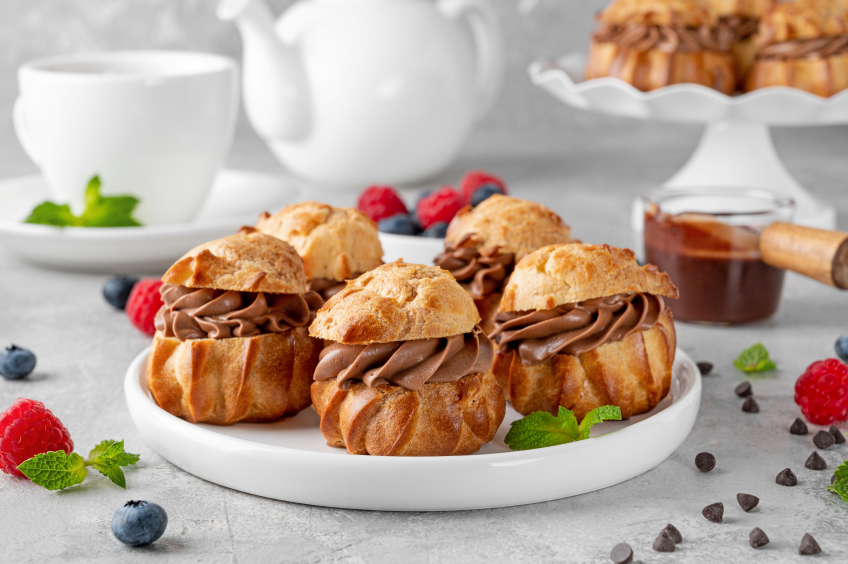

 Learning to bake gives you practical cooking skills, a creative outlet, and a way to connect with others through shared food.
 Baking teaches skills that apply directly to work, school, and daily responsibilities. The same habits that produce a good loaf of bread or a properly risen cake also strengthen your ability to plan, focus, and manage your time.
 Baking gives you room to experiment while following a clear structure, and each finished batch of cookies or cake builds skills you can see and taste. Over time, this combination of creative freedom and repeated practice strengthens both your confidence and your sense of accomplishment.
 Baking at home gives you direct control over what goes into your food and how much you spend on it. Once you understand ingredients, portions, and recipe costs, you can make choices that support both your health and your budget.
 Baking gives children a hands-on way to practice math, reading, and coordination while giving families a shared activity to enjoy together. The kitchen becomes a low-pressure classroom where skills develop naturally through repetition and real-world tasks.
 Baking gives you more than a finished product. The repetitive actions involved can settle your mind, and sharing what you bake can strengthen your relationships with others.
 Home baking can lead to structured training, freelance work, or a full business, depending on how far you want to take your skills. Each path builds on the same foundation: consistent technique, reliable recipes, and good time management.


